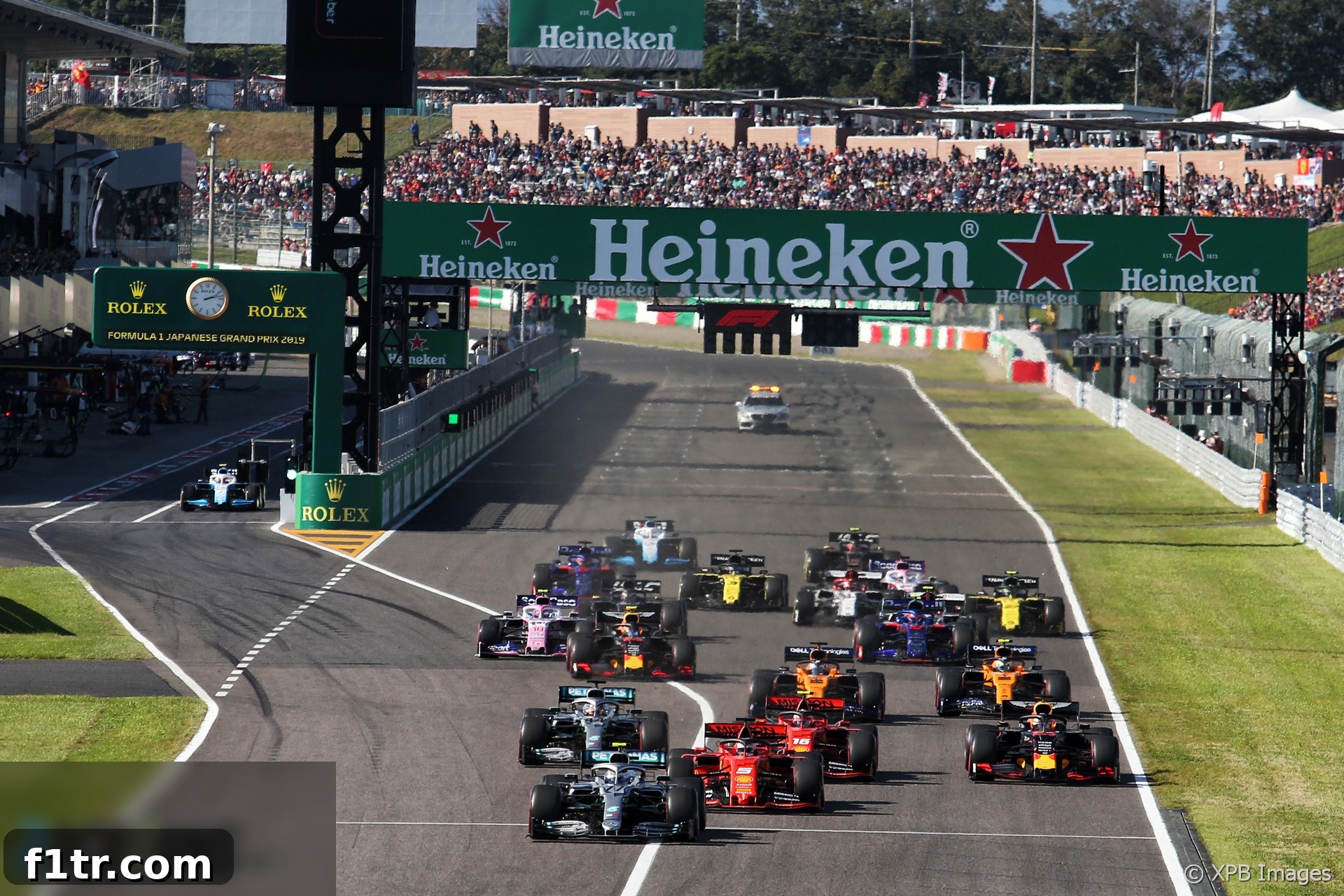
The iconic Suzuka Circuit, a true jewel in the crown of global motorsport, has officially secured its place on the Formula 1 calendar until at least the 2024 season. This highly anticipated announcement follows a new agreement forged between the legendary Japanese venue and Formula 1, much to the delight of fans, teams, and drivers worldwide. The extension underscores Suzuka’s enduring appeal and its critical role in Formula 1’s long-term strategy for growth and engagement, particularly within the vibrant Asian market. For decades, Suzuka has been synonymous with breathtaking racing, challenging layouts, and unforgettable championship moments, making its continued presence a cause for celebration among the motorsport community.
This news comes at a particularly poignant time for Japanese motorsport. The upcoming Japanese Grand Prix later this year is set to mark a significant milestone: the final appearance of Japanese engine manufacturer Honda as an F1 engine constructor at their home circuit. Honda, which notably owns Mobilityland, the operator of the Suzuka Circuit, will officially depart from the series at the close of the current season. This farewell will undoubtedly add an emotional layer to the race weekend, as fans gather to celebrate Honda’s incredible legacy and contributions to the sport, particularly their recent successes with Red Bull Racing and Scuderia AlphaTauri.
Suzuka’s Enduring Legacy: A Track Forged in History and Challenge
Suzuka Circuit is not merely a race track; it is a monument to motorsport engineering and driver skill. Uniquely designed by John Hugenholtz as a Honda test track, its figure-eight layout, complete with an overpass and underpass, sets it apart from almost every other circuit on the Formula 1 calendar. This distinct configuration contributes to its reputation as one of the most demanding and rewarding circuits in the world, a true driver’s paradise that pushes both man and machine to their absolute limits. Its high-speed corners, technical chicanes, and dramatic elevation changes demand precision, bravery, and unwavering commitment from every competitor.
Among its many challenging sections, the Esses, Degner curves, Spoon Curve, and the infamous 130R stand out as iconic tests of courage and car control. The Esses, a flowing sequence of high-speed bends, requires rhythmic precision, while the blind entry to Spoon Curve and the flat-out commitment through 130R are legendary. These corners have borne witness to countless heroic overtakes, nail-biting battles, and championship-defining moments throughout F1 history. Suzuka has been the backdrop for many significant events, including numerous world championship deciders, most notably the intense rivalry between Ayrton Senna and Alain Prost in the late 1980s and early 1990s, which etched the circuit’s name into Formula 1 folklore.
Historically, Suzuka has been the undisputed home of the Japanese Grand Prix. It has hosted an overwhelming majority – all but six – of the 37 rounds of the world championship held in Japan. While circuits like Fuji Speedway, which hosted Japan’s inaugural F1 race in 1976, and TI Aida (for the Pacific Grand Prix) have also played their part in Japanese motorsport history, Suzuka’s consistent presence since 1987 (with a brief hiatus in 2007-2008 when Fuji returned) solidifies its status as the spiritual home of Formula 1 in Japan. Its deep connection with the Japanese automotive industry, particularly Honda, further enhances its significance on the global stage.
Honda’s Grand Farewell: A Chapter Closes at Home
The upcoming Japanese Grand Prix will be imbued with a palpable sense of occasion, marking the culmination of Honda’s latest chapter as an F1 engine manufacturer. For decades, Honda has been an integral part of Formula 1, both as an engine supplier and a full-fledged constructor. Their rich motorsport heritage is interwoven with some of the sport’s greatest triumphs, including championship victories with McLaren in the late 1980s and their more recent, successful partnership with Red Bull Racing and Scuderia AlphaTauri, which culminated in a drivers’ championship in 2021.
The decision for Honda to withdraw from Formula 1 at the end of the 2021 season was driven by a strategic shift towards carbon neutrality and the development of future mobility technologies. While their official departure as a constructor will be felt throughout the paddock, their presence at Suzuka for their final home race will be a powerful moment. It represents a poignant farewell for a company deeply embedded in Japan’s industrial and sporting identity. The roar of Honda-powered engines echoing through the hallowed grounds of Suzuka for one last time in this capacity will be a tribute to their innovation, dedication, and the countless engineers and employees who poured their passion into Formula 1. This event will not only be a race but a celebration of a proud legacy and a heartfelt send-off from their home crowd.
Yuki Tsunoda: A New Era for Japanese Motorsport on Home Soil
The return of the Japanese Grand Prix also heralds a new and exciting era for Japanese motorsport, as it will be the first home event for the nation’s rising star, Yuki Tsunoda. Tsunoda, who made his Formula 1 debut in 2021 with Scuderia AlphaTauri, carries the hopes and dreams of an entire nation on his shoulders. His appearance at Suzuka marks the first time a Japanese driver has competed in their home Grand Prix since Kamui Kobayashi in 2014. This is a significant moment, not just for Tsunoda personally, but for the revitalization of Formula 1’s appeal within Japan.
The presence of a local hero on the grid provides an invaluable connection for the fans, igniting a sense of national pride and inspiring a new generation of aspiring racers. Tsunoda’s journey through junior categories and his impressive performances in Formula 1 have already captured the imagination of many. Racing in front of his home crowd at a circuit as revered as Suzuka will be an unforgettable experience for him and a massive draw for spectators. It bridges the gap between the global spectacle of F1 and the local passion for motorsport, offering Japanese fans a direct rooting interest and a tangible link to the pinnacle of racing. His energy and talent represent the future of Japanese representation at the highest level of motorsport.
Formula 1’s Strategic Vision: Deepening Roots in Asia
The extension of Suzuka’s contract is not merely a testament to the circuit’s popularity but also a strategic pillar in Formula 1’s broader vision for global expansion. As Formula 1 CEO Stefano Domenicali articulated, “This extension is part of our long-term commitment to growing the sport in Asia.” The Asian market, with its vast population and growing economic power, represents a critical frontier for Formula 1’s commercial and fan base growth. Securing established, high-quality venues like Suzuka is paramount to this strategy.
Formula 1 aims to cultivate deeper roots in the region, building on existing fan bases and attracting new audiences. This involves not only hosting thrilling races but also fostering local talent, engaging with communities, and showcasing the technological prowess and excitement of the sport. The stability offered by long-term contracts with circuits like Suzuka allows Formula 1 to plan for sustained engagement, implement fan-centric initiatives, and build robust commercial partnerships. A strong presence in Japan, a nation with a deep history in automotive engineering and motorsport, provides a solid foundation for further expansion into other key Asian markets, ensuring that Formula 1 remains a truly global spectacle with a diverse and passionate following.
Navigating Challenges: The Resilient Return of the Japanese Grand Prix
The path to securing Suzuka’s future has not been without its challenges. The world witnessed the unprecedented impact of the global Covid-19 pandemic, which forced the cancellation of the highly anticipated 2020 Japanese Grand Prix. This disappointment was keenly felt by fans, teams, and the local economy, highlighting the immense effort and logistical complexity involved in staging a Formula 1 event.
The ability of Formula 1 and Mobilityland to agree on this contract extension, despite the ongoing global health situation and its lingering uncertainties, speaks volumes about their commitment and resilience. It signifies a shared belief in the enduring power of motorsport to captivate and unite people, even in challenging times. The return of the Japanese Grand Prix after its hiatus is a beacon of hope and a testament to the meticulous planning, strict health protocols, and collaborative spirit required to bring large-scale international sporting events back to life safely. The return of the race will not only provide immense entertainment but also contribute significantly to the local economy, supporting countless businesses and jobs reliant on the influx of international visitors and domestic tourism. It symbolizes a step towards normalcy and the collective triumph over adversity for the sport.
The Future of Formula 1 in Japan: Beyond 2024
With Suzuka firmly entrenched on the Formula 1 calendar until at least 2024, the future of the Japanese Grand Prix looks bright. This commitment ensures that fans will continue to experience the thrill of F1 at one of its most revered venues. The blend of Suzuka’s challenging layout, the passionate Japanese fanbase, and the strategic importance of the Asian market creates a potent formula for continued success. As Formula 1 evolves with new regulations, sustainable technologies, and an ever-expanding global reach, circuits like Suzuka will remain cornerstones, upholding the sport’s rich traditions while embracing its progressive future.
The continuation of the Japanese Grand Prix at Suzuka is a victory for motorsport enthusiasts worldwide, guaranteeing that this legendary track will continue to write new chapters in Formula 1 history. It solidifies Japan’s place as a vital hub for global motorsport and offers exciting prospects for the sport’s development in Asia. From the emotional farewell of Honda to the rising star of Yuki Tsunoda, and F1’s unwavering commitment to the region, Suzuka’s extended tenure promises more thrilling races, unforgettable moments, and a vibrant future for Formula 1 in the Land of the Rising Sun.