The Unwavering Debate: Should Ferrari Retain its F1 Veto Power?
For decades, Ferrari has been an undeniable cornerstone of Formula 1, boasting an unparalleled legacy as the only team to have competed in every season since the championship’s inception in 1950. This storied history has afforded the Scuderia a unique privilege: a controversial veto power over proposed changes to the sport’s regulations. However, as Formula 1 navigates a critical juncture, with aspirations for greater competitiveness, sustainability, and global appeal, the relevance and fairness of this long-standing prerogative are once again under intense scrutiny. Several prominent rivals have voiced strong opinions, suggesting that it is time for Ferrari to relinquish this exceptional power, arguing for a more equitable and democratic governance structure within the pinnacle of motorsport.
The Genesis and Rationale of Ferrari’s Veto
The origins of Ferrari’s veto power are deeply rooted in the early days of Formula 1 and its complex relationship with the FIA (Fédération Internationale de l’Automobile). Legend has it that Enzo Ferrari himself negotiated this special clause, or at least laid the groundwork for it, back in the 1980s, primarily to safeguard Ferrari’s pivotal role and ensure the sport’s stability. At a time when Formula 1 was less commercially established and relied heavily on the prestige and participation of iconic marques like Ferrari, granting such a power was seen as a measure to guarantee the marque’s continued commitment and prevent rule changes that could fundamentally threaten its existence or unique identity within the sport. It was, in essence, an acknowledgment of Ferrari’s immense contribution, not just as a competitor but as a cultural icon synonymous with Grand Prix racing.
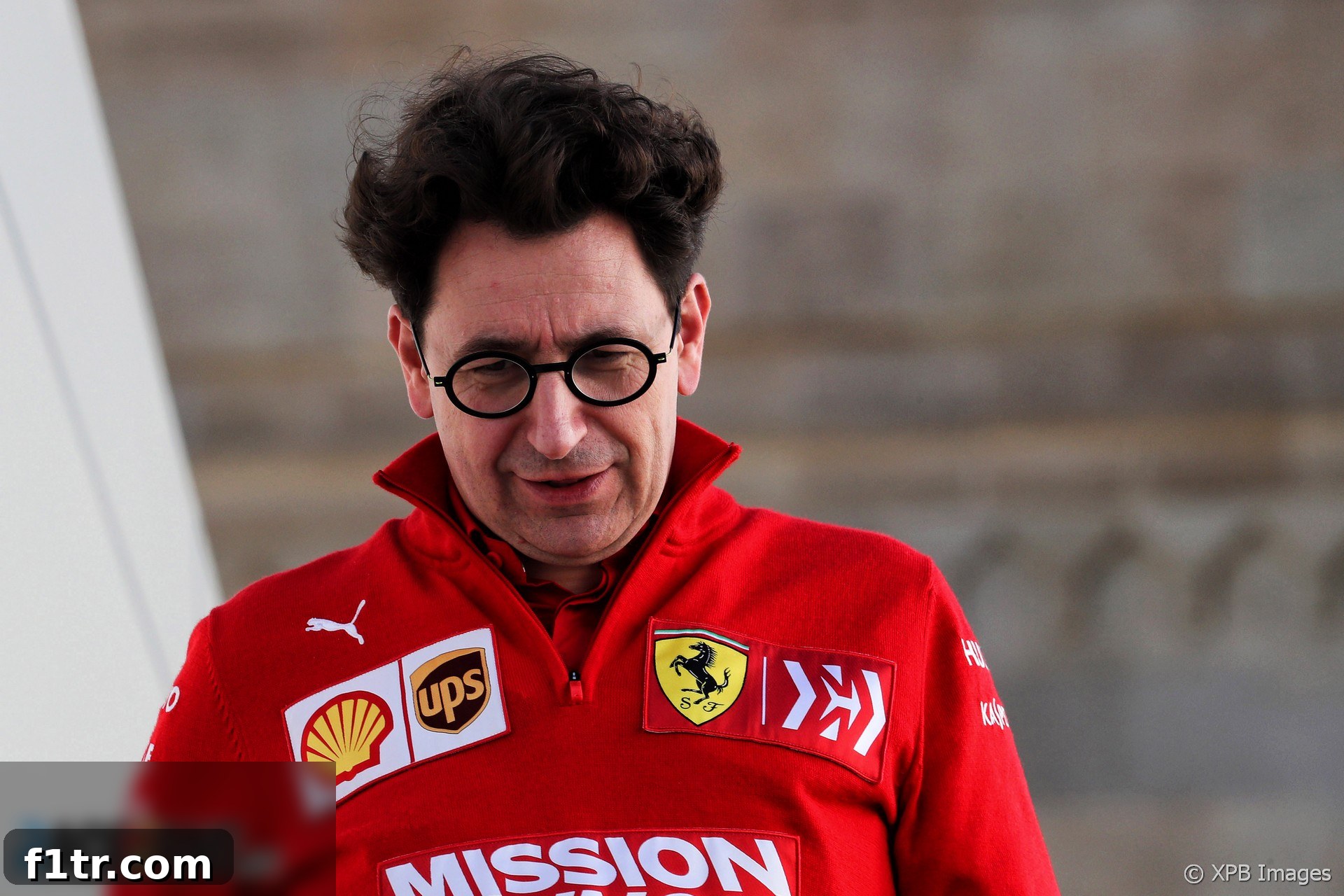
From Ferrari’s perspective, this veto is more than just a historical relic; it is a vital safeguard. Ferrari team principal Mattia Binotto has consistently defended the team’s controversial veto power, articulating that it serves to “protect” not only Ferrari’s interests but, by extension, those of all teams on the grid. The argument posits that Ferrari, with its deep-seated understanding of Formula 1’s heritage and technical intricacies, acts as a guardian against ill-conceived or hasty regulatory shifts that could inadvertently harm the sport’s core principles or destabilize its competitive landscape. They maintain that this power prevents a “tyranny of the majority” or short-sighted decisions that might prioritize immediate gains over long-term health, thus ensuring the preservation of Formula 1’s DNA.
The Growing Chorus for Change: Rivals Speak Out
Despite Ferrari’s justifications, a significant number of their competitors believe the veto power is an antiquated anomaly that no longer serves a constructive purpose in modern Formula 1. The sentiment among rival teams is that the sport has evolved beyond needing such a singular protective mechanism, particularly when it can be perceived as granting an unfair advantage or stifling genuine progress towards a more level playing field.
Christian Horner’s Call for Equality
Red Bull team principal Christian Horner has been a prominent voice among those skeptical of Binotto’s claims. When questioned by RaceFans during an FIA press conference, Horner candidly described the veto as “outdated.” He challenged the notion that Ferrari genuinely represents the collective interests of all teams. “You can say ‘OK, it’s a safety net for them representing the teams’,” Horner stated, “But ultimately they’re representing Ferrari. So probably if we’re going for a clean sheet of paper it would make sense for it not to be there and [have] the same rules for everyone.” Horner’s perspective underscores a fundamental desire for equal treatment and the elimination of any inherent structural advantages that might undermine the sporting merit of competition.
Zak Brown’s Pragmatic View
McLaren Racing CEO Zak Brown, while acknowledging Ferrari’s immense contribution to the sport, also humorously but pointedly dismissed the idea that one team could effectively represent the diverse interests of all competitors. He jokingly remarked that it was “very kind of him to offer to represent the teams’ interests.” Brown continued, “But I think we all have varying interests. Formula 1 themselves want to do what’s in the best of interest in the sport which I think is ultimately in the best interest of all of us and so we’re best having our own individual negotiations when and if that is appropriate.” He advocated for Formula 1’s commercial rights holder and the FIA to primarily dictate regulatory changes, acting in the sport’s holistic best interest, rather than delegating such power to a single participant. Brown added, “Ferrari bring a tremendous amount to the sport and that can be recognised in other ways,” suggesting that their historical significance could be honored through alternative means, such as financial bonuses or special branding, without granting them legislative authority.
Claire Williams: Towards a Less Democratic Sport
Claire Williams, then deputy team principal of Williams Racing, offered an even broader critique of Formula 1’s governance structure, arguing that the sport is “far too democratic” in its current form. Her firm stance suggested that the sport needs to be less beholden to the individual interests of all teams, including Ferrari. “I’ve been quite open about that,” Williams declared. “I feel that F1 and FIA should take more ownership of the regulations. We run it too much in a collegiate way which is detrimental when we all have our own agendas.” Her concern was rooted in the belief that when too many parties with conflicting agendas have a say, it becomes exceedingly difficult to make decisive, forward-thinking decisions that truly benefit the sport as a whole. From this perspective, the Ferrari veto is merely an exacerbated symptom of a larger problem, concentrating too much power in the hands of a participant. She concluded emphatically, “We need to be looking at this sport and its sustainability into the future and protecting it and protecting the true DNA of that. Doing that by committee can be very difficult. I really don’t feel that one team should have a right of veto. That makes no sense to me at all.”
Implications for Formula 1’s Future and Governance
The debate surrounding Ferrari’s veto power touches upon fundamental questions about Formula 1’s governance, fairness, and long-term trajectory. In an era where cost caps, engine freezes, and radical new aerodynamic rules are aimed at promoting closer racing and greater financial stability, the existence of a single team’s ability to block such initiatives seems increasingly anachronistic. Critics argue that it can hinder progress, perpetuate an uneven playing field, and ultimately detract from the competitive spectacle that fans crave.
Furthermore, the veto power can be perceived as an anti-competitive measure, potentially giving Ferrari an undue influence in shaping regulations to its strategic advantage. This perception can erode trust among teams and create an environment where decisions are not always made with the collective good in mind. As Formula 1 strives to attract new manufacturers and audiences, ensuring transparency, fairness, and a robust, independent regulatory process is paramount.
The ongoing discussions around the Concorde Agreement – the commercial contract between the FIA, Formula 1, and the teams – often bring the veto power to the forefront. Any significant change to its status would likely be a key negotiation point in future iterations of this agreement. Removing or modifying the veto would signify a shift towards a more centralized, decisive leadership model for Formula 1, empowering the FIA and Liberty Media (F1’s commercial rights holder) to steer the sport more directly towards their shared vision for its future.
Moving Forward: Seeking a Balanced Solution
The challenge lies in finding a solution that respects Ferrari’s unique history and contribution to Formula 1, while simultaneously ensuring that the sport operates under a governance model that is perceived as fair, transparent, and conducive to its long-term health and competitiveness. One approach could be to remove the veto entirely, as many rivals advocate, and instead acknowledge Ferrari’s special status through other means, such as enhanced financial recognition, unique branding opportunities, or a guaranteed historical presence in various F1 forums.
Another option might involve redefining the scope of the veto, limiting its application to only the most fundamental and existential changes to the sport’s technical or sporting regulations, requiring an even higher threshold or broader consensus, or tying it to specific performance metrics rather than simply historical presence. Such a compromise could potentially address concerns about fairness while still providing a diluted form of protection for Ferrari.
Ultimately, the conversation about Ferrari’s veto power is emblematic of Formula 1’s constant evolution. As the sport moves into a new era defined by technological innovation, environmental consciousness, and a fervent global fanbase, decisions about its governance structure must prioritize the collective future over individual historical privileges. A truly sustainable and thriving Formula 1 will likely be one where every team, regardless of its legacy, operates under the same fundamental rules, contributing to a truly meritocratic championship.
Further Reading: Understanding Formula 1’s Dynamic Landscape
Browse all 2019 F1 season articles