Formula 1, the pinnacle of motorsport, is a sport constantly evolving, not just on the track with breathtaking innovations and fierce competition, but also behind the scenes through its intricate technical and sporting regulations. As the 2020 season approached, the FIA (Fédération Internationale de l’Automobile), the sport’s governing body, introduced a series of significant adjustments designed to enhance fairness, improve safety, control costs, and boost fan engagement. These changes touched upon critical aspects, from the traditional method of signaling the end of a race to the meticulous management of fuel and the presentation of cars during crucial pre-season testing. This article delves into the details of these pivotal regulatory shifts, exploring their implications for teams, drivers, and the global F1 audience, and highlighting the ongoing commitment to refine the sport for future success.
Return to Tradition: The Chequered Flag Reinstated as Official Race End Signal
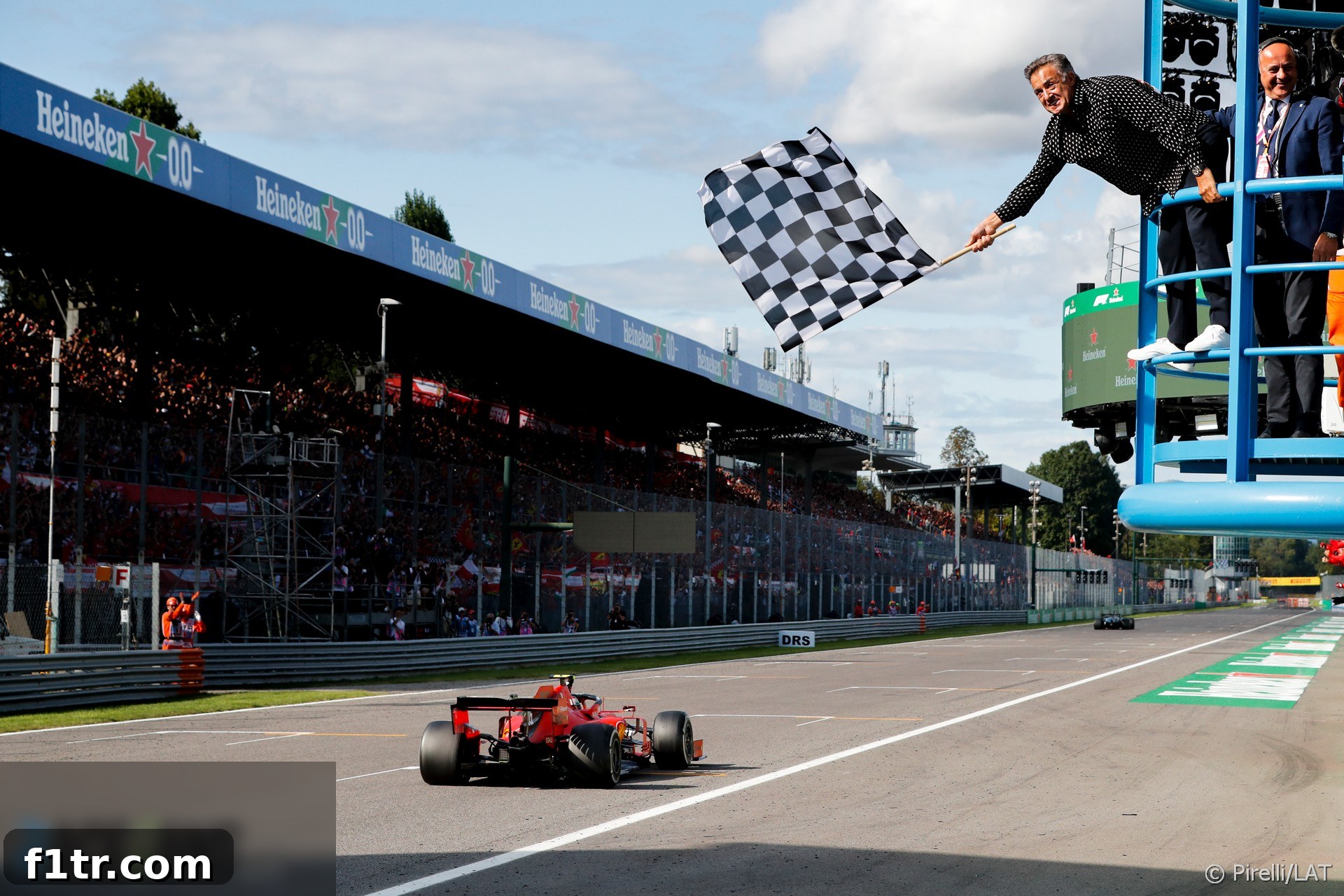
One of the most notable and symbolic changes for the 2020 Formula 1 season was the decision to revert to the traditional chequered flag as the official signal for the end of a race. This move came in direct response to a significant technical glitch experienced during the 2019 Japanese Grand Prix. In that particular race, an electronic light panel, which had been introduced as a supplementary or even primary signal alongside the physical flag, was deployed a full lap too early. This error caused confusion among teams and drivers and, crucially, led to the official race distance being shortened, with results declared based on the lap prior to the premature signal. The incident had real-world consequences, impacting driver standings and even influencing points distribution, as demonstrated by Sergio Perez scoring points despite crashing out a lap later than the official race termination.
The chequered flag holds a revered place in motorsport history, instantly recognizable as the definitive mark of victory and conclusion. Its return to sole official status underscores a preference for reliability and tradition over nascent technology that proved fallible in a high-stakes environment. While the electronic panel was conceived with good intentions, possibly aiming for greater precision or to overcome visibility issues in adverse conditions, its premature activation highlighted the critical importance of an unambiguous and foolproof end-of-race signal. The FIA’s swift decision, agreed upon by the World Motor Sport Council, reflects a pragmatic approach: when technology falters, reliance on time-tested methods becomes paramount. This change not only reinforces the sport’s iconic imagery but also guarantees clarity and avoids potential disputes regarding race classifications, ensuring that the spectacle on the track concludes without question or error.
Enhanced Fuel Regulation Scrutiny for the 2020 F1 Season
The integrity of competition in Formula 1 is heavily dependent on strict adherence to technical regulations, particularly concerning fuel. The 2020 F1 season introduced critical new wording to the technical and sporting regulations relating to the sampling and testing of fuel, explicitly incorporating references to fuel declarations. This regulatory update was a direct consequence of a significant controversy that arose during the 2019 Abu Dhabi Grand Prix. In that incident, the Ferrari team was found to have loaded approximately five kilograms more fuel into Charles Leclerc’s car than had been declared to the FIA. While Ferrari initially faced scrutiny and subsequent penalties for similar infringements throughout the season, this particular instance highlighted a loophole or ambiguity in the existing declaration process.
Fuel regulations in Formula 1 are multifaceted, encompassing not only the total quantity of fuel used during a race but also its composition and flow rate. Teams are required to declare the amount of fuel loaded into their cars before the race, a declaration that plays a crucial role in performance calculations, strategy planning, and ensuring compliance. A discrepancy of nearly five kilograms is substantial in F1 terms, potentially offering a competitive advantage through increased engine power output or simply by allowing for a more aggressive race strategy without the concern of fuel saving. The FIA’s revised regulations aim to eliminate any such ambiguities, mandating clearer and more precise fuel declarations and enabling more stringent sampling and testing protocols throughout race weekends. This commitment to robust oversight is vital for maintaining a level playing field, preventing unfair performance gains, and upholding the credibility of the sport in the eyes of competitors and fans alike.
Boosting Fan and Media Engagement: Winter Testing Transparency
Pre-season winter testing is a pivotal period for Formula 1 teams, offering the first real opportunity to assess their new cars, test innovations, and gather crucial data ahead of the championship season. Historically, this period has also been a highly secretive affair, with teams often employing various tactics, including elaborate covers and screens, to hide their car’s aerodynamic features and technical details from prying eyes – particularly those of rival teams and media photographers. For the 2020 F1 season, the FIA introduced a new regulation specifically designed to prevent teams from covering their cars during winter testing sessions. The stated objective behind this change was to make these events significantly “more appealing to the media and fans.”
The decision marks a shift towards greater transparency, recognizing the immense public interest in the sport even before the official season commences. Winter testing sessions, held primarily at circuits like Barcelona, often provide the first glimpse of the year’s new challengers, sporting fresh liveries and incorporating cutting-edge design elements. By preventing teams from obscuring their cars, the FIA aimed to allow media and fans an unobstructed view of these engineering marvels. This move fosters a greater connection between the sport and its audience, generating buzz and excitement as enthusiasts eagerly scrutinize every detail for clues about performance and design philosophy. While teams might view this as a minor strategic disadvantage, potentially revealing technical secrets prematurely, the FIA’s prioritization of fan engagement highlights the importance of accessibility and openness in promoting the global appeal of Formula 1. It’s a delicate balance between competitive secrecy and public spectacle, with the FIA leaning towards the latter to energize the sport’s base.
Standardization for 2021: Single Supplier for 18-inch Wheel Rims
Looking ahead to the transformative 2021 F1 season, which promised a radical overhaul of technical regulations, the FIA initiated several changes aimed at creating a more equitable and cost-effective sport. Among these was the appointment of a single supplier for wheel rims. Following a rigorous tender process, BBS, a renowned manufacturer in motorsport, was selected to supply the new 18-inch rims. This decision was not made in isolation; it followed an extensive consultation phase involving the F1 teams and BBS, conducted under the expert arbitration of the FIA Technical Department. This collaborative approach ensured that while standardization was the goal, practical considerations and minor adjustments to the initial specifications were incorporated, gaining approval from all stakeholders.
The transition to 18-inch wheels from the long-standing 13-inch standard represents a significant technical evolution for Formula 1, aligning it more closely with road car technology and providing a more modern aesthetic. Beyond the visual change, the move to a single wheel rim supplier serves multiple strategic purposes. Firstly, it aims to reduce development costs for individual teams, as they no longer need to design and produce their own rims or engage in proprietary supply agreements. Secondly, it contributes to performance parity, ensuring that all teams operate with identical fundamental components, thereby shifting the competitive focus towards other areas of car design and engineering. This standardization is a cornerstone of the broader 2021 regulations, which sought to make the sport more sustainable and competitive, allowing smaller teams a better chance to challenge the established giants. The appointment of a single, high-quality supplier like BBS ensures reliability and consistent performance across the grid, a crucial factor in a sport where precision is paramount.
Precision and Parity: Single Suppliers for Fuel System Components
Continuing the theme of cost reduction and fostering greater competitive parity, the FIA also confirmed the appointment of single suppliers for critical components within the fuel system, effective from the 2021 F1 season. Magneti Marelli was selected to produce the fuel primer pumps, while Bosch was awarded the contract to supply high-pressure fuel pumps and associated piping. These decisions, much like the wheel rim tender, were the culmination of a comprehensive period of consultation involving the prospective suppliers, all participating F1 teams, and the various power unit manufacturers. This collaborative process ensured that the chosen components met the stringent performance, reliability, and safety standards required in Formula 1, while also addressing the practical integration needs of diverse engine designs.
Fuel pumps and their associated systems are vital for the efficient and consistent delivery of fuel to the high-performance hybrid power units used in modern Formula 1. Any inconsistency or failure in these components can have severe implications for performance, reliability, and even safety. By standardizing these parts through single suppliers, the FIA sought to achieve several key objectives. Primarily, it aims to significantly reduce the research, development, and manufacturing costs that teams and power unit manufacturers would otherwise incur. This measure helps to rein in the escalating budgets in F1, a persistent challenge for the sport. Furthermore, it ensures that all competitors benefit from the same high-quality and reliable components, removing any potential performance advantage that could arise from superior proprietary fuel pump technology. This move underscores the FIA’s strategic direction towards creating a more level playing field, where success is increasingly determined by aerodynamic innovation, driver skill, and strategic acumen, rather than by an arms race in every conceivable component category.
Looking Ahead: The Evolving Landscape of Formula 1 Regulations
The regulatory changes introduced for the 2020 and 2021 Formula 1 seasons demonstrate the FIA’s proactive approach to shaping the future of the sport. From restoring the iconic chequered flag to implementing stricter fuel declaration rules and fostering greater transparency during winter testing, these adjustments are carefully crafted to enhance the core tenets of F1: fairness, excitement, and technological relevance. The strategic shift towards standardized components, such as 18-inch wheel rims and crucial fuel system parts, signifies a broader commitment to sustainability, cost control, and competitive balance, aiming to make Formula 1 more accessible and fiercely contested for all teams. These decisions reflect a dynamic regulatory landscape, constantly striving to maintain Formula 1’s position as the pinnacle of global motorsport while ensuring its long-term viability and appeal to a worldwide audience.