Formula 1 Drivers Oppose Weekly Sprint Races, Urge Focus on Grand Prix Purity
The exhilarating world of Formula 1, steeped in tradition and the pursuit of ultimate speed, is currently grappling with a fundamental question regarding its race weekend format. Following an announcement by MotoGP to implement sprint races at every round in 2023, the debate over F1’s own experimental sprint format has intensified. While Formula 1 has tentatively introduced a limited number of sprint events each season, key figures within the sport, most notably its star drivers, have unequivocally voiced their apprehension about adopting a weekly sprint schedule, arguing it could dilute the very essence of Grand Prix racing.
The Evolving Landscape of Motorsport Race Weekends
Motorsport series worldwide are continuously exploring innovations to enhance spectacle, attract new audiences, and provide more value for broadcasters and sponsors. One such innovation, the sprint race, has gained traction in recent years. MotoGP’s radical decision to feature a sprint race every Saturday after qualifying, preceding the main Grand Prix on Sunday, marks a significant shift for the motorcycle series. This move has naturally sparked comparisons and discussions within Formula 1, which began experimenting with a similar, albeit more conservative, format in 2021.
Formula 1’s foray into sprint races has seen three events held per season so far, designed to provide an additional layer of excitement and potentially shake up the grid for Sunday’s main race. However, the prospect of escalating this to a full-time fixture, mirroring MotoGP’s ambitious plan, has met with considerable resistance from those directly involved in the competition.
Drivers Voice Concerns: The Specter of Weekly Sprint Races
The sentiment among Formula 1 drivers appears to be largely against the idea of making sprint races a regular occurrence on the calendar. Their concerns span various aspects, from preserving the unique prestige of the Sunday Grand Prix to the practical implications for strategy, safety, and the demanding schedules already faced by teams and personnel.
Max Verstappen: Preserving the Grand Prix’s Special Status
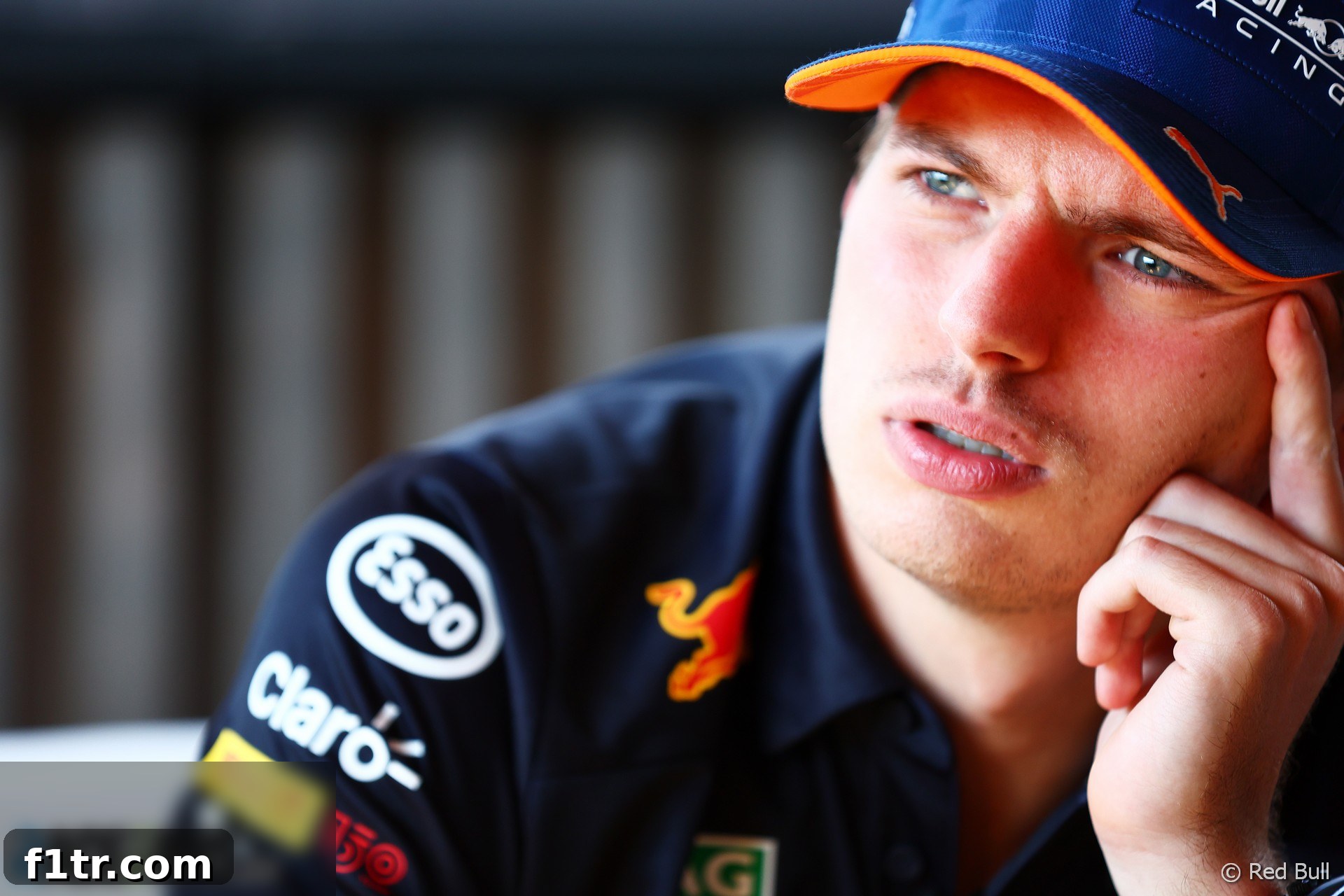
Reigning world champion Max Verstappen, a dominant force in Formula 1 and winner of both sprint events held so far this year, has been particularly vocal in his disapproval. He articulated a strong belief in the sanctity of the Sunday race, emphasizing its historical and emotional significance.
“I would not enjoy it,” Verstappen openly admitted when asked about the possibility of weekly sprints. “I just don’t like it. I think that Sunday emotion and feeling should be special. That’s the only time you race. That’s how I grew up racing, anyway: Sunday is the day to race.”
Verstappen’s critique extends beyond emotional attachment, delving into the strategic dynamics of the sprint format itself. He argues that the current sprint races often fall short of delivering truly exciting or unpredictable outcomes, primarily due to the conservative approach drivers are compelled to adopt. With championship points and grid positions for the main event at stake, drivers are naturally hesitant to take significant risks.
“Anyway, so far, from the sprint races we’ve had, not a lot has drastically changed in terms of results,” he observed. “More or less everyone starts on the same tyre and that’s where you finish because you are scared to have a crash or whatever, because then you start in the back for the main race where the big coins are.”
This cautious mentality, driven by the desire to avoid jeopardizing the far more valuable Sunday Grand Prix, leads to races that are often processional, according to Verstappen. “Everyone is also a bit like, ‘okay, just make sure we finish the race without any trouble.’ So that’s not what you want really,” he concluded, highlighting the format’s failure to foster aggressive, no-holds-barred racing.
Yuki Tsunoda: Sprints as a Special Event, Not a Regular Feature
AlphaTauri driver Yuki Tsunoda echoed Verstappen’s sentiments, expressing surprise at MotoGP’s decision and questioning the benefit of a widespread sprint qualifying format in F1. For Tsunoda, the charm of sprint races lies in their rarity and the unique element they bring when introduced occasionally.
“I don’t think there’s a benefit to every race weekend doing sprint qualifying,” Tsunoda stated. “Sprint qualifying is kind of a special thing to have rather than just doing every race weekend and that’s why sprint qualifying is fun to watch sometimes.”
He emphasized that the special nature of these events contributes to their appeal, suggesting that their ubiquity would diminish their impact. Furthermore, Tsunoda pointed to the already demanding schedule faced by Formula 1 teams and drivers, hinting that additional competitive sessions would place an undue burden on an already “busy, tight schedule.” The physical and mental toll of a full Grand Prix weekend, combined with extensive travel and media obligations, makes the prospect of adding more high-intensity racing sessions less appealing for those directly involved.
Valtteri Bottas: A Call for More Action, Less Practice
While sharing his colleagues’ reluctance for a calendar saturated with sprint events, Valtteri Bottas, the experienced Alfa Romeo driver, offered a slightly nuanced perspective. He aligned with F1 President Stefano Domenicali’s recent call to reduce the amount of practice time during race weekends, advocating for a shift towards more competitive action.
“I don’t think we need to have sprints every weekend,” Bottas clarified, but quickly added, “But just less practice.”
Bottas’s preference leans towards maximizing track time with meaningful competition rather than extensive, often less exciting, practice sessions. He believes that reducing practice and replacing it with some form of immediate action, potentially even a sprint, could be beneficial. “At the moment if I would choose sprint or not sprint I would say sprint just because immediately we’re straight into action on Friday,” he explained. This suggests a desire for an earlier start to competitive running, transforming Friday from a purely testing day into one with immediate stakes, without necessarily endorsing the concept of a sprint race every single weekend.
Behind the Push for Sprint Races: Series’ Motivations
It is crucial to understand the motivations behind motorsport series’ inclination towards sprint races, despite driver reservations. From a commercial and entertainment perspective, sprint races offer several potential advantages. They provide an additional competitive session, theoretically increasing viewership and engagement on Saturdays, which are traditionally dominated by qualifying and potentially lengthy practice sessions. This can translate into more advertising slots, higher broadcast rights value, and greater exposure for sponsors.
Furthermore, sprint races are intended to add an element of unpredictability to the race weekend. A different starting grid or an unexpected outcome in the sprint could shake up the order for Sunday’s main event, leading to more exciting racing and overtakes. They also offer a different strategic challenge, with shorter distances and often mandatory tire choices creating unique scenarios for teams to navigate. For new fans, a shorter, more intense race might be perceived as more accessible and easier to follow than a full Grand Prix, potentially broadening the sport’s appeal.
The Downsides: Risks, Resources, and Race Integrity
Beyond the drivers’ immediate concerns about the sanctity of the Grand Prix, there are broader implications to consider. A significant increase in competitive mileage inherently raises the risk of accidents. For teams, particularly those with smaller budgets, this means a greater strain on resources. Damaged parts, particularly expensive components like wings or floor elements, can quickly deplete a team’s budget, potentially hindering their development efforts throughout the season. This financial impact is especially pertinent in the era of Formula 1’s budget cap.
Moreover, there’s the genuine risk of fan fatigue. While a novel sprint format can initially be exciting, overexposure might lead to a dilution of its special appeal, making both the sprint and potentially even the main Grand Prix feel less significant. Maintaining the prestige and exclusivity of the Formula 1 Grand Prix weekend is paramount to its long-term appeal, and a delicate balance must be struck between innovation and tradition.
Balancing Act: Finding the Optimal F1 Weekend Format
The ongoing debate highlights the complex challenge facing Formula 1 management: how to evolve the sport to remain relevant and exciting for new generations of fans, while simultaneously respecting its rich history and the preferences of its core participants. The drivers’ unified stance against weekly sprint races offers a powerful counterpoint to the commercial pressures and desires for increased spectacle.
A potential middle ground might involve a selective approach to sprint races, perhaps continuing with a limited number of events strategically placed at circuits that are conducive to exciting sprint racing. This would preserve their “special” status, as suggested by Tsunoda, and prevent the oversaturation that could lead to driver fatigue, increased costs, and a diminished sense of occasion for the main Grand Prix.
The discussion around reducing practice sessions, as advocated by Bottas and Domenicali, presents another avenue for change. Shortening practice and introducing more competitive elements earlier in the weekend could offer increased action without necessarily resorting to a full sprint race at every event. This could involve revised qualifying formats or other innovative sessions that heighten the stakes on Fridays.
Conclusion: The Future of Sprint Races in Formula 1
As Formula 1 continues its journey of global expansion and innovation, the format of its race weekends will remain a critical area of focus. While the pursuit of enhanced entertainment is understandable, the strong opinions expressed by drivers like Max Verstappen, Yuki Tsunoda, and Valtteri Bottas serve as a vital reminder of the sport’s intrinsic values. The overwhelming sentiment from the cockpit is clear: the Grand Prix must remain the ultimate prize, a unique and unblemished spectacle. The series faces the task of carefully navigating these diverging interests, ensuring that any future modifications to the race weekend format genuinely enrich the sport without undermining the very foundations that have made Formula 1 a global phenomenon.