Revitalizing the Race: F1 Track Layout Changes at Yas Marina and Albert Park Promise Enhanced Spectacle
Formula 1 fans and drivers alike are eagerly anticipating a new era of thrilling competition, thanks to significant layout revisions at two iconic circuits: Yas Marina in Abu Dhabi and Albert Park in Australia. These strategic modifications, aimed at boosting overtaking opportunities and improving race dynamics, are set to redefine the challenge for teams and deliver a more captivating spectacle for audiences worldwide.
The sport’s continuous pursuit of excitement has often led to discussions about track layouts that, while picturesque or technically demanding, sometimes hinder close wheel-to-wheel racing. The upcoming changes represent a proactive step to address these concerns, focusing on creating layouts that encourage aggressive driving, diverse strategies, and ultimately, more memorable Grands Prix.
Yas Marina Circuit: A Bold Transformation for Abu Dhabi’s Season Finale
The Yas Marina Circuit, renowned for its stunning architecture and twilight races, has historically faced criticism for a lack of overtaking, often leading to processions rather than fierce battles. Recognising this, extensive modifications have been meticulously planned and are now underway, promising to inject new life into the season-ending Abu Dhabi Grand Prix. The goal is clear: transform the track from a challenging, high-downforce circuit into one that rewards bravery and tactical brilliance.
Key among these revisions is the dramatic simplification of the sequence leading into the Turn 5 hairpin. The existing chicane at Turns 4 and 5, which often hampered flow and made close following difficult, is being completely removed. This change creates a much faster, more direct approach into the subsequent left-hander, increasing cornering speeds and potential slipstream opportunities down the following straight. Drivers will now carry significantly more speed into this section, demanding greater precision and offering improved chances for late braking overtakes.
Further down the track, the complex series of corners from Turns 11 to 14, previously a slow and intricate section, is being replaced by a single, sweeping, banked left-hand curve. This high-speed alteration is designed to be a game-changer, fostering multiple racing lines and encouraging cars to run side-by-side through what was once a bottleneck. The banking will allow drivers to carry immense speed, placing higher demands on tire management and car stability, while simultaneously opening up new strategic avenues for positioning before the next sequence of turns. The concept of banking in modern F1 track design has proven successful in promoting closer racing elsewhere, and its inclusion here is expected to yield similar benefits.
Additionally, the final sector, particularly the hotel section, will see modifications to open up four of its corners. These changes are intended to streamline the flow, reduce the accordion effect often seen in tight sequences, and prevent cars from losing too much time and downforce when following closely. By creating wider entry and exit points, the revised final sector aims to maintain momentum and allow drivers to stay within attacking distance, leading to more sustained pressure and last-lap drama.
Albert Park Circuit: Accelerating the Australian Grand Prix Experience
Work on the Albert Park Circuit, home to the Australian Grand Prix, commenced earlier in the year, focusing intently on increasing the average speed of the lap and enhancing the racing spectacle. The Melbourne track, nestled within a picturesque parkland, has always been a fan favourite, but similar to Yas Marina, it has often been criticised for being difficult to overtake on, particularly with the wide, ground-effect F1 cars of recent years.
One of the most significant changes involves the chicane at Turns 9 and 10. Previously a slower, tighter section, this complex is being made considerably more flowing. The redesigned layout will allow cars to carry much higher speeds through this left-right combination, creating a longer effective straight into the next major braking zone. This increased speed will generate more prominent slipstream opportunities, giving drivers a stronger chance to challenge their rivals on the run towards Turn 11. The aspiration is to turn a frustrating section for following cars into a prime overtaking hotspot.
Further improvements include the removal of the negative camber at the Turn 13 right-hander. Negative camber, while challenging, can make it harder for cars to run side-by-side through a corner, as it naturally pulls the car towards the inside. By removing this, the track will become more forgiving and enable drivers to explore different lines, facilitating closer racing and allowing for more adventurous overtaking attempts. This seemingly minor adjustment can have a substantial impact on racing dynamics, encouraging a wider, more diverse racing line that keeps competitors guessing.
Several other corners across the circuit have also been strategically widened. This seemingly simple change is crucial for modern Formula 1 cars, which are highly sensitive to turbulence when following closely. Wider corners provide drivers with more room to manoeuvre, allowing them to take different lines to mitigate dirty air effects and maintain proximity to the car ahead. This is particularly vital in the early stages of a race or during safety car restarts, where close-packed fields often struggle to find clear air. The added width promises to unlock more dynamic racing throughout the entire lap.
In addition to these structural alterations, the entire Albert Park circuit has undergone a complete resurfacing. This comprehensive update is expected to eliminate the characteristic bumps that have been a feature of the track for years. A smoother surface will not only improve driver comfort and confidence but also allow for more consistent car performance and potentially reduce the incidence of punctures or mechanical stress. The new tarmac could also offer increased grip levels, pushing the cars and drivers further and contributing to faster lap times, thereby elevating the overall pace and excitement of the Grand Prix.
Driver Enthusiasm and the Quest for Better Racing
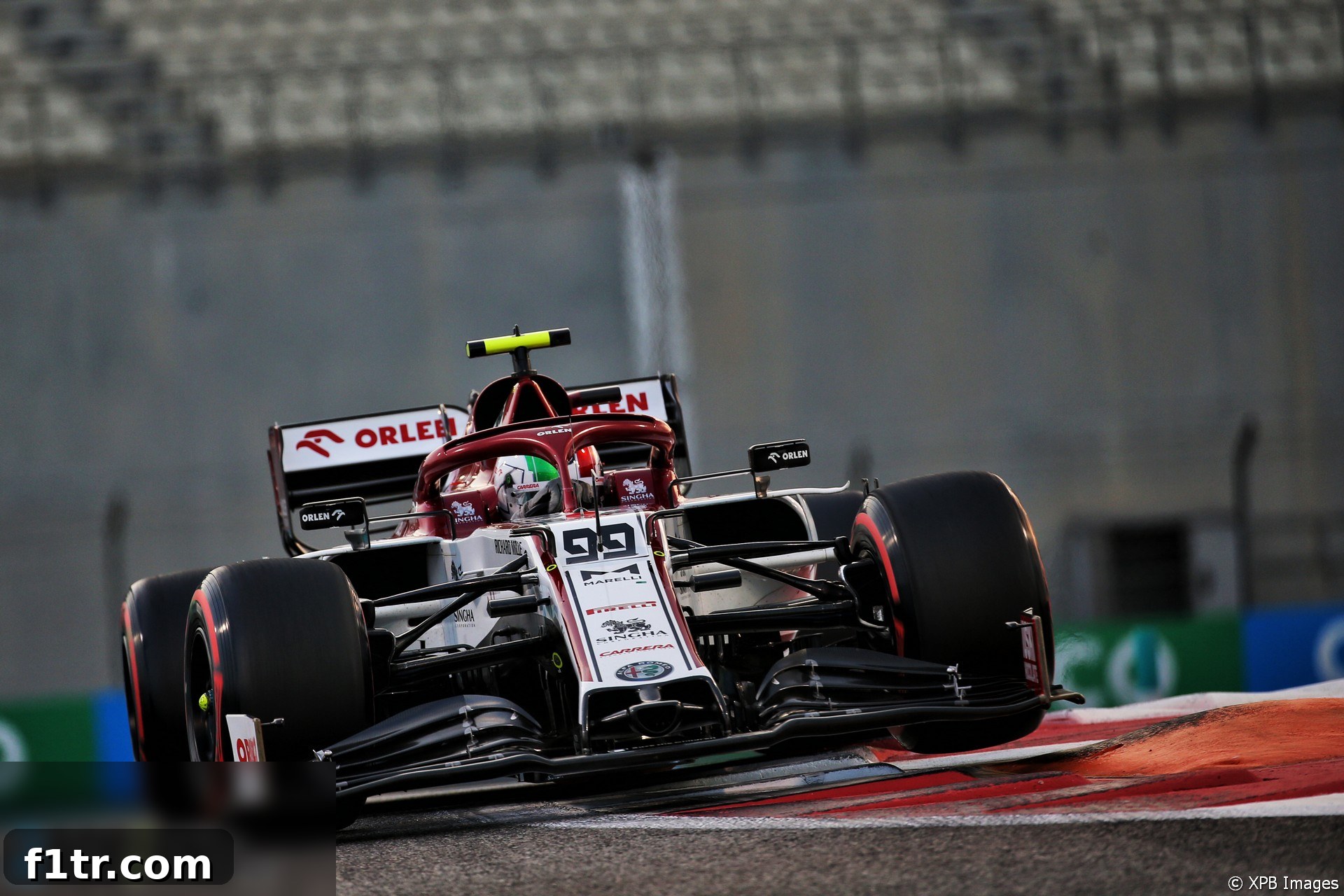
The proposed changes have been met with widespread approval from the drivers, who are, after all, the ultimate arbiters of a track’s racing quality. Both Alfa Romeo’s Antonio Giovinazzi and Red Bull’s Sergio Perez have voiced their optimism, believing these alterations will significantly enhance the racing experience at both venues.
“I think it’s a good thing, definitely, to try to improve the racing,” commented Sergio Perez. He specifically highlighted Abu Dhabi, stating, “Abu Dhabi, for example, it’s a great track, but sometimes the racing tends to be a bit on the boring side. And so hopefully if that works, there are potentially other circuits that can do something about it as well.” Perez’s sentiment echoes a common desire within the F1 paddock for circuits that actively promote overtaking, not just offer a high-speed challenge.
The core philosophy behind raising the average speed of both tracks, particularly through the introduction of more high-load corners, is directly linked to fostering overtaking. Higher speeds and greater cornering forces place increased demands on the tires. This elevated stress can accelerate tire degradation, prompting teams to consider more aggressive and varied pit stop strategies beyond the single-stop approach typically seen at these tracks. A wider range of viable strategies means more unpredictable races, greater tension, and more opportunities for cars to be out of sync, leading to battles on track.
Antonio Giovinazzi reinforced this perspective, expressing his enthusiasm for any change that leads to improved racing. “We’ll see. I think if we can have a better race, it’s just better,” he remarked. “We don’t care if it will be a different track and everything, but if we can overtake, if we can have more possibilities to overtake, then why not? It’s good.” He specifically pointed to the benefits for Melbourne: “For Melbourne I think it is the right one because we can have a long straight there and it can make our life a little bit more easy to overtake. For Abu Dhabi as well. But we need to wait after the weekend and we can understand if it’s better or not.” His practical outlook highlights the fundamental desire of every racer: the chance to genuinely compete and pass their rivals.
Veteran driver Fernando Alonso, known for his incisive opinions on track design and racing, has also publicly endorsed the planned changes at Yas Marina. His approval, from a driver with such extensive experience across numerous F1 eras and circuits, lends significant credibility to the modifications. Alonso’s support underscores the notion that these changes are not merely cosmetic but fundamentally address aspects critical to competitive racing.
The Future of F1 Circuit Design: Balancing Tradition and Spectacle
These ambitious track renovations at Yas Marina and Albert Park are more than just isolated projects; they signal a broader commitment within Formula 1 to prioritize racing spectacle. In an era where technological advancements can sometimes make overtaking more challenging, strategic alterations to circuit layouts become vital. The focus on increasing average speeds, creating more flowing sections, and widening corners reflects a modern philosophy aimed at maintaining the thrill of F1 while adapting to the unique characteristics of contemporary racing cars.
The investment in these changes is substantial, both in terms of financial resources and engineering effort. It highlights the value placed on the fan experience and the long-term health of the sport. As F1 continues to expand its global reach and attract new audiences, delivering consistently exciting races is paramount. These circuit modifications serve as a testament to the sport’s willingness to evolve and innovate, ensuring that classic venues remain relevant and continue to deliver unforgettable moments for generations to come.
Ultimately, the success of these revisions will be judged on race day. Will the new layouts truly unlock more overtaking, create greater strategic diversity, and lead to closer, more unpredictable finishes? The anticipation is palpable, and the motorsport world waits with bated breath to see if these bold steps will usher in a new era of enhanced racing drama.