Formula 1’s Moral Crossroads: Navigating Human Rights Concerns in Qatar
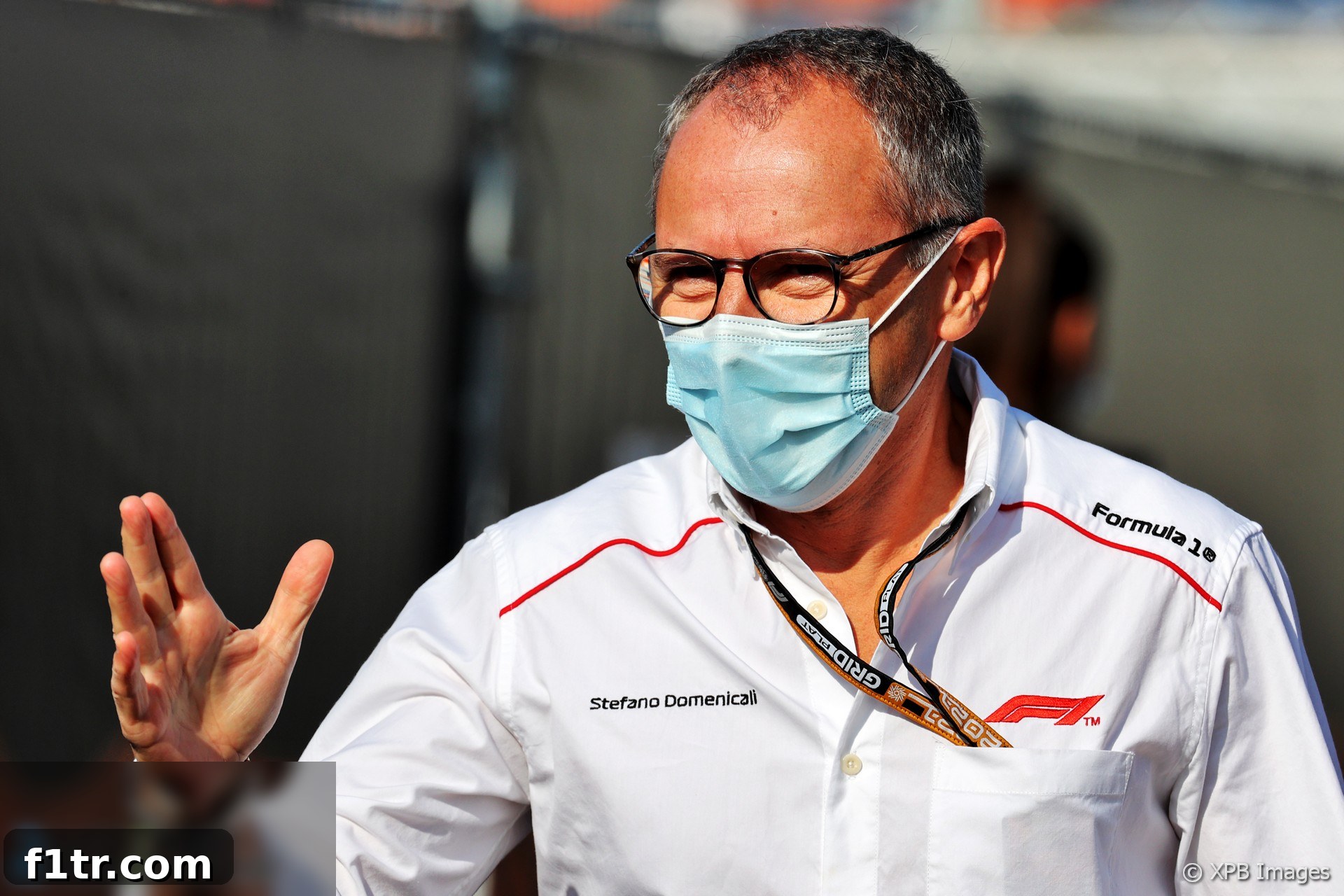
Formula 1, the pinnacle of motorsport, frequently finds itself at the intersection of high-octane racing and complex geopolitical realities. As the sport expands its global footprint, particularly into emerging markets, it faces increasing scrutiny over the human rights records of its host nations. A recent point of contention arose with the addition of Qatar to the F1 calendar, prompting Formula 1 CEO Stefano Domenicali to address concerns, asserting that the sport’s presence in the Middle Eastern nation would ultimately serve as “a force for good.”
Qatar’s inclusion in the prestigious racing series is the latest in a trend that has seen Formula 1 expand into countries with questionable human rights credentials, drawing considerable criticism from advocacy groups, media, and even within the sport itself. These concerns are not new, but they intensify with each new addition to the calendar, highlighting the ethical dilemmas inherent in global sports. The controversy surrounding Qatar is multifaceted, touching upon several critical areas of human rights.
The Human Rights Landscape in Qatar: A Detailed Look at the Concerns
The criticisms leveled against Qatar are significant and deeply troubling, encompassing issues ranging from labor exploitation to systemic discrimination. One of the most severe areas of concern revolves around the treatment of migrant workers, who form the backbone of the nation’s ambitious infrastructure projects, including those related to the 2022 FIFA World Cup. Reports indicate that over 6,500 migrant workers from countries such as India, Pakistan, Nepal, Bangladesh, and Sri Lanka are believed to have died in Qatar over a 10-year period leading up to the World Cup. While Qatari authorities dispute some of these figures and contexts, the sheer scale of the deaths, often attributed to harsh working conditions, inadequate safety measures, and extreme heat, remains a grave indictment.
These workers, often lured by promises of good wages, frequently face exploitative practices, including passport confiscation, delayed or unpaid wages, and dire living conditions. The ‘kafala’ system, though officially reformed, has historically tied workers to their employers, making it difficult for them to leave or change jobs without permission, thereby fostering an environment ripe for abuse. Such revelations have prompted international outcry and led to protests by prominent figures, including players from the German national football team, drawing parallels to the ethical challenges faced by the FIFA World Cup.
Beyond labor rights, Qatar’s legal and social framework presents significant challenges to the principle of equality. Qatari women, for instance, are not afforded equal rights to men and face discrimination in numerous aspects of the law. They require male guardianship for key life decisions, such as marriage, travel, and access to certain forms of education or healthcare. This legal disparity significantly curtails their autonomy and opportunities, hindering their full participation in society.
Furthermore, Qatar’s laws severely penalize same-sex relationships, which are punishable by imprisonment. The country’s legal system also includes provisions for the death penalty, which can be applied for acts of infidelity, underscoring a stringent moral code enforced through severe legal consequences. These laws are in stark contrast to the values of inclusivity and respect for individual freedoms that many international sports organizations ostensibly champion.
Drivers Speak Out: The Growing Conscience of Formula 1
In recent years, Formula 1 drivers have become increasingly vocal on human rights matters, reflecting a growing awareness and a desire to use their platforms for positive change. Among them, seven-time world champion Lewis Hamilton has been a particularly outspoken advocate. He has publicly described the human rights situation in some countries F1 visits as a “massive problem” and has taken concrete steps to engage with the issue. Notably, he met with Britain’s ambassador to Bahrain earlier this year to discuss human rights concerns in that country, signaling a proactive stance by one of the sport’s most influential figures. This increasing willingness of drivers to lend their voices adds another layer of pressure on Formula 1 management and host nations alike.
Stefano Domenicali’s Vision: Sport as a Catalyst for Change
Amidst this backdrop of criticism and driver activism, Formula 1 CEO Stefano Domenicali has articulated a vision where the sport’s presence serves as a catalyst for progress. Speaking to Sky, Domenicali asserted that Formula 1 acts as a powerful platform with the objective of “creating fun and unifying people.” He believes that the immense global “spotlight” of F1 is so significant that host nations “cannot hide” from scrutiny, thereby compelling them to address human rights issues.
“Sport will help and to enhance the positivity and the right values on each country we are going [to],” Domenicali explained. “Because the spotlight of F1 is so big that you cannot hide. Therefore, I think that it’s a sign of making sure that the things that everyone at this level are promising, they will be delivered, because on that we know that we cannot hide anything.”
He continued, “This is the reason why that we should take that as a great positive push versus a better world. Because Formula 1, in this specific case, will help to make sure this transition versus a better world will happen sooner.” Domenicali’s argument is rooted in the belief that engagement, rather than boycotts, offers the most effective path to reform. By bringing F1 to these nations, he suggests, the sport provides an external pressure point that encourages improvements in governance and human rights practices.
The Business and Logistics of F1’s Expansion
Beyond the ethical considerations, the addition of Qatar to the 2021 F1 calendar also underscored the logistical challenges faced by the sport during an unprecedented period. The announcement of the Qatar Grand Prix at the Losail International Circuit came last week, filling a crucial slot left vacant by the cancellation of the Australian Grand Prix due to the ongoing pandemic. Domenicali praised this development as a significant achievement, particularly given the difficult global circumstances.
“It’s another great achievement for all of us because we wanted, despite the Covid, despite the difficult situation we’re living in, to show that we are totally committed to make sure that this season – that is absolutely fantastic from the sporting perspective – can really have the right venues and the right quantity of races,” Domenicali stated. Maintaining a full and robust 22-race calendar was paramount for Formula 1, not only for sporting integrity but also for fulfilling contractual obligations to broadcasters and sponsors, which are vital for the sport’s financial health.
Domenicali extended his gratitude to Qatar’s promoters, acknowledging their prompt and enthusiastic response to the opportunity. “I have to say that we need to thank Qatar’s promoters because as soon there was a chance to have the possibility to have that slot, they were able to [become] immediately available for discussion. So it’s really terrific. And that’s great because we can really have a 22-race calendar. That is something that is not given for granted. So I’m very excited.” This pragmatic approach highlights the dual imperatives of Formula 1: to deliver an exceptional sporting spectacle while navigating the complexities of its global footprint.
The Broader Debate: Sportswashing and Accountability
Domenicali’s optimistic stance, while appealing, sits at the heart of a contentious debate: is F1’s presence truly a force for good, or does it risk becoming an unwitting participant in “sportswashing”? Sportswashing refers to the practice of individuals, groups, corporations, or governments using sports to improve their reputation, often to distract from a negative record. Critics argue that by hosting prestigious events like Formula 1, nations with human rights issues can project an image of modernity and openness, diverting attention from underlying problems without necessarily committing to substantive reforms.
The challenge for Formula 1, and indeed for any global sporting organization, is to strike a balance between commercial expansion and ethical responsibility. While the economic incentives for entering wealthy markets like Qatar and Saudi Arabia are undeniable, the moral cost of perceived complicity in human rights abuses remains a significant concern. The focus on the “spotlight” creating change is valid to some extent; increased international attention can indeed pressure governments to enact reforms. However, the extent and speed of such changes are often slow, and critics question whether the benefits of engagement outweigh the risk of legitimizing regimes.
Ultimately, the effectiveness of Formula 1 as a “force for good” will hinge on concrete, measurable improvements in human rights in its host nations, not just on the promise of future change. The ongoing dialogue, the willingness of drivers to speak out, and the sustained scrutiny from media and human rights organizations will be crucial in holding both Formula 1 and its host countries accountable. As Formula 1 continues its global journey, the moral compass of the sport will be constantly tested, demanding vigilance and genuine commitment to human values beyond the thrill of the race.
2021 F1 season
- Masi ‘basically gifted the championship’ to Verstappen says 2021 FIA steward Sullivan
- Las Vegas race backers looking to extend F1 deal beyond 2025
- Why Mercedes put ‘a reminder of joy and pain’ on display in their factory lobby
- Verdict on error in GT race suggests Mercedes would have lost 2021 Abu Dhabi GP appeal
- Title ‘stolen’ from Mercedes made us ‘underdogs people cheer for’ – Wolff
Browse all 2021 F1 season articles