The Great Overtaking Debate: How 2019 F1 Aero Rules Changed the Game (or Didn’t)
The 2019 Formula 1 season marked a significant turning point with the introduction of new aerodynamic regulations, specifically designed to address one of the sport’s persistent challenges: the difficulty of cars following each other closely and facilitating more thrilling overtakes. With simplified front wings, revised brake duct designs, and wider, higher rear wings, the FIA and Formula 1 management aimed to reduce the disruptive “dirty air” effect that historically hampered close-quarters racing. However, as the season kicked off with the Australian Grand Prix, initial reactions from drivers revealed a complex and often conflicting picture of the rules’ effectiveness.
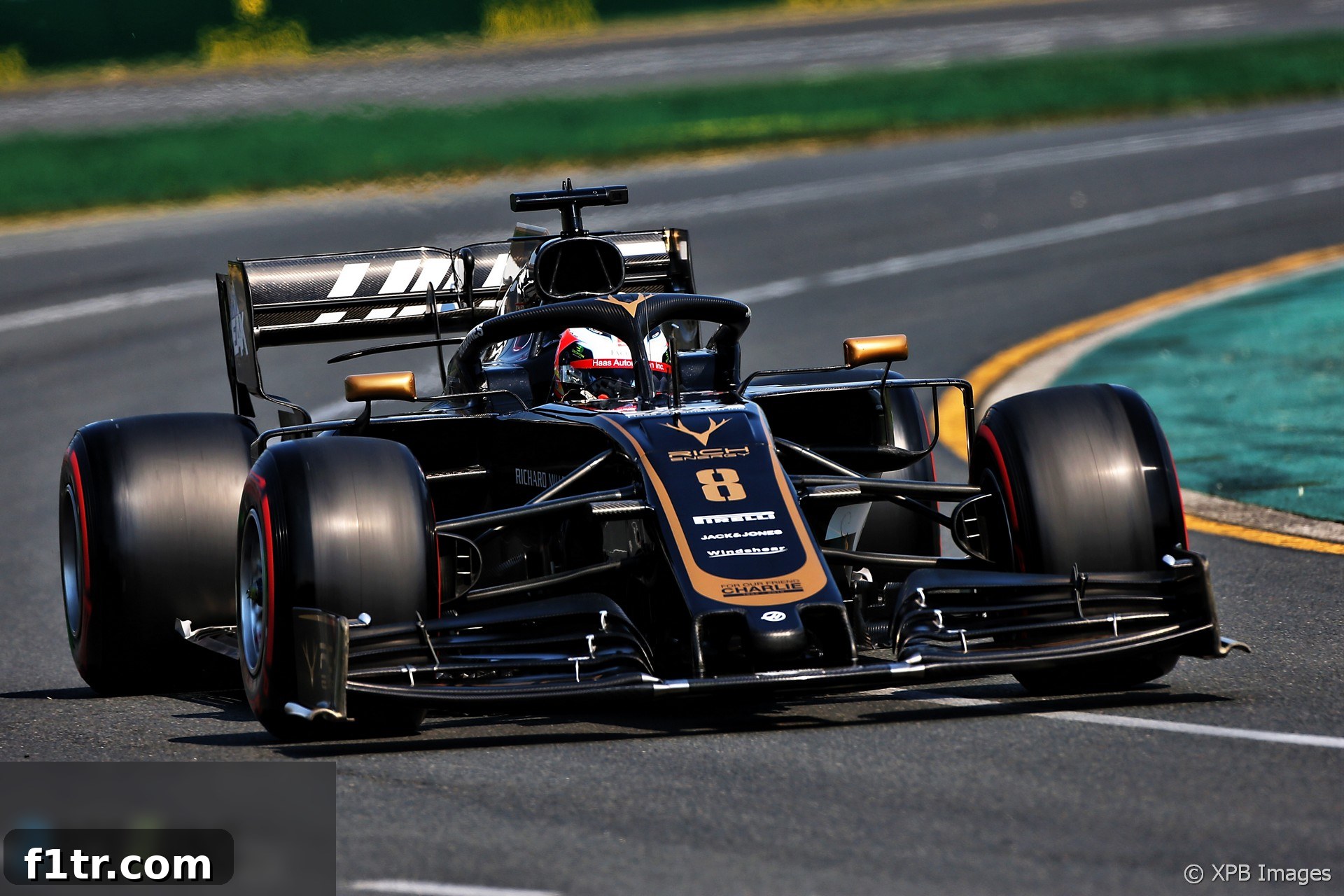
One of the first drivers to offer his perspective was Romain Grosjean, then with the Haas F1 Team. Following his teammate Kevin Magnussen during the early stages of the 2019 Australian Grand Prix, Grosjean provided a nuanced assessment. He conceded that the new rules had indeed made a positive impact on a car’s ability to trail another more closely, suggesting a partial success in achieving the primary objective of cleaner air. This was a crucial observation, as the very essence of the 2019 regulation changes revolved around improving the aerodynamic wake generated by the leading car, thereby allowing the following car to maintain more downforce and grip.
Advert | Become a Supporter & go ad-free
Yet, Grosjean’s optimism was quickly tempered by a significant caveat: the nature of F1’s tires. “I was behind Magnussen,” he explained after the race. “The new rules are great for following another car but the tyres are still what they were last year. As soon as you push, you slide, and then you lose the grip.” This statement highlights a fundamental dilemma in modern Formula 1: even if aerodynamic improvements allow cars to get closer, the delicate thermal operating window and high degradation rates of the Pirelli tires can still render aggressive driving and sustained attacking impossible. Drivers are often forced to manage their tires, backing off to prevent overheating and subsequent loss of performance, which directly undermines any gains made in aerodynamic closeness. Consequently, Grosjean concluded, “So even though we can follow much easier than in the past overtaking is still very complicated.” His comments underscored the fact that racing is a multifaceted challenge, where aero, tires, engine performance, and driver skill must all converge to create genuine overtaking opportunities.
Adding another layer to the debate was Carlos Sainz Jnr, then driving for McLaren. Sainz offered a differing perspective on what truly aided overtaking in the initial races of 2019. While acknowledging the intent behind the front wing changes, he posited that the Drag Reduction System (DRS) played a far more decisive role in enabling overtakes than the revised aerodynamic rules. “I think there’s been some overtaking,” he noted. “I think mainly it’s down to the DRS more than the rules. That’s my first impression, because it was still tricky to be closer to a car in front.”
Sainz’s viewpoint brings to the forefront the role of DRS, a mechanism introduced in 2011 to artificially boost overtaking. By allowing drivers within one second of the car ahead to open a flap on their rear wing in designated zones, DRS significantly reduces drag, providing a temporary speed advantage. His experience in Australia, where he “nearly got a look” at Lance Stroll into turns one and three – situations he felt would have been “difficult” in previous years – suggested that while improvements might exist, they were marginal. He maintained, “Maybe [it’s] a bit better. Still the cars are so fast and so dependent on downforce that it’s difficult to overtake.” This observation implies that the fundamental physics of Formula 1 cars, designed for maximum downforce and speed, inherently resist attempts to simplify the aerodynamic interaction for closer racing. The immense grip generated by complex aero packages makes it incredibly challenging for a following car to overcome the turbulent air and generate enough clean downforce to make a decisive move.
Sainz’s comments resonated with the sentiments of other prominent figures in the paddock. World champions Lewis Hamilton and Max Verstappen also expressed doubt whether the new front wings had made a significant difference. Their skepticism, coming from drivers at the absolute pinnacle of the sport, suggested that while the rules were well-intentioned, the real-world impact on competitive racing might be less profound than anticipated. Top drivers, accustomed to extracting every ounce of performance, are acutely aware of even minor aerodynamic disturbances. Their initial impressions often reflect the most critical assessment of rule changes, focusing on tangible improvements rather than theoretical benefits. The consensus from these leading drivers seemed to be that the core problem of “dirty air” – the turbulent wake that strips the following car of downforce – had not been sufficiently mitigated by the 2019 reforms.
Despite these mixed reviews from the drivers, Formula 1 motorsport director Ross Brawn, a key architect of the sport’s technical direction, offered a more optimistic outlook. Brawn, who has been instrumental in shaping F1’s future regulations, maintained that the first race of the year gave encouraging signs that the changes had worked. His perspective, coming from a strategic and regulatory standpoint, likely considered the bigger picture and the long-term objectives of the rule modifications. Brawn and the FIA understand that such changes are iterative processes, and initial results from a single race, especially on a circuit like Albert Park known for its challenges in overtaking, might not fully capture the overall success. For them, any positive indication, however subtle, represented a step in the right direction towards their ultimate goal of enhancing the racing spectacle and making the sport more accessible and exciting for fans.
The 2019 aerodynamic changes were, in many ways, a precursor to the more radical overhaul seen in the 2022 regulations, which aimed for an even greater reduction in dirty air and a fundamental shift in how downforce is generated. The debate surrounding the 2019 rules perfectly encapsulated the ongoing challenge in Formula 1: how to balance cutting-edge technological innovation and extreme performance with the desire for close, wheel-to-wheel racing. Engineers constantly push the boundaries of aerodynamics to maximize downforce and minimize drag for outright speed, inevitably leading to complex wake structures that disrupt following cars. Rulemakers, on the other hand, strive to simplify these interactions to promote a more dynamic on-track product. This creates a perpetual cat-and-mouse game between performance optimization and raceability.
The role of tire design, as highlighted by Grosjean, is another critical element. Tire compounds are chosen not only for performance but also for strategic reasons, often designed to degrade to force pit stops and introduce variability into race outcomes. This can inadvertently penalize drivers who push hard to overtake, as their tires overheat and lose grip faster. Finding the right balance between durable, high-performance tires and those that promote aggressive driving without excessive degradation remains a significant challenge for both tire manufacturers and the sport’s governing bodies. The feedback from drivers like Grosjean and Sainz underscores that effective overtaking is a symphony of factors, where aerodynamic design, tire characteristics, power unit performance, and driver skill must all align.
Ultimately, the 2019 season provided valuable lessons for the future of Formula 1. While the aero changes didn’t universally transform the overtaking landscape overnight, they represented a concerted effort to move the sport towards a more engaging racing format. The discussions among drivers and officials revealed the complexity of achieving truly closer racing without compromising the technological marvel that is a modern F1 car. The insights gained from this period directly informed subsequent rule changes, as Formula 1 continues its quest to deliver the ultimate spectacle for its global audience, balancing the pursuit of speed with the thrill of competition.
Advert | Become a RaceFans supporter andgo ad-free
2019 F1 season Related Articles
- Crying in the Melbourne car park at 2019 grand prix was my career low – Ocon
- McLaren Racing reports reduced £71 million loss in 2019
- Kvyat: Hockenheim podium last year was “my biggest achievement” so far
- How the FIA’s new encrypted fuel flow meter targets Ferrari’s suspected ‘aliasing’ trick
- “He smashed my office door”: 23 must-see moments from ‘Drive to Survive’ season two
Browse all 2019 F1 season articles