Stefano Domenicali Charts Formula 1’s Future: Adapting to Global Challenges and Redefining the Race Calendar
Following the significant leadership transition within Formula 1 Management, Stefano Domenicali has stepped into the pivotal role of CEO, succeeding Chase Carey. His appointment comes at a critical juncture for the pinnacle of motorsport, as it navigates both immediate global challenges and strategic long-term planning. Domenicali’s initial pronouncements have provided a clear glimpse into his vision, highlighting a pragmatic approach to the immediate future of the 2021 Formula 1 season and an ambitious, forward-thinking strategy for the sport’s calendar in the years to come.
The new F1 CEO faces the immediate task of delivering a compelling and consistent championship in an unpredictable global landscape. Simultaneously, he is tasked with envisioning a sustainable and engaging future for Formula 1, ensuring its continued growth and relevance. This dual mandate requires a delicate balance of adaptability, strategic foresight, and an unwavering commitment to the sport’s millions of passionate fans worldwide.
Navigating the 2021 Season: A Commitment to Resilience Amidst Uncertainty
The 2021 Formula 1 season was initially poised to be a record-breaking year, with an ambitious schedule featuring 23 Grand Prix events spread across the globe. This unprecedented number of races reflected the sport’s expanding global footprint and its eagerness to connect with diverse fan bases. However, the persistent challenges posed by the global pandemic have necessitated immediate adjustments and a flexible outlook for the calendar. Stefano Domenicali has been unequivocal in his commitment to delivering a full and exciting season, despite the hurdles.
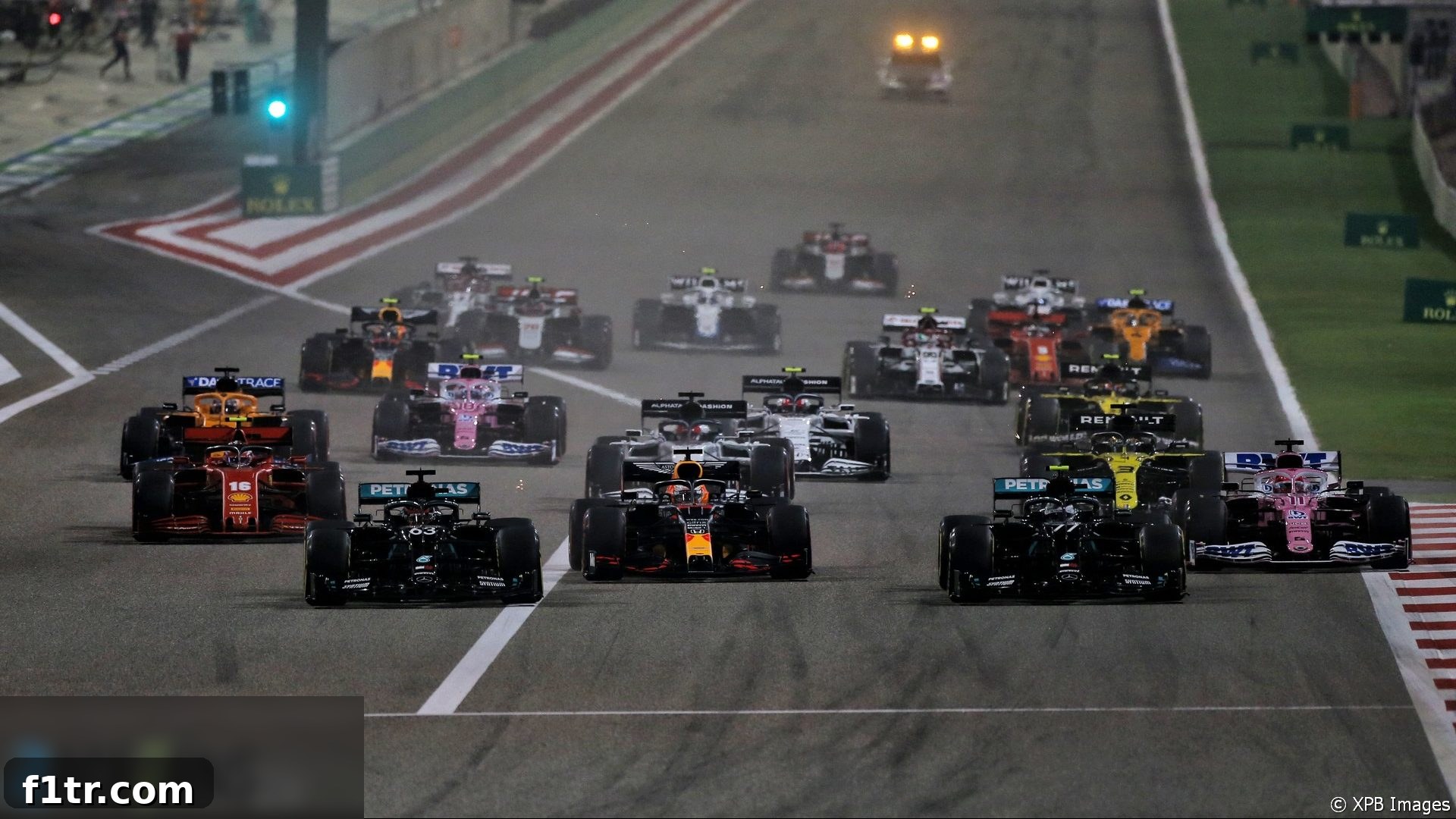
Indeed, the season’s start has already seen significant changes. The Australian Grand Prix and the Chinese Grand Prix, traditionally early fixtures on the calendar, were among the first events to be postponed due to ongoing travel restrictions and health concerns. As a result, the revised 2021 F1 calendar now anticipates its grand opening in Bahrain in March, a testament to the sport’s agility and its partners’ dedication. This proactive adaptation is crucial for maintaining momentum and ensuring the championship can commence safely and successfully.
Domenicali articulated this adaptive strategy during an interview with Sky, emphasizing, “For the information that we have, everyone would like, really, to go ahead with the plan.” He acknowledged the fluid nature of the situation, stating, “Of course, we need to be flexible enough to understand that maybe in the first part of the season, we may have some event with no public or we restrict the number of public [attending].” This flexibility extends to contingency planning, with Domenicali confirming that “possible alternatives in case of [problems]” are actively being organized. Such preparations underscore F1’s determination to minimize disruptions and guarantee a complete racing calendar for its global audience, even if it means altering traditional event formats.
The logistical complexities of organizing a global sporting event during a pandemic are immense. It involves rigorous health and safety protocols, extensive international travel arrangements for thousands of personnel, and close collaboration with local governments and health authorities. F1’s ability to successfully deliver a substantial portion of its 2020 calendar under similar constraints provides a strong foundation of experience and confidence. Domenicali’s leadership is now focused on leveraging this experience, ensuring the safety of all participants while delivering the spectacle that fans expect. His clear message to supporters and fans is one of assurance: “But what I can assure our supporters, our fans is that really we want to make sure that the season is there.”
The Vision for Tomorrow: Reimagining the Future of the F1 Calendar
Beyond the immediate challenges of the 2021 season, Stefano Domenicali has also unveiled a more profound strategic vision concerning the long-term structure of the Formula 1 calendar. His comments suggest a potential paradigm shift, moving away from an ever-expanding schedule towards a more curated and dynamic race calendar that could significantly redefine the championship’s appeal and operational sustainability. This forward-thinking approach is designed to prepare Formula 1 for a post-pandemic world, ensuring its continued growth and relevance.
Exploring a Shorter, More Exclusive Race Calendar
One of the most striking proposals from Domenicali is the prospect of shortening the F1 schedule in the future. He indicated a willingness to “go back to a fewer number of races.” This concept offers several potential benefits. A more condensed calendar could alleviate the significant strain on team personnel, who endure extensive travel and demanding schedules throughout the year. Reduced travel could also align with Formula 1’s broader sustainability goals, minimizing its carbon footprint. Furthermore, fewer races could enhance the exclusivity and prestige of each Grand Prix event, making every race weekend feel more significant and impactful for fans and broadcasters alike.
The shift to a slightly shorter calendar would require careful consideration of existing contracts and revenue streams, but the long-term strategic advantages in terms of brand value, team welfare, and environmental responsibility are compelling. It presents an opportunity to elevate the quality and excitement of each event, ensuring that every Grand Prix is a must-watch spectacle.
Embracing Rotation and Geographic Diversity
Coupled with the idea of fewer races is the concept of a “rotation, a possibility for certain grands prix, keeping a focus on different areas.” This innovative approach would allow Formula 1 to visit a wider range of global locations without permanently committing to every single circuit each year. The benefits of a rotational calendar are manifold:
- Increased Market Reach: F1 could engage with emerging markets and new fan bases that might not be able to host a Grand Prix every year but could benefit from periodic exposure.
- Freshness and Novelty: Rotating venues would keep the calendar fresh and exciting for fans, preventing staleness and introducing new challenges for teams and drivers.
- Optimized Hosting Opportunities: It would provide more opportunities for circuits that are keen to host a Grand Prix but might face financial or logistical hurdles to do so annually. This could also drive up competition among potential host cities, potentially leading to better commercial deals for F1.
- Strategic Geographic Balance: By focusing on “different areas,” Formula 1 can ensure a more balanced global presence, reflecting its truly international appeal rather than concentrating too heavily on specific regions. This strategic spread helps cement F1’s status as a global sport, appealing to a diverse, worldwide audience.
This strategic rethinking is not merely about logistics; it’s about evolving Formula 1’s brand identity and ensuring its long-term viability and appeal. Domenicali articulated this by stating, “So this is something that is in our plan to think carefully this year, getting ready for when the world would be normal again.” This indicates a methodical and considered approach, laying the groundwork for a future calendar that is both robust and dynamic.
Fan Engagement and the Economic Implications of Calendar Reform
At the heart of any decision regarding the Formula 1 calendar is the fan experience. While a shorter, rotational calendar might mean certain fans don’t see their home Grand Prix every year, the strategy aims to deliver higher quality, more exclusive events overall. The goal is to make every race feel like a premium event, enhancing the overall championship narrative and spectator engagement. F1’s ability to maintain strong fan loyalty while adapting its format will be critical to the success of these proposed changes.
Economically, calendar adjustments carry significant implications. Grand Prix hosting fees constitute a substantial revenue stream for Formula 1. A rotational model, while offering broader geographic reach, would necessitate careful financial planning to ensure that overall revenue remains robust. New hosting agreements would need to be structured to reflect the periodic nature of events, potentially involving higher fees for more exclusive opportunities. Furthermore, the impact on sponsorship deals, media rights, and tourism for host cities would need to be meticulously managed to ensure continued financial health for all stakeholders.
Domenicali’s emphasis on flexibility and strategic thinking highlights a proactive leadership style intent on future-proofing Formula 1. The immediate task is to successfully navigate the 2021 season, adapting to the ever-changing global health situation. The long-term vision, however, is far more transformative, aiming to refine the very essence of the F1 calendar. By embracing a potentially shorter, rotational schedule with a renewed focus on global diversity, Formula 1 under Stefano Domenicali is poised to enter an exciting new era, balancing its rich traditions with innovative strategies for sustainable growth and unparalleled global appeal. The world of motorsport eagerly anticipates how these bold plans will unfold, shaping the future of Formula 1 for generations to come.
Related F1 Insights and Analysis
- Exploring F1 Leadership and Strategic Decisions
- Understanding the Future of the Formula 1 Calendar
- Analyzing the Pandemic’s Impact on Global Motorsport
- Innovations in Formula 1 Fan Experience
- Formula 1’s Commitment to Environmental Sustainability