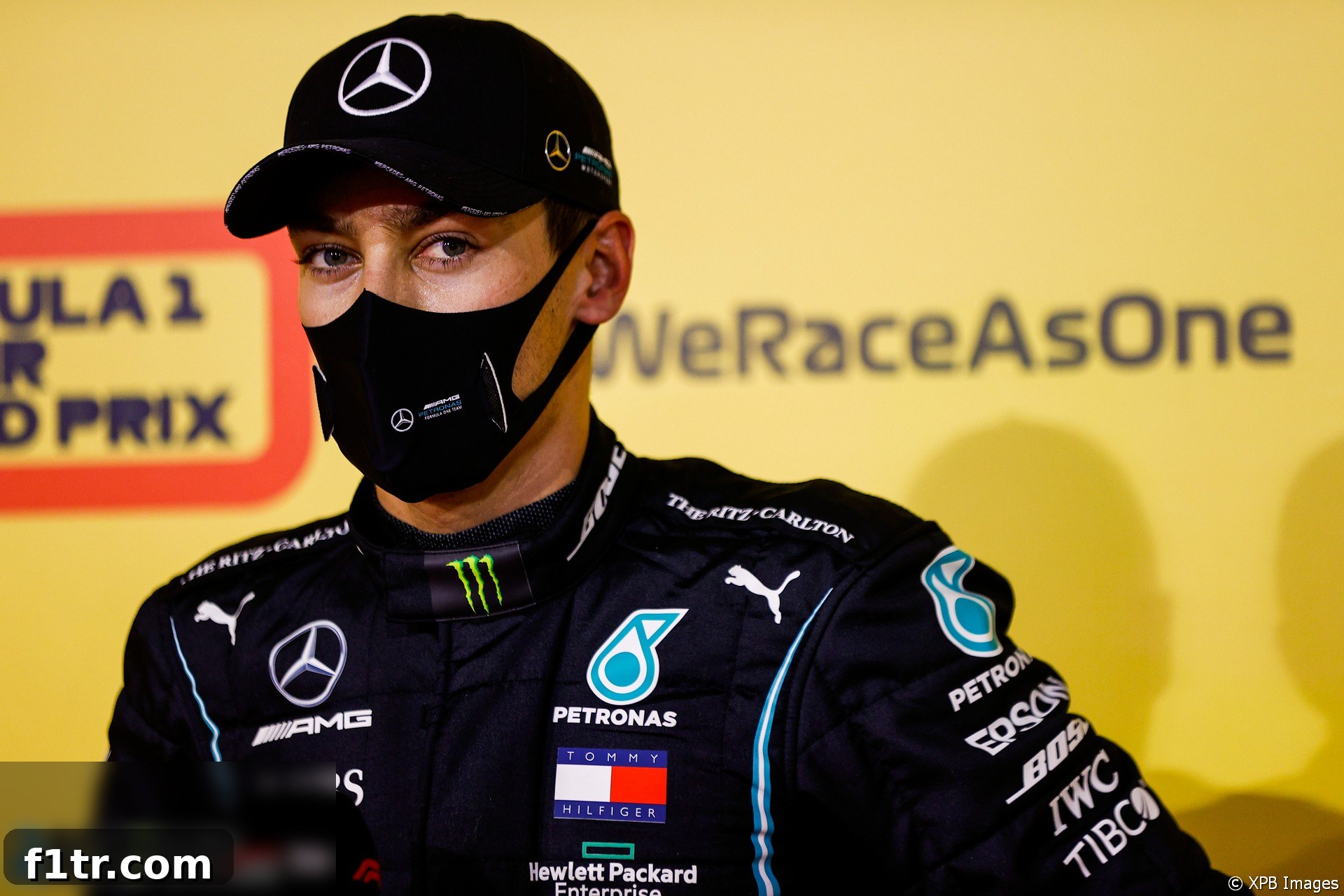
In this comprehensive Formula 1 round-up, we navigate the pivotal discussions and developments shaping the pinnacle of motorsport. From the burgeoning talent poised to dominate the next era to the strategic decisions of legendary teams and the ongoing evolution of the sport’s regulations, F1 continues to captivate. A significant endorsement comes from the new Formula 1 CEO, Stefano Domenicali, who has publicly expressed his unwavering conviction that Williams driver George Russell possesses all the hallmarks of a future world champion. This declaration not only highlights Russell’s exceptional abilities but also underscores the exciting prospect of a new generation of talent ready to etch their names into F1 history.
Domenicali on Rising Stars: George Russell’s Inevitable Path to Championship Glory
The strategic leadership of Formula 1 under Stefano Domenicali brings a fresh perspective to the sport’s future, particularly concerning its star drivers. When confronted with the hypothetical choice between current seven-time world champion Lewis Hamilton and the highly-rated George Russell for a Mercedes seat, Domenicali navigated the question with a clear appreciation for both. While acknowledging and lavishing praise on Lewis Hamilton’s unparalleled achievements and enduring impact, Domenicali was equally emphatic in his assessment of Russell, declaring both to be “incredible drivers” and assets to the sport.
George has demonstrated undeniable potential since his entry into Formula 1, building on a stellar junior career. As even Toto Wolff, the Mercedes team principal, has acknowledged, he is destined to become a future champion, without a shadow of a doubt. Therefore, from my vantage point and with my responsibilities for the overall health and appeal of Formula 1, having both talents actively competing is paramount. Both Lewis and George bring immense skill, charisma, and competitive drive, which can contribute significantly to the excitement and global appeal of our sport.
Domenicali’s confidence in Russell is not without substantial justification. Russell’s performances, especially his remarkable stand-in drive for Mercedes at the 2020 Sakhir Grand Prix, where he narrowly missed out on victory, provided a compelling showcase of his raw speed, race craft, and ability to adapt seamlessly to championship-winning machinery. This performance, coupled with his consistent excellence in a less competitive Williams car, has cemented his reputation as a generational talent. Such a strong vote of confidence from the sport’s chief executive fuels considerable speculation about Russell’s trajectory within Formula 1, particularly his potential future at a top team and the legacy he is poised to build. It speaks volumes about the shifting guard in F1 and the anticipation surrounding the next era of champions.
Quotes: Dieter Rencken
Advert | Become a RaceFans supporter andgo ad-free
Social Buzz: Engaging with the Global F1 Community
In today’s interconnected world, social media platforms are indispensable tools for Formula 1, fostering direct engagement between teams, drivers, and a vast global fanbase. These digital spaces offer real-time insights, exclusive behind-the-scenes content, and a vibrant forum for discussion, significantly enhancing the F1 experience. Fans can track driver preparations, witness technical advancements, and share in the excitement of race weekends.
Behind-the-Scenes at Key Factories: Teams frequently share glimpses into their meticulously organised factories, providing exclusive views of chassis construction, aerodynamic development, and the intricate assembly of power units. A recent Instagram update from a major constructor showcased the rigorous testing protocols for their new components, sparking lively debate among technical enthusiasts.
Driver Fitness and Lifestyle Updates: Off-track, drivers regularly share snippets of their intense training regimes, personal interests, and travel experiences. An Instagram story recently highlighted a driver’s high-altitude training camp, underscoring the extreme physical demands of Formula 1 and their unwavering dedication to peak performance for the demanding season ahead.
Beyond these immediate updates, social media also serves as a critical channel for official announcements, interactive fan polls, and a platform for charitable initiatives by drivers and teams. This direct interaction not only strengthens the bond between the sport and its audience but also allows for rapid dissemination of news and cultivation of a dynamic, global F1 community, continually enriching the narrative surrounding every Grand Prix.
- For a comprehensive guide to official Formula 1 accounts, teams, and key personalities across various platforms, explore the updated F1 Twitter Directory.
Further Insights from the Motorsport World: Strategy, Design, and Legalities
The broader motorsport ecosystem is a complex web of strategic decisions, engineering marvels, and intricate legal battles, all contributing to the sport’s ever-evolving narrative. Here, we explore some of the most compelling headlines and deeper implications from around the globe:
Advert | Become a Supporter & go ad-free
Binotto: Ferrari Not Entering IndyCar Sport (SpeedWeek – German)
Ferrari team principal Mattia Binotto has definitively addressed speculation regarding the Scuderia’s potential entry into the NTT IndyCar Series. Following extensive internal discussions, Ferrari has opted against an immediate foray into American open-wheel racing. Binotto articulated their stance, stating, “After our discussions, we came to the conclusion that we will not be entering IndyCar anytime soon. That might be possible in the medium and long term. But today we want to concentrate our investments on Formula 1 involvement.” This strategic decision underscores Ferrari’s laser focus on its primary commitment to Formula 1, where the brand boasts an unmatched legacy. The move to consolidate resources within F1 reflects a clear intent to reinforce their competitive position and pursue championship success, rather than dilute efforts across multiple high-profile motorsport platforms. While the allure of the North American market and IndyCar’s unique challenges remain, Ferrari’s immediate priority is unequivocally its F1 project.
Newey Finds 2022 Rules Uninspiring: ‘Must Find Something to Make Them Exciting for Myself’ (Formule 1 – Dutch)
Adrian Newey, the legendary Chief Technical Officer of Red Bull Racing and arguably the most influential aerodynamicist in Formula 1 history, has voiced candid reservations about the sport’s impending 2022 technical regulations. These regulations represent a radical overhaul, designed to promote closer racing by significantly simplifying aerodynamics and reducing the disruptive ‘dirty air’ effect. However, Newey, whose career has been defined by his ability to exploit complex rules to their absolute limit, offered a surprisingly blunt assessment: “As a fan of motorsport, I don’t think these are good rules.” This perspective from an engineer revered for his innovative brilliance highlights a fascinating tension: the drive for sporting equity versus the intellectual challenge that fuels top designers. Newey’s comment suggests that the prescriptive nature of the new rules might stifle the extreme creativity he thrives on, posing a unique challenge for him and his team to unearth novel interpretations that can still yield a competitive advantage within tighter constraints.
Ecclestone: ‘Enzo Ferrari Taught Me That the Sport is on the Table and the Business is Under It’ (GQ)
Bernie Ecclestone, the figure who steered Formula 1 for decades, offered a revealing glimpse into his philosophy and the formative influences on his approach to the sport in a recent interview. He recounted a profound lesson imparted by the iconic Enzo Ferrari, encapsulated in the memorable adage: “the sport is on the table and the business is under it.” This quote profoundly illustrates the dual nature of Formula 1 – a thrilling spectacle of sporting prowess intertwined with a complex, high-stakes commercial enterprise. Ecclestone’s reign was characterized by his masterful ability to navigate and, indeed, exploit this duality, transforming F1 into a global commercial juggernaut. This delicate balance between the purity of competition and the imperative of profitability remains a central challenge for F1’s current management, continually shaping its strategic direction and public perception.
The interview further delved into the sensitive topic of driver activism within the sport. Ecclestone drew parallels to the kneeling protests initiated by American football player Colin Kaepernick, reflecting on similar movements within F1. He observed, “One or two of the drivers in Formula 1 spoke out about it but, in the end, they didn’t do it. They didn’t kneel. They said they were asked not to. They didn’t say who asked them not to – it wasn’t me.” This statement subtly illuminates the intricate political landscape and potential pressures that drivers, as public figures, may face when seeking to use their platform for social commentary or protest. It provides a rare glimpse into the behind-the-scenes dynamics that can influence expressions of social consciousness in elite sports, highlighting the often-complex relationship between athletes, governing bodies, and commercial stakeholders.
Campos Racing Signs Lorenzo Colombo for 2021 FIA F3 Campaign (Campos)
In the highly competitive junior categories that serve as a crucial proving ground for future Formula 1 stars, Campos Racing has announced an exciting addition to their roster. The Spanish outfit has signed promising Italian driver Lorenzo Colombo for their 2021 FIA Formula 3 Championship assault. This move signifies a key development for both the established team and the young talent. Campos Racing, renowned for its work in nurturing young drivers through the ranks, expressed considerable enthusiasm for the partnership. The team principal stated, “I would like to welcome Lorenzo to the team on behalf of all Campos Racing and especially my father Adrián Campos. We have been trying to make this partnership possible in the past seasons without success for a number of different reasons.” For Colombo, this opportunity provides a vital platform to showcase his skill against an international field, aiming to make the necessary impression to ascend the motorsport ladder towards Formula 2 and ultimately, the coveted F1 grid. This signing highlights the ongoing investment in junior talent and the strategic importance of successful campaigns in feeder series.
Daly Vows to Fight On After Initial Ruling in Defamation Case (Racer)
The world of motorsport is not solely defined by on-track heroics; it sometimes extends to intense legal battles. Derek Daly, a former Formula 1 and IndyCar driver, is reportedly resolute in his decision to continue pursuing a defamation lawsuit, despite an initial judicial ruling that saw several counts against three of the four defendants dismissed. Daly’s legal counsel has affirmed that “the war is far from being over,” signalling a firm intent to press ahead with the case. Such legal proceedings underscore the significant professional and personal stakes involved when reputations are challenged within the public eye of professional sports. This ongoing situation serves as a poignant reminder of the broader considerations that exist beyond the competitive arena, emphasizing the importance of legal recourse in protecting one’s integrity and public image within the highly scrutinized motorsport environment.
We always endeavour to credit original sources and appreciate contributions from our readers. If you have a compelling tip for a link to feature in an upcoming RaceFans round-up, please do not hesitate to send it in via the contact form.
Advert | Become a RaceFans supporter andgo ad-free
Community Voice: Debating F1’s Entry Fee for New Teams
A contentious yet crucial topic igniting fervent debate across the Formula 1 community is the substantial $200 million anti-dilution fee mandated for any new team aspiring to join the grid. This significant financial barrier, designed primarily to protect the investment and value of existing teams, has sparked extensive discussion about its implications for the sport’s expansion and accessibility. The community has actively engaged in proposing potential exemptions and modifications to this fee, pondering how F1 can attract credible new entrants without undermining its current stakeholders. A particularly thoughtful contribution from one of our readers encapsulates much of this sentiment:
I presume this hefty fee would, and indeed should, be waived for any bona fide manufacturer proposing to become a new engine supplier to the grid, or perhaps for any other genuinely factory-backed manufacturer that might not be bringing an engine but represents a substantial, proven automotive investment and infrastructure. Such a strategic exemption would effectively incentivize deeper engagement from the global automotive industry, fostering innovation and long-term commitment.
Furthermore, it would be a genuinely positive step to see it also waived, or at the very least, significantly reduced, for any F2 constructor who has demonstrably achieved a drivers’ or teams’ championship title within the last five years. This isn’t merely a gesture; it acknowledges a proven track record of competitive excellence and operational capability within F1’s immediate feeder series. While transitioning to Formula 1 would undeniably remain a monumental step, such an exemption would ensure that any new entry possesses a profound, established motorsport background and a well-honed operational structure, rather than a completely new team setup by ‘randoms’ potentially lacking the necessary pedigree, stability, and deep understanding of high-level motorsport. This approach would create a more logical and meritocratic progression path from junior categories to the absolute pinnacle of motorsport.
@Eurobrun
This detailed perspective highlights the inherent tension within Formula 1: balancing the economic protection of its exclusive club with the strategic imperative to attract fresh talent, new investment, and expanded competition. The ongoing debate underscores the intricate challenge F1 management faces in crafting a sustainable future that appeals to both its entrenched participants and ambitious potential newcomers, ensuring the championship remains vibrant, competitive, and globally attractive.
From the Fan Forums: Deep Dives and Enthusiastic Debates
The RaceFans forum consistently proves to be a dynamic and engaging platform for Formula 1 enthusiasts, fostering vibrant discussions that delve deep into every facet of the sport. It serves as an essential hub for fans to share insights, debate hot topics, and connect over their shared passion for motorsport. From historical analyses to contemporary driver assessments and future predictions, the community’s engagement is unparalleled:
- One of the currently most active threads inviting fan input is: What was Daniil Kvyat’s best race? Here, fans are sharing their most memorable moments from the Russian driver’s career, reminiscing about his standout performances and debating his ultimate impact on the sport.
- Recent forum discussions have also covered an array of fascinating subjects, including: “The most aesthetically pleasing F1 car liveries of all time,” “Forecasting driver market movements for upcoming seasons,” “The nuanced impact of F1’s budget cap on team innovation,” and “Which retired F1 track deserves a return to the calendar?” These diverse topics showcase the broad interests of the F1 community, extending beyond race results to technical regulations, historical reflections, and future visions for the sport.
These dedicated forums provide an invaluable space for fans to connect, exchange knowledge, and engage in constructive dialogue, collectively enriching the overall Formula 1 experience beyond the confines of the racetrack.
Happy Birthday to Our F1 Family!
A special and warm wish goes out to all members of our incredible F1 community celebrating their birthdays today! Happy birthday to Victor and Rebecca! We sincerely hope you both have a truly fantastic day filled with joy, celebration, and perhaps some fond F1 memories.
If you’d like to receive a birthday shout-out in a future round-up, or simply wish to be added to our ever-growing community birthday list, please don’t hesitate to inform us of your special day via the contact form or by adding your details to the list here. Your enthusiasm and participation are what make the global F1 community truly vibrant and special!
On This Day in F1 History: Milestones and Enduring Memories
Formula 1’s rich and storied history is punctuated by significant moments that often define eras, from the unveiling of groundbreaking machinery to iconic races. Reflecting on these historical milestones offers a deeper understanding and appreciation for the sport’s continuous evolution and the efforts that have shaped it into the global phenomenon it is today.
A Decade Ago: The Virgin MVR-02’s Ambitious Unveiling
- On this very day in 2011, the Virgin MVR-02, the second Formula 1 car developed by the ambitious Virgin Racing team, was officially revealed to the world. The MVR-02 garnered particular attention as one of the pioneering F1 cars of its era to be designed exclusively using Computational Fluid Dynamics (CFD), entirely foregoing the traditional wind tunnel development process. This approach was a bold, innovative, and somewhat controversial engineering gamble at the time, indicative of the team’s willingness to challenge conventional F1 design methodologies.
Virgin Racing, which subsequently underwent transformations to become Marussia F1 Team and later Manor F1 Team, epitomized the audacious attempts by new entrants to establish a foothold in Formula 1 during a period characterized by significant technical shifts and stringent financial pressures. Their journey, alongside other contemporary new teams like HRT and the reincarnated Lotus (later Caterham), vividly illustrated the formidable hurdles and financial demands newcomers faced in their quest to compete with the sport’s long-established giants. The unveiling of any new F1 car is invariably a moment brimming with hope, ambition, and intense anticipation, symbolizing months of relentless work by hundreds of dedicated engineers, designers, and team personnel. The MVR-02’s debut a decade ago stands as a poignant historical marker for a team that, despite its ultimate struggles, contributed a unique chapter to the rich, complex, and ever-evolving tapestry of modern Formula 1.