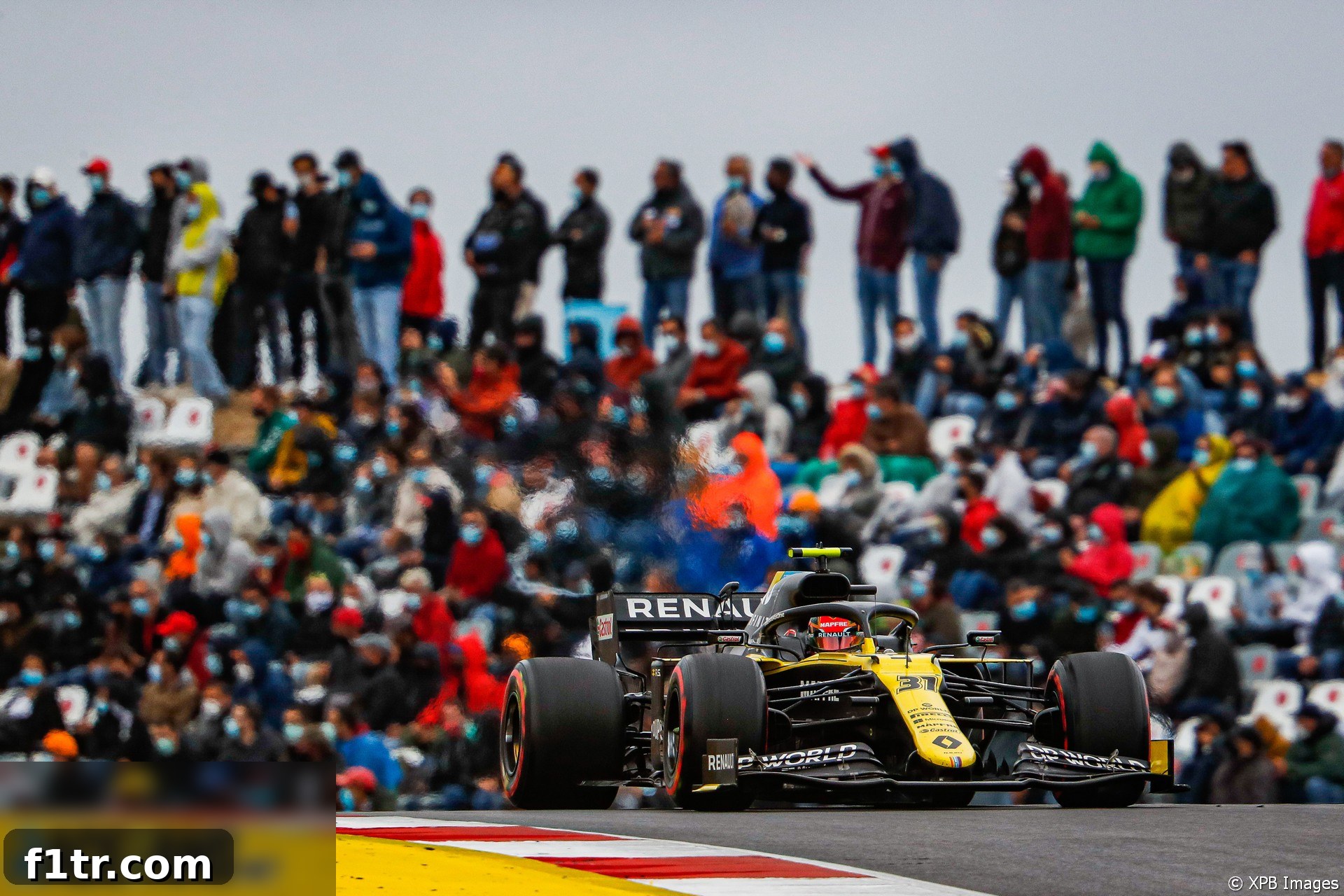
Stefano Domenicali Expresses Optimism for Return of Fans to Formula 1 Circuits in 2021
Formula 1’s new President and CEO, Stefano Domenicali, has shared an optimistic outlook regarding the potential return of spectators to Grand Prix events before the close of the 2021 season. Taking the helm from Chase Carey, Domenicali acknowledged the persistent challenges posed by the global pandemic but drew significant encouragement from Formula 1’s remarkable resilience and successful navigation of a disrupted 2020 championship.
Navigating the 2021 F1 Calendar: Anticipation Meets Adaptation
The highly anticipated 2021 Formula 1 calendar initially featured an ambitious 23 races, signaling a strong intent to return to a bustling global schedule. However, the enduring shadow of the pandemic has already necessitated significant adjustments. The traditional season opener in Australia, a beloved fixture at Melbourne’s Albert Park, has been postponed from March to November, underscoring the dynamic and unpredictable nature of event planning in these unprecedented times. Similarly, a new date is actively being sought for the Chinese Grand Prix, originally slated as the third round of the championship, as organizers prioritize safety, public health, and logistical feasibility across international borders.
These early calendar modifications highlight the complex tapestry of challenges confronting Formula 1 management. From fluctuating international travel restrictions and varying quarantine protocols to localized health regulations and vaccination rates, Domenicali’s team is tasked with an intricate balancing act. Their objective is to deliver a comprehensive and compelling championship while steadfastly ensuring the well-being of all participants, team personnel, and the wider communities that host these prestigious events. The agility and flexibility demonstrated in the initial phases of the 2021 season underscore F1’s commitment to delivering world-class motorsport despite the global health crisis.
The Resilience of Formula 1: A Testament from the 2020 Season
Despite the current uncertainties surrounding event logistics and fan attendance, Domenicali remains unwavering in his optimism, a sentiment largely fueled by the extraordinary achievements of the previous year. “In the short term, we need to make sure that the 2021 season can start in the right way,” he remarked in a recent interview with Sky Sports. He further elaborated on the unprecedented efforts made in 2020: “We are still in the pandemic situation. But in credit to Chase and all F1 people last year, a full season was done, 17 races, and no one would have thought that was possible at the beginning. So I think that is a credit to what Chase and all these people did.”
Indeed, the 2020 season stands as a powerful testament to Formula 1’s adaptability, innovation, and unwavering determination. Against a backdrop of widespread lockdowns, travel bans, and evolving health guidelines, the sport successfully orchestrated 17 Grand Prix events, predominantly across Europe and the Middle East, within a condensed timeframe. This remarkable feat was achieved through the implementation of rigorous health and safety protocols, including comprehensive PCR testing regimes, the creation of ‘bubble’ environments for team personnel, and meticulously coordinated logistical planning for equipment and staff movement. The ability to complete such a significant number of races, albeit predominantly behind closed doors, not only upheld the integrity of the championship but also provided invaluable experience and established robust blueprints for navigating the ongoing health crisis in 2021 and beyond. This success story serves as a foundation for confidence as F1 approaches the challenges of the current season.
The Financial Imperative: Why Spectators Are Crucial for F1’s Ecosystem
While the successful execution of the 2020 season was a logistical and sporting triumph, it undoubtedly came with substantial financial ramifications. The cancellation of numerous planned races and the necessity of holding almost every round without spectators dealt a significant blow to Formula 1’s multi-faceted revenue streams. Ticket sales, lucrative corporate hospitality packages, trackside merchandise sales, and a wide array of ancillary services – which collectively form a substantial portion of the sport’s income – were severely curtailed. This drastic reduction in revenue directly impacted prize money distributions to teams, placing considerable financial strain on the entire F1 ecosystem, from the smallest privateer teams to the largest constructors.
Recognizing the severity of the situation, Formula 1 owners Liberty Media swiftly implemented various measures to support the teams and mitigate the financial fallout. Domenicali acknowledged these proactive efforts, stating, “In all fairness I think that what Liberty did in order to be ready to help the teams, it was an incredible gesture.” However, he was quick to highlight a critical aspect often underestimated: the significantly diminished value proposition for sponsors in the absence of fans. “You cannot have sponsors that are not happy to [not] have guests around the world because you cannot offer them the service,” he explained. Sponsors invest not only for global brand visibility and marketing exposure but also for the unique, exclusive opportunity to engage with key clients, business partners, and VIPs within the exhilarating and high-profile environment of a Grand Prix. The inability to offer these bespoke, immersive experiences directly undermines the tangible returns on their substantial investments, posing a long-term challenge for securing and retaining crucial commercial partnerships.
The return of fans, therefore, is not merely about filling grandstands; it’s about reactivating the entire economic engine of Formula 1. Each spectator contributes to a multi-faceted revenue stream that supports not only the race promoters and F1 management but also invigorates local economies in host cities, ranging from accommodation and transport to food and tourism. Moreover, the vibrant atmosphere created by passionate fans is an intrinsic and irreplaceable part of the sport’s appeal, significantly enhancing broadcast value and strengthening Formula 1’s global brand perception.
Domenicali’s Vision: A Transitional Year Towards Full Capacity and Fan Engagement
Looking ahead, Stefano Domenicali is palpably keen to steer Formula 1 back towards a semblance of pre-pandemic normality, with a clear target of the year’s end for the significant return of spectators. His vision for 2021 is one of crucial transition – a vital bridge from the severe restrictions of the past year to a future where the roar of the crowd once again provides the authentic soundtrack to Grand Prix weekends. “I want to be optimistic,” he asserted. “I hope that this year is really the transitional year versus the end of the situation, because if this crisis will go a bit longer for sure, this is something that could jeopardise the success of what we are talking about.”
This statement encapsulates the delicate balance between hope and realism that defines the current landscape for major global sports. Domenicali understands implicitly that a prolonged absence of fans could significantly impact the sport’s long-term sustainability, growth trajectory, and its very essence. The enduring appeal of Formula 1 lies not just in the high-octane racing and technological marvels, but fundamentally in the immersive, communal experience of attending a Grand Prix. It’s the shared excitement, the collective gasps at daring overtakes, the celebratory roar, and the palpable energy that defines the event for millions worldwide, both at the circuit and watching from home.
The former Ferrari team principal and Lamborghini CEO is genuinely optimistic that by the end of 2021, Formula 1 will be in a robust position to host Grand Prix events with a significant, if not full, return of spectators. “But we really hope that within the end of 2021 we are having already at the end of the season grands prix that are having the objective of having crowds back again around the grandstand.” This aspiration points towards a phased reintroduction of fans, potentially starting with reduced capacities, stringent health checks, and gradually escalating as global health conditions improve and vaccination programs gain wider momentum. The prospect of seeing packed grandstands by the final races of the season, such as those typically held in the Middle East, serves as a powerful motivating factor and a symbol of recovery for the entire F1 community.
The Road Ahead: Overcoming Challenges and Seizing Opportunities for Fan Reintegration
The path to safely bringing fans back to Formula 1 circuits is undeniably fraught with complexities, demanding close and transparent collaboration with local governments, public health authorities, and circuit promoters across various jurisdictions. Each Grand Prix venue presents its unique set of challenges, ranging from large-scale crowd management logistics and transportation infrastructure to public health monitoring and emergency response capabilities. Considerations such as the implementation of rapid testing facilities at entry points, meticulously planned socially distanced seating arrangements, and potentially ‘vaccine passport’ requirements are all part of the ongoing discussions and strategic planning processes. The sport’s proven ability to adapt and innovate, as so vividly demonstrated in 2020, will be absolutely crucial in overcoming these multifaceted hurdles.
However, the opportunity presented by the eventual return of fans is immense and transformative. It signals a vital step towards economic recovery and sustainable growth for the sport, rekindles the electrifying and unparalleled atmosphere that makes Formula 1 so unique, and profoundly strengthens the emotional bond between the sport and its passionate global fanbase. For Domenicali, who possesses a deep and nuanced understanding of F1’s rich heritage and its pressing commercial imperatives, fostering this vital reconnection with the fans is undoubtedly a top strategic priority.
Conclusion: A New Era of Hope and Resilience for Formula 1
Stefano Domenicali’s tenure as Formula 1 President and CEO begins at a truly pivotal moment in the sport’s history, characterized by both unprecedented global challenges and profound opportunities for innovation and growth. His hopeful pronouncements regarding the return of fans reflect a broader confidence in Formula 1’s inherent resilience and its remarkable capacity to adapt to changing circumstances. While the 2021 season promises to be another year defined by dynamic adjustments, strategic planning, and unwavering vigilance, the overarching goal remains clear: to deliver thrilling, competitive racing while progressively and safely welcoming back the passionate crowds that are the very lifeblood and soul of the sport.
The successful execution of the revised 2020 season provided a robust operational framework and invaluable lessons for managing global events in a pandemic environment. Building on this solid foundation, and guided by a clear vision for 2021 as a “transitional year,” Domenicali is singularly focused on ensuring Formula 1 not only navigates the immediate future effectively but also emerges stronger, more inclusive, and economically robust. The hope for full grandstands by the end of 2021 is not just a commercial objective; it’s a deeply held aspiration and a testament to the enduring spirit of Formula 1 and its global community, eagerly awaiting the day when the thunderous roar of the engines is once again powerfully matched by the joyous roar of the crowd.
Related Formula 1 Insights and Updates
Explore more articles related to recent F1 seasons and significant developments within the sport:
- Masi ‘basically gifted the championship’ to Verstappen says 2021 FIA steward Sullivan
- Las Vegas race backers looking to extend F1 deal beyond 2025
- Why Mercedes put ‘a reminder of joy and pain’ on display in their factory lobby
- Verdict on error in GT race suggests Mercedes would have lost 2021 Abu Dhabi GP appeal
- Title ‘stolen’ from Mercedes made us ‘underdogs people cheer for’ – Wolff
Browse all 2021 F1 season articles