Driving Change: Lewis Hamilton’s Landmark Commission Tackles Motorsport’s Diversity Crisis
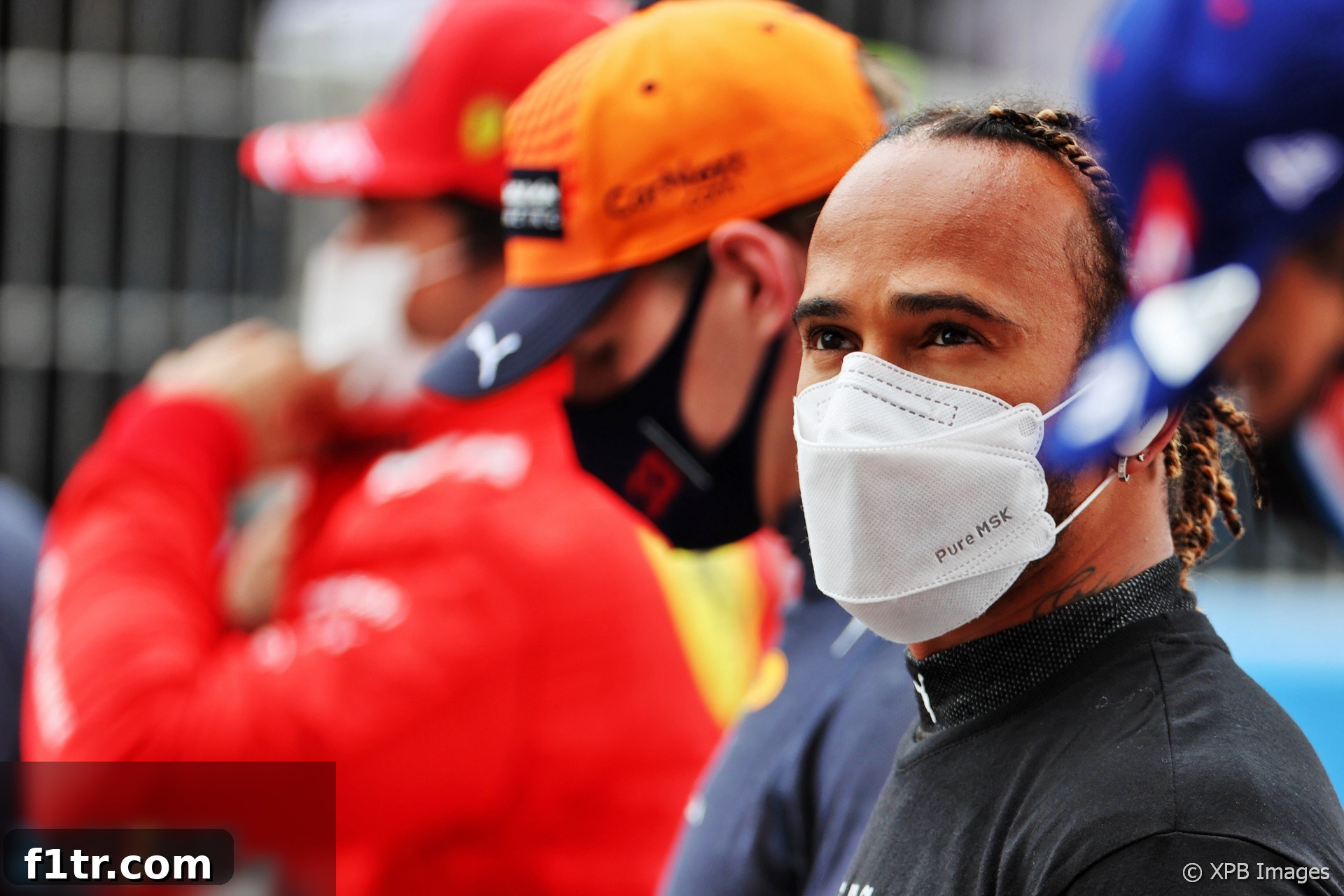
Lewis Hamilton, a name synonymous with unparalleled success in Formula 1 and a global icon, has long been a powerful voice advocating for change beyond the racetrack. For 14 years, since his groundbreaking debut in the world’s premier motorsport series, Hamilton has been the solitary black competitor, a stark reality that underscores a persistent lack of diversity within the sport. Driven by a profound desire to understand and dismantle the systemic barriers, Hamilton embarked on a significant initiative: the establishment of the Hamilton Commission.
This pioneering commission was launched with a singular, vital mission: to meticulously study and uncover the “deeper reason” behind the persistently low black participation across all levels of motorsport, particularly in the UK. The culmination of extensive research, expert consultation, and data analysis resulted in a comprehensive 180-page report, entitled “Accelerating Change: Improving Representation of Black People in UK Motorsport.” Published recently, this landmark document presented a series of impactful recommendations designed to inspire and enable more young black individuals to pursue fulfilling careers within the vibrant and diverse world of motorsport.
Unveiling the Stark Reality: A Deep Dive into the Report’s Findings
The “Accelerating Change” report paints a sobering picture of the current state of diversity within motorsport. One of its most critical findings highlighted a significant “general lack of data collection on the diversity characteristics of the workforce in Formula 1 teams and the wider motorsport sector.” This absence of robust data in itself represents a hurdle to understanding the true scale of the problem and measuring progress. However, through extensive interviews and anecdotal evidence gathered from within the industry, the report startlingly suggested that fewer than one in a hundred people currently working in UK motorsport identify as black. This statistic serves as a powerful testament to the entrenched homogeneity that defines much of the sector.
For Lewis Hamilton, these findings resonate deeply with his personal journey and experiences. “I’ve been racing since I was eight years old, I’m 36 now and my dad and I are the only people of colour that we have [seen] in the sport all those years,” he shared in a candid video published by Mercedes. He recounted reaching the pinnacle of Formula 1 only to find a handful of black mechanics, alongside a few individuals from the Asian community, emphasizing that the landscape has remained largely unchanged throughout his illustrious career. This personal testimony underscores the pervasive nature of the issue and the urgent need for intervention.
Crucially, Hamilton unequivocally rejects the notion that the disparity in representation is a reflection of ability or inherent talent. His firm belief is that the explanation lies elsewhere, rooted in more profound, structural issues. “I look around and there must be a reason,” he stated emphatically. “It’s not because minorities lack the intelligence. There’s got to be a deeper reason why it is not more diverse.” This conviction formed the bedrock of the Hamilton Commission’s detailed investigation into the systemic obstacles preventing black talent from flourishing in motorsport.
Identifying Structural Barriers: Beyond Superficial Explanations
The commission’s extensive report meticulously identified several structural reasons that contribute to the underrepresentation of black graduates in fields pertinent to motorsport, particularly engineering. A key finding highlighted a disproportionately low number of black graduates from the leading 24 Russell Group universities – renowned institutions for academic excellence in the UK – who hold degrees in engineering subjects directly relevant to motorsport companies. The data revealed that only approximately 200 new black graduates per year met these specific criteria, a figure that is starkly insufficient to create a diverse talent pipeline for a global industry. This suggests foundational issues within the educational system and broader societal pathways that guide career choices.
Beyond educational access and progression, the report also brought to light another disturbing reality: the lived experiences of those few black individuals who have managed to break into F1 and other forms of motorsport. Several participants in the commission’s research reported experiencing instances of racism within the industry. Such experiences not only deter individuals from pursuing careers in motorsport but also create an unwelcoming and often hostile environment for those who do, hindering their progression and overall well-being. This emotional and psychological barrier is as significant as any academic or financial one.
Lewis Hamilton’s Vision: A Force for Inclusion and Opportunity
Driven by his unwavering commitment to social justice and equality, Lewis Hamilton articulated a powerful vision for the future. “I believe that we have to push for a more inclusive and diverse society,” he declared. Recognizing the immense platform and influence he commands as a seven-time world champion, he stated, “I’ve got this amazing opportunity. I’m not afraid to be able to use my voice to help others.” This sentiment encapsulates the moral imperative that fuels his advocacy and the Hamilton Commission’s work.
Hamilton’s initiative is not merely about identifying problems; it’s about actively forging solutions and creating tangible opportunities. “We are working together as a team to try and create more opportunities for younger people and also just open the eyes up to people who perhaps didn’t even think that motorsport was an opportunity or a career that they could pursue,” he explained. This holistic approach aims to inspire a new generation, broadening their horizons and demonstrating that a career in motorsport is within their reach, regardless of their background.
Key Recommendations for a Diverse Future: The Path Forward
The “Accelerating Change” report outlines several critical recommendations intended to catalyze meaningful change within UK motorsport. Foremost among these is the urgent call for improved data collection on black participation across all levels of the sport. Without precise data, it becomes challenging to set targets, measure progress, and allocate resources effectively. Comprehensive data is the bedrock upon which effective diversity strategies are built.
Another pivotal recommendation focuses on the proactive promotion of STEM (Science, Technology, Engineering, and Mathematics) subjects to black children from an early age. The report emphasizes the foundational importance of these subjects in unlocking the vast array of career opportunities available in motorsport. Hamilton himself underscored this point: “STEM subjects are super-important in school. A lot of people and youngsters, and I was the same when I was at school, didn’t realise all the opportunities that are there through STEM in our industry, in the motor sports industry.”
The world of motorsport extends far beyond the high-profile roles of racing drivers and engineers. It encompasses a complex ecosystem of highly specialized professions, from aerodynamicists, data analysts, and software developers to logistics coordinators, marketing strategists, and advanced manufacturing technicians. “It’s not [being] just racing drivers or an engineer. There are so many job opportunities. There’s so many different levels to which people could get in,” Hamilton highlighted. Promoting STEM in this context means illustrating the diverse pathways and exciting career prospects that exist within the industry, often in roles that are less visible but equally crucial.
Furthermore, the report encourages the development of mentorship programs, scholarships, and apprenticeship schemes specifically designed to support black youth in pursuing STEM education and transitioning into motorsport careers. By establishing clear pathways and providing targeted support, the industry can actively dismantle existing barriers and create a truly inclusive environment. The broader implication of these efforts, as Hamilton eloquently put it, is profound: “I think it’s super-important that at the moment there’s not a lot of diversity and it’s really important that we make it more diverse because new ideas coming from people from different walks of life is only going to make society better. It’s only going to make our sport better.” Diversity is not just about fairness; it’s about fostering innovation, enhancing problem-solving, and enriching the entire ecosystem of the sport.
The Enduring Impact of the Hamilton Commission
The work of the Hamilton Commission marks a pivotal moment for motorsport. It has brought an often-ignored issue to the forefront with undeniable authority and personal conviction. By systematically identifying the deep-rooted, structural reasons for underrepresentation, the commission provides a robust framework for action. It calls upon F1 teams, governing bodies, educational institutions, and the wider motorsport community to commit to tangible change, fostering an environment where talent is recognized and nurtured irrespective of ethnic background.
The journey towards a truly diverse and inclusive motorsport world is an ongoing one, but the “Accelerating Change” report, championed by Lewis Hamilton, provides a powerful roadmap. It’s a testament to the idea that sport, at its best, can be a catalyst for positive societal transformation. By embracing diversity, motorsport stands to gain not only a richer talent pool but also a more engaged and representative global fanbase, ensuring its vibrancy and relevance for generations to come.
For further in-depth insights into the commission’s findings, read Dieter Rencken’s comprehensive analysis of the Hamilton Commission report in a new edition of the RacingLines column today on RaceFans.