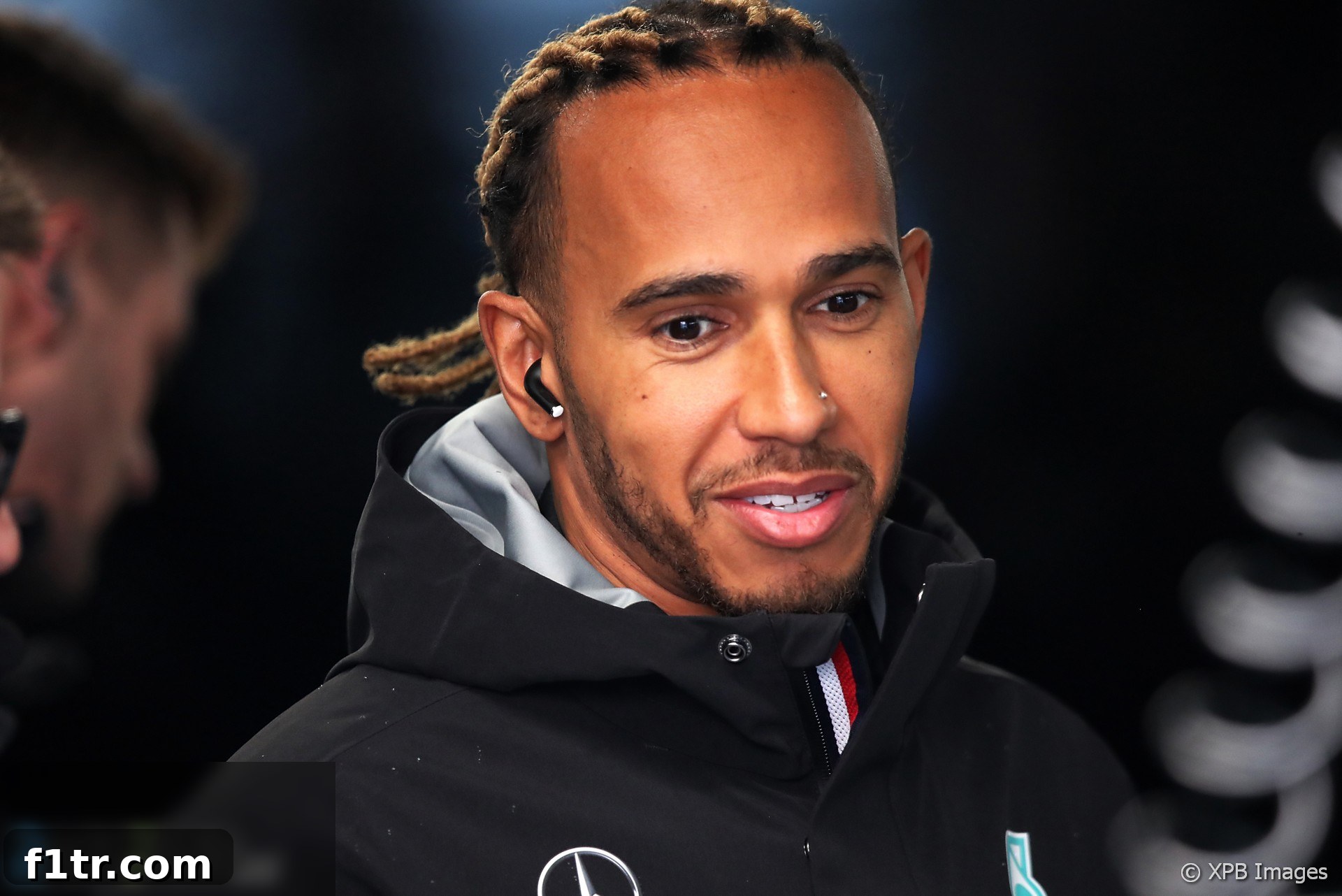
The highly anticipated French Grand Prix weekend is set to offer Formula 1 enthusiasts a glimpse into the future, as reigning Formula E champion Nyck de Vries prepares for his second Formula 1 free practice appearance. This time, the talented Dutchman will step into Lewis Hamilton’s Mercedes-AMG F1 W13, taking part in the crucial opening practice session at Circuit Paul Ricard. This opportunity not only underscores Mercedes’ commitment to nurturing emerging talent but also highlights their relentless pursuit of performance through ongoing car upgrades.
Nyck de Vries: A Rising Star in the F1 Landscape
Nyck de Vries’ participation in the French Grand Prix’s first practice session is a significant moment in his burgeoning career. Having already made a notable impact during his debut FP1 outing earlier this season, de Vries is quickly establishing himself as a formidable talent with clear Formula 1 ambitions. His previous appearance came at the Spanish Grand Prix, where he took the wheel of Alexander Albon’s Williams FW44. That session saw de Vries impress many within the paddock, demonstrating exceptional pace by lapping almost a tenth of a second faster than Williams’ regular driver, Nicholas Latifi. Such a strong showing in a new car and unfamiliar environment undoubtedly played a role in Mercedes extending this new opportunity.
As the reigning Formula E champion, de Vries brings a wealth of top-tier single-seater experience to Mercedes. His championship victory in the all-electric series showcased his racecraft, technical understanding, and ability to perform under pressure – qualities highly valued in Formula 1. Stepping into the W13, a car notoriously challenging to master in 2022, will be a true test of his adaptability and skill, providing Mercedes with valuable comparative data and de Vries with invaluable experience in one of F1’s leading machines.
The New Rookie Driver Regulation: Fostering Future F1 Talent
De Vries’ opportunity, along with other similar practice appearances by less experienced drivers this season, stems from a new regulation introduced for the 2022 Formula 1 season. This mandate requires each Formula 1 team to run a driver with limited experience in at least one practice session for each of their two cars throughout the championship year. The rule is designed to provide aspiring young drivers with crucial track time in current F1 machinery, offering them a vital stepping stone towards a potential full-time race seat, while also allowing teams to assess new talent and gather fresh perspectives on car performance.
Mercedes is strategically fulfilling this new regulation, with Nyck de Vries taking the first of these slots in Hamilton’s car. The team has also confirmed that George Russell, Hamilton’s highly-rated teammate, will yield his car for a similar practice session later in the season. This structured approach ensures both drivers contribute to developing future talent and adhering to the sport’s evolving regulations, while minimizing disruption to their primary race drivers’ preparations.
Mercedes’ W13 Journey: From Porpoising Struggles to Podiums
The 2022 Formula 1 season presented a formidable challenge for Mercedes, particularly with their revolutionary W13 car. Early races were plagued by severe porpoising – an aerodynamic phenomenon causing the car to bounce violently at high speeds – and a significant performance deficit compared to front-runners Red Bull and Ferrari. However, Mercedes’ renowned engineering prowess and persistent development efforts have begun to bear fruit.
Following a difficult start, the Brackley-based team has enjoyed a more competitive run in recent races, consistently closing the gap to their rivals. Team Principal Toto Wolff reflected on this progress, stating, “We scored three podiums in the first seven races and we have now achieved four in the last four.” This remarkable turnaround highlights the “mammoth effort” undertaken by the entire team, from the design office to the trackside engineers, to understand and overcome the W13’s fundamental issues. Wolff emphasized, “Our understanding of the W13 is growing with every lap and it’s encouraging to see that reflected in our development and results.”
The team’s meticulous data analysis and iterative development process have allowed them to gradually unlock more performance from the W13. While initial upgrades brought incremental gains, Mercedes is now confident in their development trajectory. The French Grand Prix is poised to be another critical juncture in this journey, as Mercedes plans to introduce further updates to their car. These enhancements are designed to further narrow the performance deficit to the dominant Red Bull RB18 and Ferrari F1-75, pushing them closer to the front of the grid.
Chasing the Final Few Tenths: The French GP Challenge
Despite their recent resurgence and a string of podium finishes, Mercedes remains acutely aware that they are not yet consistently challenging for race victories. As Toto Wolff candidly put it, “While we were quicker in Austria, we still weren’t quick enough to challenge at the front. We need to keep chasing those final few tenths and bringing new developments to the cars, including this weekend in France.” This statement encapsulates Mercedes’ current mindset: a blend of satisfaction with progress and an unyielding determination to reclaim their position at the very pinnacle of Formula 1.
The Circuit Paul Ricard, with its smooth tarmac and varied corner types, offers an ideal proving ground for these new upgrades. The circuit’s technical nature and long straights will allow Mercedes engineers to meticulously evaluate the aerodynamic efficiency and balance of their latest developments. Nyck de Vries’ fresh perspective and raw speed in FP1 could also provide valuable feedback, complementing the data gathered by Hamilton and Russell.
The challenge for Mercedes in France will be to not only validate their new components but also to extract their full potential across both qualifying and race conditions. Consistently finding those “final few tenths” is a monumental task in the hyper-competitive world of Formula 1, especially against teams like Red Bull and Ferrari, who are also continuously developing their machines.
Conclusion: A Critical Weekend for Mercedes’ Championship Hopes
The French Grand Prix promises to be a pivotal weekend for Mercedes. Nyck de Vries’ participation in FP1 is an exciting showcase of future talent and Mercedes’ commitment to the sport’s development pathway. More importantly, the ongoing introduction of upgrades underscores the team’s relentless ambition to overcome the W13’s early-season struggles and challenge for victories. As the season progresses, every data point, every new component, and every tenth of a second gained will be crucial in their quest to climb back to the top of the constructors’ standings and support their drivers in their respective championship battles. All eyes will be on Paul Ricard to see if Mercedes can further close the gap and cement their recovery.
Related Articles: 2022 French Grand Prix Insights
- Ferrari’s Strategic Missteps and Their Impact on the Championship
- McLaren’s Start Performance: Analyzing Inconsistencies
- Mercedes’ Qualifying Struggles: Anticipating Challenges in Hungary
- Driver Excellence: Hamilton and Russell Elevating the W13
- Ferrari’s Tactical Decisions: The French Grand Prix Strategy Dilemma
Browse all 2022 French Grand Prix articles