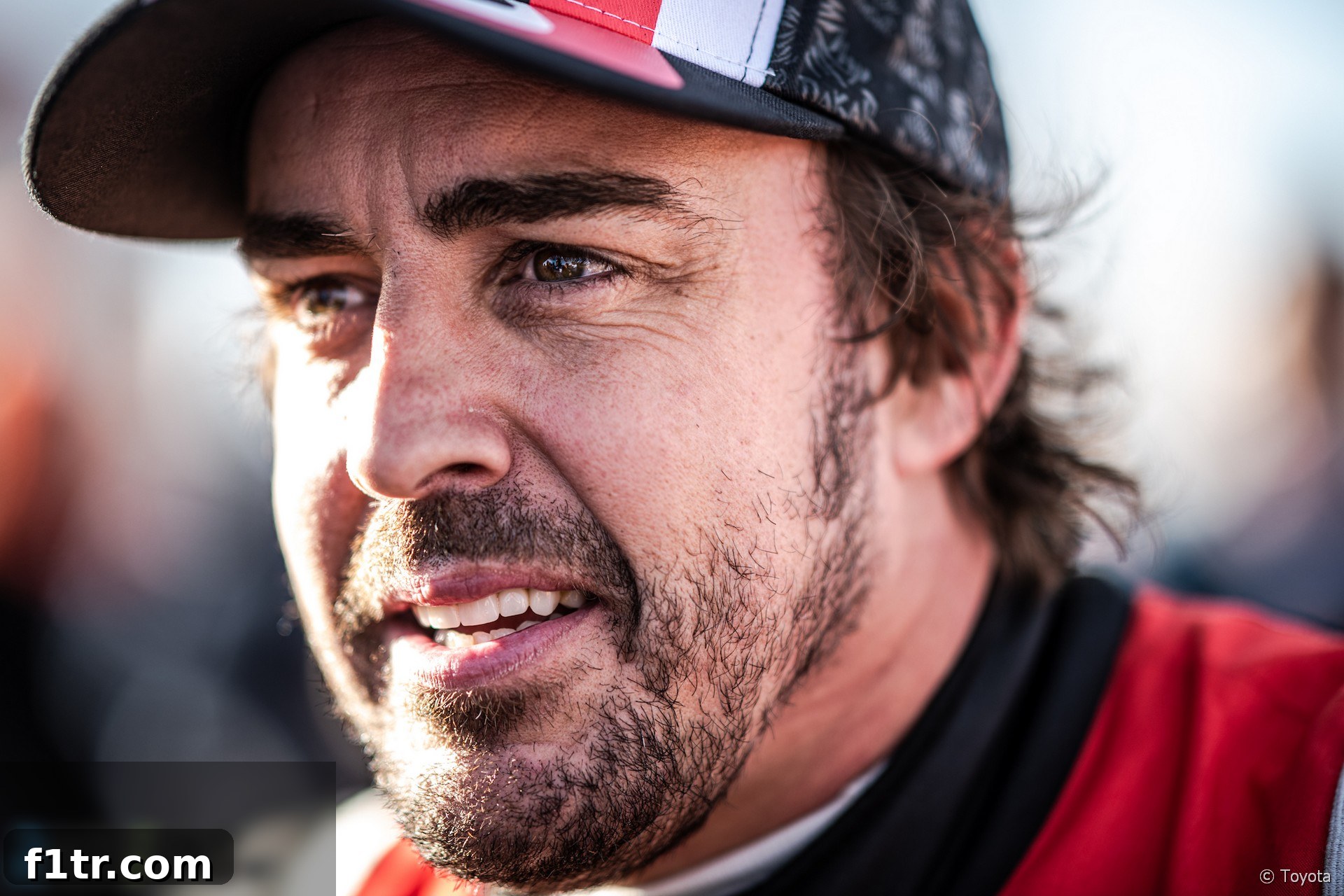
Fernando Alonso’s Blockbuster F1 Comeback with Alpine for 2021 Season
The exhilarating world of Formula 1 was set ablaze with anticipation as two-time world champion Fernando Alonso confirmed his monumental return to the grid for the 2021 season, partnering with the newly rebranded Alpine F1 Team. This much-anticipated comeback marked a thrilling new chapter for one of the sport’s most iconic figures, reigniting the hopes of legions of fans and promising to add an electrifying dynamic to the championship battle. The news, which had been circulating with growing intensity, cemented Alonso’s third spell with the Enstone-based outfit, a team deeply intertwined with the most glorious periods of his illustrious career.
Alonso’s return filled the void left by Daniel Ricciardo, who departed the team for McLaren. This pivotal signing saw the Spanish veteran join forces with French driver Esteban Ocon, forming a compelling blend of seasoned experience and burgeoning talent. For many, Alonso’s decision wasn’t just a return to Formula 1; it was a homecoming to a team where he had previously forged an unbreakable bond and achieved unparalleled success. The prospect of seeing a driver of his caliber back in the fray, particularly with a team undergoing significant evolution, instantly became one of the most compelling narratives heading into the 2021 campaign.
A Legend Returns: The Unfinished Symphony of Fernando Alonso
Fernando Alonso, a name synonymous with relentless determination and raw speed, had initially stepped away from Formula 1 at the close of the 2018 season. His departure was driven by a desire to pursue new challenges and explore the wider world of motorsport, having felt that the uncompetitive machinery at his disposal was no longer satisfying his burning ambition. During his hiatus, Alonso embarked on an ambitious quest for motorsport’s coveted ‘Triple Crown’, a challenge that only Graham Hill has ever completed. This pursuit saw him conquer the legendary Le Mans 24 Hours race not once, but twice in consecutive years, showcasing his incredible versatility and adaptability across different racing disciplines.
His adventures also included multiple attempts at the iconic Indianapolis 500, a race where he famously led on his debut in 2017 before retiring due to mechanical issues, demonstrating his immediate prowess even in unfamiliar territory. He also continued to add to his two victories at the Monaco Grand Prix, a feat achieved during his initial F1 career. These experiences outside of Formula 1 not only honed his skills but also arguably made him an even more complete and formidable driver, broadening his understanding of racing dynamics and pushing his limits in diverse competitive environments. However, the allure of Formula 1, and specifically the unfinished business of securing a third world title, proved too strong to resist for the fiercely competitive Spaniard.
The Renault Legacy: Two Championships and a Deep Connection
The 38-year-old (at the time of the announcement) enjoyed what many consider the most successful and formative period of his Formula 1 career with Renault. His journey with the team began in 2003, and it was here, two years later, that he would etch his name into the annals of motorsport history. In 2005, Fernando Alonso clinched his first of two consecutive championship titles with Renault, ending Michael Schumacher’s dominant era and ushering in a new generation of F1 heroes. He repeated this spectacular feat in 2006, firmly establishing himself as one of the sport’s greatest talents and proving Renault’s capability to build championship-winning machinery.
By the time he initially departed the team to join McLaren at the end of the 2006 season, Alonso had amassed an impressive 15 race victories for the French outfit. His first spell at McLaren, however, ended in an acrimonious split after just a single tumultuous season. This paved the way for his highly anticipated return to Renault in 2008. During this second stint, he secured two more victories, including a controversial win at the Singapore Grand Prix, before eventually moving on to Ferrari. Despite coming incredibly close to winning the title on two occasions with Ferrari, and a subsequent four-season return to McLaren, that elusive third F1 title remained just out of reach, fueling his relentless desire to return and contend once more.
Alpine’s Ambition: A Strategic Alliance
Alonso’s return coincided with a significant rebranding for the Renault F1 team, which transformed into the Alpine F1 Team for the 2021 season. This strategic move was designed to elevate the Alpine brand, known for its performance cars, onto the global stage of Formula 1. Securing a driver of Alonso’s stature was a clear statement of intent from Alpine, signaling their serious ambition to climb up the grid and challenge the established front-runners. For the team, Alonso brings an unparalleled wealth of experience, technical feedback, and a winning mentality that can inspire and guide the entire organization.
His meticulous approach to car development, coupled with his extraordinary race craft, provides Alpine with a significant advantage in refining their machinery and extracting every ounce of performance. Moreover, Alonso’s global appeal and charismatic presence serve as a powerful marketing asset, generating immense interest and attracting new fans to the Alpine brand. Paired with Esteban Ocon, a talented young driver eager to learn from a legend, the team aimed to create a formidable driver lineup capable of consistently scoring points and pushing the limits of their package.
The Road Ahead: Challenges and Expectations
Alonso’s last official F1 appearance before his comeback was not in a race, but at the wheel of a McLaren-Renault during a test session at the Bahrain International Circuit in the previous year. This brief stint offered a glimpse into his continued desire to be involved in F1’s technical development and hinted at his readiness for a full-time return. The challenges facing Alonso and Alpine were considerable. While the team had shown flashes of potential, they were firmly entrenched in the competitive midfield, facing stiff opposition from other ambitious manufacturers and privateer teams.
Bridging the gap to the dominant Mercedes and Red Bull teams, and even challenging Ferrari and McLaren, required significant investment, innovation, and unwavering dedication. Alonso’s role extended beyond just driving; he was expected to be a leader, a mentor, and a driving force in the team’s technical progression. His ability to extract maximum performance from any car, often exceeding its theoretical capabilities, was precisely what Alpine needed to elevate their performance. The F1 landscape in 2021 was fiercely competitive, with a grid full of exceptional talent, but the return of a two-time world champion promised to inject an extra layer of excitement and unpredictability.
The F1 community eagerly watched to see if Alonso, with his renewed vigor and wealth of experience from other disciplines, could still compete at the very pinnacle of motorsport. His comeback was not just a story of individual ambition but a testament to the enduring appeal of Formula 1 and the magnetic draw of its highest achievements. With “El Plan” (the plan) becoming a rallying cry for his fans, the stage was set for Fernando Alonso to once again demonstrate why he is considered one of the sport’s true legends, leaving fans across the globe wondering if he could indeed complete his unfinished symphony and add that coveted third world title to his incredible legacy.
Further Reading: Insights from the 2020 F1 Season
- Grosjean to make F1 test return tomorrow for first time since Bahrain horror crash
- Pictures: Wrecked chassis from Grosjean’s Bahrain fireball crash to go on display
- Bottas vs Rosberg: Hamilton’s Mercedes team mates compared after 78 races each
- F1 revenues fell by $877 million in Covid-struck 2020 season
- Hamilton and Mercedes finally announce new deal for 2021 season
Browse all 2020 F1 season articles