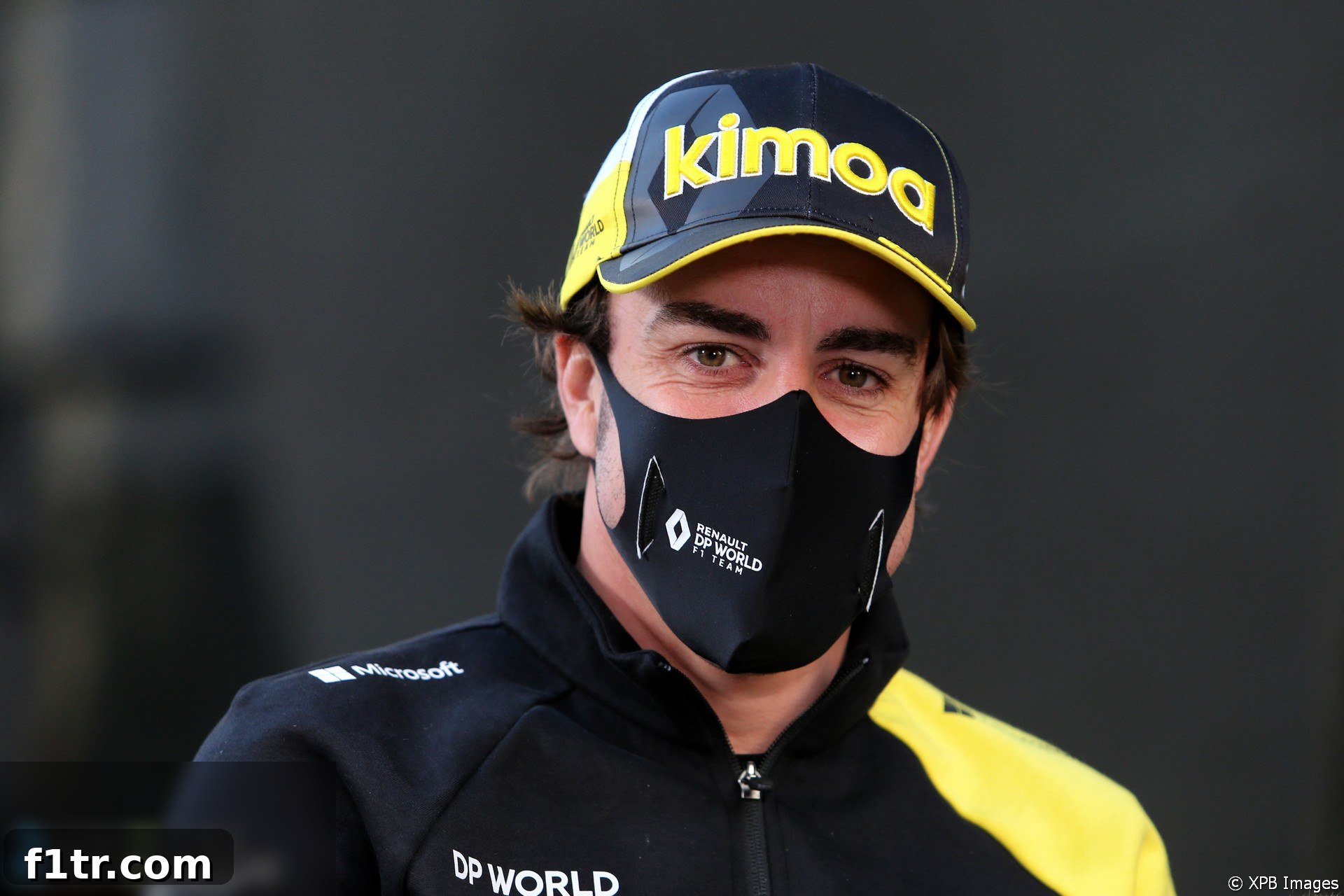
Fernando Alonso’s Relentless Drive for Renault’s 2022 F1 Success
Fernando Alonso, a name synonymous with unwavering determination and strategic foresight, has wasted no time in making his intentions clear ahead of his highly anticipated return to Formula 1. The two-time world champion has reportedly issued a direct and emphatic challenge to the Renault F1 team, demanding that their design for the groundbreaking 2022 F1 season car be in the wind tunnel on the very first day of the new year. This seemingly simple request underscores Alonso’s relentless focus on gaining every possible competitive edge from the earliest moment allowed by the sport’s regulations, highlighting his deep commitment to the team’s future success.
The F1 landscape is set for a monumental shift in 2022 with the introduction of sweeping new technical regulations. These changes are designed to level the playing field, encourage closer racing, and reduce the financial burden on teams. For a seasoned competitor like Alonso, these regulations represent not just a challenge, but a prime opportunity for a team like Renault (soon to be rebranded as Alpine F1 Team) to vault up the grid. His insistence on an immediate start to wind tunnel development speaks volumes about his understanding of modern Formula 1’s intricate development cycles and the critical importance of early groundwork.
Alonso’s Unparalleled Motivation and Strategic Vision for 2022
Marcin Budkowski, Renault’s executive director, provided fascinating insight into Alonso’s mindset, describing the Spaniard’s proactive approach. “He’s asking about anything,” Budkowski revealed, illustrating the depth of Alonso’s engagement. The conversation that ensued regarding the 2022 car’s development timeline perfectly encapsulates Alonso’s legendary drive. When informed that regulations prevented immediate testing of the 2022 car, Alonso promptly inquired about the earliest possible start date for development. Upon learning it was January 1st, his response was immediate and resolute: “Ok, are you running on the 1st of January?” Budkowski recounted, to which he tentatively replied, “Normally we don’t but this year we might because it’s the year.”
Alonso’s subsequent declaration – “OK, we’ll have to run on 1st of January. I will come here, I can help you on the 1st of January” – sent a clear message throughout the team. This extraordinary level of commitment, bordering on a personal mission, demonstrates that Alonso is not just returning as a driver, but as a catalyst for change and a hands-on contributor to the team’s technical progress. His willingness to be present and actively involved on a public holiday, pushing boundaries even before the official season starts, showcases a motivation rarely seen in the paddock. Such dedication from a driver of his caliber can significantly boost team morale and focus, setting a high standard for engineers and strategists alike.
The new 2022 F1 regulations represent a paradigm shift for the sport. They mandate entirely new aerodynamic principles, most notably a return to ground effect, aiming to allow cars to follow each other more closely and create more overtaking opportunities. Furthermore, the introduction of a budget cap seeks to curtail runaway spending and foster greater competitiveness among teams. For teams that can adapt quickly and innovate effectively within these new constraints, 2022 offers a golden chance to disrupt the established order. Alonso’s immediate focus on these regulations underscores his belief that this is Renault’s best shot at returning to the pinnacle of the sport, and he is determined to leave no stone unturned in preparing for it.
The Crucial Role of Preparatory Testing and Driver Integration
Beyond his forward-looking vision for 2022, Alonso is also actively preparing for his immediate return to the grid in the 2021 F1 season. Renault has confirmed additional two-day test sessions for Alonso in their 2018 specification car later this year. These tests are far more than just an opportunity for the Spaniard to “get back in shape,” as Budkowski explained. They are an intricate part of the team’s strategy to ensure seamless integration and optimal performance from day one of the 2021 season, and to lay foundational knowledge for the subsequent 2022 challenge.
The purposes of these tests are multifaceted and critically important. Firstly, they allow Alonso to re-acclimatize himself to the immense G-forces and high-speed demands of modern F1 machinery after a two-year hiatus from the sport. While he has been competing in other categories, the unique physical and mental toll of Formula 1 requires specific conditioning. Secondly, and perhaps more importantly, these sessions are dedicated to refining the critical interface between driver and car. As Budkowski elaborated, they cover “things like the steering wheel, his favourite button position, how he wants to be able to activate all the different systems on the car, practice our procedures.”
These seemingly minor details are, in fact, paramount to a driver’s performance. The layout of buttons on a steering wheel, for instance, dictates how quickly and intuitively a driver can adjust brake balance, differential settings, engine modes, and deploy energy recovery systems during a race. Every millisecond saved in these operations can translate to improved lap times or successful overtakes. Practicing team procedures, such as pit stop approaches, safety car restarts, or various sensor calibration routines, ensures that both driver and crew operate with maximum efficiency and minimal error under pressure. Such meticulous preparation is designed to identify and resolve potential ergonomic or procedural issues long before the competitive season begins.
Maximizing Limited Testing Opportunities for Future Success
The strategic importance of these preparatory tests is further amplified by the severely restricted winter testing schedule for the upcoming 2021 season. Teams will have a mere three days of track time for their two drivers combined, making every hour on track immensely valuable. With such limited opportunities for dynamic assessment of the new car and team-driver synergy, any groundwork laid in advance through these 2018 car tests becomes indispensable. It allows the team to hit the ground running, focusing the precious winter test days on optimizing the 2021 car’s setup and performance, rather than on basic driver acclimatization or procedural learning.
Alonso’s proactive engagement in these detailed sessions reflects his deep understanding of how to extract maximum performance not just from the car, but from the entire operational ecosystem of an F1 team. His feedback, honed over decades of top-tier racing, will be invaluable in guiding Renault’s engineers and ensuring that the car is tailored to his precise requirements. This collaborative approach between an experienced champion and a hungry engineering team is a potent combination, particularly as they look ahead to the monumental challenge and immense opportunities presented by the 2022 F1 regulations. The convergence of Alonso’s legendary drive, Renault’s strategic investment, and the sport’s transformative rule changes sets the stage for a thrilling and potentially game-changing era for Formula 1.