2020 Portuguese Grand Prix Qualifying Faces Delay Due to Urgent Track Repairs at Portimão
The highly anticipated qualifying session for the 2020 Portuguese Grand Prix at the Algarve International Circuit experienced an unexpected delay of half an hour. This postponement was necessitated by critical track repairs following an incident during the final practice session, which brought to light persistent safety concerns surrounding track infrastructure in the demanding environment of Formula 1.
Initially scheduled to commence at 2:30 PM local time, the session’s start was revised to 3:00 PM. This alteration inevitably impacted the meticulously planned schedules of teams, drivers, and broadcasting partners, adding an unforeseen layer of complexity to an already intense Grand Prix weekend. Such delays, while sometimes unavoidable in top-tier motorsport, always underscore the fragile balance between precision scheduling and the inherent unpredictability of racing at the highest level.
The Cause: Sebastian Vettel’s Encounter with a Dislodged Drainage Cover
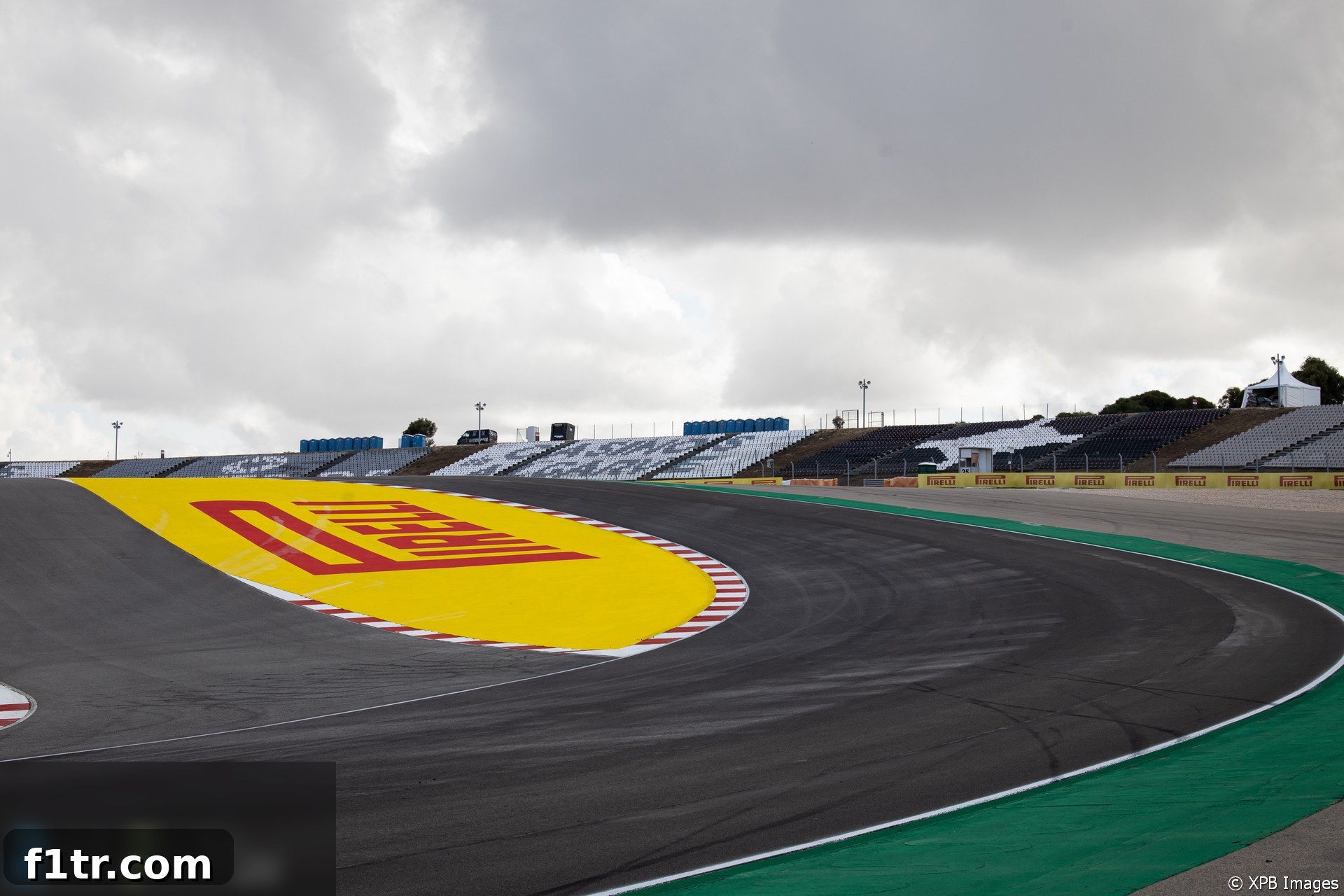
The immediate catalyst for the delay was a dramatic event in the closing moments of Free Practice 3. With mere seconds left on the clock, a drainage cover situated at the apex of Turn 14 became dislodged from its housing. Sebastian Vettel’s Ferrari SF1000 was the unfortunate vehicle to make contact with the insecure cover, resulting in visible and significant damage to the car’s underbody. The incident triggered an immediate red flag, bringing the practice session to an abrupt halt and raising urgent questions about track integrity and safety.
Turn 14 at the Portimão circuit is characterized by its high-speed, sweeping nature, a section where Formula 1 cars generate an enormous amount of aerodynamic downforce. The sudden presence of a loose metallic object on the racing line at these speeds presents an extreme hazard, not only to the car that strikes it but also to any following vehicles. Debris from a dislodged cover can become high-velocity projectiles, and a sudden change in the track surface can lead to a catastrophic loss of vehicle control, making the repair of paramount importance before qualifying could proceed.
Portimão’s Recent Resurfacing and the Drainage Dilemma
The Algarve International Circuit, more commonly known as Portimão, had recently undergone extensive renovation work, including a full resurfacing, in preparation for its much-anticipated return to the Formula 1 calendar. This marked the first time Portugal had hosted an F1 Grand Prix since 1996. The comprehensive upgrades were designed to bring the circuit up to the stringent modern F1 standards, aiming to provide a smooth, high-grip surface for the drivers. Crucially, these renovations were understood to also encompass improvements to the circuit’s drainage systems.
The irony of a drainage cover being the source of such a significant disruption so soon after major infrastructure works was not lost on the Formula 1 paddock. While resurfacing typically enhances overall track safety and optimizes racing performance, it also subjects every aspect of the circuit’s underlying infrastructure to intense scrutiny. The incident strongly suggested that despite the considerable recent efforts, certain elements, particularly those designed to manage water runoff, might not have been adequately secured or reinforced to withstand the unique and rigorous demands imposed by contemporary Formula 1 machinery.
The Extraordinary Forces of Modern Formula 1 Cars
A fundamental reason why drainage covers and other trackside elements can become dislodged is the sheer, overwhelming forces generated by modern Formula 1 cars. Unlike the vast majority of other racing categories that frequent circuits such as Portimão, F1 cars produce unparalleled levels of aerodynamic downforce. This immense downforce, which effectively glues the car to the track at high speeds, can exert significant suction and pressure onto the track surface as the cars pass over it.
As an F1 car accelerates over a drainage cover, the intense low-pressure zone created beneath its floor, combined with the extreme mechanical grip and high-frequency vibrations, can exert enough force to literally lift unsecured objects. Track engineers and circuit designers face an immense challenge in ensuring that every piece of track furniture – from manhole covers to kerb anchor points – is robustly secured and meticulously inspected to withstand these extraordinary conditions. Circuits not regularly exposed to the extreme performance envelope of high-downforce single-seaters often require specific and costly upgrades to their existing infrastructure to meet F1’s exacting demands.
A Disturbing Trend: Past Incidents and Unheeded Warnings
Regrettably, the incident at Portimão is far from an isolated event. Dislodged drainage covers have been a disturbingly recurrent issue within Formula 1 over recent years, leading to significant session disruptions, extensive and costly car damage, and profound safety concerns for drivers. These past occurrences serve as stark and powerful reminders of the potential dangers lurking beneath the tarmac and the critical, ongoing need for meticulous and thorough track inspections.
George Russell’s Baku Nightmare (2019)
One particularly infamous incident occurred during a practice session for the 2019 Azerbaijan Grand Prix in Baku. George Russell, then driving for Williams, suffered severe damage to his car after striking a loose manhole cover on the street circuit. The impact violently tore through the floor of his chassis, effectively ruling him out of the crucial second practice session and imposing a considerable financial and logistical burden on his team. The situation was further compounded when, during the recovery process, the flatbed truck transporting Russell’s heavily damaged Williams tragically collided with a bridge, exacerbating the car’s destruction. This incident vividly underscored not only the immediate dangers posed by loose track furniture but also the complex and unpredictable nature of incident management, particularly on temporary street circuits. The financial cost to Williams, a team already operating on a constrained budget, was substantial, highlighting the severe repercussions of such infrastructure failures.
Romain Grosjean’s Sepang Crash (2017)
Two years prior to Baku, in 2017, the Malaysian Grand Prix at Sepang witnessed an even more terrifying incident with a similar cause. Haas driver Romain Grosjean endured a harrowing, high-speed crash during practice when his car made violent contact with a dislodged drain cover. The sudden and severe impact pitched his car uncontrollably into the barrier, causing extensive damage to the vehicle and raising critical questions about driver safety at the time. While Grosjean miraculously emerged from the wreckage without serious physical injury, the incident forced Haas to replace the entire chassis, incurring immense costs and consuming invaluable workshop time during a pivotal race weekend.
In the aftermath of the Sepang incident, the Sepang International Circuit, a venue that had long been a stalwart on the F1 calendar, eventually paid compensation to Grosjean’s Haas team for the damages incurred. This compensation served as a clear acknowledgment of the circuit’s responsibility in maintaining an absolutely safe racing environment and highlighted the significant financial liabilities that venues face when such preventable infrastructure failures occur. The alarming regularity of these issues across various circuits globally points to a systemic challenge that Formula 1 management and track operators must continually address with the utmost diligence and foresight to prevent future recurrences.
Upholding Track Integrity: The Path Towards Enhanced Safety
The incident at Portimão serves as another poignant and timely reminder that while the exhilarating glamour and blistering speed of Formula 1 captivate a global audience, the foundational elements of track integrity are absolutely paramount. The relentless evolution of F1 car performance, pushing the boundaries of engineering and physics, necessitates a corresponding and continuous evolution in track maintenance standards and safety protocols. For circuits aspiring to host, or currently hosting, Grand Prix events, this translates into a demand for exhaustive pre-event inspections, the implementation of robust engineering solutions for securely anchoring all trackside elements, and the development of swift, highly efficient repair capabilities to address any issues instantaneously.
As the Formula 1 circus navigates its challenging 2020 season, adapting to new venues and unprecedented global circumstances, the collective lessons from Portimão, Baku, and Sepang reinforce a singular, critical message: no detail in track preparation is too insignificant to overlook. Drivers routinely push the absolute limits of physics, and consequently, every single component of the circuit must be engineered and maintained to withstand those immense forces. With the qualifying session now safely back on schedule, albeit delayed, the immediate focus will undoubtedly shift back to the thrilling on-track action. However, the crucial, diligent, and often unseen efforts behind the scenes to ensure a safe and secure environment remain an indispensable, silent pillar supporting the spectacular world of Formula 1.
Explore More Formula 1 Content
Stay connected with the dynamic world of Formula 1. Follow us on social media for the latest updates, breaking news, and insightful discussions:
- Join us on Facebook for exclusive content
- Follow us on Twitter for real-time updates
- Subscribe to receive daily email updates directly
Related Articles: 2020 Portuguese Grand Prix
Browse all related articles for the 2020 Portuguese Grand Prix