FIA Removes Controversial Fourth DRS Zone at Albert Park for Australian Grand Prix
The highly anticipated 2022 Formula 1 season brought with it a wave of excitement, not least due to significant regulation changes aimed at improving racing and numerous circuit modifications designed to enhance the spectacle. The Albert Park circuit, home to the Australian Grand Prix, underwent substantial revisions, including the addition of a fourth Drag Reduction System (DRS) zone. However, in a swift and decisive move, the FIA has removed this newly introduced fourth DRS zone, citing paramount safety concerns following initial practice sessions.
Albert Park’s Bold 2022 Transformation
For years, the Albert Park circuit in Melbourne was known for its challenging, albeit sometimes difficult-to-overtake, layout. Ahead of the 2022 Australian Grand Prix, extensive modifications were undertaken with a clear objective: to create faster, more flowing sections and foster more exciting wheel-to-wheel racing. Key changes included the widening of the pit lane, reprofiling of several corners, and, most notably, the removal of the Turn 9-10 chicane. This specific alteration transformed what was once a tricky sequence into a sweeping, high-speed straight, creating a dramatically different second sector for the drivers to navigate. These revisions were met with enthusiasm, promising increased speeds and new strategic dimensions for the teams and drivers.
The goal was to make Albert Park one of the fastest street circuits on the calendar, promoting closer racing and providing more opportunities for overtakes, which had historically been a point of contention for fans and drivers alike. With cars set to hit unprecedented speeds through the updated layout, the anticipation for the race weekend was palpable, especially concerning how the new DRS zones would interact with the track changes to deliver thrilling on-track action.
The Strategic Role of DRS in Modern F1
The Drag Reduction System (DRS) has been an integral part of Formula 1 since its introduction in 2011. Designed to promote overtaking, DRS allows drivers to temporarily open a flap on their rear wing, reducing aerodynamic drag and providing a significant speed boost on designated straight sections of the track. This system can only be activated when a driver is within one second of the car ahead at a specific detection point. While it has been successful in increasing the number of overtakes and adding an element of strategic racing, DRS has also sparked debates regarding the artificial nature of some passing maneuvers.
Despite the ongoing discussion, DRS remains a crucial tool in Formula 1’s effort to enhance the racing spectacle, particularly on circuits where overtaking might otherwise be challenging. The number and placement of DRS zones are carefully planned for each Grand Prix, aiming to strike a balance between aiding overtaking and maintaining the challenge and integrity of the racing. The introduction of multiple DRS zones on a single circuit is a common strategy to maximize these opportunities, and Albert Park’s initial four-zone layout was a testament to the intent of promoting aggressive, attacking racing.
The Ill-Fated Fourth DRS Zone: A Quest for Speed and Overtaking
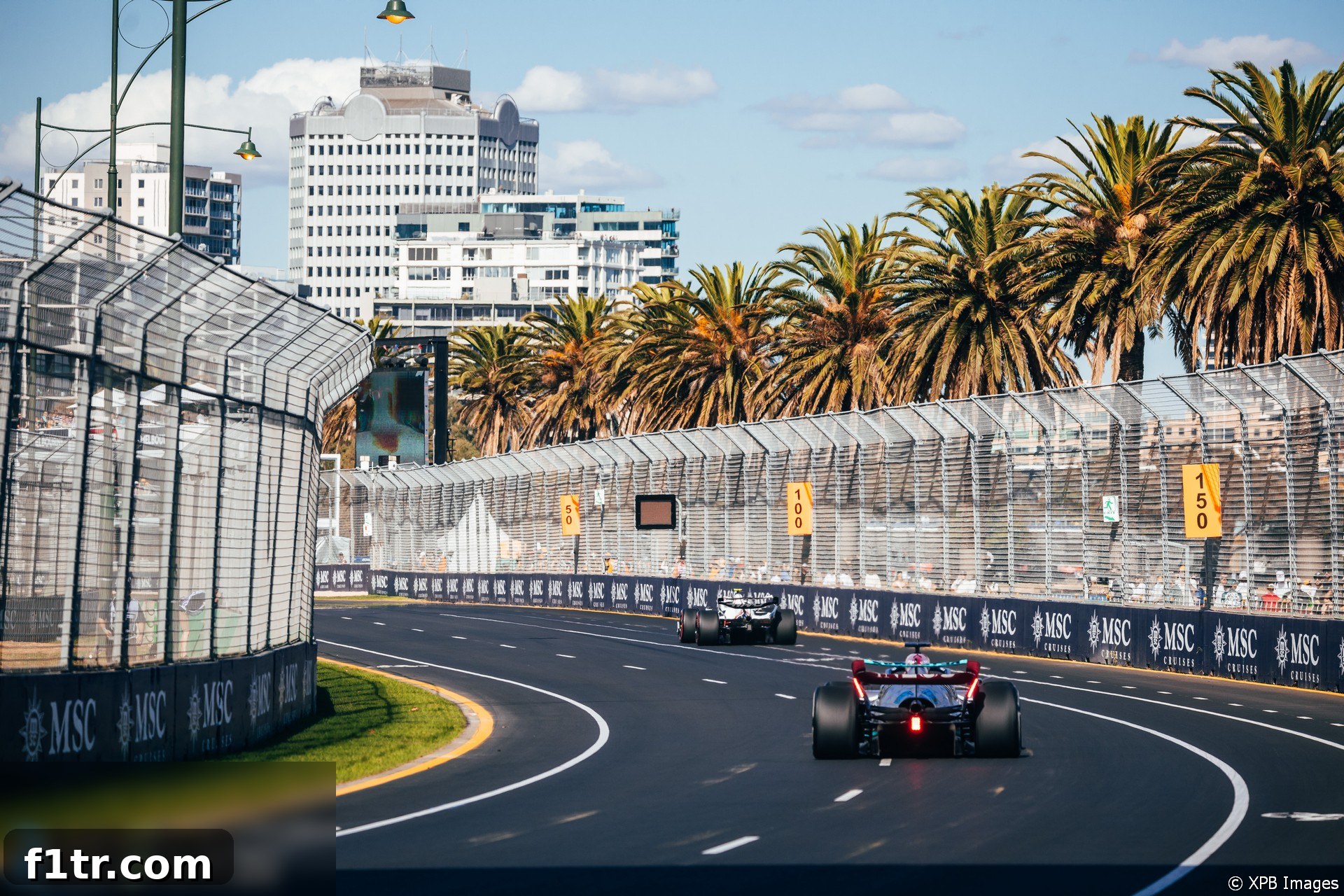
The controversial fourth DRS zone was strategically positioned along the newly formed straight between what was previously Turn 8 and the high-speed chicane of Turns 9-10. This particular section, a direct result of the track modifications, was identified as a prime location to further aid overtaking and leverage the increased speed of the revised layout. During Friday’s practice sessions, drivers pushed their cars to the limit, exceeding speeds of 320 kilometers per hour through this new high-speed stretch, demonstrating the immense potential for blistering lap times and thrilling slipstream battles.
The addition of this zone was part of an ambitious plan to make the Australian Grand Prix one of the most action-packed races of the 2022 season. Race strategists and fans alike were keen to see how this extra DRS opportunity would influence race dynamics, potentially creating multiple attacking points per lap and elevating the excitement. However, the sheer speeds achieved and the characteristics of the section quickly raised flags regarding the safety implications of allowing DRS activation at such a critical and high-velocity part of the circuit.
FIA’s Swift Action: Safety Takes Precedence
Following a thorough review of driver feedback and telemetry data from Friday’s practice sessions, Formula 1 Race Director Niels Wittich informed teams before the start of third practice that the newly added fourth DRS zone would be removed for the remainder of the race weekend. The decision, communicated in an official notice to all teams, explicitly stated that the zone was being removed “for safety reasons.”
The primary concern revolved around the extremely high speeds drivers were reaching on this new straight, combined with the proximity to the braking zone for the subsequent sequence of corners. Activating DRS at such speeds significantly reduces downforce and stability, making cars more challenging to control, especially if drivers are attempting overtakes or pushing the limits. The FIA’s commitment to driver safety is absolute, and any perceived risk, particularly one identified during live track sessions, demands immediate attention. This proactive measure underscores the governing body’s vigilance in ensuring that the pursuit of spectacle never compromises the well-being of the competitors. The quick assessment and rectification highlight the adaptive nature of F1 race management when faced with evolving circumstances on a redesigned circuit.
Revised DRS Configuration and Its Implications
With the removal of the fourth zone, a total of three DRS zones will now be active for the 2022 Australian Grand Prix, reverting to the configuration seen in the last race held at the venue in 2019. The revised setup involves a specific adjustment to one of the remaining zones:
- The first DRS detection zone will be moved from its original position between Turns 6 and 7 to just before Turn 9. This adjustment aims to optimize its effectiveness with the modified track layout.
- The DRS zone on the approach to Turn 11 will remain unchanged, continuing to provide an overtaking opportunity into this corner.
- The DRS zone along the pit straight, a perennial feature, and the zone connecting Turns 2 and 3 will also remain unchanged, offering further chances for drivers to gain an advantage.
The impact of this change on the racing dynamics is a significant talking point. While the intention of the fourth zone was to further enhance overtaking, its removal means drivers will have one less artificial aid on arguably the fastest part of the circuit. This might place a greater emphasis on raw car performance, driver skill in specific braking zones, and strategic tire management. Teams will need to recalibrate their race strategies and car setups, understanding that the prime overtaking opportunities will now be concentrated in the remaining three zones. This shift could lead to different racing lines and more focused defensive or attacking maneuvers in the designated areas, influencing the overall flow and excitement of the Grand Prix.
Lessons Learned: Balancing Speed, Overtaking, and Ultimate Safety
The incident at Albert Park serves as a crucial reminder of the delicate balance that Formula 1 continually seeks to achieve: pushing the boundaries of speed and excitement while upholding the absolute priority of driver safety. The sport’s evolution, particularly with significant track modifications and new aerodynamic regulations, often involves real-world testing and adjustments. While simulations provide invaluable insights, the dynamic environment of a Grand Prix weekend can reveal unforeseen challenges.
This decision by Race Director Niels Wittich and the FIA highlights their proactive approach and willingness to make tough calls based on real-time data and driver feedback. It underscores that safety protocols are not static but are continually evaluated and adapted. The experience at Albert Park might lead to more conservative initial placements of DRS zones on newly modified high-speed sections in the future, prompting more extensive pre-race weekend testing or a more gradual introduction of such features. Ultimately, the priority remains to deliver thrilling motorsport action within the safest possible framework, ensuring that the spectacle of Formula 1 continues to captivate audiences worldwide without unnecessary risks to its competitors.
Conclusion: A Safer, Still Thrilling Race Weekend Ahead
The removal of the fourth DRS zone at Albert Park is a testament to the FIA’s unwavering commitment to driver safety, even if it means adjusting plans that were designed to enhance the racing spectacle. While the initial vision included an unprecedented four DRS zones, the practicalities of real-world performance on a redesigned, high-speed circuit necessitated a swift and decisive safety intervention. Niels Wittich’s announcement reinforced that no potential gain in excitement is worth compromising the well-being of the sport’s heroes.
As the 2022 Australian Grand Prix unfolds with its revised three-DRS-zone configuration, the focus shifts to how drivers and teams will adapt their strategies to these parameters. The Albert Park circuit, despite the DRS zone alteration, remains a faster, more flowing challenge, promising an exhilarating return for Formula 1 to Melbourne. This incident serves as a powerful reminder that while the pursuit of speed and dramatic racing is constant, safety will always be the ultimate determining factor in the ever-evolving world of Formula 1.
Don’t miss anything new from RaceFans
Follow RaceFans on social media:
- Join RaceFans on Facebook
- Follow RaceFans on Twitter
- Get daily email updates from RaceFans
2022 Australian Grand Prix News & Analysis
Explore more articles related to the 2022 Australian Grand Prix:
- Aston Martin’s porpoising “does not allow us to exploit the progress the guys have made”
- Wolff puts Mercedes’ odds of championship victory at “two to eight”
- FIA responds to Verstappen’s criticism of Safety Car performance
- “So this is the end of our race, I guess?” How Alonso’s luckless Australian GP unfolded
- Two-degree temperature rise led to Hamilton’s “difficult position” radio message
Browse all 2022 Australian Grand Prix articles