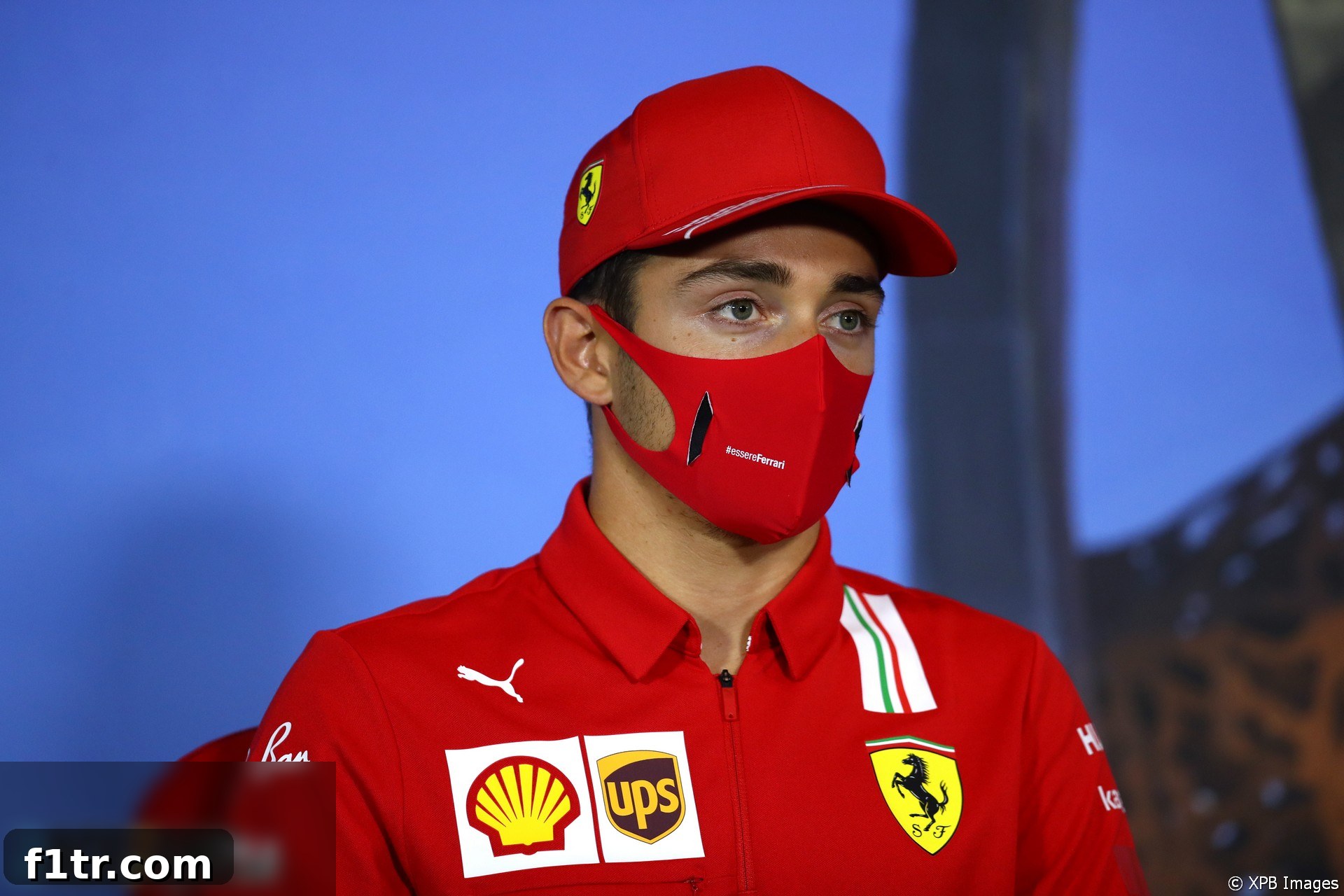
In the unprecedented landscape of the 2020 Formula 1 season, marked by the global COVID-19 pandemic, teams and drivers faced unique challenges, particularly during the compressed schedule of back-to-back races. A critical aspect of keeping the championship running smoothly was the implementation of stringent health and safety protocols, notably the creation of isolated “bubbles” for all paddock personnel. Amidst these strict guidelines, two prominent drivers, Valtteri Bottas and Charles Leclerc, made headlines by choosing to return to their homes between the consecutive races held at the picturesque Red Bull Ring in Austria. Their decisions sparked discussion, highlighting the delicate balance between personal well-being and collective safety within the high-stakes world of Formula 1.
The 2020 season was an extraordinary feat of logistical planning and unwavering commitment, as Formula 1 sought to deliver a championship despite the worldwide health crisis. The Red Bull Ring in Spielberg, Austria, hosted the opening two rounds, a strategic decision that allowed for a controlled environment and minimized extensive travel. However, even with the convenience of a single venue for two weekends, the question of how individuals spent the intervening days became a focal point. All team members, including the star drivers, were mandated to adhere to designated ‘bubbles’ – a system designed to drastically reduce potential exposure to the virus and mitigate the risk of bringing it into the tightly regulated paddock environment. This meant limiting interaction to a select group of individuals and avoiding public spaces, an arrangement that naturally imposed significant personal sacrifices on everyone involved.
Valtteri Bottas: A Calculated Decision for Mental Recharge
Valtteri Bottas, then driving for Mercedes, was among those who opted to temporarily depart Austria. He openly shared his thought process, emphasizing that his decision was not taken lightly and only proceeded after receiving official approval from the relevant authorities. Bottas clarified that his brief return to his home in Monaco, accompanied by his partner who had been part of his personal bubble at the track, aligned with the established safety protocols.
“Obviously, I found out if it’s allowed to go back, and yes, it is,” Bottas explained, underscoring the importance of seeking official clearance. “And of course it doesn’t really make a difference if I stay with the same people in the same bubble whether I’m here or back home in Monaco.” This statement highlighted his interpretation of the ‘bubble’ concept – that as long as his immediate circle remained constant and isolated, the geographical location was less critical from a viral transmission standpoint. His reasoning hinged on maintaining the integrity of his personal bubble, regardless of whether he was in Austria or his Monegasque residence.
Bottas further elaborated on the rationale behind his choice, emphasizing the psychological benefits of a brief return home. “So I decided to go back home as, in the end, we are in Europe and travelling is pretty short distance so there’s no stress really from the travel,” he stated. For him, the ease of travel within Europe minimized the logistical burden and potential risks. “I just wanted to spend those three full days at home. I thought it was very nice to recharge for the weekend, so I think it was a good decision from my side. I just tend to do things that what works for me, how I feel, what I want to do between the races.” This candid reflection speaks volumes about the mental demands of a Formula 1 season, especially one under pandemic conditions. The opportunity to step away from the race environment, even for a short period, and return to a familiar, comfortable setting was clearly viewed as a crucial element for his mental well-being and performance.
He remained confident in the safety of his actions, asserting, “From a safety point of view there is no difference at all. Still the same people that I will be dealing with here.” Bottas’s approach underscored a personal philosophy that prioritized individual needs within the boundaries of collective safety, demonstrating that for some, a change of scenery could be more beneficial than remaining confined to the race location, provided all guidelines were meticulously followed.
Charles Leclerc’s Proactive Approach to Safety
Ferrari’s Charles Leclerc also made the decision to return home during the interim period between races. However, his account emphasized a proactive layer of personal responsibility and precaution. While not detailing the same level of official clearance as Bottas, Leclerc took significant steps to ensure he posed no risk upon his return to the paddock, focusing heavily on rigorous testing.
“I did [go] back home,” Leclerc confirmed, explaining his return to Monaco. “On the other hand, I’ve been tested twice before coming back. So in two days, testing twice, both negative obviously. That’s it. I went back home for two days and then did two tests to be sure of the results.” Leclerc’s emphasis on undergoing two separate COVID-19 tests within a short timeframe prior to rejoining the F1 bubble showcased a strong commitment to mitigating any potential transmission risks. This dual testing strategy provided an additional layer of assurance, both for himself and for the wider F1 community, that his brief return home had not compromised the integrity of the paddock’s safety protocols. His actions highlighted a meticulous and responsible approach, demonstrating that personal choices could be made safely when coupled with robust precautionary measures.
The Alternative: Sebastian Vettel and the Appreciation of Austria
In contrast to Bottas and Leclerc, their respective teammates, as well as many other paddock personnel, opted to remain in Austria between the two race weekends. Sebastian Vettel, then driving for Ferrari, provided a glimpse into this alternative approach, painting a picture of tranquility and appreciation for the local surroundings.
“I stayed in the bubble,” said Vettel, clearly content with his decision. “I love the mountains, I love Austria, I love this place.” For Vettel, the picturesque setting of the Red Bull Ring offered an opportunity for relaxation and engagement with nature, a stark contrast to the high-pressure environment of a Grand Prix weekend. “For the first time in quite a while I had the opportunity to climb some of the mountains around that I’ve always seen from the car so I did that on Monday also yesterday. So I enjoyed the time outside and went cycling as well.”
Vettel’s choice highlighted a different strategy for recharging. Rather than seeking the comfort of home, he embraced the natural beauty and outdoor activities available in Austria. This not only minimized travel-related risks and fatigue but also allowed him to enjoy a refreshing break within the confines of the race location. His experience underscored that mental and physical rejuvenation could be achieved in various ways, with some finding solace and energy by immersing themselves in the immediate environment, while others preferred the familiarity of home. This also showcased the varying personalities and coping mechanisms of the drivers in dealing with the demanding schedule and restrictions imposed by the pandemic.
F1’s Comprehensive COVID-19 Safety Framework
The discussions around individual driver choices must be understood within the broader context of Formula 1’s groundbreaking and extensive COVID-19 safety framework. The ‘bubble’ system was just one component of a multi-layered approach designed to allow a global sport to operate safely. This framework included:
- Extensive Testing Regime: All personnel entering the paddock were subjected to frequent and mandatory PCR tests, with strict protocols for isolating positive cases.
- Limited Paddock Access: The number of people allowed within the paddock was drastically reduced, with separate zones created to minimize interaction between different teams and operational groups.
- Social Distancing and Mask Wearing: Strict adherence to social distancing guidelines and the mandatory wearing of face masks were enforced throughout the paddock and team facilities.
- Contact Tracing: Robust contact tracing mechanisms were in place to quickly identify and isolate individuals who had been in close proximity to a positive case.
- Dedicated Medical Facilities: On-site medical teams were equipped to handle potential cases and manage outbreaks swiftly.
These collective efforts were paramount to the success of the 2020 season. The individual decisions made by drivers like Bottas and Leclerc, therefore, were not isolated acts but were made within a system designed to detect and contain any potential breaches. Leclerc’s extra tests exemplify how individual responsibility was integrated into this larger system, adding personal safeguards beyond the mandated protocols. The F1 paddock essentially became a highly controlled bio-secure environment, minimizing external contact while maximizing internal safety.
Balancing Performance, Well-being, and Safety
The differing approaches of the drivers — some returning home, others staying put — underscore the complex interplay between driver well-being, peak performance, and the imperative of safety during a global health crisis. For an elite athlete, mental freshness is as crucial as physical conditioning. The ability to “recharge” can significantly impact focus, decision-making, and overall performance on track.
Bottas’s desire for the familiarity of home and Leclerc’s careful testing regimen reflect individual strategies for maintaining mental equilibrium. On the other hand, Vettel’s embrace of the Austrian outdoors highlights that a change of pace and scenery, even locally, can be equally effective. These personal choices, made within the approved parameters, demonstrate Formula 1’s commitment to supporting its personnel while upholding the strictest health standards. The success of the 2020 season, against all odds, was a testament not only to the robust protocols put in place but also to the flexibility and adaptability of the teams and drivers in navigating an unprecedented period.
The debates surrounding these decisions ultimately faded as the season progressed successfully, proving that a blend of strict organizational protocols and individual accountability could allow the sport to thrive. The early races at the Red Bull Ring, and the decisions made between them, served as an early blueprint for how Formula 1 would successfully complete a challenging but memorable championship year.
2020 F1 season Highlights & Articles
- Grosjean to make F1 test return tomorrow for first time since Bahrain horror crash
- Pictures: Wrecked chassis from Grosjean’s Bahrain fireball crash to go on display
- Bottas vs Rosberg: Hamilton’s Mercedes team mates compared after 78 races each
- F1 revenues fell by $877 million in Covid-struck 2020 season
- Hamilton and Mercedes finally announce new deal for 2021 season
Browse all 2020 F1 season articles