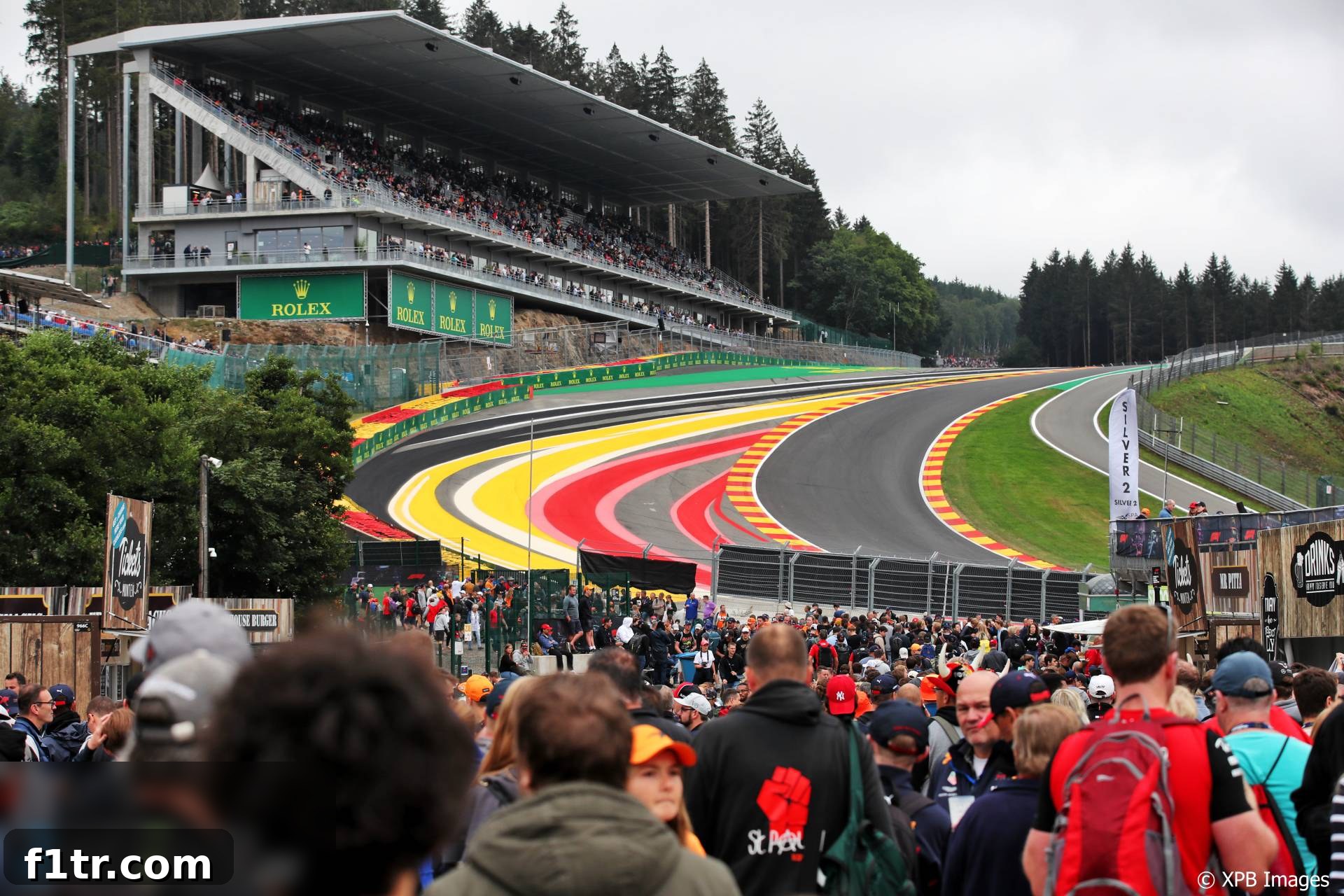
The at-risk Belgian Grand Prix looks likely to gain a late reprieve and secure its esteemed position on the 2023 Formula 1 calendar. This news brings a wave of relief to motorsport enthusiasts and professionals alike, as the iconic Spa-Francorchamps circuit, a cornerstone of Grand Prix racing history, was previously teetering on the brink of absence from the sport’s increasingly congested schedule.
The Enduring Legacy of Spa-Francorchamps: Belgian Grand Prix Secures 2023 F1 Calendar Slot
For months, the future of the Belgian Grand Prix at the legendary Spa-Francorchamps circuit hung in the balance. With Formula 1’s relentless expansion into new global markets and the return of former venues, traditional races faced intense pressure to maintain their presence. However, recent developments suggest a positive outcome, with a deal reportedly close to being finalized that will see the Belgian Grand Prix retain its cherished slot for the upcoming 2023 F1 season.
A Glimmer of Hope for a Beloved Circuit
The race at Spa-Francorchamps, universally celebrated for its challenging layout and rich history, faced an uncertain future after its 2022 running. The looming additions of high-profile events in locations such as Las Vegas, Qatar, and China, alongside discussions for a potential return to South Africa, had pushed the Formula 1 calendar to its absolute limits. This surge in new races threatened to displace some of the sport’s most historic venues, with Belgium often cited as one of the most vulnerable.
However, inside sources familiar with the ongoing negotiations indicate that Belgian Grand Prix promoters are nearing a deal to bring F1 back to Spa in 2023. While the 2022 event strategically marked the sport’s return after the summer break, the proposed 2023 race is expected to shift to a different slot, likely occurring before the traditional mid-season pause. This flexibility demonstrates a concerted effort to accommodate Spa within an already packed schedule, underscoring its significant value to Formula 1.
Formula 1 CEO Stefano Domenicali, speaking ahead of the 2022 race weekend, had already hinted at the potential for Spa’s continuation. “Discussions are still on,” he confirmed to media outlets, including RaceFans, indicating ongoing dialogue with the circuit’s representatives. “We are in Spa this weekend, so you will see them a lot of time in my office,” he added, emphasizing the active nature of the negotiations and the genuine intent to find a resolution.
Why Spa Matters: A Circuit of Legends and Challenges
The Unmatched Character of Spa-Francorchamps
Spa-Francorchamps is not just another circuit; it is an institution in the world of motorsport, revered by drivers and fans alike. Nestled in the Ardennes forest, its sprawling 7.004-kilometre layout is the longest on the Formula 1 calendar, offering a unique blend of high-speed straights, sweeping curves, and dramatic elevation changes. From the daunting climb of Eau Rouge and Raidillon to the fast, flowing Blanchimont and the technical Pouhon, every sector presents a formidable test of skill, courage, and machinery.
The iconic Eau Rouge-Raidillon complex, in particular, stands as a testament to the circuit’s legendary status. This sequence of corners, where drivers tackle a steep uphill left-right-left while managing incredible G-forces, demands absolute precision and commitment. It’s a place where legends are made and where drivers truly earn their stripes, pushing the limits of both car and human endurance. The circuit’s natural flow and the stunning backdrop of the Ardennes further enhance its allure, making it a perennial favourite.
Historic Moments and Unforgettable Races
Throughout its storied history, the Belgian Grand Prix has delivered countless memorable moments. Its frequently unpredictable weather, often featuring localized showers that can drench one part of the track while another remains dry, has frequently shuffled the pack and led to thrilling, strategy-laden races. From dramatic overtakes to heroic drives in challenging conditions, Spa has been the stage for some of Formula 1’s most iconic battles and upsets. Drivers consistently praise its unique demands, often citing it as their favourite circuit on the calendar. Its enduring appeal lies in its ability to separate the truly great from the merely good, offering a raw, unfiltered racing experience that is increasingly rare in modern motorsport.
Navigating Formula 1’s Expanding Horizons
Formula 1’s recent surge in global popularity, partly fueled by initiatives like Netflix’s “Drive to Survive,” has led to unprecedented demand for hosting Grand Prix events. New regions, particularly in the United States and the Middle East, are eager to join the F1 calendar, offering substantial hosting fees and promising access to lucrative new fan bases and commercial opportunities. The addition of events like the Las Vegas Grand Prix, the return to Qatar, and China’s anticipated comeback are strategic moves designed to expand the sport’s global footprint and commercial appeal.
This aggressive expansion, while financially beneficial, creates a delicate balancing act for F1 management. The maximum number of races agreed upon by F1 and the teams is 24, and with new venues vying for a spot, traditional European races often find their positions under threat. The challenge lies in integrating these new, commercially vital events without alienating the sport’s foundational audience and sacrificing its historical heartland. Stefano Domenicali’s role involves navigating these complex negotiations, ensuring that while the sport grows, it doesn’t lose touch with its heritage.
The South African Grand Prix Delay: A Timely Opening
A key factor in Spa’s reprieve appears to be the postponement of the South African Grand Prix’s anticipated return. F1 had been in discussions to bring racing back to the Kyalami circuit, a prospect that generated considerable excitement. However, according to sources, a deal for 2023 proved elusive, with time running out to renovate the circuit to meet the stringent FIA Grade One standards required to host a Formula 1 event. These standards encompass everything from track safety and medical facilities to pit lane infrastructure and spectator amenities.
The significant investment and logistical hurdles required for Kyalami to reach the necessary specifications mean its return is now more realistically anticipated for the 2024 season. This delay effectively created an unexpected opening on the 2023 calendar, a slot that the Belgian Grand Prix swiftly moved to occupy. This turn of events highlights the intricate and often fluid nature of F1 calendar planning, where one opportunity’s delay can become another’s salvation.
Stefano Domenicali’s Vision: Blending Tradition with Innovation
Formula 1 CEO Stefano Domenicali has consistently articulated a vision for the sport that balances its rich heritage with ambitious future growth. While keenly aware of the commercial imperatives driving expansion into new territories, Domenicali also understands the deep emotional connection fans and drivers have with iconic circuits like Spa. His public statements regarding Spa’s discussions underscore a willingness to explore all avenues to retain such venues, provided they can meet the commercial and logistical demands of modern F1.
The negotiations with Spa promoters are indicative of F1’s strategy to maintain a mix of classic tracks and new, purpose-built facilities. This approach aims to satisfy both long-standing fans who cherish the sport’s history and newer audiences attracted by the glamour and excitement of fresh destinations. Domenicali’s leadership is crucial in orchestrating these complex arrangements, ensuring that the sport continues to thrive while preserving its identity.
The Business of F1: Securing the Future of Classic Races
Hosting a Formula 1 Grand Prix is a multi-million-dollar endeavor, involving substantial fees paid to F1, significant infrastructure investments, and extensive logistical planning. For circuits like Spa, which may not always compete with the astronomical fees offered by emerging markets, the negotiation process is critical. Their value proposition lies in their immense historical significance, guaranteed global recognition, and passionate fan base that consistently fills grandstands, offering a unique and authentic Grand Prix experience.
The economic impact of the Belgian Grand Prix on the local Ardennes region is substantial, bringing in tourism revenue, creating jobs, and boosting local businesses. Securing its place on the calendar for 2023 ensures these benefits continue, providing stability for the region and its stakeholders. The ongoing success of such events is vital not just for the sport itself, but for the wider economies they support.
A Record-Breaking 2023 F1 Calendar
With Spa likely confirmed, the 2023 Formula 1 calendar is expected to feature a record-breaking 24 races. This expansion presents significant logistical challenges for teams, drivers, and all F1 personnel. The increased travel, tighter schedules, and demands on resources push the boundaries of what is feasible, requiring careful planning and robust operational strategies. While the prospect of more races is exciting for fans, it places immense strain on those within the sport, necessitating a focus on well-being and efficiency.
The finalized 2023 F1 calendar will be a testament to Formula 1’s dynamic growth and its ability to adapt to global opportunities. It also highlights the strategic compromises and painstaking negotiations involved in assembling a truly global sporting spectacle.
In conclusion, the impending return of the Belgian Grand Prix to the 2023 Formula 1 calendar is a significant victory for tradition and a testament to the enduring appeal of the Spa-Francorchamps circuit. While the sport continues to expand into new territories, the preservation of its historic venues ensures a vital connection to its past, offering a blend of heritage and modernity that defines Formula 1’s unique allure. Fans can now eagerly anticipate another thrilling chapter at the legendary circuit, securing its place for at least one more unforgettable season.
Further Reading on the Belgian Grand Prix and F1 Season:
- Analyzing Hamilton’s First Winless F1 Season: Missed Opportunities and Future Prospects
- Sainz Dismisses Red Bull’s Dominance at Spa as a One-Off Anomaly
- Alonso Addresses Media Frenzy Over Hamilton Radio Comment: Nationality a Factor?
- Ferrari Raises “Big Question Marks” Over Policing of F1’s Budget Cap Regulations
- Williams’ Unexpected Points at Belgian GP: More Than Just Straight-Line Speed
- Explore all articles related to the 2022 Belgian Grand Prix