2019 Formula 1 Season Review: Final Standings After the Abu Dhabi Grand Prix
The 2019 Formula 1 season culminated in a spectacular finale at the Abu Dhabi Grand Prix, marking the end of a captivating championship battle. While the Drivers’ and Constructors’ titles had already been decided, the Yas Marina Circuit still offered plenty of intrigue, with teams and drivers vying for final championship positions and crucial points. This comprehensive review delves into the final standings for both the Drivers’ and Constructors’ Championships, reflecting on a season dominated by Mercedes-AMG Petronas Motorsport and its star driver, Lewis Hamilton.
The 2019 season saw remarkable performances, significant shifts in team dynamics, and the emergence of a new generation of talent challenging the established guard. From Hamilton’s record-breaking consistency to McLaren’s impressive resurgence, and the intense midfield skirmishes, the year delivered an abundance of memorable moments. As the chequered flag fell in Abu Dhabi, the final picture of the season’s hierarchy was cemented, showcasing the triumphs, challenges, and aspirations that defined the pinnacle of motorsport.
F1 Drivers’ Championship: The Final Tally After Abu Dhabi 2019
The 2019 Drivers’ Championship saw Lewis Hamilton secure his sixth world title, an extraordinary feat that brought him just one championship shy of Michael Schumacher’s all-time record. His season was a masterclass in consistency, speed, and strategic brilliance, allowing him to clinch the title well before the final race in Abu Dhabi. The concluding Grand Prix served as a victory lap for Hamilton, further solidifying his points lead with another dominant win.
Behind the undisputed champion, the battle for the remaining top positions was fiercely contested. Valtteri Bottas, Hamilton’s Mercedes teammate, enjoyed his strongest season to date, securing a comfortable second place in the standings. His four victories and numerous podium finishes showcased a significant step up in performance, making him a formidable challenger throughout the year, even if he ultimately couldn’t match Hamilton’s relentless pace.
| Position | Driver | Total Points |
|---|---|---|
| 1 | Lewis Hamilton | 413 |
| 2 | Valtteri Bottas | 326 |
| 3 | Max Verstappen | 278 |
| 4 | Charles Leclerc | 264 |
| 5 | Sebastian Vettel | 240 |
| 6 | Carlos Sainz Jnr | 96 |
| 7 | Pierre Gasly | 95 |
| 8 | Alexander Albon | 92 |
| 9 | Daniel Ricciardo | 54 |
| 10 | Sergio Perez | 52 |
| 11 | Lando Norris | 49 |
| 12 | Kimi Raikkonen | 43 |
| 13 | Daniil Kvyat | 37 |
| 13 | Nico Hulkenberg | 37 |
| 15 | Lance Stroll | 21 |
| 16 | Kevin Magnussen | 20 |
| 17 | Antonio Giovinazzi | 14 |
| 18 | Romain Grosjean | 8 |
| 19 | Robert Kubica | 1 |
| 20 | George Russell | 0 |
The Battle for Third: Verstappen vs. Ferrari
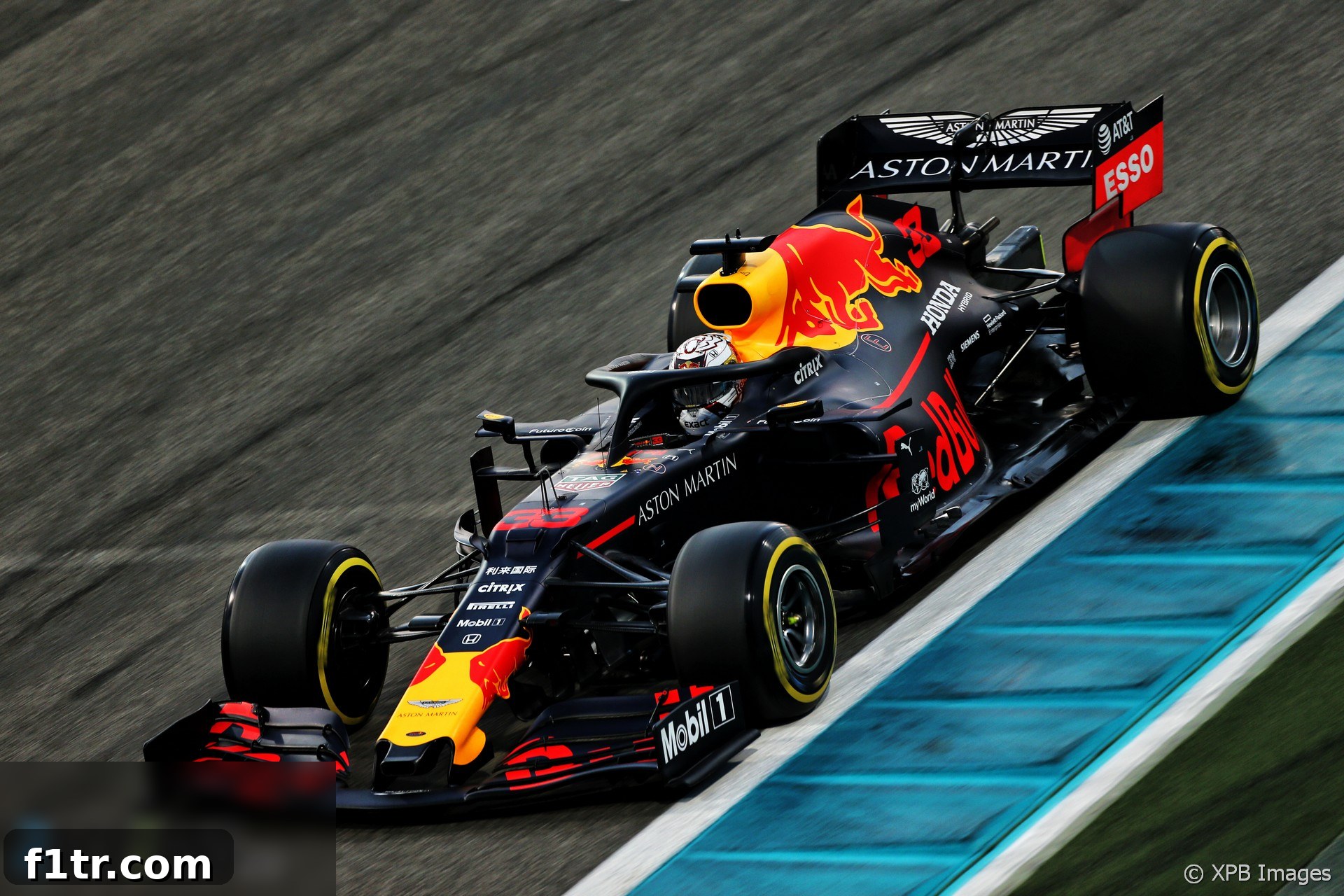
Max Verstappen of Red Bull Racing delivered another season of aggressive and often brilliant driving, securing third place in the championship. His three victories, coupled with consistent podiums, underscored his growing maturity and ability to challenge the Mercedes dominance. The arrival of Honda power provided Red Bull with a significant boost, and Verstappen capitalized fully, often outperforming the Ferraris.
Ferrari’s internal dynamics were a major talking point throughout 2019, with Charles Leclerc emerging as a formidable force against four-time world champion Sebastian Vettel. Leclerc finished fourth, just ahead of Vettel, showcasing incredible raw speed, particularly in qualifying, and securing his first two career wins. Vettel, on the other hand, endured a challenging season marked by strategic errors and personal mistakes, culminating in fifth place. The competitive tension between the two Ferrari drivers added an exciting subplot to the season.
Midfield Heroes: McLaren’s Rise and Others
The midfield battle was arguably the most thrilling aspect of the 2019 season. Carlos Sainz Jnr spearheaded McLaren’s remarkable resurgence, securing sixth place in the drivers’ standings and his maiden F1 podium. His consistent points finishes were crucial in establishing McLaren as the clear ‘best of the rest’. Pierre Gasly, after a mid-season demotion from Red Bull to Toro Rosso, responded magnificently, earning an emotional second-place finish in Brazil and finishing seventh overall, just one point ahead of Alexander Albon, who replaced him at Red Bull and showed promise in his limited appearances.
Other notable performances came from Daniel Ricciardo at Renault, who finished ninth, grappling with a challenging car but still delivering flashes of brilliance. Sergio Perez maintained his reputation as a consistent points scorer for Racing Point, finishing tenth. McLaren’s rookie Lando Norris impressed many with his speed and maturity, ending the year in eleventh. Veterans like Kimi Raikkonen (Alfa Romeo) and Nico Hulkenberg (Renault) also added to the intense midfield competition, while Daniil Kvyat’s return to Toro Rosso saw him take an unexpected podium and finish tied with Hulkenberg for 13th.
At the back of the grid, Williams endured a torrid season, securing only a single point through Robert Kubica, who finished 19th. George Russell, despite not scoring any points, widely impressed with his driving in an uncompetitive car, often outperforming his experienced teammate.
F1 Constructors’ Championship: Mercedes’ Unprecedented Dominance
The 2019 Constructors’ Championship was a testament to Mercedes’ unwavering excellence. They secured their sixth consecutive double world championship, an unparalleled achievement in Formula 1 history. Their W10 EQ Power+ car was a marvel of engineering, combining raw speed with bulletproof reliability, allowing Lewis Hamilton and Valtteri Bottas to accumulate a staggering 739 points. This dominance showcased the effectiveness of their team structure, strategic acumen, and superior power unit.
| Position | Team | Total Points |
|---|---|---|
| 1 | Mercedes | 739 |
| 2 | Ferrari | 504 |
| 3 | Red Bull | 417 |
| 4 | McLaren | 145 |
| 5 | Renault | 91 |
| 6 | Toro Rosso | 85 |
| 7 | Racing Point | 73 |
| 8 | Alfa Romeo | 57 |
| 9 | Haas | 28 |
| 10 | Williams | 1 |
Chasing the Silver Arrows: Ferrari and Red Bull
Ferrari secured a distant second place with 504 points, a result that, while respectable, fell short of their championship aspirations. Despite showing flashes of speed, particularly in the mid-season, their car lacked the all-round performance and consistent reliability of Mercedes. Strategic missteps and driver errors also hampered their challenge, leaving them with much to ponder for the upcoming seasons.
Red Bull Racing finished third with 417 points, significantly closing the gap to Ferrari towards the latter half of the season. The partnership with Honda proved to be a growing success, delivering improved power and reliability. Max Verstappen’s stellar individual performances were key to their points tally, and the team looked increasingly formidable as the year progressed, setting the stage for stronger challenges in the future.
The Resurgent Midfield: McLaren Leads the Charge
McLaren emerged as the standout team in the midfield, securing a fantastic fourth place with 145 points. This represented a significant turnaround for the Woking-based squad, showcasing the effectiveness of their restructuring efforts and the impressive performance of their driver pairing, Carlos Sainz Jnr and Lando Norris. Their strong season provided a much-needed boost and signaled their intent to return to the front of the grid.
Renault, on the other hand, endured a somewhat disappointing season, finishing fifth with 91 points. They failed to make the significant step forward many expected, often struggling with consistency and reliability. Toro Rosso, Red Bull’s junior team, punched above their weight to finish sixth with 85 points, a testament to their shrewd operations and the strong performances of their drivers, particularly after Pierre Gasly’s return. Racing Point claimed seventh with 73 points, while Alfa Romeo Racing finished eighth with 57 points. Haas F1 Team had a particularly challenging year, dropping to ninth with just 28 points, frequently struggling with tire management. Williams Grand Prix Engineering finished last with a solitary point, marking one of their most difficult seasons in history.
The 2019 Abu Dhabi Grand Prix: A Final Showcase
The 2019 Abu Dhabi Grand Prix itself was a fitting end to the season, with Lewis Hamilton delivering a commanding performance from pole position to secure his eleventh victory of the year. The race highlighted Mercedes’ unmatchable package, as Hamilton led every lap, claiming a dominant Grand Slam. Max Verstappen held off Charles Leclerc for second place, wrapping up his strong third-place finish in the championship.
The race in Abu Dhabi also saw some crucial battles in the midfield, as drivers fought for every last point to secure their final championship positions or contribute to their team’s constructors’ standings. While the main championships were decided, the fierce competition for pride and performance was evident across the grid, providing an exciting spectacle to conclude the 2019 campaign.
- 2019 Abu Dhabi Grand Prix Star Performers
- Leclerc would welcome Hamilton as Ferrari team mate
- Vettel aiming for small improvements and fewer mistakes in 2020
- Perez praises Norris’s driving after last-lap pass
- Dominant Hamilton shows F1’s new generation the way in 2019 finale
Browse all 2019 Abu Dhabi Grand Prix articles
The Legacy of the 2019 Season and Beyond
The 2019 Formula 1 season will be remembered for Lewis Hamilton’s relentless pursuit of greatness and Mercedes’ engineering superiority. It also marked a significant turning point for several teams and drivers. McLaren’s turnaround offered a blueprint for resurgence, while the emergence of young talents like Charles Leclerc, Max Verstappen, and Lando Norris signaled a bright future for the sport.
As the season closed in Abu Dhabi, the foundations were laid for future battles. Mercedes’ rivals knew they had a monumental task ahead to close the gap, while the midfield teams aimed to continue their upward trajectory. The 2019 final standings not only encapsulate a season of intense competition and thrilling racing but also set the stage for the strategic and technical challenges that would define the years to come in Formula 1.