Williams F1 Navigates Challenging Financial Waters Amidst Performance Decline and Sponsor Exits
The legendary Williams Formula 1 team has faced a challenging period, as evidenced by its first-half financial results for the current year. Compared to the same period last year, the team saw a notable decline in earnings, largely due to the absence of a significant one-off payment that had bolstered its revenues in 2017. This payment was a direct compensation for releasing their then-driver, Valtteri Bottas, to rival team Mercedes, a move that significantly impacted their financial landscape.
A Closer Look at the Financial Downturn
Williams Grand Prix Engineering (WGPE), the entity responsible for the operation of the iconic Formula 1 team, reported earnings before interest, tax, depreciation, and amortisation (EBITDA) of just £200,000 for the initial six months of 2018. This figure was derived from overall revenues totaling £60.7 million. These numbers starkly contrast with the equivalent period in 2017, where the team registered a much healthier EBITDA of £10.1 million and revenues of £65.5 million.
The primary reason for this significant year-on-year drop in earnings, as understood within industry circles, was the unique financial injection Williams received in 2017. This came in the form of a one-off payment from Mercedes, compensating Williams for releasing Valtteri Bottas. Bottas’s services became highly sought after following the unexpected retirement of reigning world champion Nico Rosberg at the conclusion of the 2016 season. Rosberg’s sudden departure, despite having two years remaining on his contract, created a vacancy at the sport’s dominant team, leading Mercedes to approach Williams for their promising driver. While a crucial financial boost at the time, this non-recurring income highlights the volatility of F1 team finances when unique circumstances arise.
Despite the overall decline in reported earnings, the team’s core operating revenues, which primarily consist of its share of the Formula 1 prize money “pot” disbursed by commercial rights holder Liberty Media, alongside crucial sponsorship income, remained largely consistent between 2017 and 2018. This consistency in recurring revenue streams indicates that the major hit to earnings was indeed attributable to the absence of the exceptional Bottas payment, rather than a fundamental collapse in ongoing commercial activities during this specific period.
Compounding Challenges: Performance Slump and Sponsorship Exodus
While the Bottas payment anomaly explains part of the financial dip, Williams faces several pressing financial concerns that cast a long shadow over its future stability. The team’s current performance downturn on the track is a significant contributor to these worries. At present, Williams languishes in 10th position in the constructors’ championship with minimal prospects of improving its standing this season. This poor on-track showing has direct and severe financial repercussions, as Formula 1’s prize money distribution heavily favors successful teams. Industry projections suggest that this performance slump could lead to an approximate £15 million reduction in FOM (Formula One Management) revenues for the upcoming season, a substantial sum for any independent team, let alone one already grappling with financial pressures.
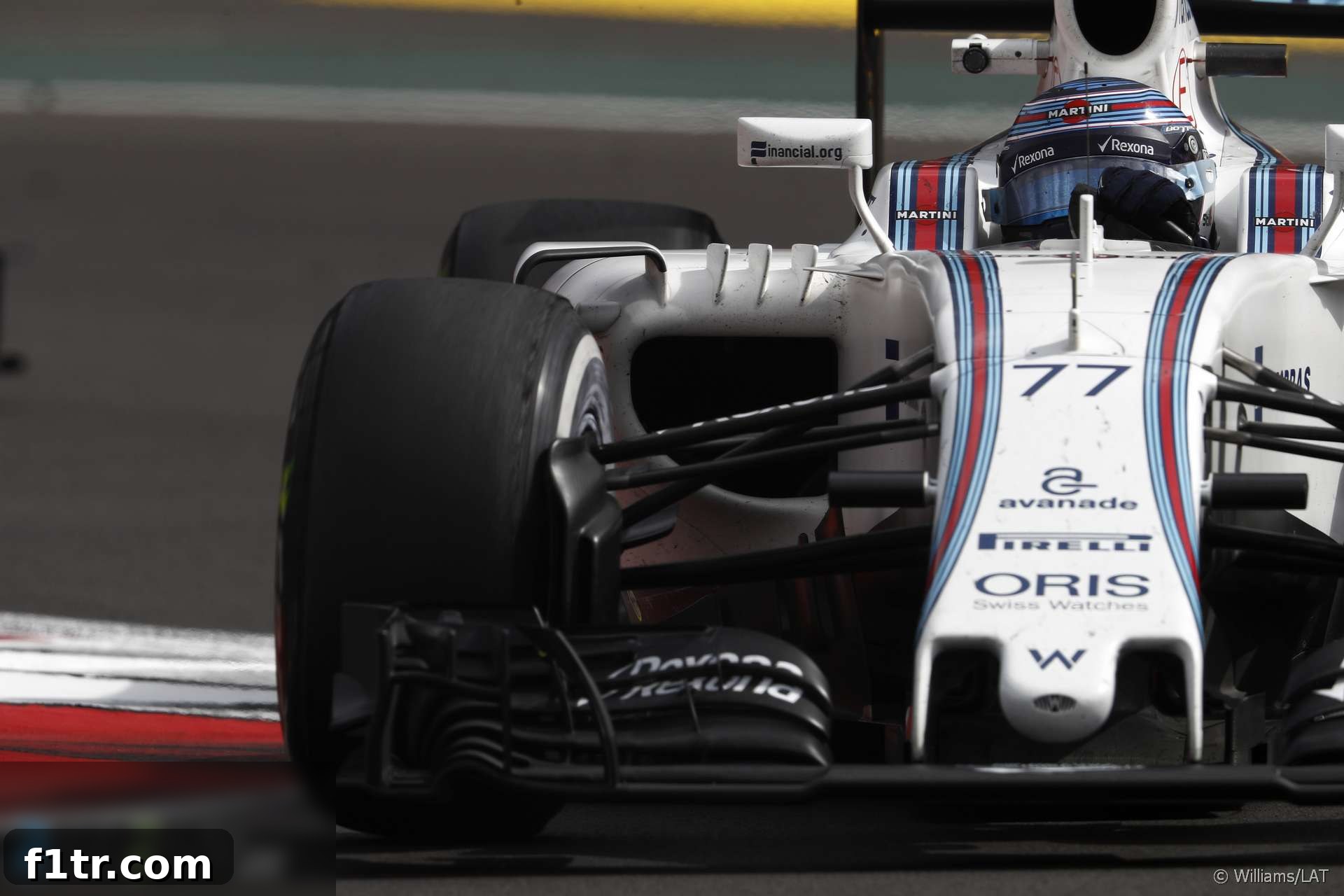
Further exacerbating these financial woes is the impending departure of Martini, the team’s esteemed title sponsor since 2014. Martini’s iconic blue and white livery has become synonymous with Williams over the past few years, providing not only significant financial backing but also crucial brand visibility. The loss of a title sponsor of this caliber at the end of the year will undoubtedly create a substantial void in the team’s budget, requiring an urgent and successful search for a new primary partner to maintain a competitive financial footing.
Williams Advanced Engineering: A Beacon of Growth
Amidst the Formula 1 team’s struggles, Williams Advanced Engineering (WAE) presents a more optimistic picture. WAE, a division that leverages the F1 team’s cutting-edge technologies and expertise for diverse commercial applications outside of motorsport, has demonstrated impressive growth. Mike O’Driscoll, Group Chief Executive Officer, acknowledged this dichotomy, stating, “We have delivered a solid set of financial results in what has been a challenging half year for our Formula 1 operations, whilst continuing to demonstrate growth in our Williams Advanced Engineering business.”
For the January-June 2018 period, WAE reported a turnover of £21.5 million and an EBITDA of £2.2 million. These figures represent a healthy improvement over its 2017 performance for the same period, which saw a turnover of £19.9 million and an EBITDA of £3.4 million. Although the EBITDA saw a slight dip, the increase in turnover signifies robust business activity and expansion. Marginal contributions from the company’s conference and heritage centers further supplement WAE’s financial health, underscoring its role as a crucial diversification strategy for the Williams group.
2017 Full-Year Performance and Strategic Investments
According to its recently filed full-year 2017 report, Williams Grand Prix Engineering recorded an operating profit of £8.2 million from total revenues of £126.7 million. Notably, the sale of fixed property contributed an exceptional £7.3 million to these figures, significantly boosting the bottom line. After accounting for interest charges, this resulted in an impressive operating profit of £14.7 million for the entire year 2017. This full-year perspective further highlights the impact of one-off asset sales and extraordinary payments on Williams’ overall financial health, as opposed to solely operational earnings.
An analysis of the WGPE’s staffing figures for 2017 reveals interesting operational shifts. The average headcount for administration roles increased by eight to 98 compared to 2016. Marketing staff also saw a rise, from 35 to 44. However, the research and development (R&D) department experienced a substantial reduction, dropping from 594 to 482 employees. A company spokesperson clarified that this year-on-year reduction in R&D staffing within WGPE was primarily due to internal transfers to Williams Advanced Engineering, which “transferred to its own entity.” This strategic reallocation of R&D resources underscores the increasing importance of WAE to the group’s overall strategy and potential for future growth.
Navigating Formula 1’s Unprecedented Pace of Change
The team’s official filings candidly acknowledge the relentless evolution of Formula 1. “The pace of change in Formula 1 remains unprecedented,” the reports state. “Despite our continuous investments in people, and our technical and production facilities, there remains a gap to the leading teams.” This statement underscores the immense challenge faced by independent teams like Williams in competing with the heavily resourced, manufacturer-backed outfits at the front of the grid.
In response to this challenging environment, Williams is committed to a program of targeted investments. The aim is to bridge the performance gap while simultaneously maintaining strict financial discipline. The filings emphasize, “Our programme of targeted investments will continue, and we will remain focussed on keeping costs balanced and under control to remain on a solid financial footing.” This commitment to financial prudence is not unique among independent teams in the sport. However, the statement also highlights a critical disparity: “the front runners, with whom we are aiming to compete, continue to benefit from inflated commercial rights income on top of significantly larger budgets for investment and development.” This perennial challenge of an uneven playing field remains a central theme for teams striving to compete at the pinnacle of motorsport.
As Williams navigates these turbulent financial waters, the resilience of its Advanced Engineering division offers a glimmer of hope. However, the core Formula 1 team faces a critical juncture. The dual pressures of declining on-track performance directly impacting prize money and the departure of a major title sponsor necessitate urgent and strategic interventions to secure a robust future for one of Formula 1’s most revered names.
Related F1 Insights and Further Reading
- F1 feared “death knell” for Drive to Survive after Ferrari and Mercedes snub
- McLaren staff told us we were “totally crazy” to take Honda engines in 2018 – Tost
- ‘It doesn’t matter if we start last’: How Red Bull’s junior team aided Honda’s leap forward
- Honda’s jet division helped F1 engineers solve power unit problem
- McLaren Racing losses rise after Honda split
Browse all 2018 F1 season articles