F1 2021 Season Finale in Flux: Saudi Arabia May Replace Abu Dhabi Amid Calendar Reshuffle
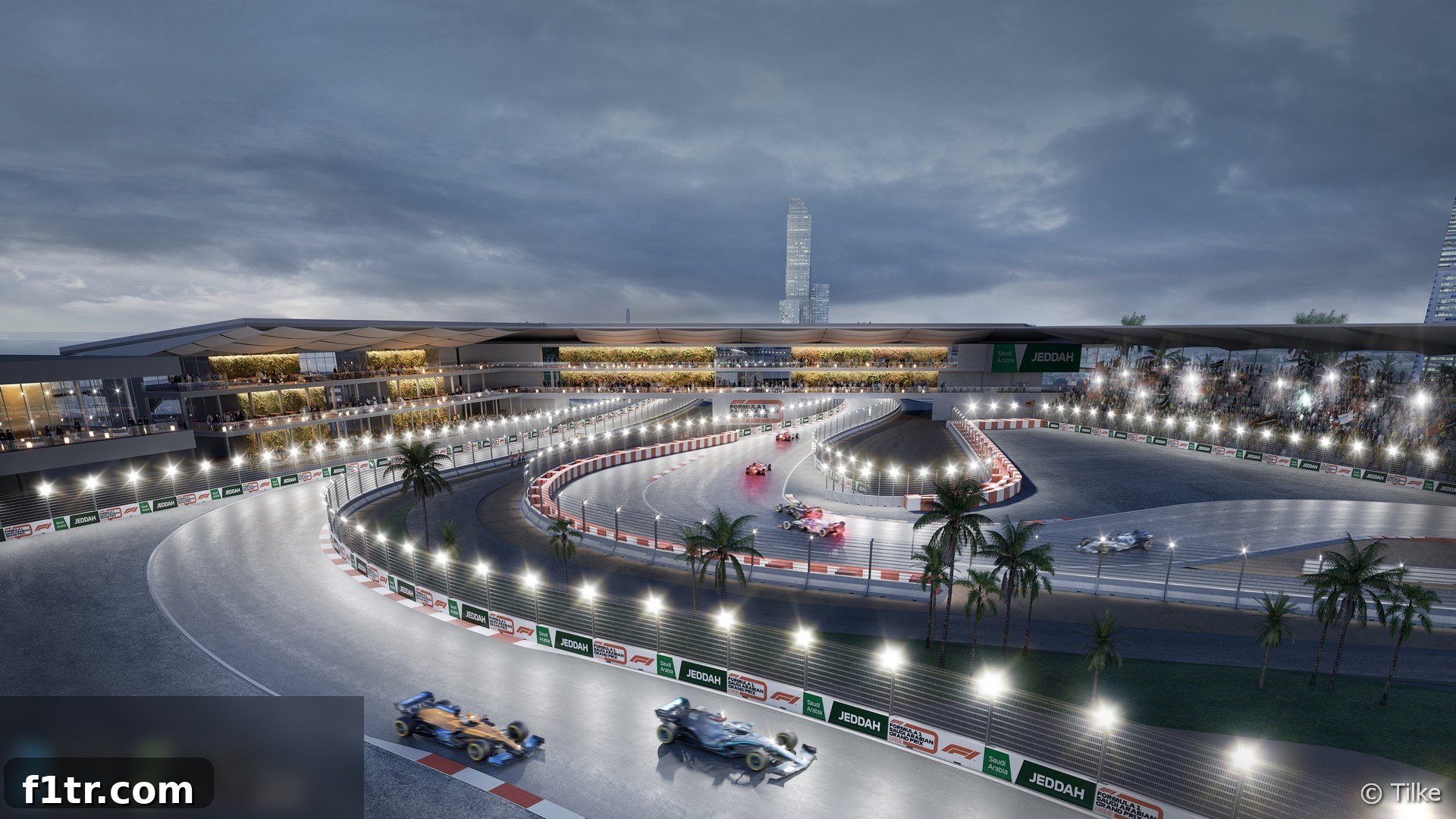
The highly anticipated 2021 Formula 1 season could culminate with a dramatic shift in its final race, as reports suggest the Saudi Arabian Grand Prix may host the season finale instead of the originally planned Abu Dhabi Grand Prix. This significant calendar adjustment, initially uncovered by RaceFans, is reportedly under serious consideration by Formula 1 officials and race organizers, underscoring the dynamic and often unpredictable nature of global sports logistics in the current environment.
Advert | Become a Supporter & go ad-free
Should this proposed change materialize, it would involve a direct swap of weekends between the Saudi Arabian Grand Prix, set to debut at the brand-new Jeddah Corniche Circuit, and the well-established Abu Dhabi Grand Prix at the iconic Yas Marina. Such a move would not only redefine the climax of the 2021 F1 season but also carry substantial implications for teams, personnel, and the overall championship narrative as the sport navigates the complexities of international travel.
The UK Red List: Driving the Calendar Reshuffle
The primary catalyst behind this potential calendar reshuffle is the United Arab Emirates’ inclusion on Britain’s ‘red zone’ list of countries. This classification imposes stringent travel restrictions, particularly for individuals returning to the UK, which is home to a significant number of Formula 1 teams and personnel. For the F1 paddock, a global enterprise with a vast operational base in the United Kingdom, this presents a considerable logistical hurdle. F1 staff, including drivers, engineers, mechanics, and support personnel, who would typically travel to Abu Dhabi for the race scheduled on December 12th, would face a mandatory 10-day hotel quarantine upon their return to the UK. This period of isolation would directly impact their ability to return home, potentially disrupting holiday plans, crucial post-season analysis, and initial preparations for the subsequent championship.
By shifting Abu Dhabi’s race forward by a week and positioning the Saudi Arabian Grand Prix as the final event on the calendar, Formula 1 aims to mitigate the adverse effects of these quarantine requirements. The strategic rationale is that a substantial portion of the 10-day quarantine period could then elapse while staff are still engaged with the Saudi Arabian Grand Prix weekend. This adjustment would allow personnel to either complete their isolation or at least significantly reduce the post-season quarantine burden, making their return to the UK far more manageable. It stands as a testament to the intricate planning and rapid adaptability required to maintain a global racing series in an era of complex and evolving international travel regulations, prioritizing the well-being and logistical stability of its workforce.
Saudi Arabia’s Position and the Prestige of the Finale
Despite the advanced considerations within F1 circles, Prince Khalid Bin Sultan Al Faisal, the president of Saudi Arabia’s motorsport federation, indicated that the Jeddah race promoters had not yet been formally approached regarding a potential date swap. Responding to an inquiry from RaceFans, Prince Khalid stated, “Nobody mentioned something like this but if something helps Formula 1, I need to go back to see if it’s something that we are willing to do.” His comments highlight the ongoing, high-level discussions and the necessity for formal agreement from all involved parties before such a significant change to the calendar can be implemented.
Prince Khalid also offered insight into the contractual preferences of the host nations, remarking, “I know by contract Abu Dhabi want to be the last race. For us I prefer not to be the last race but if it’s something that will help Formula 1 then maybe we can discuss it with them.” This statement vividly illustrates the inherent value and prestige associated with hosting the season finale, a coveted position Abu Dhabi has traditionally held. For Saudi Arabia, a new entrant to the F1 calendar with its spectacular Jeddah Corniche Circuit – a high-speed street circuit designed to deliver thrilling racing – the focus appears to be more on establishing its presence and facilitating the sport’s overall success. While they might prefer an earlier slot, their willingness to adapt showcases a collaborative spirit aimed at solidifying their long-term commitment to Formula 1.
Furthermore, Prince Khalid indicated a desire for Saudi Arabia to secure an earlier date in future seasons, acknowledging the practical considerations and developmental timelines associated with launching a brand-new venue. A late slot in the calendar for its debut season in 2021 allowed crucial construction time for the state-of-the-art facilities. However, an earlier slot would likely be more favorable for long-term operational planning, integration into the global F1 calendar, and potentially avoiding adverse weather conditions or conflicts with other major regional events, ensuring the Jeddah Grand Prix can reach its full potential.
Embracing Sprint Qualifying: A New Dimension for F1 Weekends
Beyond the discussions surrounding calendar dates, the inaugural Saudi Arabian Grand Prix could also mark the third instance of Formula 1’s experimental sprint qualifying race weekend format. This innovative structure, which debuted to mixed but generally positive reviews at the British Grand Prix earlier in the season, aims to inject more action, strategic depth, and unpredictability into the race weekend. Prince Khalid expressed significant enthusiasm for the revised format, stating, “I was there in Silverstone last weekend and I really enjoyed it as a spectator and a promoter.”
His appreciation for sprint qualifying stems from its ability to offer “more races to see more action on Saturday and still the qualifying.” He highlighted the added strategic layer that challenges both teams and drivers: “If you qualify on pole that doesn’t mean that you start the race from pole so this will give pressure on the teams and the drivers so I really enjoyed it. We would love to be one of the countries that have the sprint race.” This endorsement from a prominent promoter underscores F1’s success in engaging new audiences and partners with its format innovations. The sprint race transforms Saturday into a standalone competitive event, determining the grid for Sunday’s main Grand Prix, while a separate qualifying session on Friday sets the grid for the sprint. This provides competitive stakes across all three days of the race weekend, an attractive proposition for venues like Jeddah looking to maximize spectator engagement and global visibility for their inaugural event.
The Australian Grand Prix Replacement: Qatar Emerges as Frontrunner
The 2021 Formula 1 season has been particularly susceptible to calendar disruptions, with the cancellation of the Australian Grand Prix creating another gap that F1 is keen to fill to maintain a robust schedule. Prince Khalid confirmed that Saudi Arabia had not been approached about potentially hosting a second event to replace the cancelled Melbourne race, despite their clear enthusiasm for the sport and its potential economic benefits.
As reported previously, RaceFans understands that the Losail International Circuit in Qatar is now the most probable candidate to replace the cancelled Melbourne event. This development marks another significant expansion of Formula 1’s footprint in the Middle East, a region increasingly vital for the sport’s financial and strategic growth. Qatar’s promoters are reportedly engaged in discussions over an ambitious 10-year race deal, which would commence this season. However, critically, the proposed deal includes a stipulation to skip the 2022 season to avoid a direct clash with the FIFA World Cup, which Qatar is set to host. This demonstrates the intricate balancing act F1 must perform when expanding into new territories, often needing to accommodate other major global sporting events and their complex logistical demands.
The Losail International Circuit, an FIA Grade 1 facility already accustomed to hosting international motorsport events like MotoGP, is exceptionally well-prepared to host a Formula 1 Grand Prix. Its existing, world-class infrastructure means it is ‘F1-ready’, requiring minimal modifications to meet the sport’s demanding standards for safety, track layout, and operational facilities. While Losail would serve as the initial venue, there is also a strategic vision for the future, with the potential for the event to transition to a new, purpose-built street circuit later in the contract’s duration. This echoes the developmental trajectory seen in other host nations, where initial races on permanent tracks eventually give way to iconic street races that more prominently showcase the host city. The entry of Qatar would further solidify the Middle East as a central hub for Formula 1, alongside long-standing races in Bahrain and Abu Dhabi, and the new addition of Saudi Arabia, creating a formidable quartet of events in the region, each contributing to the sport’s global appeal and financial stability.
Conclusion: A Season of Unprecedented Adaptability and Strategic Expansion
The 2021 Formula 1 season continues to be a profound testament to the sport’s remarkable adaptability and resilience in the face of ongoing global challenges. From potential last-minute calendar swaps driven by international travel restrictions and the imperative to protect team personnel, to the innovative implementation of sprint qualifying races that inject new excitement into the weekend format, F1 is constantly evolving. The prospect of Saudi Arabia hosting the season finale, alongside the potential long-term partnership with Qatar for a new Grand Prix, highlights Formula 1’s strategic focus on growth and engagement, particularly within dynamic new markets that offer significant investment and enthusiasm for motorsport.
These developments not only promise thrilling conclusions to the championship and introduce spectacular new venues but also underscore the complex interplay of logistics, governmental relations, contractual obligations, and pure sporting ambition that defines modern Formula 1. As the sport looks towards the future, its ability to adapt, innovate, and strategically expand into key regions like the Middle East will be crucial for sustaining its global appeal and commercial success.
2021 F1 season related articles
- Masi ‘basically gifted the championship’ to Verstappen says 2021 FIA steward Sullivan
- Las Vegas race backers looking to extend F1 deal beyond 2025
- Why Mercedes put ‘a reminder of joy and pain’ on display in their factory lobby
- Verdict on error in GT race suggests Mercedes would have lost 2021 Abu Dhabi GP appeal
- Title ‘stolen’ from Mercedes made us ‘underdogs people cheer for’ – Wolff
Browse all 2021 F1 season articles