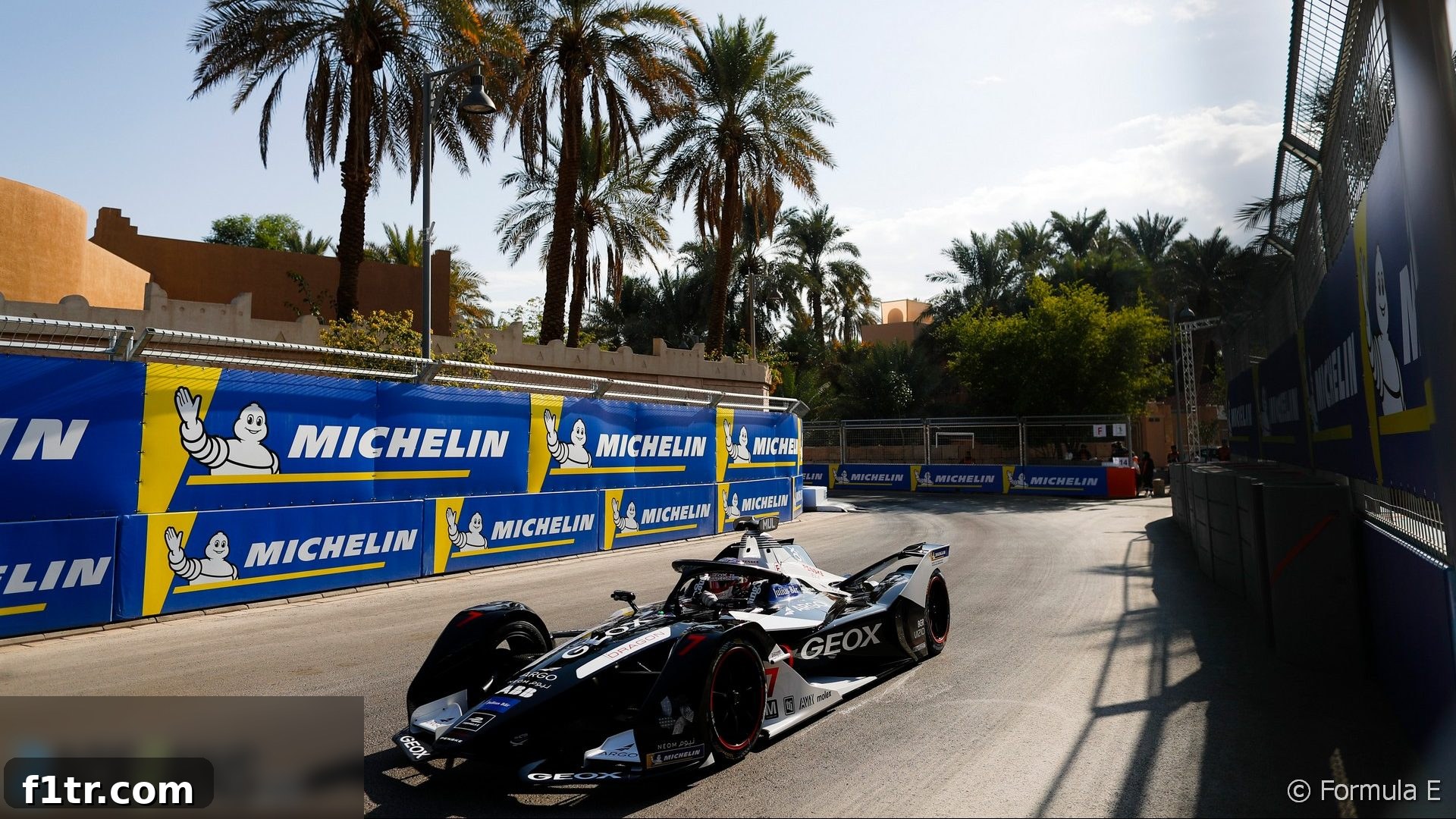
The decision to host major international racing events in Saudi Arabia consistently sparks robust debate, often characterized by political tension and controversy. While much of the global conversation focuses on Western perceptions and geopolitical implications, it is crucial to consider the tangible impact these events have on the lives of Saudi citizens themselves. This article delves into the multifaceted aspects of motorsport in the Kingdom, acknowledging its contentious backdrop while exploring its potential for internal change and societal evolution.
Navigating the Controversial Terrain: Saudi Arabia’s Global Image
The Kingdom of Saudi Arabia frequently finds itself under intense international scrutiny due to a range of well-documented issues. Conversations often highlight deeply concerning human rights records, including the killing of journalist Jamal Khashoggi, the restrictive male guardianship system impacting women’s autonomy in career, financial, and travel decisions, and the absolute intolerance towards LGBTQ+ individuals. Reports of torture used in interrogations, the arrests of human rights activists, and the devastating humanitarian crisis stemming from the war in Yemen further paint a grim picture.
Beyond human rights, Saudi Arabia’s economic backbone, deeply reliant on oil, contributes significantly to global climate change. Allegations of migrant worker abuse, particularly affecting individuals from countries like the Philippines, and past connections to global terrorism have also shaped its external image. These are not minor footnotes; they are fundamental elements of the international discourse surrounding Saudi Arabia, and any engagement with the nation, including through sports, inevitably intersects with these complex realities.
It is essential to list these issues not to dismiss their gravity, but to acknowledge them upfront. However, this article posits a perspective that these critical concerns, while undeniably present, do not necessarily negate the potential for international events like motorsport to foster internal development and challenge existing norms. This viewpoint stems from firsthand experience observing the operations and subtle influences of events like Formula E on the ground within the Kingdom.
Transparency regarding motivations and affiliations is paramount in such discussions. The observations and analyses presented here are entirely independent. No financial remuneration or preferential treatment from Formula E or any associated entities influences this perspective. Unlike some peers, personal travel and accommodation for races were self-funded, with no directives ever received regarding content or tone. This autonomy ensures an unbiased account, developed over multiple seasons of engagement with the series and its host locations.
On the Ground in Riyadh: A Personal Glimpse into Urban Life
My initial journey to Riyadh was facilitated by a Formula E showcase, but subsequent visits were made independently, typically on budget airlines. This approach allowed for an unfiltered experience, free from curated itineraries or official escorts. Unbeknownst to event organizers, personal explorations of Riyadh offered a distinct perspective on the city’s character. Interactions were not with PR agencies or at exclusive dinners, but rather through the standard media provisions – a lanyard, often unreliable Wi-Fi, and access to quotes – mirroring the expected professional arrangement.
Riyadh itself, while the sprawling capital, is not conventionally picturesque. Its ancient heart, Diriyah, where the Formula E races take place, offers breathtaking historical architecture, but much of the modern city is crisscrossed by expansive motorways that fragment its urban fabric. This decentralization often lends a somewhat dusty, suburban feel to many areas, with limited public recreational activities beyond basic shops and eateries. Surprisingly, and perhaps ironically for a city of its scale, Riyadh boasts several outlets of a well-known grilled chicken chain, reflecting subtle shifts in consumer preferences.
With nine million of Saudi Arabia’s 39 million residents calling Riyadh home, the city’s day-to-day rhythm can be perceived as rather subdued. The streets are often populated by older model Toyota Camrys rather than the high-end SUVs frequently associated with Gulf states. Buildings, particularly away from burgeoning development zones, can appear somewhat neglected. The significant migrant worker population is visibly poorer, a reality starkly evident in districts like the heavily Filipino areas visited in December 2019, which stood in contrast to the more affluent, luxury compounds on the city’s periphery. These observations paint a picture of a society with notable economic stratification.
An observable challenge in Riyadh is the urban infrastructure for waste management; rubbish tends to accumulate in streets, becoming a resource for the ubiquitous, scrawny street cats. These felines, a familiar sight across the Middle East and Caucasus, are often indulged by residents, creating a small, endearing constant in the urban landscape. Admitting to finding the city stressful, despite a seasoned background in international travel, highlights the unique pressures and cultural adjustments required, even in a place that is, fundamentally, home to millions of ordinary people.
Sport, Politics, and Vision 2030: A Deeper Dive into Saudi Arabia’s Strategy
When the announcement of motorsport coming to Saudi Arabia was made, the prevailing concerns, particularly for a woman working within Formula E, were significant and deeply personal, touching upon professional longevity and workplace experience. These anxieties were directly put to Formula E CEO Alejandro Agag during a press conference. His response, asserting that sport is not political, remains a point of fundamental disagreement. Sport, particularly international mega-events, is inherently political. The very act of racing in Saudi Arabia carries significant political optics, interpreted by many as an endorsement of the existing regime, which is precisely why it generates such strong objections globally.
From an external perspective, the presence of Formula 1 or Formula E in Saudi Arabia is largely viewed through the lens of sport itself. By extension, those involved in and observing these sports are often seen as being lured by the considerable financial incentives, primarily from oil wealth. To suggest that the substantial funding from entities like Aramco is not a critical factor in attracting these events would be naive and simplistic.
The sudden influx of international sporting events into Saudi Arabia is intrinsically linked to Vision 2030, a comprehensive strategic framework initiated by the Saudi state. This ambitious plan aims to diversify the economy, reduce its dependence on oil, and improve various aspects of life for its citizens. While often framed by international observers as a sophisticated public relations exercise designed to “sportswash” the regime’s image without genuine internal change, Vision 2030 also possesses profound internal motivations.
Within Saudi Arabia, a relatively youthful population—70% are between 15 and 30 years old—faces challenges related to quality of life and life expectancy. A significant portion of the workforce, around 90%, historically engaged in agriculture, is vulnerable to the accelerating effects of climate change. For decades, the populace has lived under considerable social restrictions, with limited access to public entertainment and recreational activities. Vision 2030, therefore, explicitly includes the provision of sports, cultural activities, and entertainment as a key component in enhancing citizens’ well-being and social engagement, moving beyond decades of what was, in essence, a societal lockdown.
For motorsport enthusiasts, the allure of live race action is profound. The craving to attend events after prolonged absences, like the nine-month deprivation experienced during the pandemic, underscores the deep emotional connection many feel to the sport. Denying access to such experiences, particularly in regions where they have historically been unavailable, speaks to a broader principle of opportunity and engagement that Vision 2030 seeks to address domestically.
Motorsport as a Catalyst for Social Evolution: Challenging the Status Quo
Motorsport, by its very nature, is a world often characterized by its conservatism compared to broader societal norms. However, when this inherently traditional world is introduced into an even more conservative society, its presence can become surprisingly radical. The arrival of the Saudi Arabian E-Prix in 2018 exemplified this dynamic. A fundamental condition for the race was that it had to operate consistently with other rounds of the championship, particularly regarding inclusion.
This stipulation meant that women, who until that very summer had been legally banned not only from participating in motorsport but even from driving, had to be welcomed at the event. Furthermore, mixed-gender grandstands became a requirement, alongside the provision for women-only viewing options. Crucially, the event also introduced women onto the track through a special test session, allowing teams to run a second car if they chose a female driver. This initiative marked a significant departure from long-standing cultural norms.
This unique test established Saudi Arabia, by a considerable margin, as the country where the highest number of women have simultaneously driven current, top-flight, single-seater race cars. While some might question the practical significance of such a statistic, its symbolic power and real-world implications are undeniable. When this fact was presented to the head of the Saudi sports authority during a visit to Riyadh, initially as a conversational gambit, a shared understanding emerged: any other country over the past 120 years of motorsport history could have implemented such an initiative, but few did. The specific condition of inclusion, mandated as part of the race agreement, created an unprecedented environment actively encouraging women’s participation and visibility, starkly contrasting with the passive or non-existent encouragement seen elsewhere globally.
The Human Impact: Real Stories from the Grandstands and Cultural Integration
Does the presence of such events signify that women’s rights issues in Saudi Arabia are resolved? Absolutely not. It would be unrealistic and disingenuous to expect an electric motorsport race to dismantle entrenched societal structures. The political influence of such events operates on a more localized, incremental scale. However, they possess the power to cultivate a more inclusive and progressive environment within the context of the event itself. This act of fostering inclusivity is inherently political, regardless of geographical location, and initiatives like Formula 1’s ‘#WeRaceAsOne’ must ensure consistent application of their diversity principles globally.
The arrival of the first race created surreal experiences. For many Saudi teenage girls, the sight of a woman working in motorsport was a profound novelty. They approached with palpable excitement, eager to converse, turning a routine professional presence into an unexpected symbol. For these young women, who had never before attended a race due to its prior absence and the former prohibition on women’s attendance—only lifted through the concerted efforts of the FIA and Formula E leaning on E-Prix organizers—the experience was transformative. Their fascination with the notion of someone traveling from London to their country for an event they deemed monumental offered a sharp, humbling reflection on personal privilege.
The second year of the E-Prix faced logistical challenges, particularly concerning ticketing. The bundling of race and concert attendance led organizers to believe they had sold out, yet daytime attendance, especially on Friday (a key family and mosque day, marking the start of the Islamic weekend), was noticeably sparse. Thousands would only arrive for the evening’s entertainment, creating a disjointed experience. These cultural specificities highlight the complexities of integrating global events with local customs. The surreal atmosphere sometimes led to unexpected moments, such as finding oneself in a mosh pit with track marshals, listening to a Lebanese rapper perform a cover of a classic Western ballad, a unique blend of cultures that defined the concert experience.
Historical Precedents and the Future of Engagement
Historically, the introduction of Western cultural elements into highly controlled societies has often sparked initial outrage but ultimately paved the way for greater openness and eventual change. The first Western concerts in the Soviet Union serve as a compelling parallel; initially met with scorn, they were beloved by fans and contributed to an era of increased cultural exchange and, ultimately, significant societal transformation. Whether the sustained introduction of international sports into Saudi Arabia will yield similar long-term shifts towards greater openness and reform remains to be seen. A clear-cut answer is elusive, as predicting future societal trajectories is inherently complex.
Nevertheless, if the international community genuinely desires Vision 2030 to be a sincere effort that measurably improves the lives of Saudi Arabians, then sustained international scrutiny and engagement are not merely beneficial but essential. External observation acts as a crucial check and balance, potentially ensuring that stated goals translate into meaningful progress.
The often-repeated assertion that “We’re not a political organization. Sport should never be seen to be political,” articulated by figures like Red Bull team principal Christian Horner regarding F1’s Saudi Arabian plans, often rings hollow when examined against reality. The same Red Bull team, for instance, hosted a campaign visit for then-candidate Boris Johnson during a British general election. This illustrates that top-tier sports are frequently, and at times overtly, leveraged for political ends.
The use of Formula 1 for political objectives is far from novel; it is an established pattern in global sports. There will undoubtedly be elements of political messaging and maneuvering surrounding the Jeddah race, much like any other major international event hosted in a politically sensitive region. Audiences are discerning enough to recognize these dynamics, just as few would genuinely believe that Vladimir Putin’s presence on a Sochi podium miraculously resolved the protracted ethnic conflicts merely 25 kilometers away. The role of sport in these contexts is rarely about immediate resolution, but rather about a slow, often complex, process of engagement and potential influence.
In conclusion, the presence of global motorsport in Saudi Arabia represents a profound paradox. It operates against a backdrop of grave human rights concerns and geopolitical complexities, fueled by significant economic investment. Yet, from an internal perspective, it also serves as a critical component of a national vision to modernize, diversify, and improve the social fabric for its youthful population. The debates around “sportswashing” are legitimate and necessary, but they should not overshadow the tangible, albeit incremental, shifts that can occur on the ground. By demanding conditions of inclusion, fostering new cultural experiences, and maintaining vigilant international scrutiny, these events hold a fragile potential to be more than just spectacles, potentially contributing to a future of greater openness and opportunity within the Kingdom.