The roar of the engines in Formula 1 is often accompanied by the passionate cries of fans, nowhere more fervently than for Scuderia Ferrari. A name synonymous with racing excellence, tradition, and countless championships, Ferrari holds a unique place in the hearts of motorsport enthusiasts worldwide. However, the initial rounds of the 2020 F1 season presented a stark and disappointing reality for the Maranello squad. Following a surprisingly challenging start, which saw the iconic team trailing far behind its main rivals, Ferrari announced a significant restructuring of its technical department. This decisive move aims to accelerate the development of its Grand Prix car and address the fundamental performance issues that plagued the SF1000, setting a new course for the future of the legendary Italian marque in the fiercely competitive world of Formula 1.
Addressing the 2020 Performance Gap: Why Change Was Imperative
The 2020 Formula 1 season began under unprecedented circumstances, but for Ferrari, the challenges extended beyond the global pandemic. Despite winning three races and battling for victories in 2019, the team’s performance plummeted dramatically at the start of 2020. At the season’s opening rounds, the SF1000 chassis struggled immensely, failing to place both cars in the final qualifying segment (Q3) – a rare and concerning occurrence for a team of Ferrari’s stature. This immediate and undeniable performance deficit sent shockwaves through the F1 paddock and among the Tifosi, prompting urgent action from the team’s leadership.
The core of Ferrari’s struggles lay in two critical areas: engine performance and aerodynamic efficiency. The SF1000 exhibited a notable weakness in straight-line speed, a crucial characteristic for competitive lap times. This deficit was widely attributed to a significant loss of engine performance compared to the previous season, alongside the car’s inherent high-drag characteristics. In an environment where every tenth of a second counts, these combined factors rendered the SF1000 uncompetitive, particularly against the dominant pace of rivals like Mercedes. The lack of straight-line pace not only hindered outright speed but also compromised tire management and race strategy, creating a domino effect of underperformance. The urgency of the situation demanded a rapid and comprehensive response to prevent further decline and to lay the groundwork for a return to form.
A Reorganized Technical Department: Structure and Vision
In response to these pressing issues, Ferrari outlined a comprehensive overhaul of its technical department. The goal, as stated by the team, is to create a structure that is “more focused and simplified” while simultaneously empowering the heads of each department with the necessary authority to achieve their objectives. This strategic reorganization is designed to streamline decision-making processes, enhance communication, and foster a more agile development environment. At the heart of this restructuring is the creation of a brand-new department dedicated specifically to performance development, a clear indication of Ferrari’s renewed focus on on-track competitiveness.
This pivotal new performance development department will be led by Enrico Cardile. Cardile’s appointment signifies a commitment to injecting fresh perspectives and leadership into a crucial area of the team’s operations. The role demands not only technical acumen but also strong leadership qualities to guide the complex process of improving a Formula 1 car’s performance across all facets. This new structure is designed to avoid diffusion of responsibility and instead concentrate expertise and authority, ensuring that specific goals are met with dedicated resources and clear accountability.
Mattia Binotto’s Vision for a New Winning Cycle
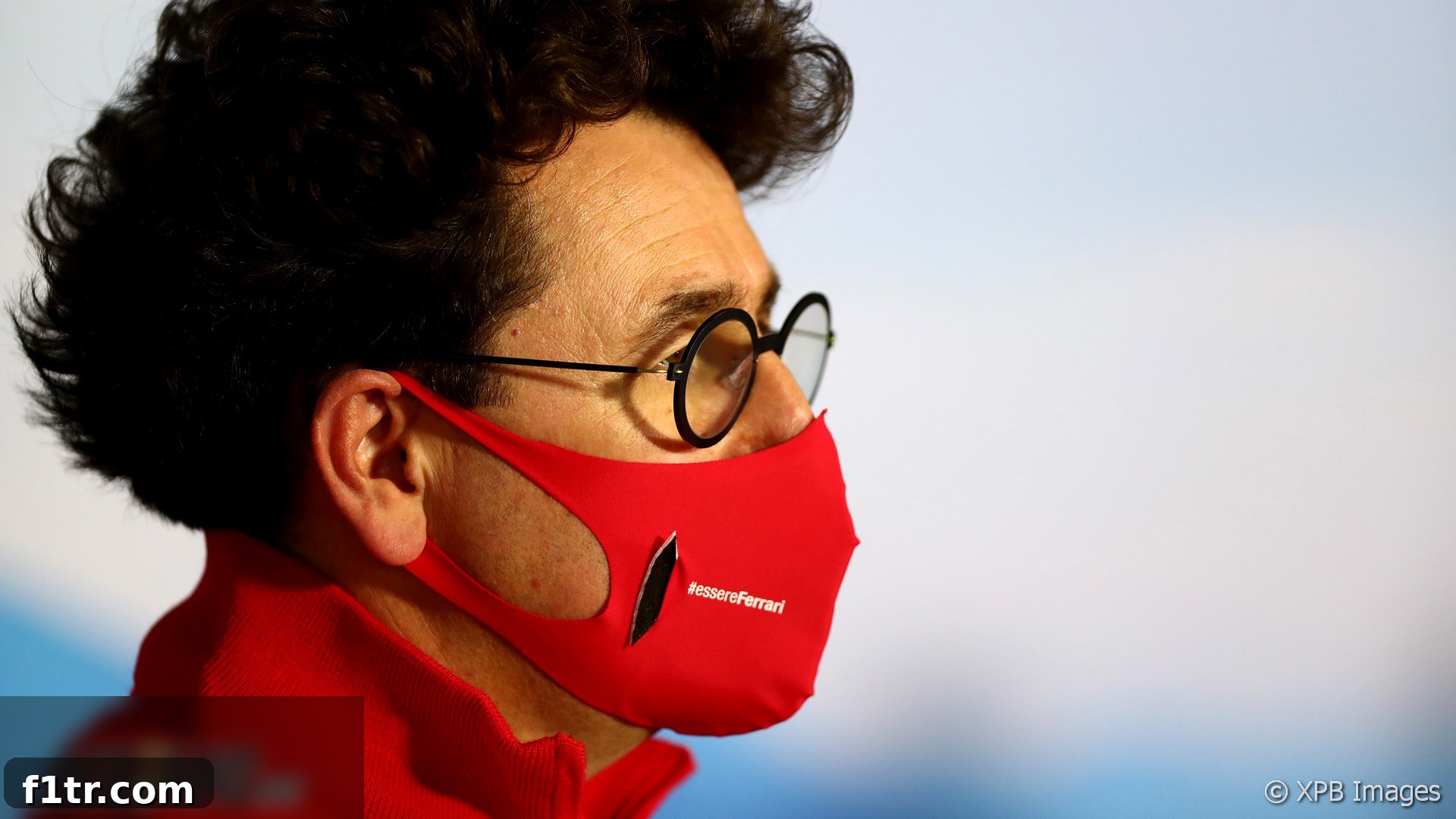
Team Principal Mattia Binotto, speaking on the changes, emphasized the necessity of this strategic shift. “As hinted at a few days ago, we are making changes to the technical side of the organisation so as to speed up the design and development on the car performance front,” Binotto stated. His comments highlighted the critical need for speed and efficiency in the iterative process of Formula 1 car design and refinement. In a sport where development never truly stops, any slowdown in this cycle can lead to a rapid loss of competitive edge. Binotto’s focus on accelerating development underscores a recognition of the dynamic nature of F1 and the imperative to stay ahead of, or at least abreast with, rivals.
Binotto further elaborated on the rationale behind the reorganization, stressing the importance of defining “clear lines of responsibility and working processes.” This suggests that prior structures may have suffered from ambiguities or inefficiencies that hindered rapid progress. By clearly delineating roles and responsibilities, Ferrari aims to eliminate bottlenecks and foster a more collaborative yet accountable working environment. Crucially, Binotto also reaffirmed the company’s “faith in its technical talent pool,” a vital message for the morale of the engineers and designers who form the backbone of the Scuderia. This vote of confidence, coupled with the organizational changes, aims to empower the existing talent to perform at their peak.
The new department, under Enrico Cardile’s leadership, is poised to become the “cornerstone of the car’s development.” It will benefit significantly from the invaluable experience of legendary designer Rory Byrne, whose contributions to Ferrari’s past championship-winning cars are unparalleled. Byrne’s expertise in aerodynamic design and overall car concept will provide a crucial guiding hand. Alongside Byrne, established engineers such as David Sanchez will contribute their profound knowledge, creating a formidable brain trust. This combination of seasoned veterans and renewed leadership is expected to bring a blend of historical understanding and innovative thinking to tackle the complex engineering challenges of modern Formula 1.
Binotto’s conviction in Ferrari’s personnel is unwavering: “We believe Ferrari personnel are of the highest level and we have nothing to envy about our main competitors in this respect.” However, he acknowledged the necessity for a “decisive change,” particularly in “raising the bar in terms of the responsibilities of the department heads.” This implies a shift towards greater autonomy and accountability for individual leaders within the technical team, fostering an environment where innovation is encouraged and performance is directly linked to outcomes. It’s a call for decisive leadership at every level, designed to unlock the full potential of Ferrari’s talented workforce.
The Team Principal also framed the current difficulties as part of a longer journey, stating, “We have started to lay the foundations of a process which should lead to a new and enduring winning cycle.” This forward-looking perspective indicates that the changes are not merely a short-term fix but part of a sustained strategy to achieve lasting success. Binotto candidly admitted that “It will take some time and we will suffer setbacks like the one we are experiencing right now in terms of results and performance.” This level of honesty is rare in Formula 1 and serves to manage expectations, acknowledging that the path back to the top is arduous and will not be without its challenges. It demonstrates a realistic approach to a complex problem, setting a foundation of transparent communication.
Despite the anticipated difficulties, Binotto concluded with a resolute message: “However, we must react to these shortcomings with strength and determination to get back to being at the very top of this sport as soon as possible. This is what we all want and what our fans all over the world expect of us.” This statement encapsulates the enduring spirit of Ferrari – a relentless pursuit of victory, driven by an unwavering commitment to its storied legacy and its global fanbase, the Tifosi, who demand nothing less than excellence from their beloved team. The reorganization is therefore not just a technical adjustment but a declaration of intent, a promise to fight back with renewed vigor and strategic clarity.
The Road Ahead: Challenges and Aspirations
The path for Ferrari to reclaim its former glory is undoubtedly steep. The landscape of Formula 1 is more competitive than ever, with strict budget caps, evolving technical regulations, and formidable rivals like Mercedes and Red Bull Racing constantly pushing the boundaries of performance. The technical overhaul, while crucial, is just the first step in a long and complex journey. It will require sustained innovation, flawless execution, and a rapid learning curve to translate the new organizational structure into tangible improvements on track.
The immediate challenge lies in understanding and rectifying the fundamental flaws of the SF1000 and then applying those lessons to future car designs. The development cycles in Formula 1 are unforgiving, and the ability to iterate quickly and effectively is paramount. The inclusion of experienced minds like Rory Byrne, combined with the focused leadership of Enrico Cardile, suggests a concerted effort to leverage deep institutional knowledge while fostering a culture of continuous improvement and adaptation. The hope is that by empowering specific departments and clarifying responsibilities, Ferrari can accelerate its decision-making and development processes, ultimately leading to a more competitive package.
Beyond the immediate technical fixes, the reorganization also signals a cultural shift within the Maranello factory. It’s about instilling a renewed sense of purpose, accountability, and collective drive. For a team with Ferrari’s legacy, the pressure to succeed is immense, but so too is the resilience and passion embedded in its DNA. The global fanbase, the Tifosi, watches with bated breath, hoping that these strategic changes mark the beginning of a resurgence. Their unwavering support is a constant reminder of the high stakes involved and the profound significance of Ferrari’s performance in Formula 1. The aspiration is not merely to compete, but to once again lead, to initiate an “enduring winning cycle” that cements Ferrari’s position at the pinnacle of motorsport for years to come.
Further Reading on the 2020 F1 Season
- Grosjean to make F1 test return tomorrow for first time since Bahrain horror crash
- Pictures: Wrecked chassis from Grosjean’s Bahrain fireball crash to go on display
- Bottas vs Rosberg: Hamilton’s Mercedes team mates compared after 78 races each
- F1 revenues fell by $877 million in Covid-struck 2020 season
- Hamilton and Mercedes finally announce new deal for 2021 season
Browse all 2020 F1 season articles