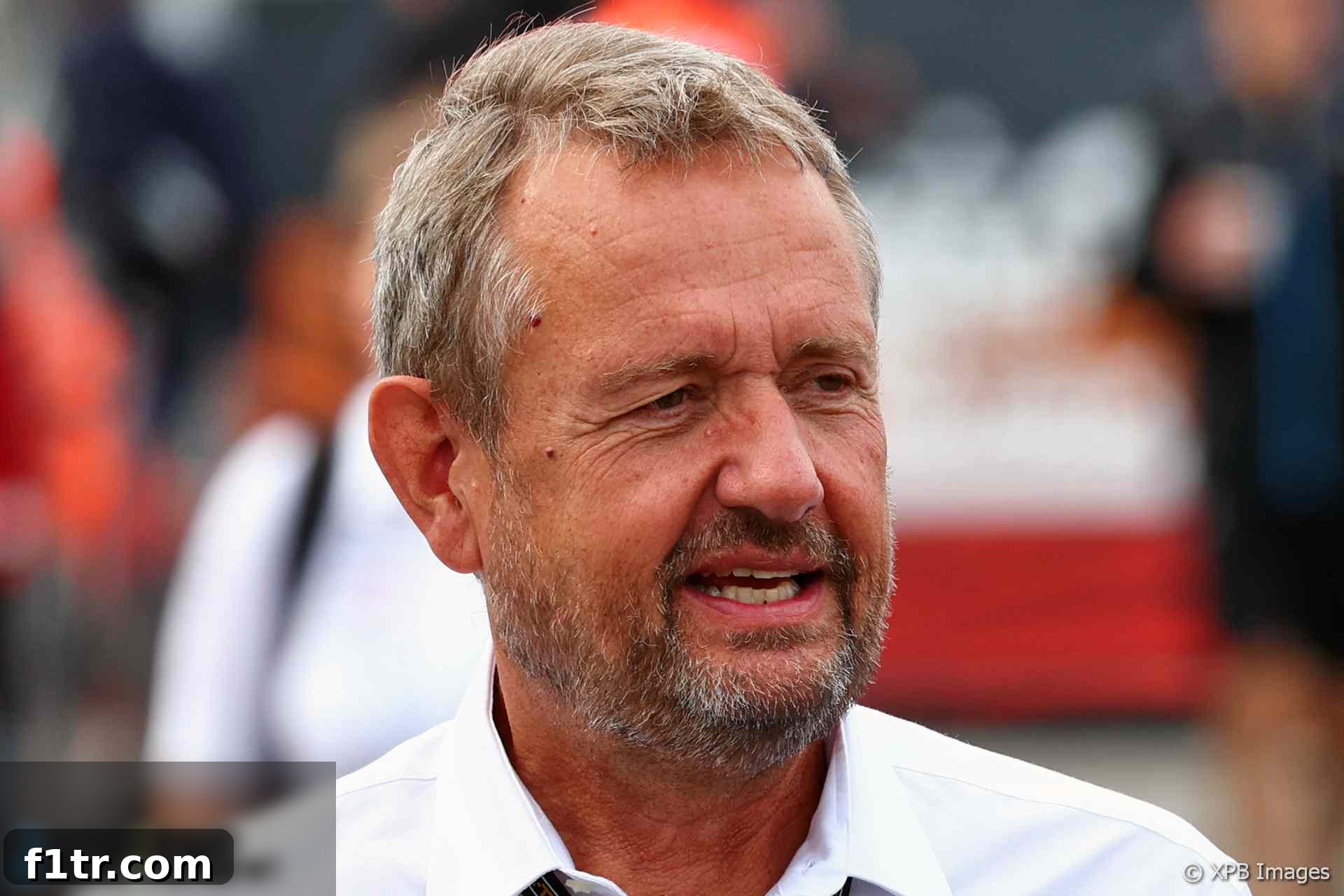
The Fédération Internationale de l’Automobile (FIA), the global governing body for motorsport, has officially announced significant leadership changes within its Formula 1 division. These include the unexpected departure of two prominent figures – Steve Nielsen, who served as Sporting Director, and Tim Goss, the Technical Director. Their exits come at a particularly sensitive juncture as the FIA works diligently on finalizing the pivotal regulations for the 2026 Formula 1 season. Concurrently, the organization has confirmed a strategic promotion, elevating Tim Malyon to the crucial role of Single-Seater Sporting Director, a move aimed at bolstering the FIA’s operational and regulatory frameworks.
FIA Undergoes Key F1 Leadership Changes: Departures of Nielsen and Goss Coincide with Malyon’s Strategic Promotion Amidst Critical 2026 Regulation Development
The FIA’s Formula 1 department is experiencing a notable shake-up in its senior leadership. Steve Nielsen, a highly respected figure in the motorsport world who had only joined the Federation from Formula 1 Management in January of the previous year, is set to step down from his position as Sporting Director at the end of the current month. His arrival was initially heralded by the FIA as the final piece in the comprehensive restructuring of its F1 operations, underscoring the high expectations placed on his experience and leadership. Alongside Nielsen, Tim Goss, who has been the FIA’s Technical Director since 2021, will also be departing the governing body to pursue a new opportunity elsewhere.
A Double Departure: Nielsen and Goss Exit FIA’s F1 Ranks
The departure of Steve Nielsen, especially less than a year after his highly publicized appointment, marks a significant moment for the FIA. Nielsen brought with him a wealth of experience from his tenure at Formula 1 Management, where his expertise in operational and logistical aspects of the sport was invaluable. His role as Sporting Director for the FIA was designed to streamline and enhance the sporting integrity and operational efficiency of the F1 championship. During his relatively short time, Nielsen was undoubtedly instrumental in guiding the single-seater department through the 2023 Formula 1 season, contributing to what Nikolas Tombazis, Director of the FIA’s single-seater division, described as “a crucial year of development and positive steps forward in our activities.” While acknowledging the work still ahead, Tombazis’ comments highlight the foundations Nielsen helped to lay.
Complementing Nielsen’s departure is that of Tim Goss, a veteran technical mind in Formula 1. Goss, who joined the FIA in 2021, has played a pivotal role as Technical Director, overseeing the technical regulations and their implementation. His deep understanding of F1 car design and engineering principles has been vital, particularly in navigating the complex technical landscape of modern Formula 1. The technical department is the backbone of regulatory oversight, ensuring fair competition and safety through meticulously crafted rules. Tombazis conveyed the FIA’s disappointment at losing a professional of Goss’s stature, emphasizing that “Tim has played a major part in the technical department and has always operated to the highest level.” The simultaneous exit of two such senior figures from both the sporting and technical arms of the FIA’s F1 division undeniably poses a challenge, particularly given the extensive work currently underway to define the future of the sport.
Advert | Become a Supporter & go ad-free
The Critical Juncture: Shaping Formula 1’s Future with 2026 Regulations
These high-profile departures arrive at an exceptionally critical period for the FIA as it dedicates considerable resources to shaping the definitive regulations for the 2026 Formula 1 season. The upcoming rule changes are anticipated to be among the most transformative in recent F1 history, fundamentally altering both the power units and aerodynamic characteristics of the cars. Significant progress has already been made on the engine formula, with a new generation of power units designed to be more sustainable, featuring increased electrical power and using 100% sustainable fuels. This forward-looking approach has successfully attracted the interest of new manufacturers, signaling a healthy future for the sport’s powertrain development. However, the equally complex and controversial chassis and aerodynamic rules are still undergoing meticulous finalization.
Defining these chassis regulations is a monumental task, requiring a delicate balance between encouraging innovation, promoting closer racing, ensuring driver safety, and controlling costs for participating teams. The decisions made during this phase will profoundly impact the competitive landscape of Formula 1 for years to come. The technical expertise and leadership of individuals like Tim Goss were crucial in this intricate process of drafting, refining, and consulting on these rules with the F1 teams and stakeholders. Similarly, the sporting regulations, which Steve Nielsen was responsible for, must evolve in tandem to ensure that the new technical framework translates into exciting and fair racing. The combined absence of such experienced leaders underscores the importance of the continuity and expertise within the remaining FIA team, as they navigate this intricate period of regulatory development.
Tim Malyon Ascends: A New Sporting Director for F1’s Single-Seater Division
In response to these changes and as part of its ongoing strategic evolution, the FIA has confirmed the promotion of Tim Malyon to the elevated position of single-seater Sporting Director. This appointment signifies a crucial step in reinforcing the leadership structure within the FIA’s Formula 1 operations. Malyon is a well-regarded figure within the motorsport community, bringing a wealth of experience cultivated through his previous tenures at top-tier Formula 1 teams, including Red Bull Racing and Sauber. His deep understanding of team dynamics, race operations, and the intricate workings of an F1 paddock makes him an ideal candidate to steer the sporting direction of the championship. Having joined the FIA in 2019, Malyon has already established himself as a valuable asset within the organization, gaining a comprehensive insight into the Federation’s internal workings and its broader responsibilities as a governing body.
In his new role as single-seater Sporting Director, Tim Malyon will assume oversight of critical aspects of Formula 1 race management, specifically the Race Operations Centre (ROC) and race direction. While Niels Wittich will continue in his established role as the FIA’s F1 Race Director, Malyon’s leadership will focus on ensuring robust and consistent application of sporting regulations and enhancing the efficiency and integrity of race operations. Nikolas Tombazis expressed strong confidence in Malyon’s capabilities, stating, “Tim has a wealth of motorsport experience and expertise at the highest level. He will play a major role as we continue to bring rigour to our sporting and regulatory practices and procedures, and he will drive the innovation we have brought to our race control operation.” This promotion highlights the FIA’s commitment to continuous improvement and its proactive approach to strengthening its operational capabilities, particularly in light of recent high-profile departures.
Innovating Race Control: AI, Data, and the Future of FIA Sporting Regulations
A significant aspect of Tim Malyon’s mandate will be to spearhead further innovation within race control operations, an area where the FIA has already made substantial advancements. Under his guidance, the synergy between race control and the Race Operations Centre (ROC) is expected to be further enhanced through the integration of cutting-edge technology. This includes the application of artificial intelligence (AI) and state-of-the-art data analysis and processing systems. These technological innovations are not merely cosmetic; they are designed to provide race officials with unparalleled real-time insights, enabling more accurate, consistent, and swift decision-making during the intensely dynamic environment of a Formula 1 race. The use of AI, for instance, can assist in identifying potential infringements, monitoring track conditions, and analyzing complex racing incidents with a level of detail and speed previously unimaginable.
Malyon’s deep involvement in pioneering these technologies has been pivotal in creating a stronger, more responsive framework for race management. As Tombazis pointed out, “Tim has been pivotal in creating a strong synergy between race control and the ROC with the introduction of new technology including artificial intelligence and state-of-the-art data analysis and processing systems.” Looking ahead, Malyon will continue to oversee the advancement and implementation of these innovative tools. Beyond technological development, his role also encompasses taking the lead on the evolution of FIA sporting regulations. This includes reviewing existing rules, proposing necessary amendments, and developing new regulations to ensure they remain relevant, fair, and conducive to the highest standards of competitive motorsport. His combined responsibility for both operational innovation and regulatory evolution underscores the FIA’s holistic strategy for maintaining Formula 1’s position at the pinnacle of global motorsport.
FIA’s Enduring Commitment to Formula 1 Excellence
The recent changes in the FIA’s Formula 1 leadership, marked by both significant departures and a strategic promotion, underscore the dynamic and evolving nature of motorsport governance. While the exits of experienced figures like Steve Nielsen and Tim Goss present challenges, particularly during the crucial phase of developing the 2026 regulations, the FIA’s swift action in promoting Tim Malyon demonstrates its commitment to continuity and progress. Malyon’s extensive background and his dedication to leveraging advanced technology like AI and sophisticated data analysis in race control are poised to further enhance the rigor and fairness of Formula 1’s sporting practices. As the FIA continues to navigate the complexities of regulatory frameworks and operational excellence, its ultimate objective remains steadfast: to uphold the integrity, safety, and thrilling spectacle that defines Formula 1, ensuring its sustained growth and appeal for fans and participants worldwide. The upcoming years, particularly leading into the 2026 season, will be a testament to the effectiveness of these leadership adjustments and the Federation’s enduring vision for the future of top-tier single-seater racing.
Advert | Become a RaceFans supporter andgo ad-free
Related Formula 1 Articles
- GT driver killed in multi-car crash at Nurburgring Qualifiers
- Should F1 change tracks or racing guidelines to tackle dangers in 2026 rules?
- Controversies, Norris, Newey and more: Five new motorsport books reviewed
- One of F1’s greatest races happened 15 years ago today. Or did it?
- “Overtaking is overtaking”: Domenicali denies F1’s yo-yo racing is “artificial”
Browse all Formula 1 articles