Melbourne, Australia – Pirelli, the exclusive tire supplier for the Formula 1 World Championship, has officially unveiled the highly anticipated tire compound selections made by each team and driver for the season-opening Australian Grand Prix. This announcement marks a critical first strategic move of the 2018 Formula 1 season, setting the stage for an intriguing battle on the challenging Albert Park circuit. The choices reflect each constructor’s initial approach to performance and race strategy, providing an early glimpse into their confidence and tactical intentions for the inaugural race of the championship.
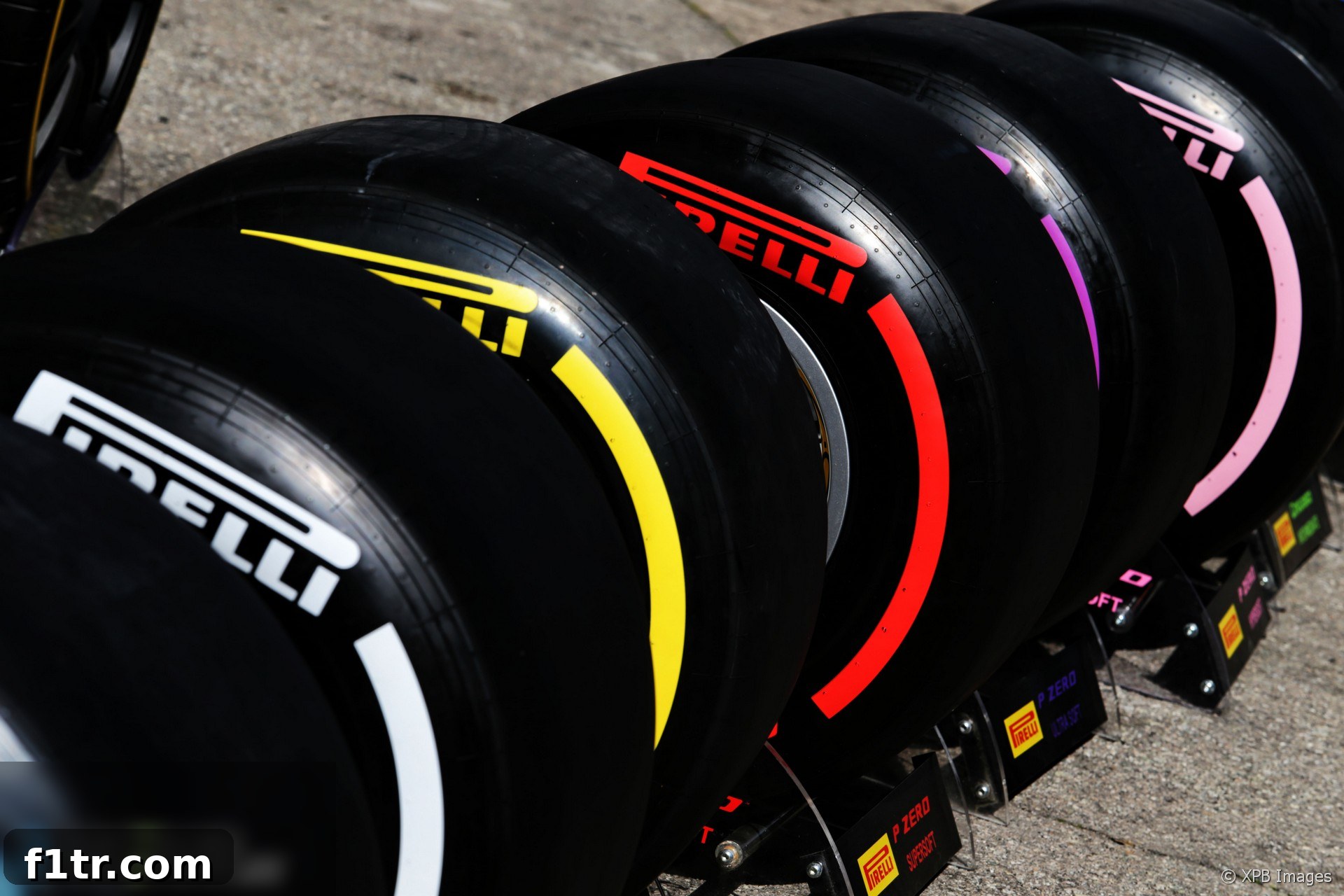
For the 2018 Australian Grand Prix, Pirelli nominated three specific dry-weather compounds: the Soft (yellow sidewall), SuperSoft (red sidewall), and UltraSoft (purple sidewall). These compounds represent the softer end of Pirelli’s range, designed to maximize grip and outright speed, particularly important for a circuit that offers limited grip at the start of the race weekend. The UltraSoft is known for its aggressive performance, delivering the quickest lap times but with the highest degradation. The SuperSoft offers a strong balance of grip and durability, while the Soft is the most robust of the three, capable of longer stints at the expense of peak speed. Teams are allocated 13 sets of tires per driver for the weekend, with specific rules governing their selection, including mandatory sets for the race and for those who reach the final qualifying session.
Aggressive Strategies Emerge for the Season Opener
A notable trend in the tire allocations indicates an aggressive push for performance from several key teams. Mercedes-AMG Petronas Motorsport, McLaren F1 Team, and Williams Racing have each opted for a significant nine sets of the UltraSoft compound for their respective drivers. This strategic decision highlights a strong emphasis on maximizing qualifying pace and potentially executing an aggressive race strategy involving quicker initial stints.
For Mercedes, this choice aligns with their championship-winning philosophy of pushing the boundaries of performance. With Lewis Hamilton and Valtteri Bottas having ample UltraSofts, they will be well-equipped to extract maximum speed in qualifying sessions, aiming for front-row dominance. Similarly, McLaren and Williams, perhaps seeking to gain a competitive edge or compensate in other areas, have mirrored this approach. A high number of UltraSofts provides flexibility for multiple qualifying attempts and allows for aggressive early-race pushes, but it also places a premium on effective tire management to mitigate degradation, especially on a circuit like Albert Park which can be demanding on softer compounds. The trade-off between blistering speed and managing tire life will be a crucial factor in their weekend performance.
In contrast to this ultra-aggressive selection, Scuderia Ferrari and Renault Sport Formula One Team have adopted a slightly more balanced, yet still performance-oriented, approach. Both teams have chosen seven sets of UltraSoft tires for each of their drivers. This allocation suggests a strategy that aims to deliver strong qualifying performances while retaining a greater number of the more durable SuperSoft or Soft compounds for race day flexibility. Drivers such as Sebastian Vettel, Kimi Räikkönen, Carlos Sainz Jnr, and Nico Hülkenberg will likely have more options for managing tire wear over longer stints, adapting to potential safety car periods, or responding to varying track conditions. This difference in tire philosophy sets the stage for fascinating strategic variations and potential pit stop battles during Sunday’s Grand Prix, adding an extra layer of excitement to the season opener.
The Art of Tire Management at Albert Park Circuit
The Albert Park Grand Prix Circuit, nestled in the parklands of Melbourne, presents a unique set of challenges that elevate the importance of tire strategy. As a semi-permanent street circuit, the track surface is typically ‘green’ and low on grip at the beginning of the race weekend, gradually improving as more rubber is laid down. This characteristic often leads to higher levels of tire degradation, particularly for the softer compounds chosen by Pirelli for this event. The circuit’s layout, a demanding blend of high-speed sections and tight braking zones, requires a versatile car setup and meticulous tire management from the drivers. Historically, the Australian Grand Prix has witnessed various strategic permutations, with race outcomes often influenced by tire performance, pit stop timings, and the frequent deployment of safety cars.
Pirelli’s selection of the Soft, SuperSoft, and UltraSoft compounds for Melbourne underscores the ambition for high-speed racing and a thrilling spectacle. While the UltraSoft offers unparalleled outright pace, its propensity for degradation demands precise handling and strategic use throughout practice, qualifying, and the race. Teams opting for a higher number of UltraSofts will invest heavily in understanding its wear characteristics during free practice, fine-tuning their car setup to prolong its life. Conversely, teams with a greater allocation of SuperSofts or Softs might be planning for increased consistency in race pace or the ability to extend their stints, potentially gaining track position through alternative pit stop windows. The notorious unpredictability of Melbourne’s weather, although generally mild, can further complicate tire choices, turning an already complex strategic puzzle into a high-stakes gamble. The success of a team’s weekend will largely hinge on their ability to optimize these tire choices and adapt to the unfolding race conditions.
Driver and Team Tire Choices for the Australian Grand Prix
While the full, granular breakdown of all 13 sets for every driver is extensive, the headline allocations reveal distinct strategic intentions. Pirelli mandates that each driver must use at least one set of each of the two harder nominated compounds during the race, and one set of the softest compound is reserved for Q3 for those who qualify. For the 2018 Australian Grand Prix, Mercedes, McLaren, and Williams have each opted for a substantial nine sets of the UltraSoft compound for their drivers, signaling a clear intent to maximize qualifying performance and early race pace. In contrast, Ferrari and Renault have chosen seven sets of UltraSofts, suggesting a slightly more balanced approach that might offer greater strategic flexibility during the race itself. The table below lists the drivers and teams participating in the event, for whom these strategic tire choices have been made.
| Driver | Team | Tyres |
|---|---|---|
| Lewis Hamilton | Mercedes | |
| Valtteri Bottas | Mercedes | |
| Sebastian Vettel | Ferrari | |
| Kimi Raikkonen | Ferrari | |
| Daniel Ricciardo | Red Bull | |
| Max Verstappen | Red Bull | |
| Sergio Perez | Force India | |
| Esteban Ocon | Force India | |
| Lance Stroll | Williams | |
| Sergey Sirotkin | Williams | |
| Carlos Sainz Jnr | Renault | |
| Nico Hulkenberg | Renault | |
| Pierre Gasly | Toro Rosso | |
| Brendon Hartley | Toro Rosso | |
| Romain Grosjean | Haas | |
| Kevin Magnussen | Haas | |
| Fernando Alonso | McLaren | |
| Stoffel Vandoorne | McLaren | |
| Marcus Ericsson | Sauber | |
| Charles Leclerc | Sauber | |
The specific breakdown of the remaining SuperSoft and Soft compounds for each driver, which completes the 13-set allocation, is typically detailed in official Pirelli announcements. However, the emphasis for Mercedes, McLaren, and Williams on the UltraSoft clearly points to a strategic leaning towards maximum attack. Ferrari and Renault, with slightly fewer UltraSofts, likely aim for a more balanced approach, potentially leveraging a greater number of SuperSofts to open up alternative race strategies. The intricate balance of grip, durability, and strategic flexibility will undoubtedly play a pivotal role in determining outcomes at the season opener.
The 2018 Formula 1 Season: A Look Back
The 2018 Formula 1 season stands as a memorable chapter in the sport’s illustrious history, characterized by fierce rivalries, continuous technical advancements, and the relentless pursuit of peak performance. Tire strategy, as foreshadowed by these initial selections for the Australian Grand Prix, proved to be a cornerstone of competition throughout the entire year. Teams dedicated considerable resources to understanding and optimizing Pirelli’s diverse range of compounds, constantly adapting their car setups and race tactics to maximize grip while minimizing degradation across a wide array of circuits and conditions. The season witnessed a captivating championship battle primarily between Mercedes and Ferrari, with Red Bull frequently emerging as a potent challenger. Every Grand Prix brought its own unique set of tire-related challenges, profoundly influencing qualifying results, dictating pit stop windows, and shaping the overall dynamic of the races.
The early tire declarations for Melbourne provided a revealing glimpse into the strategic philosophies that would come to define the championship. From Mercedes’ and McLaren’s aggressive, UltraSoft-heavy choices, signaling a strong intent for qualifying dominance, to Ferrari’s more measured approach, every tire decision held the potential to significantly impact the race outcome. The intricate and dynamic interplay between driver skill, car performance characteristics, and intelligent tire strategy was never more apparent than in 2018, underscoring why tire management remained such a critical differentiator in the competitive landscape. As the season progressed, teams honed their expertise in extracting maximum performance from each compound, transforming tire knowledge into a powerful strategic asset. This spirit of innovation and constant adaptation, evident from these crucial early tire selections, ultimately shaped the narrative of a truly compelling and unforgettable Formula 1 season.
Further Insights into the 2018 F1 Season
For those eager to delve deeper into the narratives and developments that shaped the 2018 Formula 1 season, here are some related discussions and analyses from that era:
- F1 feared “death knell” for Drive to Survive after Ferrari and Mercedes snub
- McLaren staff told us we were “totally crazy” to take Honda engines in 2018 – Tost
- ‘It doesn’t matter if we start last’: How Red Bull’s junior team aided Honda’s leap forward
- Honda’s jet division helped F1 engineers solve power unit problem
- McLaren Racing losses rise after Honda split
Browse all 2018 F1 season articles