The Imperative for Fair Play: Andreas Seidl’s Call for Accountability in F1 Race Management
Formula 1, a sport renowned for its cutting-edge technology, unparalleled speed, and intense competition, occasionally faces moments that challenge its very foundation: fairness and sporting integrity. McLaren team principal Andreas Seidl has articulated a vital truth for the sport, emphasizing the critical need for F1 to acknowledge that human errors can and will occur in the intricate running of races. More importantly, he asserts that the sport must establish robust mechanisms not only to recognize these mistakes but also to effectively correct their potentially far-reaching consequences.
Advert | Become a Supporter & go ad-free
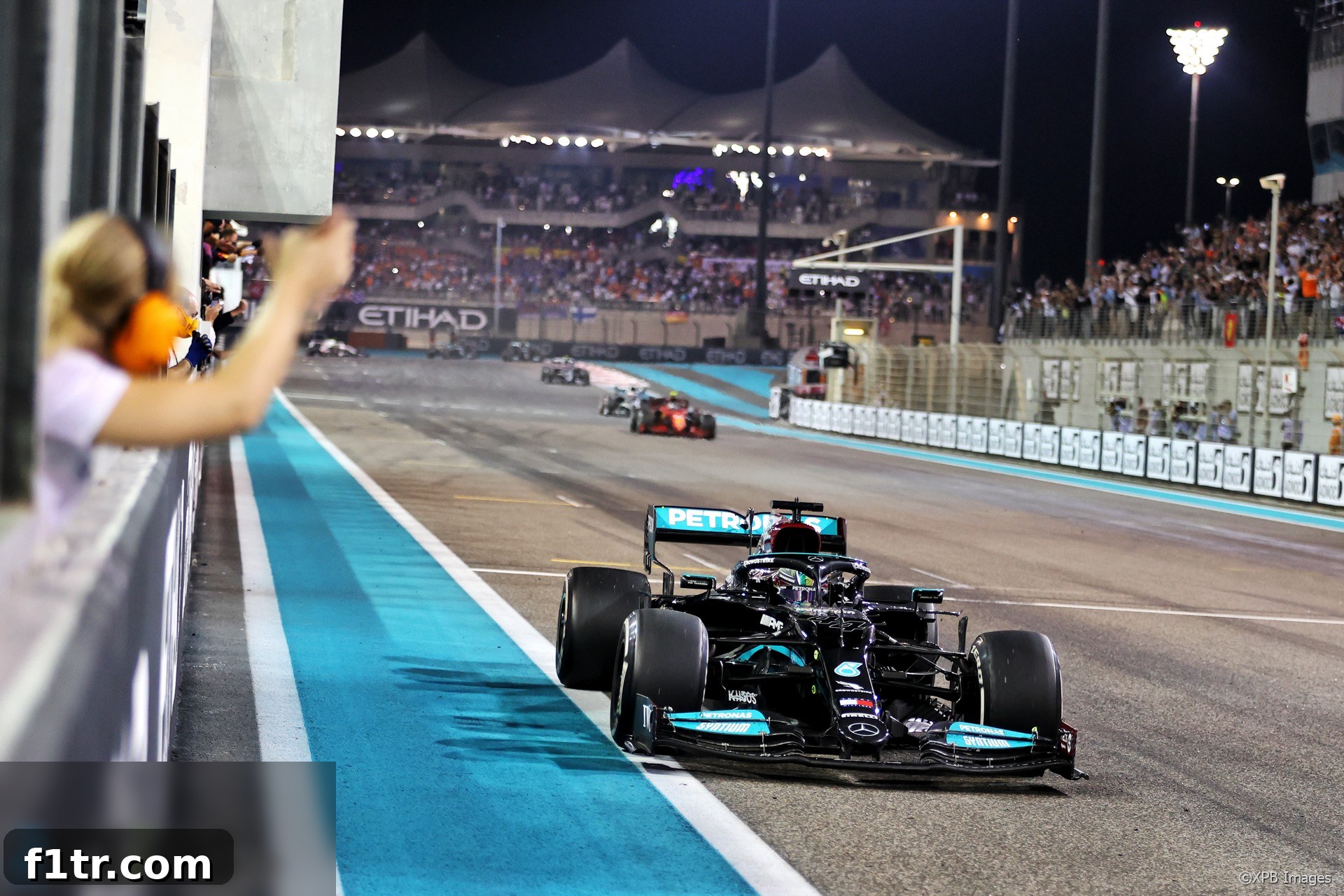
Speaking at the eagerly anticipated launch of McLaren’s new contender for the 2022 F1 season, Seidl addressed a topic that had cast a long shadow over the previous championship: the highly contentious conclusion of the 2021 season in Abu Dhabi. Two months prior to his statements, the racing world had witnessed a dramatic and divisive final lap that ultimately crowned Max Verstappen as world champion over Lewis Hamilton, following a disputed safety car restart procedure. The fallout from this event prompted a comprehensive inquiry by the FIA, the sport’s governing body, with the F1 Commission slated to receive a briefing on the findings, hopefully providing clarity and a clear path forward for the sport.
The Abu Dhabi Grand Prix: A Catalyst for Change
Unpacking the Controversy
The 2021 Abu Dhabi Grand Prix finale was, by Seidl’s own admission, “very controversial and was not good for the sport.” This sentiment resonated with many fans, pundits, and participants alike. The core of the controversy revolved around the actions of the FIA Formula 1 race director, Michael Masi, in the final stages of the race. Following a late-race crash, a safety car period was initiated. The contentious decisions included the timing of the restart, which appeared to deviate from established regulations, and the selective application of rules regarding lapped drivers. Traditionally, all lapped cars are permitted to un-lap themselves under a safety car before the race resumes. However, in Abu Dhabi, only a portion of these drivers were allowed to do so, effectively clearing the path between the two championship protagonists, Verstappen and Hamilton, on the final lap. This departure from past practice and the perceived inconsistent application of the rules created an unprecedented scenario, leading to widespread debate and a significant questioning of the sporting integrity.
The immediate aftermath saw heated discussions about whether the race director’s decisions were driven by a desire for a dramatic finish rather than strict adherence to the rulebook. Such debates, while generating significant media attention, ultimately erode trust in the officiating process and can lead to accusations of manipulation or bias. Seidl’s cautious approach, awaiting the official FIA analysis, highlighted the seriousness of the situation and the necessity for a thorough, unbiased investigation to restore faith in the sport’s governance.
The FIA’s Inquiry and the Path Forward
The FIA’s inquiry into the events of Abu Dhabi represented a crucial moment for Formula 1. Its outcome was not merely about reviewing past decisions but about setting a precedent for future race management and ensuring transparent, consistent application of regulations. Seidl articulated the widespread hope that this inquiry would lead to a “good analysis from the FIA’s side” and result in “good steps in place also have how we can improve for the future.” This underscores the collective desire within the F1 paddock for clarity, accountability, and the implementation of measures that prevent similar controversies. The expectation was that the findings would not only identify what went wrong but also propose concrete solutions, potentially involving revisions to safety car procedures, clarification of rules concerning lapped cars, and perhaps even a restructuring of the race control system itself. The ultimate goal is to reinforce the principle that sporting outcomes are determined solely by on-track performance within clearly defined and consistently applied rules.
The Human Element in High-Stakes Racing
Officials Under Scrutiny: Michael Masi and Beyond
The intense spotlight on Michael Masi after the Abu Dhabi Grand Prix brought into sharp focus the immense pressure and responsibility shouldered by the F1 race director. Seidl eloquently reminded everyone that “the beauty of this sport is that it is also, not just on the teams side, but also on the FIA’s side when it comes to the execution of races, a human sport. That we shouldn’t forget.” This fundamental truth implies that just as drivers, engineers, and strategists can make mistakes under pressure, so too can officials. The role of the race director involves making split-second decisions with monumental implications, often under extreme scrutiny and with limited time for deliberation. These decisions affect the outcome of races, championships, and the careers of athletes. While accountability is paramount, understanding the inherent fallibility of human judgment in such a dynamic, high-pressure environment is equally important.
The criticism directed at Masi extended beyond the immediate decisions in Abu Dhabi, touching upon perceptions of inconsistent application of rules throughout the 2021 season. This suggests a broader systemic issue that goes beyond individual performance, highlighting the need for enhanced support systems, clearer guidelines, and perhaps a more distributed decision-making structure to mitigate the risk of single points of failure. The challenge for Formula 1 is to create an environment where officials are empowered to make fair and timely decisions, while also being protected by robust frameworks that minimize subjective interpretation and ensure consistency.
Shared Responsibility: Teams, FIA, and Regulations
Seidl’s perspective also encompassed a crucial aspect often overlooked in the heat of controversy: the shared responsibility for the state of the sport’s regulations. He wisely noted, “whatever we put in place we’re as guilty as well as the FIA in terms of how the regulations are at the moment, because we were part of creating these regulations.” Formula 1 regulations are complex, often convoluted documents, a product of continuous evolution, compromise, and input from various stakeholders, including the teams themselves. Teams often advocate for rules that might strategically benefit them, contributing to layers of complexity and sometimes unintended loopholes or ambiguities. This intricate web of rules can make consistent interpretation and application a daunting task for officials.
Therefore, any meaningful reform cannot solely blame the officiating body. It requires a collaborative effort from all parties involved – the FIA, the teams, and commercial rights holders – to simplify the rulebook, remove ambiguities, and ensure that regulations are fit for purpose in modern, fast-paced racing. This shared ownership of the rule-making process means that teams must also be proactive in advocating for clarity and simplicity, rather than contributing to a framework that ultimately leads to contentious situations and undermines the sport’s credibility. It’s a call for introspection and a collective commitment to creating a regulatory environment that is clear, concise, and conducive to fair competition.
Crafting a Mechanism for Error Correction
Beyond Prevention: Acknowledging and Rectifying Mistakes
While striving to prevent mistakes is a continuous goal, Seidl argued that it is equally crucial for F1 to acknowledge that errors are inevitable. “We need to accept mistakes can happen, on the team’s side but also on the FIA’s side. So these things can happen again, for example.” This acceptance forms the foundation for his most significant proposition: the establishment of a “racing mechanism where you have, let’s say that we’re in a position that if mistakes happen, where should you raise your hand and admit them and have a mechanism in place in order to correct those mistakes also, or correct the consequences that such mistakes or controversies could have.” This is a powerful vision, moving beyond mere damage control to proactive rectification.
Such a mechanism could take various forms. It might involve a clearly defined, expedited review process for contentious in-race decisions, perhaps akin to VAR in football, but tailored for the unique demands of F1. It could also mean a transparent post-race appeal system that focuses not just on legalistic interpretation but on the spirit of fair play. The key is transparency and a willingness to publicly admit error when it occurs. This builds trust, demonstrates accountability, and, most importantly, provides a means to mitigate the unfair advantage or disadvantage caused by an erroneous decision. The consequences of such mistakes – be it a lost championship or a wrongly imposed penalty – can be career-defining, and the sport has a moral obligation to address them beyond simple apologies or rule adjustments for the future. It’s about restoring the sporting outcome as accurately as possible, even if retrospectively.
Ensuring Sporting Integrity and Fan Confidence
The implementation of such a mechanism is vital for the long-term health and credibility of Formula 1. When controversies arise, and the perception of fairness is compromised, it directly impacts fan confidence and engagement. Spectators want to believe that the outcome of a race is solely determined by the skill of the drivers and the performance of the cars, within a framework of consistently applied rules. When this belief is shaken, the passion and investment of the fanbase diminish. A transparent error-correction mechanism signals to fans that the sport values integrity above all else, and that it is committed to upholding the principles of fair competition.
Furthermore, it empowers officials to make decisions without the crippling fear of irreversible errors, knowing there is a process for review and correction. This shift could lead to more confident and consistent officiating, ultimately benefiting everyone involved. Seidl’s proposal is not just about correcting individual mistakes; it is about reinforcing the ethical backbone of the sport and safeguarding its future appeal. It’s about showing that Formula 1 is a sport that learns, adapts, and prioritizes justice for its competitors.
Learning from a Season of Disputes: The 2021 Precedent
A Pattern of Contention: More Than Just Abu Dhabi
Seidl underscored that the Abu Dhabi controversy was not an isolated incident but rather the culmination of a season riddled with contentious decisions and disputes over rule enforcement. “If you look at the entire season last year a lot of controversial things happened which were not good for the sport.” From track limits debates to qualifying infringements and other safety car procedures, the 2021 season was frequently overshadowed by discussions about officiating, rather than purely racing prowess. This pattern indicated a systemic issue that required a holistic approach to address.
The cumulative effect of these controversies was a feeling among some fans that the rules were applied inconsistently, sometimes favoring one team or driver over another, or that decisions were influenced by external factors. While F1 is inherently dramatic, these types of controversies detract from the pure sporting spectacle. The focus shifted from the incredible performances on track to the nuances and interpretations of the rulebook, fostering cynicism rather than admiration. This made it imperative for the sport to take a step back, analyze the entire season, and commit to comprehensive reform, rather than just isolated fixes.
Simplifying Regulations and Bolstering Support
To counteract this pattern, Seidl advocated for significant investment in time and energy from all teams, in collaboration with the FIA. The objective is to thoroughly understand the issues that arose throughout the season and collectively work towards solutions. One key area of focus is the simplification of regulations. “By making the regulations, for example, less complex,” Seidl suggested, recognizing that overly complicated rules are inherently harder to police and apply consistently. Simpler rules reduce ambiguity, minimize room for subjective interpretation, and make it easier for officials to make clear, defensible decisions in real-time. This also makes the sport more accessible and understandable for fans, enhancing their enjoyment and appreciation.
Beyond simplification, Seidl emphasized the need for “more support to the race director. More support also to the stewards to avoid these controversies, to avoid also these things happening.” This support could manifest in several ways: enhanced training programs, access to advanced technological tools for real-time analysis, a larger and more experienced team of officials, or a structured decision-making protocol that leverages multiple perspectives. Providing officials with better resources and a clearer operational framework can significantly improve the consistency and fairness of rule application. This proactive approach aims to reduce the likelihood of contentious incidents arising in the first place, by making the policing and application of rules easier and more transparent for everyone involved. Ultimately, a well-supported and well-resourced officiating body, working within a clear and simplified regulatory framework, is essential for maintaining the sport’s credibility and ensuring fair competition.
The Future of F1 Officiating: Transparency, Consistency, and Fairness
Enhancing Trust and Accountability
Andreas Seidl’s reflections provide a crucial roadmap for Formula 1’s future, focusing on the core principles of transparency, consistency, and fairness in officiating. His message is a powerful reminder that while the thrill of racing pushes technological boundaries, the bedrock of any great sport lies in its integrity. By openly acknowledging human fallibility and proactively building mechanisms to correct errors, F1 can significantly enhance trust among its competitors, teams, and global fanbase. This commitment to accountability is not a sign of weakness but rather a demonstration of strength and a willingness to evolve for the greater good of the sport. Enhanced trust will encourage more spirited competition, as participants can be confident that the playing field is truly level.
A Collective Effort for a Better Sport
The call for simplifying regulations and providing greater support for officials underscores the necessity of a collective effort. This isn’t just an FIA problem; it’s an F1 problem that requires collaboration from all stakeholders, including the teams who shape the very regulations they race under. By working together to refine the rulebook, invest in officiating resources, and establish clear processes for dispute resolution and error correction, Formula 1 can move past the shadows of past controversies. This collaborative spirit will foster an environment where the focus returns firmly to the incredible athleticism of the drivers and the engineering brilliance of the teams, rather than the nuances of obscure rule interpretations. The goal is to ensure that the spectacle of Formula 1 is always underpinned by undeniable sporting integrity, securing its enduring appeal for generations to come.
Ultimately, Seidl’s vision for a Formula 1 that embraces its human element while striving for continuous improvement in its governance is a powerful one. It’s a vision where mistakes are not hidden but learned from, and where the commitment to fairness is always paramount. This forward-looking approach is essential for a sport that aims to remain at the pinnacle of global motorsport, thrilling audiences with pure, unadulterated racing.
Explore More on the 2022 F1 Season
- Mercedes told me “you’re wrong” about 2022 car’s problems – Hamilton
- FIA confirms all 10 F1 teams complied with 2022 cost cap
- Steiner “not ashamed” of panning “slow” Schumacher in Drive to Survive
- Albon believes year out of F1 improved him as a driver
- Hamilton sees diversity gains in F1 years on from his ‘traumatising’ experience of racism
Browse all 2022 F1 season articles