Formula 1’s Electrifying Future: Unpacking the 2026 Power Unit and Chassis Regulations
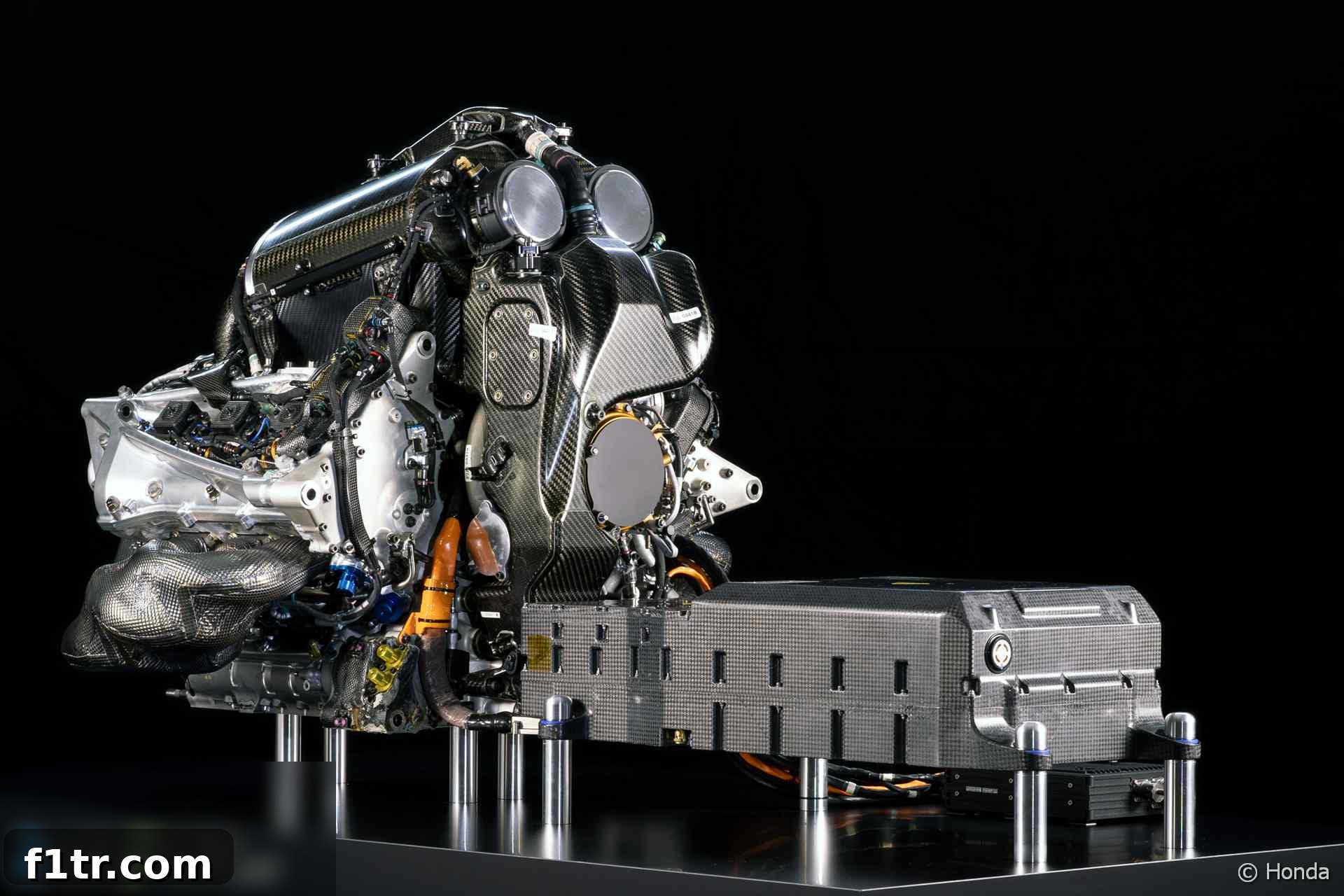
The thrilling world of Formula 1 is on the cusp of a transformative era with the unveiling of its 2026 technical regulations. These groundbreaking changes promise a new breed of F1 car, featuring power units capable of generating a staggering 1,100bhp (820kW). This substantial increase in power, coupled with radical shifts in chassis design and aerodynamic philosophy, signals a bold commitment from the FIA to push the boundaries of motorsport technology, enhance sustainability, and ensure thrilling competition.
According to Nikolas Tombazis, the FIA’s single-seater director, the next generation of power units is designed to produce approximately 100bhp more than the current V6 hybrid turbos. This revelation sets the stage for a dramatic evolution in performance and a fresh challenge for teams and drivers alike. While specific power outputs are closely guarded secrets, Formula 1 teams generally operate with engines around the 1,000bhp mark. For instance, Alpine openly states “more than 950bhp” for its Renault power unit. The 2026 regulations are poised to redefine these benchmarks significantly, ushering in an era of unprecedented hybrid power output.
The Dawn of a New Power Unit Era: More Electrical, More Powerful
The current Formula 1 power unit regulations, which saw the introduction of the V6 turbo-hybrid era in 2014, have been a cornerstone of the sport’s technological prowess for over a decade. These complex hybrid systems have delivered remarkable efficiency and power. However, to pave the way for intensive design and development of their successors, development for the existing power units was officially frozen at the beginning of 2022. The 2026 rules represent a fundamental philosophical shift, aiming for a more balanced and sustainable approach to power generation, directly addressing environmental concerns and future automotive relevance.
Balancing Combustion and Electrical Might for 2026
Under the new regulations, a key change involves a significant recalibration of the power unit’s components. The performance contribution from the internal combustion engine (ICE) will see a reduction, while the electrical systems are set to deliver a substantial boost, increasing their output to roughly the same level as the ICE. This strategic rebalancing is not merely about increasing raw power; it’s a deliberate move towards greater road relevance, attracting new manufacturers into the sport, and aligning F1 with global sustainability initiatives. Tombazis confirmed this strategic vision, stating that the resulting power outputs would be “a bit higher than where we are now,” elaborating that “It’s going to be approximately up by about 100 horsepower,” during an interview with the official F1 channel.
This increased reliance on electrical power brings with it a fascinating set of engineering challenges for every F1 team and engine supplier. While the peak power will be higher, the sustained availability of that electrical boost throughout an entire lap, particularly down long straights, becomes a critical design consideration. It demands sophisticated energy management systems, innovative battery technology, and robust motor-generator units, pushing the boundaries of what is possible within the demanding constraints of Formula 1 regulations. The goal is to maximize energy recovery and deployment, making strategic energy use a crucial aspect of both car design and race strategy.
Redesigning the Chassis: A Symphony with the New Power Unit
The introduction of powerful new hybrid power units in 2026 necessitated a complete overhaul of the chassis regulations. The FIA confirmed the initial details of these new chassis rules recently, emphasizing that the updated power units are simply not optimally suited to the aerodynamic characteristics of the current generation of F1 cars. This symbiotic relationship between engine performance and aerodynamic efficiency is paramount to achieving optimal performance and ensuring the high-speed spectacle of Grand Prix racing.
Tackling Aerodynamic Drag and Enhancing Efficiency on Track
A primary objective of the new chassis regulations is to drastically reduce aerodynamic drag. Tombazis lucidly explained the rationale: “As much as the maximum power has gone up, because a lot of it is electrical, that cannot last for so long. Therefore, towards the end of the straights, we need to have cars with lower aerodynamic drag, which is what these technical regulations have done.” Current F1 cars, while incredibly fast, generate considerable drag. This characteristic, combined with the nature of the new electrical power delivery where peak boost might not be sustained for an entire straight, would lead to a noticeable “velocity drop-off” towards the end of long straights, potentially hindering overtaking opportunities and the overall excitement of a lap.
The new regulations aim to counteract this by designing cars that are inherently more aerodynamically efficient. This could involve innovative wing designs, revised floor concepts, and potentially even active aerodynamic elements that adapt to different sections of the track – for instance, reducing drag on straights and increasing downforce in corners. By minimizing drag, the cars will be able to maintain higher speeds for longer, especially when the electrical component of the power unit reaches its limits. Tombazis expressed strong confidence in these solutions: “The current generation cars have a bit too high drag and therefore would suffer some velocity drop-off towards the end of the straights on the current cars. We believe we’ve solved this problem for the new cars.” This proactive design philosophy ensures that the cars remain blisteringly fast and engaging to watch.
Performance Outlook: Speed, Challenge, and the Pinnacle of Motorsport
With such significant changes on the horizon for the 2026 F1 season, predictions about lap times and overall car performance have naturally become a hot topic within the F1 community. Some voices within the paddock have painted a rather stark picture, with one team principal even suggesting the new cars might only be marginally quicker than Formula 2 machines – a difference of around 11-12 seconds per lap compared to current F1 times. Such a drastic slowdown would undoubtedly spark widespread concern among fans, teams, and commercial stakeholders alike.
“In the Ballpark”: Reassuring Lap Time Predictions from the FIA
However, Nikolas Tombazis offers a more reassuring prognosis for the future of F1 performance. While acknowledging that the cars might be “a bit slower” initially, he firmly refutes the notion of a dramatic performance drop. “The car we’ve got on our simulations today is a bit slower but not by much,” he explained. “Maybe a couple of seconds or that sort of thing.” A couple of seconds, while noticeable in the relentless pursuit of speed that defines F1, is a far cry from an 11-12 second deficit and strongly suggests the cars will remain firmly within the realm of elite motorsport performance. Tombazis also hinted at ongoing dialogue and optimization: “But we are continuing to engage with the teams a lot, and we will be also discussing various measures that maybe will be increasing performance by a bit.”
This collaborative approach between the FIA and the teams suggests that the final performance envelope will be carefully managed to ensure F1 retains its status as the fastest and most technologically advanced racing series on the planet. Tombazis concluded, “So in that I don’t expect it to be a night-and-day difference, I think it’s going to be in the ballpark. Some circuits a bit faster, some circuits a bit slower, but in the ballpark.” This indicates a nuanced performance profile, with track characteristics and energy management strategies potentially playing a greater role in determining optimal lap times, but overall maintaining the high-speed thrill Formula 1 is known for globally.
Beyond Raw Speed: The Core Philosophy of Formula 1 Regulations
Tombazis underscored a crucial principle guiding the 2026 regulations: while speed is an inherent and thrilling part of Formula 1, it is not the *sole* objective. The FIA’s vision for the sport extends far beyond simply achieving the fastest lap times, focusing instead on a holistic package that encompasses driver challenge, technological relevance, sustainability, and an enthralling spectator experience. This multi-faceted approach ensures the long-term health and appeal of the sport.
Maintaining the Pinnacle of Motorsport and Testing Driver Skill
“Clearly, Formula 1 has to be the pinnacle of the sport,” Tombazis asserted. He emphasized that designing faster cars, in isolation, is not the primary challenge for regulators. “It is not that difficult to make a car that is faster, if one wants. We have a lot of regulations that limit how fast the car can go. We can, within two days, write regulations that make the cars go faster by 20 seconds a lap, if you know what I mean. So it’s not the speed, the lap time isn’t really a be-all end-all.” This powerful statement highlights the intricate balance F1 constantly navigates: allowing technological innovation while preventing an unbridled arms race that could compromise safety, escalate costs uncontrollably, or diminish competitive parity.
The true essence of Formula 1, as articulated by Tombazis, lies in providing an ultimate test for the world’s most talented drivers. “We want the cars to be challenging to drive, to be a test for the best drivers in the world. But to actually make a car that’s faster is not so difficult if you aren’t limited by regulations.” This emphasis ensures that driver skill remains paramount, rewarding precision, bravery, and adaptability in machines that are both incredibly powerful and demanding to master. The new regulations, with their complex energy management, active aerodynamic elements, and nuanced handling characteristics, are specifically designed to amplify this challenge, ensuring that only the very best drivers can truly extract the maximum potential from these advanced machines.
The Road Ahead: Excitement and Evolution for Formula 1
The 2026 Formula 1 season promises to be a landmark year, not just for the significant technical changes it introduces, but for the philosophical direction it reaffirms for the sport. With 1,100bhp hybrid power units that balance combustion and electrical output, intelligently designed low-drag chassis, and a continued unwavering focus on driver challenge, F1 is setting itself up for an incredibly exciting and relevant chapter. These regulations are a strategic response to evolving automotive trends and global priorities, aiming to keep Formula 1 at the cutting edge of innovation while making it more relevant, attractive, and sustainable for future generations of fans and participants.
The collaborative efforts between the FIA, Formula 1 management, and the teams will be absolutely crucial in fine-tuning these regulations to deliver the desired outcome: spectacular racing, technological marvels, and a true test of human and machine. Fans can look forward to an era where raw power is intelligently harnessed, strategic energy management is key, and the world’s best drivers continue to showcase their unparalleled skill and bravery on the global stage, solidifying F1’s position as the pinnacle of motorsport.
Explore More Formula 1 Content
- Controversies, Norris, Newey and more: Five new motorsport books reviewed
- One of F1’s greatest races happened 15 years ago today. Or did it?
- “Overtaking is overtaking”: Domenicali denies F1’s yo-yo racing is “artificial”
- The crashes F1 is trying to prevent may be rare – but the danger is obvious
- F1 returning to India soon after 2027 sounds like wishful thinking
Browse all Formula 1 articles