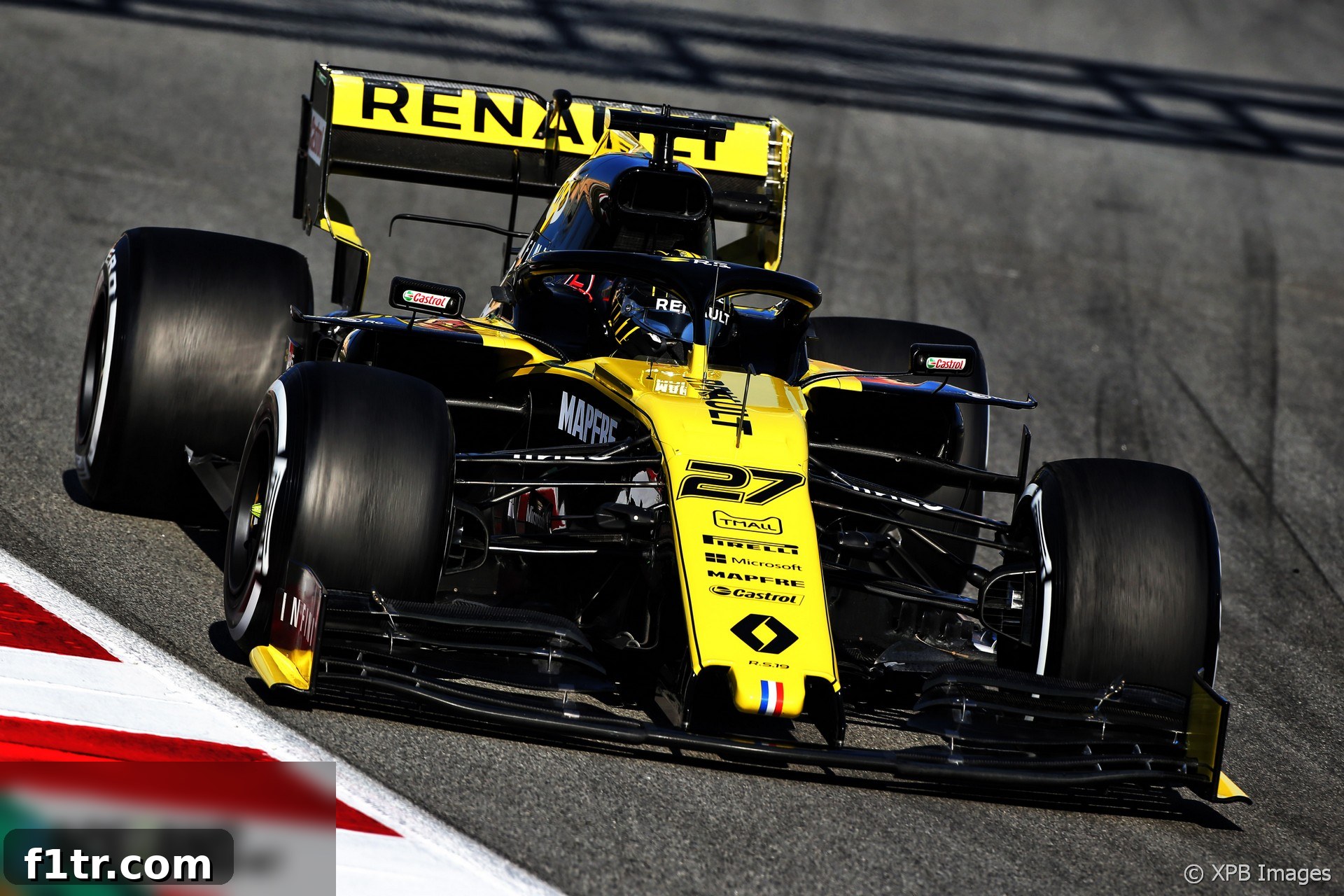
In the high-stakes world of Formula 1, continuous innovation and strategic development are paramount. Renault, a name steeped in motorsport history, believes it is now reaping the rewards of a consistent and evolving power unit concept. Having meticulously refined the same core concept since the previous season, the French manufacturer is observing tangible performance gains, signaling a potential shift in the competitive landscape of engine suppliers.
This steadfast commitment to a long-term vision underscores the complex engineering challenges inherent in F1. Unlike a complete overhaul, an evolutionary approach allows for deeper understanding, iterative improvements, and greater stability in performance delivery. As the grid prepares for another exhilarating season, Renault’s confidence in its power unit suggests an exciting period of competition for both its factory team and customer teams.
Insights from the Engineering Frontline
Advert | Become a Supporter & go ad-free
Renault’s Engine Technical Director, Remi Taffin, offered a candid perspective when questioned about the pressures faced from rival power unit manufacturers. His insights reveal a philosophy focused intently on internal standards and self-improvement, rather than being swayed by external competition.
Our primary driving force stems from the internal expectations and aspirations of our company. We prioritize our own progress and diligently tackle the significant tasks we’ve set for ourselves. We have, as a team, established ambitious targets, and our dedicated efforts are concentrated on achieving them. While we acknowledge that our competitors are undoubtedly working hard and striving for excellence, our focus remains firmly on our own development trajectory.
We are content with our current position and, crucially, committed to an ongoing development process throughout the year. Therefore, any pressure we experience is largely self-imposed – a necessary impetus to drive us forward and justify our presence at the pinnacle of motorsport.
The methodology employed for our development this year mirrors our approach from the previous season. We’ve consistently discussed these long-term development cycles for a year or two now, understanding that significant advancements often require sustained effort and time. A key aspect of our strategy has been the unwavering commitment to a core power unit concept that we’ve nurtured over the past 18 months. This consistent dedication is now starting to yield positive results, and we are confident that this concept will continue to deliver increasingly enhanced performance moving forward.
Quotes: Dieter Rencken
Taffin’s statements highlight a crucial aspect of F1 success: the ability to maintain focus amidst intense competition. By internalizing pressure and adhering to a consistent development philosophy, Renault aims to build a robust and reliable power unit capable of challenging the established front-runners. The emphasis on an 18-month concept evolution suggests a strategic, patient approach, allowing for refinement and optimization rather than constant reinvention. This long-term vision is vital for sustainability and ultimate competitiveness in a sport where marginal gains can make all the difference.
The development of an F1 power unit is an intricate dance between raw power, fuel efficiency, weight distribution, and reliability. Each component, from the internal combustion engine to the energy recovery systems, must work in perfect harmony. Renault’s decision to evolve rather than revolutionise its concept speaks volumes about the maturity of their design and their belief in its fundamental strengths. This steady progression allows engineers to delve deeper into performance nuances, extracting every last horsepower and efficiency gain, a process that is now beginning to manifest on track.
Advert | Become a RaceFans supporter andgo ad-free
Engaging with the F1 Community: Social Media Highlights
Social media platforms continue to be a vibrant hub for Formula 1 fans, offering real-time discussions, behind-the-scenes glimpses, and diverse opinions. Here’s a glimpse into some notable conversations and observations from Twitter and Instagram, reflecting the pulse of the F1 community:
An incredible piece of F1 history was shared, showcasing Alain Prost’s steering wheel from 1986. This rare artifact, gifted to a Shell employee by McLaren upon retirement, highlights the dramatic evolution of F1 technology over the decades. The contrast between historical and modern steering wheel designs is truly fascinating, illustrating how far engineering and driver interfaces have come. pic.twitter.com/JJcQOtjZW6
— Amy (@Amy_Leilani) March 12, 2019
The Netflix documentary “Drive to Survive” has undeniably injected new life into Formula 1’s global appeal, but not without critical examination from seasoned fans. While widely praised for its immersive storytelling, some narratives have drawn scrutiny for their creative liberties:
Many viewers expressed a general fondness for the #F1 Netflix doc, appreciating its entertainment value. However, a common critique revolved around the show’s occasional departure from factual accuracy in favour of dramatic narrative. One particularly ‘egregious’ instance cited was the portrayal of Charles Leclerc’s fight for a Ferrari seat in Singapore, given the move had been officially announced days prior in reality.
— Valentin Khorounzhiy (@vkhorounzhiy) March 12, 2019
Despite some critical feedback, the overwhelming sentiment regarding “Drive to Survive” remains positive, especially among drivers themselves and new fans who have discovered the sport through the series:
The support and positive comments for the “Drive to Survive” @netflix documentary have been overwhelming. Many are delighted that the series provided a deeper insight into @f1 and the personalities within it, including the drivers themselves. #DriveToSurvive #f1 #r8g
— Romain Grosjean (@RGrosjean) March 12, 2019
The documentary’s engaging format has resonated widely, attracting both long-time enthusiasts and a fresh wave of spectators:
The Netflix F1 documentary has been widely acclaimed for its compelling storytelling and behind-the-scenes access, captivating audiences globally.
— Cllr Sam S Collins (@NorthHertsSam) March 11, 2019
The series also provided a valuable look into the foundational aspects of racing, celebrating the roots of F1 stars:
A viewer shared their experience of binge-watching “Drive to Survive” on a journey back from Mexico. They particularly appreciated the unparalleled behind-the-scenes access to teams like @HaasF1Team and insights into drivers like @danielricciardo. The extensive karting footage, acknowledging the origins of many drivers, was a highlight, though some wished for even more exclusive content across the ten episodes.
— Ben Constanduros (@BenConsty) March 12, 2019
Beyond entertainment, social media also serves as a platform for critical analysis of motorsport journalism, particularly regarding how official channels present information:
An example was highlighted concerning how the official F1 website often leans towards public relations rather than journalistic reporting. A specific instance involved the omission of any mention of ‘Mission Winnow’ in a particular story, showcasing a curated approach to information dissemination. https://t.co/Kbc5J1HcHj#F1
— Keith Collantine (@keithcollantine) March 12, 2019
- For those looking to deepen their engagement with the F1 world, a comprehensive F1 Twitter Directory is available, featuring official accounts from teams, drivers, and personalities.
Further Reading and Motorsport Insights
For dedicated followers of motorsport, staying informed with the latest news, analysis, and behind-the-scenes stories is essential. Here’s a curated selection of interesting links and articles from across the racing world, offering deeper insights into the sport’s financial, technical, and human elements:
Unveiling the 2019 F1 Teams’ Prize Money Payments (RaceFans via YouTube)
Understanding the financial ecosystem of Formula 1 is crucial to appreciating the sport’s competitive dynamics. This video delves into the intricate details of how prize money is distributed among F1 teams, revealing the economic stakes involved and how performance on track directly translates into crucial financial backing for team development and operations. It provides an excellent overview of the business side of F1, highlighting the disparity in earnings and the ongoing challenge for smaller teams to compete financially.
- Subscribe to RaceFans on YouTube to stay updated with more exclusive content and in-depth F1 analysis.
Mercedes-AMG F1 Boss Toto Wolff: 2019 Will Be Our Toughest Challenge Yet (Mercedes)
Despite their dominant run, Mercedes-AMG F1 remains vigilant. Team Principal Toto Wolff’s comments underline the relentless nature of Formula 1. He acknowledges the fierce competition and predicts that the upcoming season will demand even greater effort and resilience than the previous year, which saw them clinch yet another championship. This statement reflects the mindset of a leading team, constantly pushing boundaries and anticipating intensified rivalry from their competitors.
Williams Racing’s Australian GP Preview: A Season of New Beginnings (Williams)
The Australian Grand Prix often marks a fresh start, and for some, a significant return. Williams’ preview offers insights into their preparations for the opening race, with particular emphasis on the emotional aspect of a “second debut” for a returning figure after a prolonged absence from the sport. This highlights the personal journeys and challenges within the F1 paddock, alongside the technical preparations for a new season.
Liberty Media Blames Bernie Ecclestone for ‘Draining’ Grand Prix Promoters (Autosport)
The commercial side of Formula 1 has undergone significant transformation under Liberty Media’s ownership. This Autosport report delves into Liberty’s perspective on the financial health of various Grand Prix promoters, attributing some of their struggles to previous commercial agreements under Bernie Ecclestone’s tenure. It sheds light on the ongoing efforts to rebalance the economic model of F1, aiming for more sustainable partnerships with race organizers globally.
Damon Hill Backs Daniel Ricciardo’s Career Decision (The Age)
Daniel Ricciardo’s career moves have always generated considerable discussion. Former F1 World Champion Damon Hill offers his perspective, advocating for Ricciardo’s decision to seek new challenges. Hill’s insights underscore the importance for a driver to position themselves as a number one contender, rather than settling for a secondary role. His personal experience of finding success later in his career lends weight to his belief that drivers must proactively pursue opportunities that align with their ambition to be at the forefront of the sport.
Hong Kong E-Prix Achieves Strong Viewership on BBC Two (Motorsport Broadcasting)
Formula E continues to grow in popularity, and its broadcasting reach is a testament to this expansion. This report highlights the strong viewership figures for the Hong Kong E-Prix on BBC Two, indicating a healthy appetite for electric motorsport among television audiences. It demonstrates the BBC’s commitment to showcasing key races on linear television as part of their broader coverage strategy, contributing to Formula E’s increasing visibility.
We are always striving to acknowledge and credit original content creators. Should you have a suggestion for a compelling link to be featured in an upcoming RaceFans round-up, please submit it via our contact form.
Advert | Become a RaceFans supporter andgo ad-free
Strategic Debates: The Impact of Tyre Longevity on F1 Racing
Tyre strategy is a cornerstone of Formula 1 racing, often dictating race outcomes and shaping the spectacle for fans. A perennial debate revolves around the ideal lifespan and degradation rates of Pirelli tyres, and how these factors influence strategic decisions and overall race excitement. The prospect of longer-lasting tyres for the upcoming season has sparked considerable discussion:
There’s widespread hope that this year’s tyres will demonstrate improved longevity compared to last season’s compounds. The previous season often saw tyres designed for a two-stop strategy being pushed to complete a single stop, which arguably detracted from the strategic diversity and overtakes on track. More durable tyres could unlock a wider range of strategic options for teams and drivers, potentially leading to more dynamic and unpredictable races.
However, an intriguing question arises regarding the degradation gap between different compounds: will it remain substantial enough to allow ‘B-teams’ (smaller teams or those not typically in Q3 contention) to attempt audacious fastest lap bids? Assuming that Q3 qualifiers are often left with a limited fresh tyre allocation, while other teams might have multiple new sets, a scenario could unfold where smaller teams pit for a second or even third time specifically to chase the fastest lap bonus point. This could create a unique strategic battle, forcing front-running teams to react or risk losing crucial points. Such a development would undoubtedly add another layer of excitement to Sunday’s races. Despite the various strategic permutations, the anticipation for the upcoming race remains incredibly high.
Abe (@Okeptl)
Abe’s comment perfectly encapsulates the nuanced discussions surrounding tyre performance. The balance between durability and degradation is delicate; too much durability can lead to processional races, while too little can force overly conservative strategies. The new regulations, particularly concerning the fastest lap point, add another dimension, transforming what was once a secondary objective into a tangible strategic weapon for all teams, irrespective of their starting position. This could introduce exciting mid-race gambles and shake up the traditional hierarchy, making every lap count.
Celebrating Our Community: Happy Birthday!
A special shout-out and heartfelt happy birthday wishes go out to Armen, Pabs, Starosta, and Aqib! May your day be filled with joy and perhaps some exciting motorsport action.
If you’d like to receive a birthday greeting in a future round-up, please let us know your special day via our contact form, or feel free to add your name to our growing list here. We love celebrating with our dedicated community of fans!
Revisiting F1 History: On This Day
- On this day in 1965, the legendary Mike Spence triumphed at the Race of Champions. The event, contested over two distinct stages at Brands Hatch, saw Spence claim victory after the part one winner, the iconic Jim Clark, unfortunately crashed out during the latter half of the race. This historical moment serves as a powerful reminder of the unpredictable nature of motorsport, where fortunes can change in an instant, even for the greatest of drivers. The Race of Champions, a non-championship event, often provided thrilling spectacles and showcased the talent of F1’s early pioneers.