The High Stakes of F1’s Fastest Lap: Risk, Reward, and Championship Dreams
The reintroduction of the bonus point for setting the fastest lap in Formula 1 has undeniably injected a thrilling new dynamic into race strategy, captivating fans and teams alike. However, it also brings a significant element of risk, a concern that Mercedes team principal Toto Wolff has vocally expressed. Wolff harbors a strong apprehension that the pursuit of this solitary bonus point could ultimately lead a driver to a costly incident, potentially impacting their championship aspirations.
Advert | Become a Supporter & go ad-free
“I am always sceptical about our guys putting in the fastest lap,” Wolff stated, underscoring his cautious approach. “Because one day someone’s going to end up in the wall and throw away a lot of points. And I hope it’s not going to be a Mercedes.” This sentiment reveals the delicate balancing act F1 teams now face in the closing stages of a race: weigh the potential gain of a single point against the catastrophic loss of multiple points, or even a race retirement, due to an overzealous pursuit of pace.
Toto Wolff’s Caution: The Specter of a Costly Crash
Wolff’s apprehension is rooted in practical experience and the inherent dangers of elite motorsport. The final laps of a Grand Prix are typically when tyres are at their most worn, fuel levels are low, and drivers are already pushing the limits to maintain position or manage their machinery. Introducing the incentive for an all-out sprint for the fastest lap, often on older tyres or under high pressure, amplifies the potential for driver error. He has previously instructed his drivers not to push aggressively for the extra point towards the end of races, prioritising race completion and the points secured for their finishing position.
Despite his reservations, Wolff acknowledges the positive aspects of the rule, describing it as a “good idea” that has successfully created “discussion whether you take risks or not.” This internal conflict within team principals highlights the fascinating strategic dilemma now embedded in every race. Do you gamble for an extra point, potentially sacrificing a strong finish, or play it safe, ceding that bonus to a rival? For a team like Mercedes, often competing at the very front and aiming for championship doubles, the risk of a DNF (Did Not Finish) to gain a single point is a calculation heavily skewed towards caution. A crash could mean not just losing one bonus point, but losing 18, 25, or even more points for a podium or race win, significantly impacting their title campaign.
A Rule Reimagined: The Return of the Fastest Lap Point
The concept of awarding a point for the fastest lap is not new to Formula 1. It was a feature of the sport from its inception in 1950 through to 1959, adding an extra layer of competition and spectacle to races. Its reintroduction in 2019 was part of a broader effort to enhance the excitement and strategic complexity of the sport. The idea was to prevent races from becoming processional in the final stages, encouraging drivers and teams to take calculated risks for an additional reward.
Under the reintroduced rule, one point is awarded to the driver who sets the fastest lap during the race, provided that driver finishes in the top ten positions. This crucial caveat ensures that only competitors who have genuinely performed well throughout the race are eligible, preventing backmarkers from simply pitting for fresh tyres late in the race with no chance of scoring championship points otherwise, thus artificially boosting their tally. This rule applies to both the Drivers’ and Constructors’ Championships, meaning every point gained or lost could have significant implications for both titles by season’s end. The strategic implications are vast, influencing not just driver behavior but also pit wall decisions regarding tyre strategy, fuel management, and even potential late-race pit stops.
Strategic Chessboard: Bahrain Grand Prix and Missed Opportunities
The 2019 Bahrain Grand Prix offered a perfect illustration of the strategic intricacies the fastest lap point introduces. In the closing laps, the deployment of a Safety Car neutralized the field, effectively ruling out any immediate attempts to set a blistering fastest lap. However, before this, a unique scenario presented itself involving Red Bull Racing and their star driver, Max Verstappen.
Wolff highlighted how Red Bull could have capitalised on a situation where Charles Leclerc’s Ferrari began to lose power, potentially allowing Verstappen to gain a position. “I think that if not for Leclerc, Max would have had a free stop,” said Wolff, implying a strategic window for a late tyre change for the fastest lap attempt. “That fell away when Charles had the problem.” The unfolding drama meant Red Bull’s immediate priority shifted from chasing a bonus point to seizing a potential podium finish. Had Leclerc’s issue not occurred, or had it been less severe, Red Bull might have had a straightforward decision to pit Verstappen for fresh soft tyres, unleash him for a single fastest lap, and then benefit from the additional point, while still holding a strong track position.
Red Bull team principal Christian Horner corroborated this, confirming that the team was indeed considering a late pit stop for Verstappen to go for the point. “If you look at it, you’ve got a free pit stop for a point,” Horner remarked, explaining the rationale. “It would be worth a roll of the dice at that point. It opens up a new dynamic which is interesting.” Horner’s comments perfectly encapsulate the aggressive, opportunistic mindset that contrasts with Wolff’s more conservative approach. For Red Bull, seeing a “free pit stop” as an opportunity for a potentially crucial point demonstrates a readiness to take calculated risks, embracing the “new dynamic” the rule offers. This illustrates how the fastest lap point has added a thrilling layer of strategic depth, pushing teams to make split-second decisions with potentially high rewards or significant consequences.
The Championship Decider: Every Point Counts
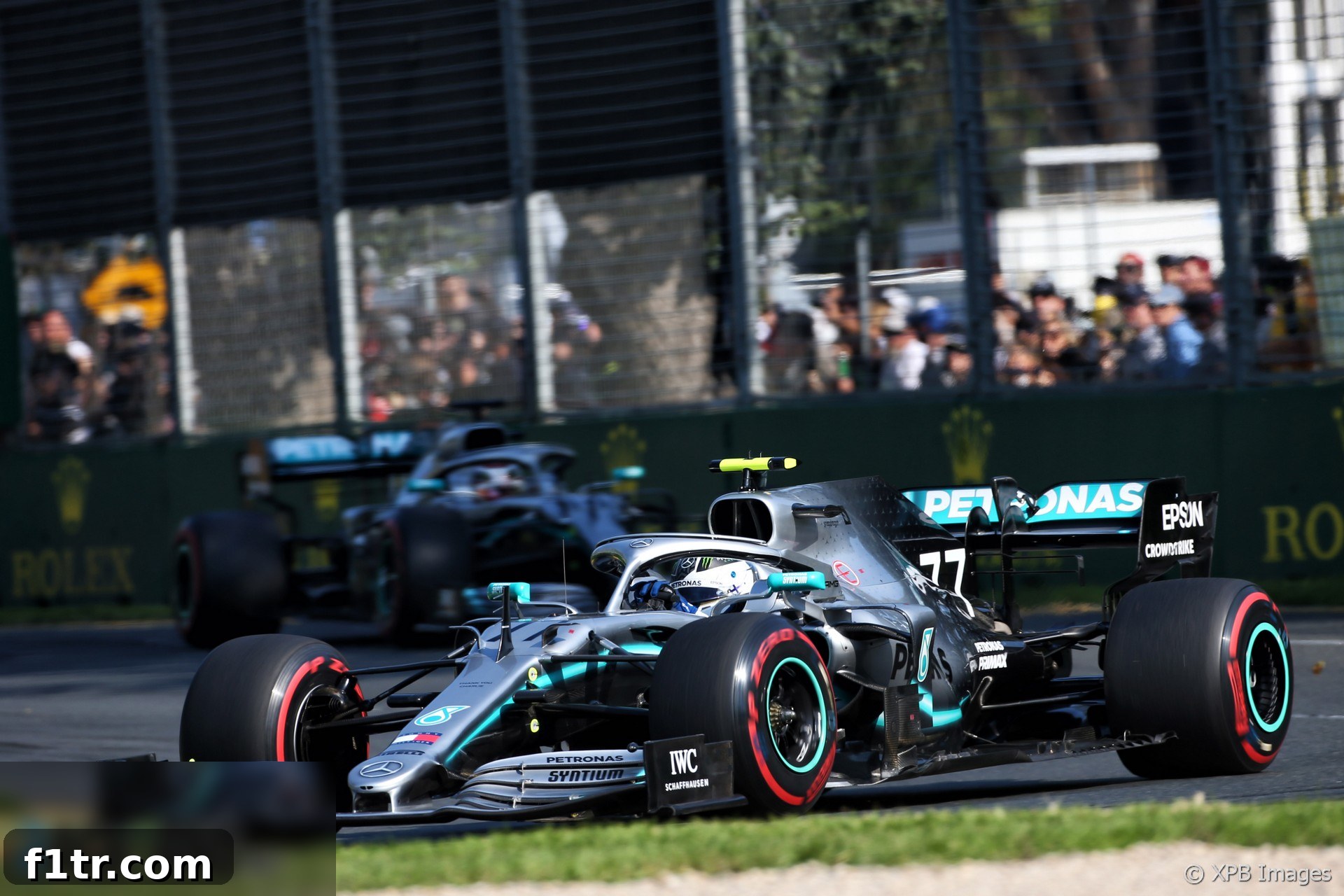
The tangible impact of the fastest lap bonus point was immediately evident in the early stages of the 2019 season. Valtteri Bottas, Mercedes’ driver, found himself leading the championship standings precisely because of the bonus point he secured in the Australian Grand Prix. This early advantage served as a stark reminder of how critical every single point can be in a tightly contested championship battle.
Bottas himself recognised the significance of these seemingly minor gains. “They are points that will count at the end of the championship,” he asserted. “Obviously, now, at this point, it doesn’t matter much but what matters is at the end of the championship and we’ve seen many championships finishing with very small margins.” His words resonate with the history of Formula 1, which is replete with examples of championships decided by the narrowest of margins. A single point, or even half a point in some historical contexts, has often been the difference between glory and heartbreak. Legendary battles, like that of Prost and Senna, or more recently, Hamilton and Verstappen, highlight the immense value of every scoring opportunity. The fastest lap point, therefore, is not merely a novelty; it is a genuine factor that can tip the scales in a championship fight, making the pursuit of optimal performance on every single lap even more compelling.
The Broader Impact: Excitement, Risk, and the Fan Experience
Beyond the strategic intricacies for teams, the fastest lap point has undoubtedly enhanced the overall fan experience. It adds an extra layer of intrigue to the final stages of a Grand Prix, transforming what might otherwise be a controlled cruise to the finish line into a potential last-lap dash for glory. Spectators are now often glued to timing screens in the final moments, eagerly watching for a purple sector or a new fastest lap time, knowing that an additional point could be on the line.
This incentivizes drivers, even those with a comfortable lead or those out of the main points battle but within the top ten, to push harder. It demands a sophisticated balance from drivers: aggressive enough to extract maximum pace, yet controlled enough to avoid pushing beyond the limits of their tyres or car. This constant tension contributes significantly to the sport’s entertainment value, turning every Grand Prix into a more unpredictable and captivating spectacle right up to the chequered flag. It’s a testament to how small rule changes can have a profound impact on the narrative and excitement of Formula 1.
In conclusion, the reintroduction of the fastest lap bonus point has successfully added a compelling new dimension to Formula 1. It forces teams and drivers to make tough strategic calls, balancing the lure of an extra point against the ever-present risk of a race-ending incident. While figures like Toto Wolff remain wary of the potential for costly crashes, the undeniable strategic depth and increased excitement it brings to the sport ensures that the debate over risk versus reward will continue to be a fascinating subplot in every Formula 1 season.
Advert | Become a RaceFans supporter andgo ad-free
2019 F1 season
- Crying in the Melbourne car park at 2019 grand prix was my career low – Ocon
- McLaren Racing reports reduced £71 million loss in 2019
- Kvyat: Hockenheim podium last year was “my biggest achievement” so far
- How the FIA’s new encrypted fuel flow meter targets Ferrari’s suspected ‘aliasing’ trick
- “He smashed my office door”: 23 must-see moments from ‘Drive to Survive’ season two
Browse all 2019 F1 season articles