Unveiling the Future: How Strict Regulations Define the 2022 F1 Car Design Era
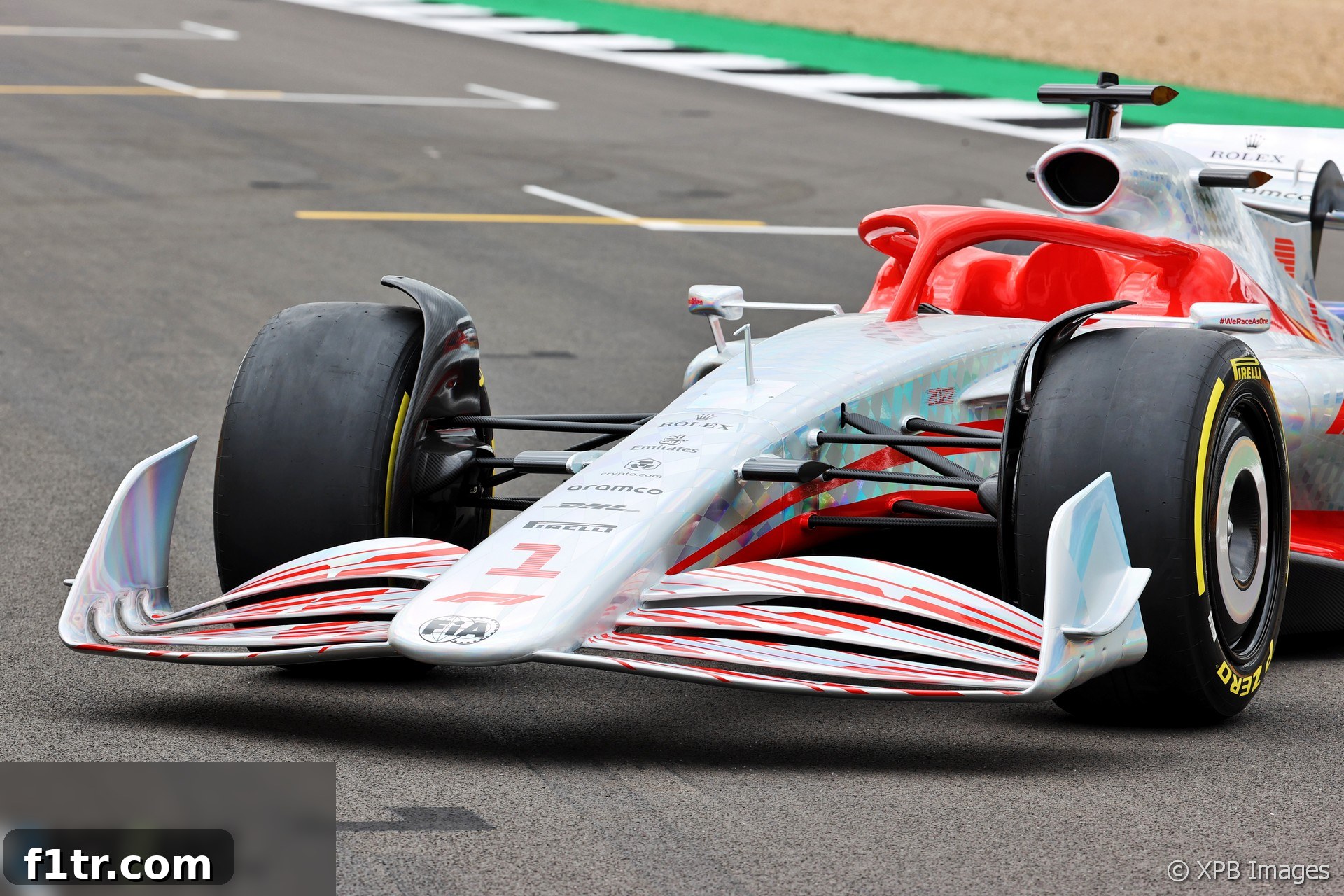
The dawn of a new era in Formula 1 racing was heralded by the grand unveiling of the 2022 F1 car model at Silverstone. This highly anticipated moment provided a concrete glimpse into the future of the sport, characterized by significantly tighter technical regulations. These stringent rules mean that the racing machines developed by teams for the 2022 F1 season are expected to bear a striking resemblance to the full-size example presented by the series. This move by Formula 1 and the FIA aims to create a more level playing field, foster closer competition, and enhance the spectacle of racing for fans worldwide, moving away from the complex aerodynamic structures that often hindered overtakes in previous seasons.
Formula 1 officially presented the first full-size model of a car designed precisely to its revolutionary new rules for 2022, capturing the attention of drivers, engineers, and enthusiasts alike. Among those scrutinizing the new design was two-time world champion Fernando Alonso. Speaking during a press conference held after the presentation at Silverstone, Alonso shared his insightful perspective, suggesting that next year’s cars will look much like the version showcased.
Driver’s Insight: Fernando Alonso on Design Homogenization
Alonso’s observations underscore the fundamental shift in design philosophy. “I don’t think that there will be a big difference to what we see today,” he stated, referring to the unveiled model. “I think the regulations are quite strict, there is not maybe the freedom that we had in the past.” This reduction in design freedom is a deliberate move by the sport’s governing bodies to curb the spiraling costs of development and prevent teams from finding extreme aerodynamic advantages that can lead to processionary racing. While some may lament the potential loss of radical innovation, the intent is to shift the focus from engineering prowess in exploiting loopholes to optimizing performance within highly constrained parameters.
The veteran driver acknowledged that while underlying philosophies would differ across teams, leading to subtle variations, these would likely be imperceptible to the casual observer. “Obviously there will be different philosophies for different teams. They will not look exactly the same as what we see today. But that will be for an expert eye. I think for the normal people it will look not too different to what we see today.” This perspective highlights the nuanced challenge for engineers: how to extract maximum performance and unique characteristics from designs that, on the surface, appear largely uniform. It implies a deeper battle for marginal gains, focusing on areas like suspension setup, power unit integration, and tire management, rather than revolutionary external bodywork.
The Road to 2022: Pandemic Delays and Strategic Refinements
The journey to these new regulations has been an extended one. Formula 1’s groundbreaking new rules for next year were initially presented in 2019, sparking considerable excitement and debate across the paddock. However, their introduction was subsequently postponed by a year to the 2022 season. This delay was a direct consequence of the global pandemic, implemented as a crucial cost-saving measure to alleviate financial pressures on teams during unprecedented times. The extra year provided invaluable time for the FIA and Formula 1 management to further refine the rulebook, ensuring that the spirit of the regulations — promoting closer racing and sustainability — was perfectly captured and protected against unintended interpretations.
Engineering Under Constraint: Pat Fry on Navigating a Heavily Regulated Landscape
The task of designing cars under these new rules falls squarely on the shoulders of technical directors and their engineering teams. Alpine’s chassis director, Pat Fry, offered a candid assessment of the challenges. He confirmed that the regulations have been meticulously refined to significantly reduce opportunities for teams to exploit ‘loopholes’ or uncover unexpected avenues for performance gains that might contradict the intended spirit of the rules. This represents a proactive approach by the governing bodies to prevent the kind of ingenious, yet often controversial, interpretations that have characterized Formula 1’s technical history.
“There’s quite a few bits that are more vague and those bits you can interpret in a number of ways,” Fry admitted, acknowledging the inherent difficulty in crafting a completely watertight rulebook. “But the bulk of it, the wording is there for us to work on.” This indicates that while minor ambiguities might persist, the core framework is robust and clear. Fry further emphasized the FIA and FOM’s commitment to prevent designs that stray from the foundational concepts. “There are a few things that are out there which I don’t think was in the FIA/FOM [spirit]. They look slightly different from what their original concepts were. I don’t think there are any gaping loopholes as such. And it is really, compared to what we had in the past, very heavily regulated.” This statement underscores the unprecedented level of control and specificity embedded within the 2022 regulations, forcing teams to innovate within a much narrower corridor.
Fry also highlighted the immense intellectual challenge posed by the increasingly detailed nature of the new rulebook. Understanding and applying these complex regulations is a demanding task for even the most experienced engineers. “Years ago you could read them and understand them,” he recalled, reflecting on a bygone era of simpler technical directives. “Now you need to read them, then look at the CAD for an hour and then go back and read them again. It is more and more complicated.” This intricate dance between textual interpretation and three-dimensional digital modeling (CAD) illustrates the depth of analysis required to ensure compliance and competitive advantage. Engineers are spending countless hours deciphering paragraphs, cross-referencing with digital models, and simulating performance to ensure every design choice adheres strictly to the rules while maximizing potential. This rigorous process is a testament to the sophistication of modern F1 engineering and the FIA’s determination to maintain integrity and parity.
The Quest for Closer Racing: Ground Effect Aerodynamics and the New Car
At the heart of the 2022 regulations is a revolutionary approach to aerodynamics, specifically the reintroduction of ground effect. This design philosophy is aimed at significantly reducing the disruptive “dirty air” generated by cars, which has historically made it incredibly difficult for drivers to follow closely and overtake. By channeling air through sculpted underfloors to create downforce, the new cars are designed to maintain more aerodynamic stability when running in another car’s wake. This shift is expected to lead to more exciting wheel-to-wheel battles, where driver skill, rather than aerodynamic superiority in clean air, becomes the decisive factor.
Beyond the technical specifics, the visual aesthetics of the 2022 car model also played a crucial role in its unveiling. Formula 1 wanted to ensure that the new cars not only performed better on track but also looked futuristic and aggressive. The model showcases a sleek, simplified bodywork, larger wheels, and striking lines that aim to captivate audiences. This holistic approach – combining enhanced racing spectacle with appealing design – is central to F1’s long-term strategy for growth and fan engagement. The goal is a product that is both technically groundbreaking and visually iconic, bringing a fresh, dynamic feel to the sport.
Beyond the Blueprint: What the 2022 Season Holds for Teams and Fans
The 2022 season represents a monumental reset for Formula 1. Every team, from the reigning champions to the smallest privateer outfits, started with a clean slate, interpreting the same complex rulebook. This promises an intense development race, where understanding the nuanced implications of the regulations will be paramount. Teams will pour resources into computational fluid dynamics (CFD), wind tunnel testing, and simulation to find the smallest edge, knowing that a misstep in design philosophy could set them back significantly.
For fans, the promise is clear: more unpredictable races, closer battles, and a greater emphasis on driver talent. The homogenizing effect of the regulations aims to compress the field, making every tenth of a second count and potentially allowing more teams to challenge for podiums and wins. This new era of F1 is not just about faster cars; it’s about better racing, a more sustainable future for the sport, and a re-evaluation of what makes Formula 1 the pinnacle of motorsport. The challenges are immense, but the potential rewards – a thrilling and competitive championship – are even greater.
A Glimpse into the Future: The 2022 F1 Car Model Gallery
Explore More F1 Insights
- Understanding the New F1 Technical Regulations
- How the 2022 Car Design Aims to Transform Racing
- The Future of F1 Aerodynamics and Ground Effect
- Navigating the F1 Cost Cap: Challenges for Teams
- Driver Input: Shaping the Next Generation of F1 Cars
Browse all 2022 F1 Season Analysis articles