The iconic streets of Monte Carlo once again delivered a weekend filled with drama, unexpected challenges, and plenty of talking points, both on and off the track. From Formula 1 stars enduring the full 78 laps of the arduous Monaco Grand Prix without a vital drop of water, to a top team principal addressing his star driver’s struggles, and even a peculiar rulebook oversight affecting a support race, the event provided a rich tapestry of motorsport narratives. This comprehensive debrief delves into the critical moments and wider implications that unfolded during one of motorsport’s most prestigious weekends, offering an in-depth look at the intricacies of high-stakes racing and the personalities that define it.
Monaco Grand Prix Debrief: Unpacking the Drama from the Principality
F1 Driver Struggles: The Dehydration Drama in Monaco
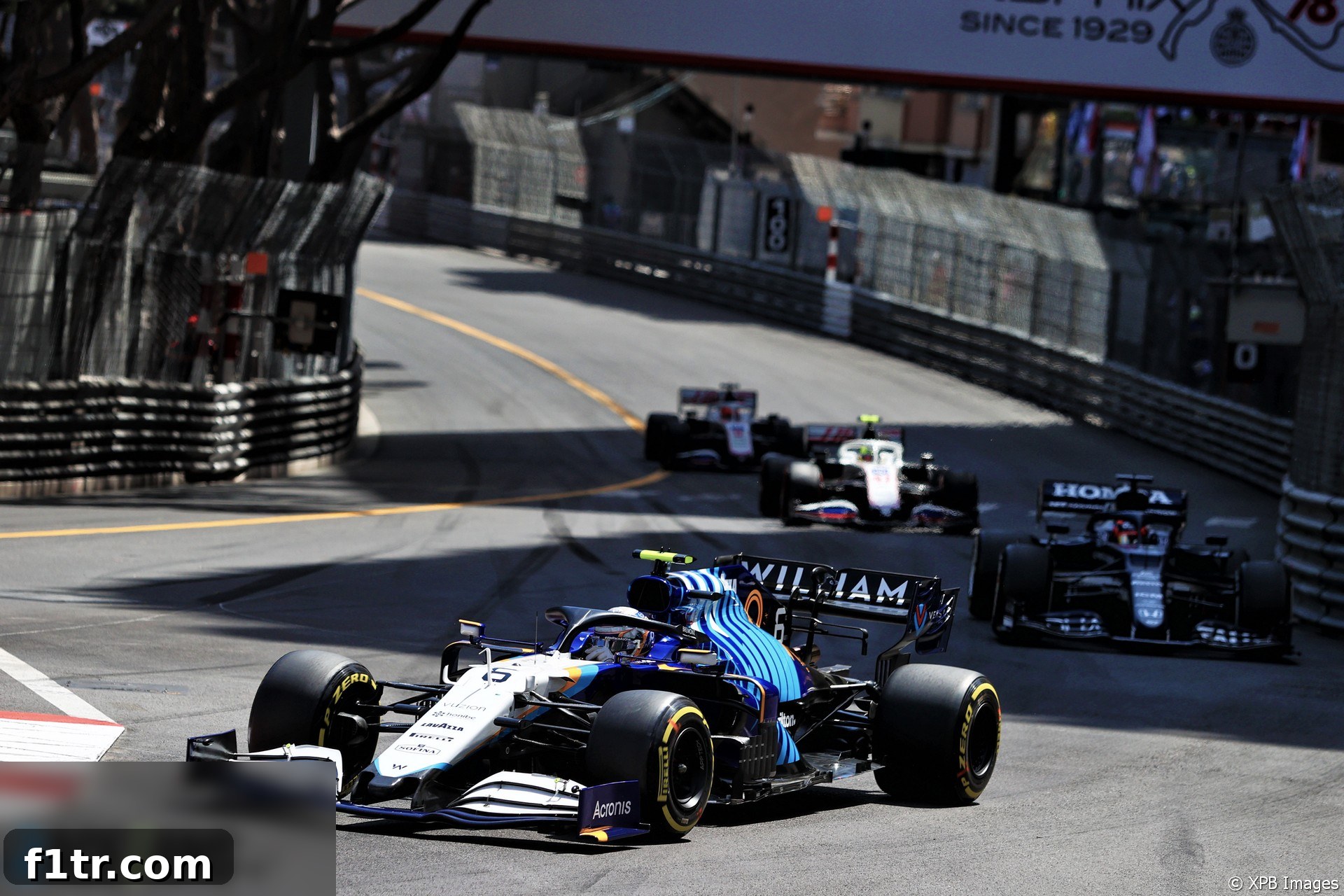
The unforgiving circuit of Monaco, renowned for its tight corners, relentless concentration demands, and physically taxing nature, pushed two Formula 1 drivers to their absolute limits without the aid of a vital in-race hydration system. For over an hour and a half, both Nicholas Latifi of Williams and Kimi Raikkonen of Alfa Romeo navigated the Monte Carlo harbour circuit, completing 78 demanding laps under the intense Monaco sun, all while battling the discomfort of a non-functional drinks tube. This oversight, stemming from different reasons for each driver, highlighted the unseen physical toll of Grand Prix racing and the critical role of even seemingly minor equipment details.
Latifi’s Self-Inflicted Thirst: A Crucial Pre-Race Oversight
Advert | Become a Supporter & go ad-free
For Williams driver Nicholas Latifi, the absence of his in-car drink was, surprisingly, a self-inflicted error. The Canadian driver later admitted to a crucial oversight at the very start of the race, a simple but impactful mistake in the heat of pre-race preparations. “The only mistake I made was forgetting to put my drinks tube in my mouth at the start of the race,” Latifi confessed with a hint of irony after the chequered flag. “So I just did the whole race and only realised afterwards that I didn’t drink anything.” This oversight meant he endured the entire Grand Prix without any hydration. Despite this significant physical disadvantage, Latifi’s performance appeared remarkably resilient. He crossed the finish line a mere second behind his highly-rated teammate, George Russell, suggesting that his focus and physical fitness allowed him to mitigate the effects of dehydration to a considerable degree. This episode underscores the meticulous preparation required in Formula 1 and how even a minor pre-race oversight can lead to profound discomfort over a Grand Prix distance, yet some drivers possess the mental fortitude to push through.
Raikkonen’s Frustration: A Recurring Technical Glitch
In stark contrast to Latifi’s momentary lapse, Kimi Raikkonen’s dehydration issue stemmed from what he perceived as a recurring fault with his Alfa Romeo team’s equipment. The veteran Finn, known for his stoic demeanor and frank communication style, expressed considerable frustration over his team radio following the race. “One thing, again that f***ing drinks pipe came loose on the formation lap,” Raikkonen exclaimed, clearly irritated by the persistent problem. “It’s been behind my back the whole race the f***ing filter, so I don’t know how it’s so difficult to put it, connect it correctly.” This wasn’t an isolated incident for Raikkonen, indicating a persistent problem with the setup of his hydration system that had evidently plagued him in previous races. Unlike Latifi, who seemed to take his mistake in stride, Raikkonen did not take the lack of fluids lightly, highlighting the critical role proper hydration plays in maintaining peak performance and concentration during the intense physical and mental demands of a Formula 1 race. The difference in reaction between the two drivers illustrates how critical these small details are for driver comfort and performance, especially in gruelling races like Monaco where even a tiny advantage or disadvantage can significantly impact race craft and stamina over an extended period.
McLaren’s Ricciardo Conundrum: Adapting to the MCL35M
The Monaco Grand Prix proved to be another challenging chapter for Daniel Ricciardo in his maiden season with McLaren. The Australian driver, a proven race winner and charismatic figure in Formula 1, found himself uncharacteristically struggling for pace throughout the weekend, culminating in the humbling experience of being lapped by his teammate, Lando Norris, during the race itself. This stark performance differential prompted McLaren team principal Andreas Seidl to offer insights into Ricciardo’s difficulties, suggesting a fundamental mismatch between his natural driving style and the specific demands of the McLaren MCL35M car.
Seidl acknowledged Ricciardo’s efforts since joining the team, noting that “we have made good steps forward with him” in the initial races, which included a respectable run of four consecutive points finishes prior to Monaco. However, he elaborated on the core issue: “In order to drive our car fast at the moment you need a special driving style, which is not natural for Daniel. That’s why it’s not easy for him to get the laps in and extract the performance.” This statement suggests the MCL35M requires a particular approach, perhaps favoring a different corner entry, mid-corner balance, or throttle application technique that diverges from Ricciardo’s inherent preferences developed over years in other cars. Ricciardo is famously known for his aggressive late-braking and preference for a stable rear end, while the McLaren might demand a more fluid, possibly even tail-happy, style that Norris has seemingly mastered and adapted to effortlessly.
The McLaren team principal outlined a dual strategy to help Ricciardo overcome this significant hurdle. Firstly, the onus is on Ricciardo to further adapt his technique to the car’s unique characteristics. “Him further adapting to our car because obviously he sees that the potential is there. Which is I think the positive thing for him to see that and that Lando can pull it off,” Seidl stated. This belief in the car’s underlying potential, vividly demonstrated by Norris’s strong performances, provides a clear target and motivation for Ricciardo. Secondly, the team is equally committed to supporting him from their side. “At the same time we look at the team side as well about what we can do in order to help him on the path to getting back this natural feeling that you need to go fast.” This could involve a range of interventions, from specific adjustments to the car’s setup to better suit his style, intensive simulator work to hone new techniques, or even psychological support to help Ricciardo regain his confidence and find that ‘natural’ connection with the MCL35M. The situation at McLaren highlights the complex interplay between driver skill, car design philosophy, and the crucial process of adaptation in modern Formula 1, where even world-class drivers can face significant challenges when switching teams and car concepts.
Rules & Regulations: FREC’s Monaco Mishap and the Overlooked Rulebook
The prestigious Monaco weekend wasn’t only eventful for Formula 1; it also presented a peculiar and somewhat embarrassing challenge for its primary support series, the Formula Regional European Championship (FREC). A significant rulebook oversight led to the second FREC race of the weekend, held on the Grand Prix morning, being controversially shortened hours after its completion. This incident brought to light the critical importance of meticulous attention to regulatory details, especially in the unique and time-constrained environment of Monaco.
The race initially ran for its planned duration of 19 laps, seemingly without issue. However, when the official final classification was published several hours post-race, the results were unexpectedly taken based on lap 10. The root cause was an overlooked ‘quirk’ in the rule book, specifically event-specific supplementary regulations that the race timekeepers failed to properly note and implement. Article 8.2 of the championship’s sporting regulations had been revised specifically for the Monaco event to state: “in the event where a race is suspended, the duration of the suspension will not be added to the planned duration of the race.” The inclusion and emphasis on the word “not” was a critical deviation from the championship’s usual text and was designed to accommodate Formula 1’s strictly enforced schedule requirements on the congested Monaco street circuit, where any delays can have a domino effect on the entire day’s proceedings.
During the FREC race, a red flag on the opening lap caused a 17-minute stoppage. According to the revised regulation, which stated the suspension period would *not* extend the overall race time, the race should have concluded precisely half an hour plus one lap after its initial start time, taking into account the pre-determined duration without any extension for the red flag period. Instead, the race was restarted with a full half-hour still remaining on the clock, as if the suspension period *would* be added back, effectively running for longer than the special Monaco rule allowed. This significant discrepancy was only identified post-race, leading to confusion and subsequent appeals. Following interventions from affected teams to the stewards, the results were ultimately corrected, cutting the race length almost in half. While the most significant consequence of this correction was a change in the driver occupying 15th place – a seemingly minor position in the grand scheme – the incident served as a stark reminder of how a seemingly minor oversight in interpreting complex sporting regulations can have tangible and far-reaching impacts on race outcomes, emphasizing the absolute need for precision and adherence to the rulebook in all levels of motorsport governance.
Advert | Become a RaceFans supporter andgo ad-free
Beyond the Track: Motorsport Community & Tributes
Social Media Buzz: A Glimpse into the Motorsport World
The Monaco Grand Prix weekend, as always, generated considerable buzz across social media platforms, with fans, teams, and drivers sharing their experiences and reactions. Posts from official F1 accounts celebrated the spectacle and glamour of the #MonacoGP, with the F1 Miami Grand Prix account looking enthusiastically forward to its own debut in 2022, building anticipation for future events. F1 Media also provided an update on COVID-19 testing protocols, maintaining transparency for competition integrity during the ongoing global health situation. Meanwhile, drivers like Jimmie Johnson engaged in traditional helmet swaps, a gesture of respect and camaraderie often shared between competitors in different series. Other notable posts included Indy 500 qualifiers sharing their emotional journeys, reflecting on the immense challenges and personal triumphs of making the cut for one of motorsport’s most prestigious races. These snippets from Twitter and Instagram offered a vibrant, real-time window into the broader motorsport world, highlighting not just the pinnacle of F1, but also the growing global footprint of the sport, the intensity of qualifying events like the Indy 500, and personal reflections from drivers on their careers and passions.
- Find more official F1 accounts to follow in the F1 Twitter Directory
Key Motorsport Headlines from Around the Globe
Beyond the immediate action in Monaco, the wider world of motorsport continued to generate significant news and talking points. Here’s a round-up of other compelling stories and discussions that captured attention, offering a broader perspective on the diverse and dynamic landscape of racing:
F1: Two drivers who are gaining absolutely nothing (Beyondtheflag.com)
This insightful article delved into the challenging positions of George Russell and rookie Mick Schumacher, suggesting that despite their evident talent and dedicated efforts, their current situations in Formula 1 are not yielding significant career progression or demonstrably meaningful gains. For Russell, it questions if another year at the back of the grid, consistently outperforming his machinery but without a front-running seat, is truly beneficial for his long-term prospects. For Schumacher, it observes the early difficulties in his F1 journey, highlighting the tough reality of breaking through and making an impact in a highly competitive sport where car performance often plays a decisive role in a driver’s perceived success.
The unbreakable man leading IndyCar’s diversity charge (IndyStar)
An inspiring feature focusing on Jimmie McMillian, IndyCar’s diversity chief, and his remarkable journey through life and into motorsport. The piece recounts his initial exposure to racing, facing prejudice and significant challenges, yet ultimately falling deeply in love with the sport and the iconic Indianapolis Motor Speedway. McMillian’s story is one of extraordinary perseverance and a powerful testament to his unwavering commitment to making motorsport more inclusive and accessible, breaking down barriers that historically excluded various communities from the racing world. His leadership signals a positive and proactive shift towards a more diverse and equitable future for IndyCar and motorsport as a whole.
Astuti escapes serious injury after violent rollover (Speedcafe)
A frightening incident from the Australian Formula Ford Championship saw Valentino Astuti involved in a violent rollover crash at Wakefield Park. Miraculously, despite the severity of the accident which prematurely ended round two of the championship, Astuti escaped serious injury. This report highlights the ever-present dangers inherent in motorsport and, crucially, underscores the continuous advancements in safety technologies and regulations that increasingly allow drivers to walk away from high-impact incidents. This serves as a powerful testament to the ongoing efforts in driver protection across all racing categories, from grassroots to the pinnacle.
The youngest ever winners in F1’s primary feeder series (Formula Scout)
Formula Scout explored the remarkable achievement of Theo Pourchaire, who, at just 17 years old, became the youngest ever winner of a Formula 2 race. This article celebrates the precocious talent emerging in Formula 1’s feeder categories, delving into the history books to identify other teenage sensations who have triumphed in F2 and its predecessors. It underscores the increasing trend of younger drivers making an immediate impact on their way up the motorsport ladder, setting new benchmarks for youth and success in the competitive journey towards Formula 1. These young stars represent the future of the sport, and their early successes are often indicators of future Grand Prix potential.
Todt: I see Schumacher twice a month (Corriere)
A poignant update from Jean Todt, former Ferrari team principal and FIA president, who revealed in an interview with Italian newspaper Corriere that he regularly visits Michael Schumacher at his Swiss home. Despite the strictures imposed by the Covid-19 pandemic, Todt maintains a consistent connection with the F1 legend, showcasing an enduring friendship. This piece offers a rare, personal glimpse into the life of Michael Schumacher post-accident, underlining the deep-seated bond between Todt and the Schumacher family, and the continued respect, concern, and admiration for the seven-time world champion by those closest to him.
Statement on the death of Max Mosley (Hacked Off)
This statement from Hacked Off, an organization campaigning for press regulation and accountability, paid a heartfelt tribute to the late Max Mosley, former FIA president. Beyond his widely known and sometimes controversial career in motorsport, the statement highlighted Mosley’s dedicated efforts in his later years to campaigning for reforms in press regulation, a cause he championed fervently after his personal life was subjected to controversial and libellous coverage. His efforts, tragically spurred by the suicide of his son Alexander, led to the establishment of a Trust supporting ethics and accountability in the press, revealing a lesser-known but equally significant facet of his public service and his commitment to justice.
We always endeavour to credit original sources. If you have a tip for a link relating to single-seater motorsport to feature in the next RaceFans round-up please send it in via the contact form.
Advert | Become a RaceFans supporter andgo ad-free
A Legacy Remembered: Max Mosley’s Enduring Impact on Safety
The recent passing of former FIA president Max Mosley naturally ignited discussions about his complex and sometimes controversial career and public persona. However, it also brought into sharp focus his profound and often unsung contributions, particularly in the realm of safety, both within motorsport and for everyday road users. Our “Comment of the Day” highlighted this critical and often overlooked aspect of his immense legacy, with reader Jack emphasizing Mosley’s invaluable and far-reaching work.
As controversial as he was at times, he was unflinchingly effective when it came to improving safety in motorsport and road cars as chairman of EuroNCAP. Anyone who survived a big crash in a car built since the early 2000s probably has him to thank for their life.
Jack
Jack’s insightful observation powerfully encapsulates Mosley’s significant influence. Beyond the headlines and his high-profile F1 role, his chairmanship of EuroNCAP, the European New Car Assessment Programme, fundamentally transformed automotive safety standards. Under his shrewd guidance and determined leadership, EuroNCAP pushed manufacturers to prioritize crashworthiness and occupant protection, leading to dramatic improvements in car design and the widespread adoption of advanced safety features like airbags, improved crumple zones, and stronger passenger cells. This tireless work, though perhaps less glamorous than his F1 activities, has undeniably contributed to saving countless lives on roads worldwide, a testament to his deep-seated and unwavering commitment to making both racing and road travel safer for everyone. His impact on public safety remains one of his most important and lasting contributions.
Community Corner: Happy Birthday Shout-Outs!
We extend our warmest birthday wishes to Sumedh and Joe Papp! May your day be filled with joy, happiness, and celebration. We cherish our community and love to celebrate these special moments with you. If you’d like a birthday shout-out in our future round-ups, please don’t hesitate to tell us when yours is via the contact form or by adding to our growing list here. We look forward to celebrating with you!
On This Day in F1 History: Mansell’s Iconic Spa ‘Spin and Win’
- Exactly 35 years ago today, Nigel Mansell delivered one of his most iconic and thrilling victories at the Belgian Grand Prix at Spa-Francorchamps. In a testament to his ‘Lionheart’ nickname, Mansell famously spun at the Bus Stop chicane after having just overtaken his rival Ayrton Senna. Despite this heart-stopping moment, he remarkably recovered control of his powerful Williams car, rejoining the track without losing his lead and ultimately maintaining his position to win the race. Senna, who finished a close second, briefly regained the championship lead that day, but Mansell’s audacious recovery and ultimate triumph remain a legendary highlight of the 1986 season and a classic moment in Formula 1 history. This race perfectly encapsulated Mansell’s never-give-up attitude, incredible car control under immense pressure, and his distinctive, aggressive driving style that endeared him to millions of fans worldwide.