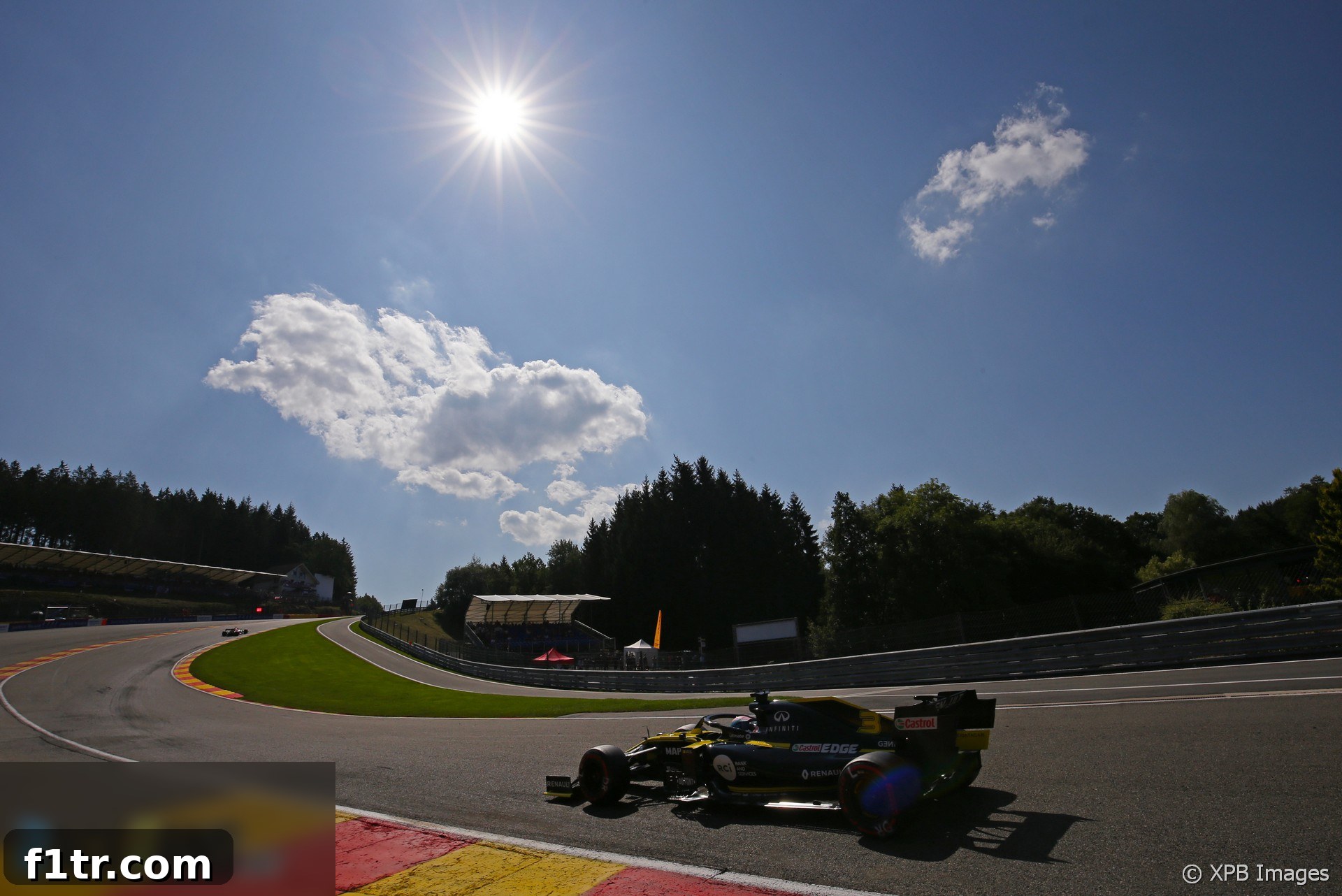
Welcome to the legendary Spa-Francorchamps circuit, nestled deep within the picturesque Ardennes forest in eastern Belgium. Renowned globally as one of Formula 1’s most iconic and challenging tracks, Spa is equally famous for its notoriously unpredictable weather conditions. As teams and drivers prepare for another thrilling Belgian Grand Prix, the forecast suggests that Spa’s reputation for changeable weather will once again be front and center, promising a captivating mix of sunny spells, cloudy periods, and the ever-present threat of rain showers throughout the weekend. This atmospheric unpredictability adds an extra layer of complexity and excitement, making strategy calls and driver skill even more critical on this hallowed tarmac.
The Legendary Spa-Francorchamps: A Test of Skill and Strategy
Spa-Francorchamps stands as a monument to motorsport history, a circuit that has tested the mettle of the greatest drivers for decades. Its vast 7.004-kilometer layout, one of the longest on the Formula 1 calendar, sweeps through natural topography, featuring breathtaking elevation changes and high-speed corners that demand absolute commitment. From the iconic ascent of Eau Rouge/Raidillon, a sequence that drivers tackle at full throttle, to the daunting Blanchimont and the intricate Bus Stop chicane, every section of Spa presents a unique challenge. This natural, flowing design, combined with the often-demanding weather, ensures that only the most adaptable and courageous emerge victorious. The circuit’s character, deeply intertwined with its environmental surroundings, creates an unparalleled spectacle for fans and an ultimate examination for competitors.
The Ardennes Microclimate: A Recipe for Unpredictability
The unique geographical location of Spa-Francorchamps within the dense Ardennes forest is the primary reason for its infamous microclimate. The hilly, wooded terrain creates localized weather patterns, meaning that one part of the circuit can be basking in sunshine while another section, just a few kilometers away, is experiencing a heavy downpour. This phenomenon is a constant source of strategic headaches for teams and drivers alike, who must remain vigilant and ready to adapt their setups and race plans at a moment’s notice. The rapid shifts from dry to wet and back again can lead to spectacular races, unexpected results, and some of the most memorable moments in F1 history, making the Belgian Grand Prix a truly special event regardless of the forecast.
Weather Forecast: A Weekend of Variable Conditions
The upcoming weekend at Spa-Francorchamps is poised to live up to its reputation for delivering a meteorological rollercoaster. Forecasters predict a diverse range of conditions, ensuring that teams will face constant challenges in optimizing their car setups and executing race strategies. A consistent theme throughout these variables, however, will be the cool ambient temperatures, a stark contrast to some of the warmer races seen this season. This particular blend of cool air and potential precipitation creates a complex scenario, impacting everything from engine performance and tire grip to driver comfort and visibility. Preparing for such a weekend demands meticulous planning and the ability to make split-second decisions as conditions evolve.
Friday Practice: Seeking Dry Running Amidst the Clouds
Friday, the opening day of practice, is anticipated to bring generally cloudy skies over the circuit. While the risk of rain remains relatively low for most of the day, teams will be hoping for extended dry spells to gather crucial data on their car setups, evaluate tire performance on longer runs, and allow drivers to familiarize themselves with the challenging track. Air temperatures are forecast to be cool, rising no higher than 17 degrees Celsius, which is significantly lower than typical summer F1 weekends. This cooler environment will impact tire warm-up and overall grip levels, requiring careful management. As the late afternoon approaches, there’s a possibility of some welcome sunshine, which could provide a brief window of improved track conditions and slightly warmer temperatures for the final runs of the day, crucial for fine-tuning before qualifying.
Saturday Qualifying: Rain Threat Looms for Crucial Laps
The stakes will rise significantly on Saturday as teams battle for grid positions, with a slight increase in the risk of rain showers compared to Friday. Qualifying at Spa is always a high-pressure affair, and the added variable of potential precipitation will only heighten the tension. Drivers and strategists will need to be acutely aware of track conditions, as even a light shower can drastically alter grip levels and favor those who manage to set a fast lap early in a session before the rain intensifies. This could lead to frantic dashes out of the pits and strategic gambles, creating thrilling and unpredictable qualifying sessions. The cool temperatures will persist, meaning tire management and getting the maximum performance out of the compounds will be paramount, particularly if conditions are mixed.
Race Day Sunday: The Ultimate Test in Potentially Wet Conditions
Race day on Sunday currently carries the highest chance of precipitation, setting the stage for what could be a truly dramatic Belgian Grand Prix. The forecast indicates air temperatures will be even cooler than previous days, potentially not rising above 15 degrees Celsius. To put this into perspective, last year’s race day saw ambient temperatures reach 18 degrees Celsius, with track temperatures soaring to 31 degrees. This year’s significantly cooler outlook, especially if combined with rain, will present a unique set of challenges. Such conditions often lead to reduced grip, increased spray, and decreased visibility, demanding exceptional car control and strategic brilliance from both the drivers and their pit crews. A wet Spa race is legendary for producing spectacular overtakes and unexpected twists, promising a captivating conclusion to the weekend.
Tyre Strategy: Adapting to Cooler Temperatures and Softer Compounds
Pirelli, Formula 1’s official tire supplier, has nominated a softer range of compounds for this year’s Belgian Grand Prix compared to previous editions. While the exact selection varies year-on-year, the decision to bring a softer array of slick tires, featuring compounds like the C4 (softest available this weekend), C3 (medium), and C2 (hardest available this weekend), introduces a critical strategic dimension. Historically, Spa’s high-speed corners and long straights, combined with its abrasive surface, have often necessitated harder compounds to cope with the immense energy loads. This year’s softer selection, therefore, poses questions about tire degradation, especially in the long runs, and how teams will manage their performance windows in the anticipated cooler conditions.
The C2, C3, C4 Selection: A Softer Approach
The presence of the C4 compound as the softest tire available for the Belgian Grand Prix marks a departure from typical selections at Spa, where harder compounds are often preferred. This softer choice might offer more initial grip and quicker warm-up times, which could be advantageous in the cooler ambient temperatures forecast for the weekend. However, the trade-off could be increased degradation over a race stint, forcing teams to consider more aggressive pit stop strategies or careful tire management. The C3 medium compound is likely to be the workhorse tire, offering a balance of performance and durability, while the C2 hard will provide the most resilient option for longer stints or for teams seeking a conservative strategy. Understanding how each compound behaves under varying fuel loads and track conditions, particularly if rain mixes things up, will be key to success.
The Crossover Conundrum: Slicks, Intermediates, or Wets?
With a high probability of rain on Sunday, the pivotal strategic decision will revolve around the “crossover point” – the crucial moment when track conditions dictate a switch from slick tires to intermediate wets, or from intermediates to full wet tires, and vice-versa. Making the right call on when to pit and which wet-weather tire to choose can make or break a race at Spa. Intermediate tires are designed for damp but not fully waterlogged tracks, while full wets are necessary for heavy rain and standing water. The challenge is exacerbated by Spa’s length; a team might commit to intermediate tires only for the rain to intensify in another sector, or vice versa. This strategic gamble, often played out under extreme pressure, adds an exhilarating layer of uncertainty and potential for heroism or heartbreak, depending on the outcome.
Implications for Teams and Drivers
The combination of Spa’s inherent challenges, the cooler temperatures, and the significant threat of rain creates a formidable test for every team and driver on the grid. Teams will face a complex dilemma in setting up their cars; balancing the need for aerodynamic efficiency on the long straights with the downforce required for the high-speed corners, all while anticipating varying grip levels. A ‘wet’ setup might provide stability in the rain but could compromise performance in dry conditions, while a ‘dry’ setup would struggle for grip if showers arrive. Drivers, meanwhile, will need to rely on their exceptional car control, spatial awareness, and ability to read the track as conditions evolve, demonstrating their true talent behind the wheel.
Setup Dilemmas and Strategic Gambles
The engineering challenge presented by Spa’s changeable weather is immense. Teams must find a versatile car setup that performs optimally across a wide range of conditions. This involves making critical decisions on wing levels, suspension settings, and brake bias, all of which will profoundly impact the car’s handling characteristics. Furthermore, the pit wall strategists will be under intense scrutiny, as their calls regarding tire changes, timing of pit stops, and adaptation to real-time weather updates will directly influence the race outcome. A well-timed pit stop for wet tires or a courageous decision to stay out on slicks can propel a driver up the order, while a misjudgment can lead to significant losses. These strategic gambles are an integral part of the Spa experience, often delivering the most thrilling moments.
Driver Skill in Challenging Conditions
At a circuit like Spa-Francorchamps, especially with mixed conditions, driver skill truly comes to the forefront. Navigating high-speed sections with reduced grip, managing tire temperatures, and maintaining visibility amidst spray are just a few of the challenges. The legendary corners of Spa, such as Eau Rouge, require unwavering commitment even in the dry, and under wet conditions, they become an ultimate test of bravery and precision. Drivers who excel in these demanding environments often imprint their names into the annals of Formula 1 history. Their ability to communicate effectively with their engineers, provide accurate feedback on track conditions, and extract maximum performance from the car regardless of the weather will be crucial in determining who stands on the top step of the podium.
Tracking the Action: Stay Updated
As the drama unfolds at Spa-Francorchamps, Formula 1 enthusiasts won’t want to miss a single moment of the action. For the most up-to-the-minute updates on track conditions, session results, and breaking news throughout the practice, qualifying, and race sessions, be sure to keep a close eye on RaceFans Live. Additionally, for real-time insights, expert commentary, and immediate reactions, follow the official RaceFans Twitter account. These platforms will be your essential companions for staying informed and fully immersed in the unpredictable excitement of the Belgian Grand Prix weekend.
Further Reading: Revisiting the 2020 Belgian Grand Prix
To delve deeper into the history and performances at this iconic circuit, explore these articles from the 2020 Belgian Grand Prix:
- 2020 Belgian Grand Prix Star Performers
- Ricciardo believes Renault’s Spa set-up breakthrough will work on other tracks
- ‘He should have let me pass’: How Raikkonen saw Giovinazzi’s crash
- Sub-54 second laps will produce a “big mess” in qualifying on Bahrain Outer circuit
- McLaren expect Ferrari will “strike back” after Monza
Browse all 2020 Belgian Grand Prix articles