Max Verstappen’s Monaco GP: Strategic Debates, Bad Luck, and Championship Resilience
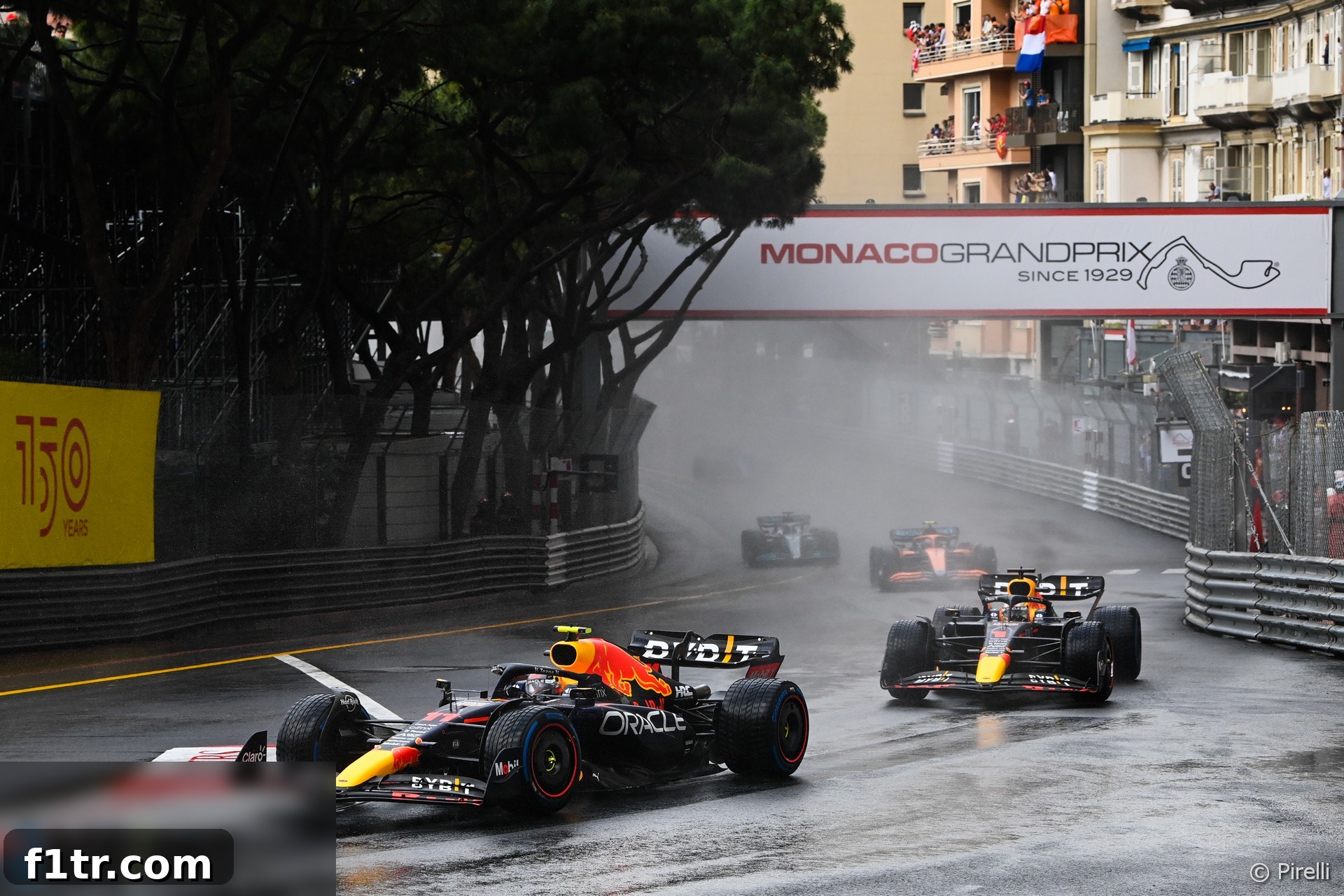
The iconic Monaco Grand Prix is a race where strategy, luck, and precision converge, often leading to unpredictable outcomes and intense post-race analysis. For reigning Formula 1 champion Max Verstappen, the 2022 Monaco event was no exception, culminating in a third-place finish that sparked a robust debate within his camp and among motorsport enthusiasts. While his father, Jos Verstappen, voiced “very disappointing” sentiments and questioned Red Bull’s strategic choices, the driver himself largely attributed the result to a stroke of bad luck.
Advert | Become a Supporter & go ad-free
Jos Verstappen’s Strategic Critique: A Father’s Viewpoint
Jos Verstappen, a former Formula 1 driver himself, did not shy away from expressing his strong opinions regarding Red Bull’s approach to the Monaco race. In a candid column published on his son’s official website, Jos articulated his belief that Red Bull “exerted little influence to help Max to the front.” He argued that the team’s strategy appeared to favor his son’s teammate, Sergio Perez, who ultimately secured a stunning victory.
“That he finished third, he owes to Ferrari’s mistake at that second stop of Charles Leclerc,” Jos elaborated in his column. This pointed remark highlighted his conviction that Max’s podium finish was more a consequence of a rival’s error than a triumph of Red Bull’s strategic prowess for their championship leader. “The championship leader, Max, was not helped in that sense by the chosen strategy. It turned completely to Checo’s favour. That was disappointing to me, and I would have liked it to be different for the championship leader.” These words underscore the intense pressure and high expectations surrounding Verstappen, especially as he defends his world title against formidable competition.
The public nature of Jos’s criticism stirred conversation, revealing the complex dynamic between a driver’s family, personal ambitions, and the calculated decisions of a top-tier racing team. For Jos, the priority was unequivocally Max’s championship standing, and any perceived deviation from a strategy designed to maximize his son’s points was a cause for concern.
Max Verstappen’s Pragmatic Take: Accepting the Hand Dealt
In stark contrast to his father’s critical stance, Max Verstappen adopted a more pragmatic and level-headed view of his Monaco performance. While acknowledging the disappointment, he recognized the inherent challenges of the street circuit and the profound impact of qualifying incidents. Max firmly believed that his race prospects were largely determined on Saturday after a red flag during Q3 prevented him from completing his final qualifying lap, forcing him to start from an unideal fourth position.
“My race was done on Saturday already after that red flag where I had to start fourth,” Verstappen stated. “And then that’s how it goes. Then in the race you are the second car so you just follow the team’s orders.” This perspective highlights the unique nature of Monaco, where grid position often dictates race outcome due to the limited overtaking opportunities. Starting fourth, behind his teammate and both Ferraris, immediately put him on the back foot, limiting strategic flexibility.
Despite the strategic hurdles, Verstappen praised Red Bull’s overall performance as a team, especially in securing a double podium finish. “I think we did that extremely well as a team to get the cars where they ended up,” he commented. He also acknowledged the element of fortune that often plays a role in the chaotic streets of Monaco. “We got also a bit lucky with backmarkers holding up the Ferraris and stuff like that. But that’s fine, in Monaco, crazy things can happen.” This candid admission underscores his understanding that success in Monaco frequently involves navigating unforeseen circumstances and capitalizing on rivals’ misfortunes, a factor that ultimately benefited Red Bull on this occasion.
Advert | Become a RaceFans supporter andgo ad-free
Reflecting further on the qualifying disappointment, Max reiterated, “I was just a bit more disappointed about that Q3 run where I couldn’t finish my lap. But that’s also Monaco. The same happened also last year in Monaco and also here in Baku with a red flag. So in a street circuit that’s really easily done.” He acknowledged the inherent risks of street circuits, where a single incident can profoundly alter the entire race weekend. However, he maintained an optimistic outlook, reminding everyone that “It’s only one race weekend, we have so many more to go where normally you can overtake even if, let’s say, there’s a bit of a disappointment in qualifying.”
The Nuances of Monaco Strategy: Red Bull’s Defense
Red Bull team principal Christian Horner offered a detailed explanation for the strategic decisions made during the Monaco Grand Prix, directly addressing Jos Verstappen’s concerns. Horner emphasized the critical role of real-time data and the complex risk assessment involved in formulating race strategy, especially on a circuit like Monaco where track position is paramount.
“What wasn’t apparent for Jos was all the information that we have during a race,” Horner clarified. He explained that any alternative strategy for Max, such as an earlier pit stop, would have plunged him into heavy traffic, potentially costing him valuable track position and ultimately a podium finish. “And of course, if we had pitted, he would have come out behind, I think, George [Russell] at the time.” This highlights the tight margins and critical timing involved; even a few seconds difference can mean the difference between clearing traffic and getting stuck, thereby ruining a race.
The strategic decisions in Monaco are notoriously difficult, often requiring teams to make split-second choices under immense pressure. The ever-evolving track conditions, coupled with the threat of safety cars and red flags, mean that a strategy that looks optimal on paper can quickly become detrimental. Red Bull’s strategy, which allowed Sergio Perez to take the lead and Max Verstappen to secure third, was a calculated move to maximize the team’s overall points haul, securing both cars a podium finish after starting from the second row.
Horner also responded graciously to Jos Verstappen’s public comments, acknowledging his right to express an opinion. “Jos is his own person, isn’t he, he’s his own personality,” Horner added. “He’s obviously got opinions, and that’s absolutely fine. That’s his opinion. The reality for us was obviously slightly different. So it’s no issue.” This diplomatic response underscores the respect within the Red Bull family while reaffirming the team’s data-driven approach to race management.
Championship Battle: Every Point Counts
Despite the strategic debates and the frustrations of a challenging qualifying session, Max Verstappen left Monaco with a crucial victory in the championship battle. By finishing third, he out-scored his closest rival, Charles Leclerc, who endured a disastrous home race marred by Ferrari’s strategic blunders and finished fourth. This outcome further solidified Verstappen’s position at the top of the Drivers’ Championship standings.
Verstappen’s ability to maintain his championship lead, even after two non-finishes earlier in the season (Bahrain and Australia) due to car problems, speaks volumes about his consistency and the competitive package Red Bull has provided. “Monaco was probably just a bit of an unlucky one,” he reflected. “But it’s okay, we’re still leading the championship.”
He continued, emphasizing the positive aspect of his current position: “Of course, I retired twice already, so to be even leading the championship with the margin I have at the moment, I think it’s very positive. We just look ahead and a lot of good things are coming but hopefully it’s going to be enough.” This resilience and focus on the bigger picture are characteristic of a world champion. In a season where reliability issues have already cost him significant points, securing a podium finish on a challenging weekend like Monaco is a testament to his determination and the team’s recovery efforts. Every point gained against a formidable rival like Leclerc is critical in what promises to be a tightly contested championship race.
Advert | Become a RaceFans supporter andgo ad-free
Looking Ahead: The Road to the Championship Continues
The Monaco Grand Prix served as a stark reminder of Formula 1’s inherent unpredictability and the fine margins that define victory and defeat. While Jos Verstappen’s critical assessment sparked discussion, Max Verstappen’s pragmatic acceptance of the result, coupled with Christian Horner’s strategic defense, provided a comprehensive view of Red Bull’s performance. Ultimately, the team achieved a strong collective result, and Max extended his championship lead, laying the groundwork for the demanding races to come.
As the Formula 1 circus moved to circuits like Azerbaijan, the focus quickly shifted to maintaining momentum and capitalizing on every opportunity. The strategic battles, the driver’s resilience, and the relentless pursuit of perfection will continue to define this thrilling championship season.
2022 Azerbaijan Grand Prix
- FIA should black-flag cars if their porpoising endangers drivers’ safety – Horner
- Transcript: Why Norris reluctantly complied with McLaren’s Baku team orders
- Montreal is “going to hurt” in stiff 2022 cars say drivers hoping for bouncing fix
- Leclerc was heading to a ‘comfortable win’ before retirement – Ferrari
- F1 should penalise those who ‘obviously’ slow on purpose in qualifying – Norris
Browse all 2022 Azerbaijan Grand Prix articles