Monaco Grand Prix Under Threat: French Energy Workers Vow Disruption Over Pension Reforms
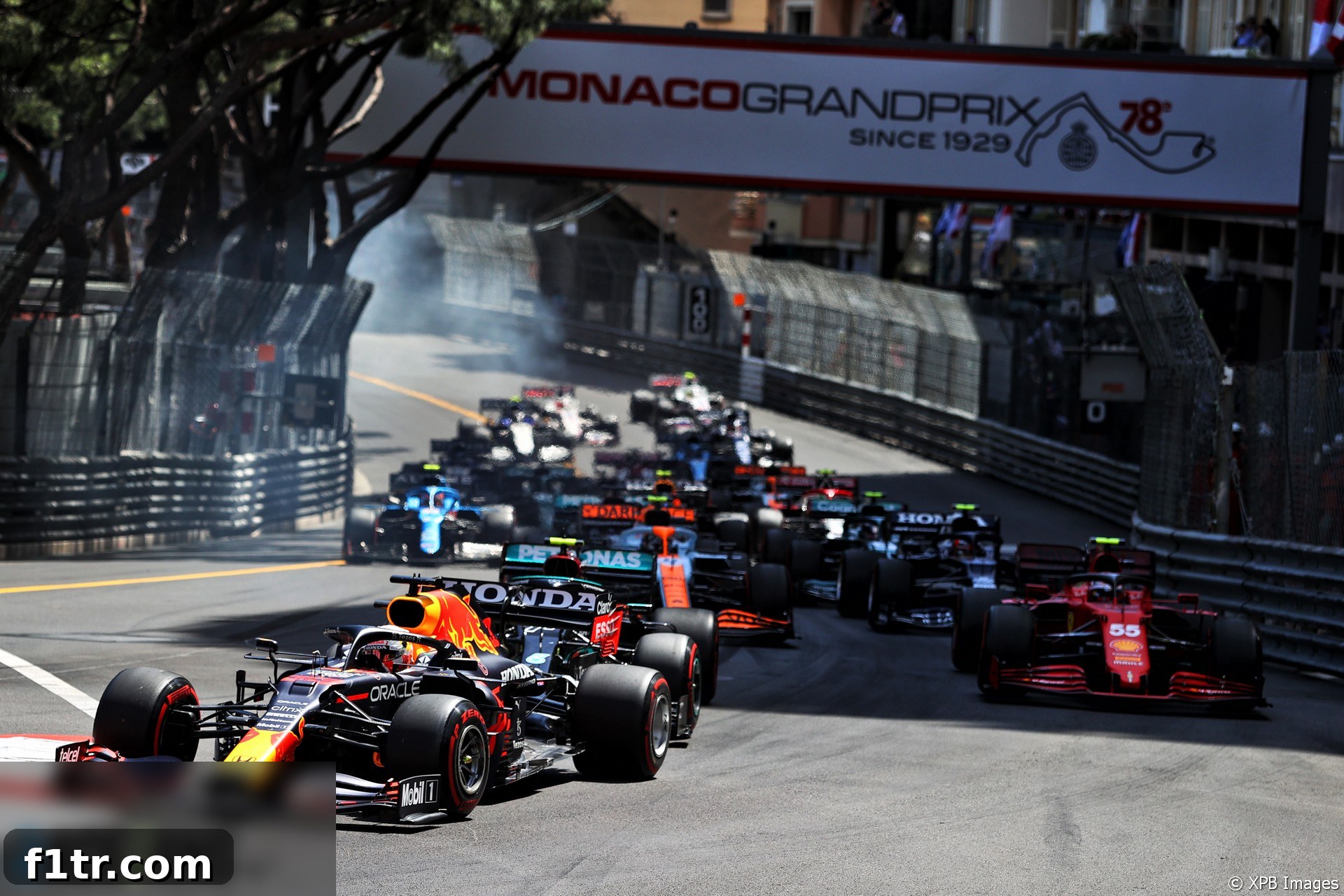
The illustrious Monaco Grand Prix, a crown jewel in the Formula 1 racing calendar, faces a significant threat of disruption next month. A powerful union representing French energy workers has escalated its industrial action, directly targeting the prestigious event in protest against the French government’s controversial pension scheme reforms. The Fédération Nationale des Mines et de l’Énergie (FNME-CGT) has declared a period of “100 days of anger” to underscore its unwavering opposition to President Emmanuel Macron’s policy changes, with the Monaco Grand Prix, scheduled for May 26th to 28th, earmarked as a prime target for potential interference.
French Pension Reforms Ignite Nationwide Protests and Union Action
At the heart of this escalating tension is President Macron’s plan to increase the national retirement age from 62 years to 64. This reform, which recently received approval from France’s top constitutional body, has ignited widespread public anger and led to months of extensive protests, strikes, and demonstrations across the nation. Many in France view the changes as unjust and detrimental, particularly for those in demanding professions and lower-income brackets, leading to a deep-seated resistance movement.
The FNME-CGT, a prominent voice among the protesting unions, has committed to sustained action aimed at overturning the reforms. Their strategy includes targeting high-profile national and international events to maximize media attention and exert political pressure. In a stark statement, the union declared, “100 days of anger, 100 days to win. In May, do what you please! The Cannes film festival, the Monaco Grand Prix, the Roland-Garros [tennis] tournament, the Avignon [art] festival could end up in the dark! We won’t give up!” This aggressive approach highlights the union’s resolve to bring the public’s discontent to the global stage.
Monaco Grand Prix: A High-Value Target for Disruption
The Monaco Grand Prix is more than just a race; it is a global spectacle steeped in history and glamour. As one of the oldest and most revered rounds of the FIA Formula 1 World Championship, its unique street circuit through the principality of Monte Carlo is synonymous with speed, precision, and luxury. Its immense popularity among fans, sponsors, and international media makes it an exceptionally high-value target for any group seeking to make a significant political statement.
The event is meticulously organized by the Automobile Club de Monaco (ACM), which also manages other major motorsport gatherings, including Monaco’s Formula E series race. While the ACM is responsible for the complex logistics and seamless execution of the Grand Prix, its reliance on external infrastructure, particularly for essential services like electricity, renders it vulnerable to industrial action. The FNME-CGT’s specific threat to plunge the event “into the dark” directly points to potential interference with the local energy supply.
Interestingly, the Monaco E-Prix, scheduled for May 6th, was not explicitly named as a target by the union. This omission might be due to its earlier date, its comparatively smaller global footprint next to Formula 1, or differing operational dependencies. The Automobile Club de Monaco has been contacted for comment regarding these potential disruptions and any contingency measures they might be implementing to safeguard the event.
Potential Disruption Scenarios and Historical Precedents
The prospect of energy supply interference presents a multi-faceted challenge for the Monaco Grand Prix. Although Monaco’s F1 race primarily takes place during the day, unlike the six night races on the 2023 F1 calendar, a significant power cut could severely impact various critical aspects of a modern Formula 1 event. Modern F1 operations are intensely power-dependent, requiring a constant and stable electricity supply for everything from intricate team garage diagnostics and pit lane operations to sophisticated broadcast facilities, precise timing systems, and crucial safety infrastructure.
Critical Areas Susceptible to Power Outages:
- Team Operations: Garages house an array of essential equipment including diagnostic tools, data analysis servers, tire warmers, and power tools for rapid car adjustments. A power outage would incapacitate these systems, potentially leading to lengthy delays in preparation or even rendering cars unfit for competition.
- Global Broadcast and Media: Formula 1’s global reach is heavily reliant on live television broadcasts. Cameras, complex production suites, commentary booths, and satellite links all demand an uninterrupted power supply. Disruption here would prevent millions of fans worldwide from experiencing the event live.
- Trackside Safety and Infrastructure: Crucial safety elements such as marshalling posts, medical centers, safety car operations, and various communication systems positioned around the circuit depend on electricity. A power failure during critical moments could pose serious safety risks to drivers, marshals, and spectators.
- Timing and Data Systems: The highly precise timing and telemetry systems fundamental to modern F1 racing would cease to function. This would make it impossible to accurately conduct qualifying sessions, record lap times, or manage the race effectively.
- Spectator Experience: Public amenities, large viewing screens, numerous food and beverage vendors, and essential lighting in certain areas would all be compromised, significantly detracting from the overall spectator experience.
Past incidents underscore the vulnerability of F1 events to power-related issues. The 2022 Monaco Grand Prix, for instance, experienced a notable delay at its start, partially attributed to a power cut caused by heavy rain. This incident serves as a stark reminder of how even natural events can expose the inherent vulnerabilities of large-scale, high-tech events to energy supply interruptions. Similarly, during the 2019 Singapore Grand Prix, a demanding night race, Alfa Romeo’s team suffered nearly an hour of operational downtime in practice due to a localized power cut in their garage. These examples highlight how critical a reliable power supply is for all aspects of F1, from individual team performance to overall event execution.
F1 and Organizers Scramble for Contingency Plans
Given the explicit nature of the threats, it is highly probable that both the Automobile Club de Monaco and Formula 1 management are actively engaged in assessing the risks and formulating comprehensive contingency plans. Such preparations would likely include securing independent power generators for all critical operational zones, enhancing security measures around vital infrastructure, and potentially exploring avenues for diplomatic engagement, though direct negotiations between F1 entities and a French union over national policy reforms might prove complex.
The stakes involved are immense, encompassing significant reputational and financial implications for all parties. For Formula 1, the Monaco Grand Prix represents a flagship event, and any substantial disruption would cast a negative shadow over the sport’s image and reliability. For the Principality of Monaco, the race is not only a vital economic driver but also a key symbol of its international prestige and ability to host world-class events. While the union’s primary objective is to pressure the French government, the potential collateral damage to a globally recognized international event is considerable and unavoidable.
Broader Implications: The Intersection of Politics and Sport
This situation in Monaco is not an isolated incident in the history of major sporting events. Throughout time, global spectacles have frequently become powerful platforms for political statements or have been impacted by broader social and labor unrest. From protests at various Olympic Games to strikes affecting major football tournaments, the intersection of sport and political or social activism is a recurring and potent theme. The FNME-CGT’s strategic targeting of events like the Monaco Grand Prix is a calculated move to leverage their high visibility and economic importance, thereby ensuring that the French government’s pension reforms remain firmly in the international spotlight.
As the dates of May 26-28 draw closer, the world will watch to see whether this significant threat materializes or if a resolution can be found that allows the Grand Prix to proceed unimpeded. The delicate balance between ensuring the smooth operation of a world-class sporting event and respecting the fundamental right to protest will undoubtedly be tested on the legendary streets of Monte Carlo.
Explore More from the 2023 F1 Season
Stay informed and dive deeper into the latest news and insights from the current Formula 1 season:
- FIA president cleared of alleged interference in two 2023 races
- First week viewing figures for new Drive to Survive season fall again
- Max who? Drive to Survive season six prefers its favourite faces
- RaceFans’ complete 2023 season review
- The F1 drivers who pulled off the 10 biggest charges through the field in 2023
Browse all 2023 F1 season articles