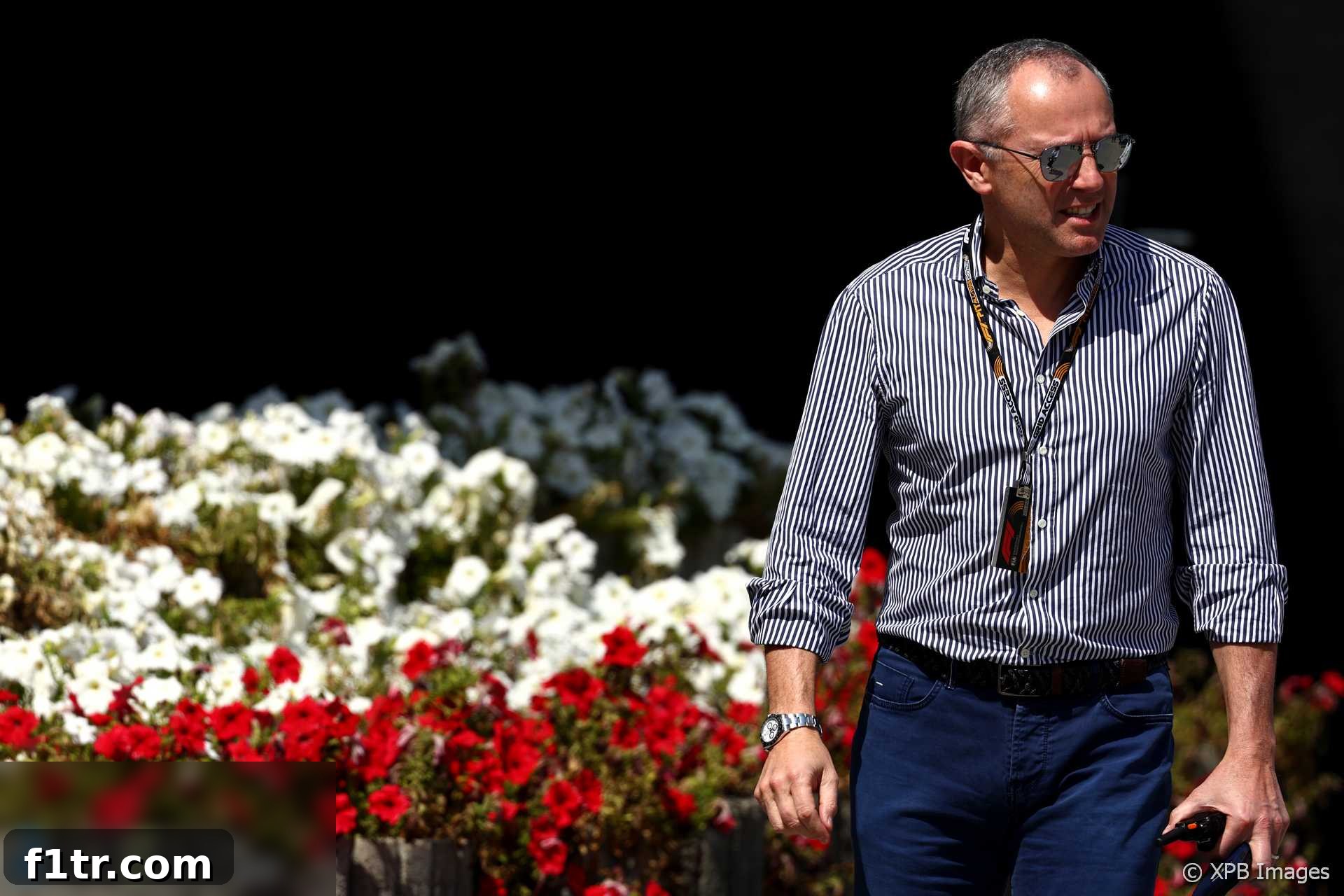
Formula 1’s appeal has reached unprecedented levels, with CEO Stefano Domenicali revealing a staggering demand that could see the series host as many as 32 Grands Prix globally. This remarkable interest underscores F1’s meteoric rise in popularity and its undeniable global footprint, presenting both exciting opportunities and complex challenges for the sport’s future calendar.
Advert | Become a Supporter & go ad-free
The Soaring Demand: F1’s Global Appeal and Calendar Ambitions
Domenicali’s recent remarks at the SportNXT conference in Melbourne paint a vivid picture of Formula 1’s current standing. “We could have already today more than 30, even 32 grands prix, because everyone wants one,” he asserted. This statement is a powerful testament to the sport’s immense commercial and cultural value. Hosting a Formula 1 Grand Prix is no longer just about racing; it’s a significant national statement, a massive boost for tourism, and a powerful platform for economic development and global exposure.
Countries and cities worldwide are vying for a slot on the coveted F1 calendar, recognizing the immense prestige and economic injection that comes with it. From established racing heartlands to emerging markets, the desire to be part of the Formula 1 spectacle is at an all-time high. This surge in interest has, however, created a unique conundrum for F1’s leadership: how to balance overwhelming demand with a sustainable and manageable schedule for teams, personnel, and fans.
The 2023 Formula 1 calendar was initially envisioned to feature a maximum of 24 races, the ceiling permitted under the current agreement between the teams, F1 management, and the FIA. This carefully negotiated limit aims to safeguard the well-being of the sport’s traveling circus and maintain the exclusivity of each event. However, the unexpected cancellation of the Chinese Grand Prix ultimately reduced the 2023 season to 23 rounds. Despite this slight reduction, the long-term vision for the sport indicates continued growth. A job advertisement posted by F1 last year hinted at a potential future expansion to 25 rounds, suggesting a clear trajectory towards a slightly longer, yet still carefully managed, season.
Navigating Growth: Balancing Ambition with Sustainability
While the allure of a 32-race calendar might sound exciting from a fan perspective, Domenicali acknowledged the practical limits. He stated that the series is content with the current maximum of 24 rounds, emphasizing a strategic approach to growth rather than simply chasing every opportunity. This philosophy prioritizes the quality, logistics, and long-term health of the sport over sheer quantity.
Expanding the calendar beyond its current limits presents a myriad of challenges. The intense travel schedule, the logistical complexities of moving vast amounts of equipment across continents, and the immense pressure on team personnel, who often spend over 200 days a year away from home, are significant considerations. Furthermore, F1’s commitment to sustainability means carefully evaluating the environmental impact of increased travel and freight. Every additional race adds to the sport’s carbon footprint, a factor F1 is actively working to reduce through various initiatives.
The American Renaissance: F1’s Strategic Triumph in the US
A significant driver of Formula 1’s recent calendar expansion and overall growth has been its remarkable resurgence in the United States. Only “around three years ago,” as Domenicali recalled, “we were considering if we were even going to stay in the US.” Fast forward to today, and the picture is dramatically different, with America now hosting three Grand Prix events. This rapid transformation is a testament to Liberty Media’s strategic vision and innovative approaches to marketing and fan engagement.
The ‘Drive to Survive’ Phenomenon
At the heart of F1’s American renaissance lies the monumental success of the Netflix docuseries “Drive to Survive.” Launched in 2019, the series offered unprecedented behind-the-scenes access to the teams and drivers, pulling back the curtain on the drama, rivalries, and personalities that define Formula 1. It captivated a new generation of viewers, particularly in North America, who might never have tuned into a race broadcast before. The show humanized the sport, making its complex narratives accessible and incredibly engaging.
This initiative brought a fresh demographic to Formula 1, converting casual observers into passionate fans. Domenicali highlighted this shift, stating, “One in three fans that go to the grand prix are going for the first time.” This influx of new blood is critical for the long-term health and growth of any sport, and F1 has successfully tapped into it. The show transformed F1 from a niche motorsport into a mainstream cultural phenomenon in the US, resonating with audiences who appreciate high-stakes competition, compelling character arcs, and technological marvels.
A Trio of US Races: Diverse Offerings for a Diverse Market
The strategic expansion into the US market has seen the addition of two new races in recent years, complementing the long-standing United States Grand Prix in Texas, which has been a calendar staple since 2012. Each American event offers a distinct flavor, appealing to different segments of the market:
- The United States Grand Prix (Austin, Texas): Held at the purpose-built Circuit of the Americas (COTA), this race has become a beloved fixture, known for its thrilling track layout and vibrant festival atmosphere. It represents the traditional racing heartland and has built a loyal fanbase over the years.
- The Miami Grand Prix: Introduced in 2022, the Miami Grand Prix brought Formula 1 to the heart of a major metropolitan area with a temporary street circuit around Hard Rock Stadium. This event is synonymous with glamour, celebrity appeal, and a dynamic, party-like atmosphere, attracting a younger, more fashion-conscious audience and showcasing F1’s lifestyle branding.
- The Las Vegas Strip Circuit: Making its debut in 2023, the Las Vegas Grand Prix is arguably the most ambitious undertaking yet. Racing directly on the iconic Las Vegas Strip, under the bright lights of the city, this event is designed to be an unparalleled spectacle. It’s not just a race; it’s a global entertainment event, targeting a broader audience and epitomizing F1’s blend of sport and showmanship.
This multi-pronged approach has firmly cemented Formula 1’s presence in the world’s largest consumer market, proving that strategic localization, combined with global appeal, can yield extraordinary results.
Strategic Absences: The Chinese Grand Prix Decision
While F1 actively pursues new opportunities, it also demonstrates a willingness to make difficult decisions, as seen with the cancellation of the Chinese Grand Prix in 2023. The decision not to replace the Chinese Grand Prix, despite the available slot, resulted in a four-week gap between the Australian Grand Prix and the next round in Azerbaijan. This move was not taken lightly but was a calculated strategic choice.
Domenicali previously explained F1’s rationale, stating that “the economic benefit of a replacement race was not worth the logistical and sustainability considerations for F1 and our teams.” This insight reveals a more holistic decision-making process within Formula 1. It’s not solely about maximizing revenue; it’s also about managing the immense logistical challenges inherent in a global sport and addressing growing concerns about environmental impact.
Moving F1’s vast infrastructure – cars, equipment, personnel, and hospitality units – across continents is an monumental undertaking. Each unscheduled trip incurs significant costs, time, and carbon emissions. Therefore, the absence of a suitable replacement that could slot seamlessly into the existing schedule without creating further logistical nightmares or excessive environmental strain was deemed a better outcome. This approach highlights F1’s commitment to finding a balance between commercial success and responsible stewardship of the sport and its resources.
Advert | Become a RaceFans supporter andgo ad-free
The Future of F1: A Carefully Curated Calendar
The current landscape of Formula 1 demonstrates a sport at its peak, with demand for hosting races far outstripping the available slots. Stefano Domenicali’s comments underscore F1’s robust health and global desirability. However, the leadership’s commitment to maintaining a manageable 24-race calendar, despite the potential for more, suggests a strategic focus on quality, sustainability, and the well-being of the sport’s core components—its teams, drivers, and dedicated personnel.
As Formula 1 continues its journey of global expansion and innovation, the challenge will be to carefully curate a calendar that maximizes exposure and financial gain without diluting the prestige of each Grand Prix or overwhelming its participants. The lessons learned from the US market’s success and the thoughtful decisions around race cancellations will undoubtedly shape the future trajectory of the F1 calendar, ensuring a vibrant and sustainable future for the pinnacle of motorsport.
2023 Australian Grand Prix
- Australian GP to forbid fans from entering track at end of this year’s race
- I only missed one chance to score points this year – Albon
- Formula 1’s stewards should listen to drivers less, not more
- Mercedes unsure whether gains seen in Melbourne were ‘track-specific’
- Why Ferrari saw a ‘real step forward in pure performance’ in point-less Australian GP
Browse all 2023 Australian Grand Prix articles