Lewis Hamilton’s Fifth F1 Title: A Testament to Unrivaled Consistency
The annals of Formula 1 are replete with tales of speed, daring, and raw talent. Yet, as the sport evolves, another crucial attribute often defines true champions: unwavering consistency. According to Lance Stroll, a fellow competitor on the grid, it was precisely this relentless consistency that firmly cemented Lewis Hamilton’s claim to his remarkable fifth Formula 1 World Championship. This achievement wasn’t merely a display of blistering pace but a masterclass in strategic point-scoring and error-free execution throughout a grueling season.
The Champion’s Mindset: Consistency as the Ultimate Weapon
In a sport where the margin between triumph and tribulation can be razor-thin, maintaining a consistently high level of performance is paramount. Lance Stroll, observing from the cockpit of his Williams, highlighted Hamilton’s ability to minimize mistakes as a cornerstone of his success. “He’s just been consistent and he’s been getting better by the looks of it,” Stroll commented. “I’m not at Mercedes, I don’t know what goes on behind the scenes but you rarely see Lewis crash, you rarely see Lewis make silly mistakes.” This observation speaks volumes about the maturity and discipline Hamilton brings to every race weekend, year after year.
Consistency in Formula 1 is multifaceted. It’s not just about keeping the car on track; it encompasses adapting to varied circuit conditions, managing tires effectively, executing precise pit stops, and making sound tactical decisions under immense pressure. For Hamilton, this has translated into a remarkable ability to extract the maximum potential from his Mercedes W09 in 2018, even when the car wasn’t necessarily the fastest on a given Sunday. His strategic acumen allowed him to convert challenging weekends into solid points finishes, a habit that accumulates into championship glory over a 21-race calendar. This relentless pursuit of maximum points, regardless of outright winning potential, is a hallmark of true championship contenders.
The Evolving Legend: How Hamilton Continuously Improves
Stroll’s statement that Hamilton “has been getting better” is a compelling insight from a peer. Despite already being a multiple world champion, Hamilton has consistently demonstrated a capacity for growth. This continuous improvement manifests in various aspects of his driving: refining his race craft, deepening his understanding of tire degradation, enhancing his communication with his engineering team, and perfecting his mental preparation. Such dedication ensures that he remains at the peak of his powers, always seeking marginal gains that differentiate him from his rivals and keep him ahead of the curve.
The evolution of Lewis Hamilton as a driver has been a fascinating journey. From his explosive debut in 2007, showcasing raw, aggressive talent, he has matured into a more complete, strategic racer. While the raw speed remains, it is now complemented by an unparalleled ability to manage races, conserve equipment, and deliver under pressure. This blend of youthful exuberance and veteran wisdom allows him to approach each Grand Prix with a nuanced strategy, knowing precisely when to push for the win and when to consolidate for valuable championship points. This adaptive style makes him incredibly versatile across different tracks and car setups.
The 2018 Championship Battle: Outmaneuvering the Opposition
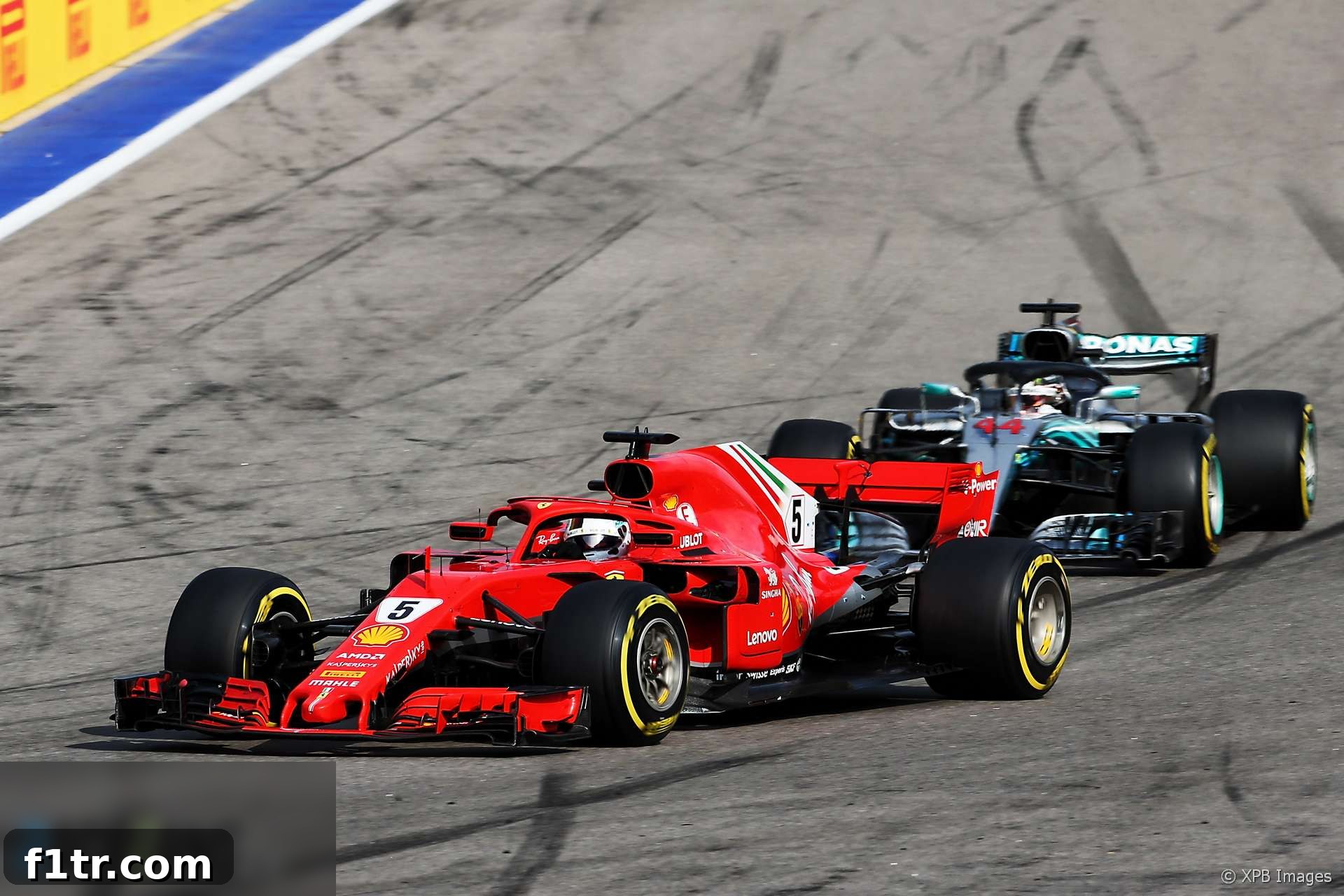
The 2018 Formula 1 season presented one of Hamilton’s toughest challenges, with Sebastian Vettel and Ferrari mounting a formidable assault. Many observers believed Ferrari possessed a car that was, at times, superior in pace, particularly in the early and mid-stages of the season. Despite this fierce competition, Hamilton once again managed to clinch the championship with two races remaining, a testament to his sheer dominance and the Mercedes team’s collective effort in minimizing errors and maximizing performance.
Lance Stroll acknowledged this intensely competitive backdrop: “It’s been great to see [him] alongside Sebastian in, I would say, an equally competitive car. Maybe it’s more competitive, maybe it’s less, I don’t know, you can talk in details… But he’s just out-raced him and out-drove him and you have to respect that as a racing driver.” This direct comparison highlights Hamilton’s superior execution in critical moments, his ability to capitalize on rivals’ errors, and his consistent delivery of peak performance. Races like the German Grand Prix, where Hamilton converted a mid-pack start into a stunning victory while Vettel crashed out, or his masterful performance in Singapore, exemplify his ability to rise above challenges and maximize every opportunity.
The championship wasn’t won on raw speed alone but through a series of calculated decisions, unflappable composure, and relentless consistency. While Ferrari and Vettel made crucial errors that cost them significant points – from strategic missteps to driver errors – Hamilton and Mercedes maintained a tighter ship, rarely faltering. This discipline allowed them to rack up points steadily, creating an insurmountable lead even when direct car performance battles were tight and unpredictable.
The Art of Point Scoring: Every Point Matters
“I think that the key to scoring a championship at the end of the day is just picking up points. If you’re third and the risk of overtaking second is high, it’s just about picking up the points at the end of the day. All those points add up. He’s proven that over the last couple of seasons in particular.” Stroll’s words encapsulate a fundamental truth of championship racing. It’s not always about winning every race, but about consistently finishing high and avoiding costly DNFs or low-point finishes. Hamilton has mastered this art, understanding that an intelligent second or third place is far more valuable than a risky attempt at a win that could end in retirement.
This strategic approach to point scoring requires a deep understanding of the championship standings, the relative performance of competitors, and a realistic assessment of risk versus reward. Instead of risking a DNF for an extra two points in a potentially futile overtake, Hamilton often opts for the secure points, knowing that over 21 races, these conservative yet intelligent decisions pay dividends. This pragmatic mindset, combined with his raw talent and exceptional race craft, makes him an incredibly difficult opponent to beat over a full season, as he consistently maximizes his output from every race weekend.
The Demands of a Grueling F1 Season
Formula 1’s modern calendar is a marathon, not a sprint, comprising 21 races across diverse continents and challenging conditions. To perform at an elite level week in and week out requires not just physical fitness but immense mental fortitude and unwavering focus. Hamilton’s ability to “just come in every weekend and get the job done,” as Stroll puts it, is far “easier said than done.” It speaks volumes about his professionalism, preparation, and the seamless support system around him at Mercedes, all working in concert to maintain peak performance.
The pressure on a championship contender is relentless. Every decision, every overtake, every pit stop carries immense weight. The ability to compartmentalize setbacks, learn from them, and immediately refocus on the next challenge is a hallmark of true greatness. Hamilton has repeatedly demonstrated this mental resilience, turning potential crises into opportunities and maintaining his composure when others might falter. This psychological strength is as vital as any technical or physical attribute in conquering a Formula 1 season and building a legacy of consistent excellence.
A Legacy Built on Excellence and Respect
Lewis Hamilton’s fifth World Championship is more than just another trophy; it’s a significant milestone in a career that continues to redefine greatness in motorsport. It places him firmly among the legends of the sport, alongside titans like Juan Manuel Fangio and Michael Schumacher, a testament to his sustained brilliance.
“Big respect towards him,” Stroll concluded, a sentiment undoubtedly shared by many within the paddock and millions of fans worldwide. This respect is earned not just through victories, but through the consistent application of skill, strategy, and an unwavering commitment to excellence. Hamilton’s journey to his fifth title serves as a powerful reminder that while raw speed might win individual races, it is consistency, combined with an evolving mastery of race craft and mental strength, that truly wins championships and forges an enduring legacy that stands the test of time.
Stay Connected with Formula 1 Insights
Don’t miss out on the latest news, analyses, and exclusive insights from the world of Formula 1. Follow our updates and join the community:
- Join us on Facebook for F1 discussions
- Follow us on Twitter for live updates
- Subscribe to our daily F1 email newsletter
Explore More from the 2018 F1 Season
Dive deeper into the events and stories that shaped Lewis Hamilton’s fifth championship year:
- F1 Feared “Death Knell” for Drive to Survive After Ferrari and Mercedes Snub
- McLaren Staff Told Us We Were “Totally Crazy” to Take Honda Engines in 2018 – Tost
- ‘It Doesn’t Matter if We Start Last’: How Red Bull’s Junior Team Aided Honda’s Leap Forward
- Honda’s Jet Division Helped F1 Engineers Solve Power Unit Problem
- McLaren Racing Losses Rise After Honda Split
Browse all 2018 F1 season articles