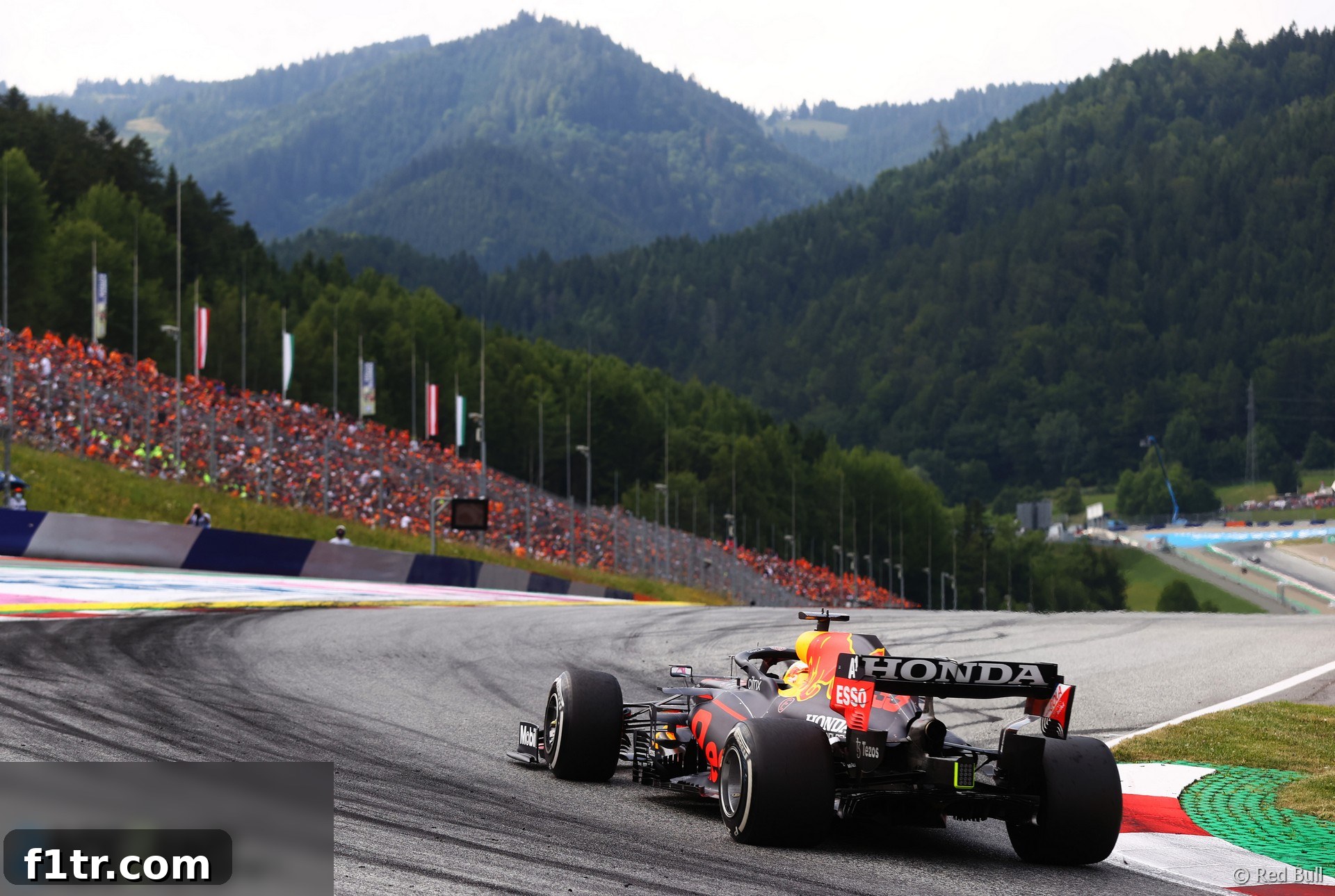
The Austrian Grand Prix: A High-Altitude Thriller with Unpredictable Weather and Sprint Showdown
Formula 1 returns to the iconic Red Bull Ring, nestled in the picturesque Styrian mountains, for what promises to be an exhilarating Austrian Grand Prix weekend. Last year, the circuit hosted two races on consecutive weekends under consistently dry but varying conditions. This year, the excitement intensifies with the inclusion of F1’s sprint event format, meaning two races over consecutive days, and the added drama of a highly unpredictable weather forecast that could dramatically shape the outcome of both the sprint and the main Grand Prix.
Advert | Become a Supporter & go ad-free
The Red Bull Ring: A Unique Alpine Challenge
The Red Bull Ring circuit, officially known as the Red Bull Ring, stands out on the Formula 1 calendar not just for its stunning backdrop but also for its distinctive characteristics. Situated at an altitude of approximately 660 meters (2,165 feet) above sea level, it is considerably higher than most F1 circuits, though not quite reaching the extreme heights of Mexico City’s Autódromo Hermanos Rodríguez (2,200m). This elevation presents a unique set of challenges for all teams.
The thinner air at this altitude significantly reduces the efficiency of cooling systems. Engines and brakes struggle to dissipate heat as effectively, forcing teams to make crucial setup compromises. Engineers must meticulously balance aerodynamic downforce with cooling requirements, often opting for larger cooling inlets or less aggressive bodywork to prevent overheating, which can compromise overall performance. Furthermore, the reduced air density also affects aerodynamic grip, demanding more precise setup adjustments to maintain stability and speed through the circuit’s fast corners. The relatively short and high-speed nature of the track, combined with its elevation changes and aggressive kerbs, requires a car that is both robust and agile.
Drivers find the Red Bull Ring challenging due to its deceptive simplicity. With only ten corners, it might appear straightforward, but its fast straights leading into heavy braking zones demand absolute precision and confidence. The circuit rewards strong engine performance, excellent braking stability, and good traction out of the slower corners. Managing tyre degradation on this high-energy track is also critical, especially with the added stresses of the sprint format. The unique combination of altitude, track layout, and the potential for variable weather makes the Austrian Grand Prix a true test of engineering prowess and driving skill.
The Evolving F1 Sprint Format: Adding Layers of Strategy
For the second time this season, Formula 1 is employing its popular sprint event format at the Red Bull Ring, a structure designed to inject more excitement and competitive action into the race weekend. This format condenses the traditional three-day schedule into a high-octane spectacle, with significant implications for both qualifying and race strategy. On Friday, following a single practice session, drivers immediately enter qualifying to determine the grid for Saturday’s sprint race. This high-pressure session means teams have limited time to fine-tune their cars before setting crucial lap times.
Saturday is dedicated to the sprint race itself, a shorter, intense contest that awards championship points to the top eight finishers and sets the starting grid for Sunday’s main Grand Prix. This race, typically around one-third the distance of a full Grand Prix, encourages aggressive driving and swift decision-making, as pit stops are not mandatory and tyre strategy becomes a simplified but crucial element. The outcome of the sprint race can significantly influence a driver’s prospects for the Grand Prix, making every position gained or lost incredibly important.
Sunday culminates with the full-length Austrian Grand Prix, a strategic chess match where teams must manage tyre wear, fuel consumption, and potential safety car periods. The sprint format transforms the entire weekend into a series of mini-battles, ensuring that every session carries significant weight and keeps fans engaged from Friday through Sunday. The added complexity of potentially differing weather conditions across these consecutive race days further amplifies the strategic challenges, demanding adaptability and quick thinking from both drivers and strategists.
Weekend Weather Forecast: A Tale of Two Races?
The weather forecast for the Austrian Grand Prix weekend presents a fascinating dichotomy, with the potential for drastically different conditions across the sprint and main races. This variability is set to be a defining factor in how the events unfold.
Friday: Cool and Dry for Crucial Qualifying
Friday is anticipated to be largely dry, providing optimal conditions for the crucial first practice session and subsequent qualifying. After light showers on Thursday, the track should be clear for Friday’s action. Ambient temperatures are expected to remain cool, likely falling below 20°C. With a significant amount of cloud cover predicted for much of the day, track temperatures are also anticipated to be on the lower side, hovering in the low 30s. These cooler conditions might offer a slight advantage for teams managing tyre degradation, but they will still need to ensure their cars are perfectly balanced for optimal performance in the short, intense qualifying session that determines the sprint race grid.
Saturday: Warmer Conditions for the Sprint Showdown
A slightly warmer day is on the cards for Saturday, bringing a hint of sunshine to the Styrian hills. The sun may occasionally peek through the clouds as the drivers prepare to line up for the weekend’s first competitive race at 4:30 PM local time. These milder conditions could provide a different dynamic compared to Friday, potentially influencing tyre performance and track grip. Drivers will be pushing hard in the sprint race, knowing that valuable championship points and a strong starting position for Sunday are at stake. A dry sprint race would allow teams to gather consistent data, but the ever-present threat of changing weather patterns means that even a dry Saturday cannot be taken for granted in this alpine setting.
Sunday: The Grand Prix Under Threat of Rain
The most significant weather variable comes into play on Sunday, with rain widely expected to arrive overnight and persist in showery conditions until around the start of the Grand Prix at 3 PM. While these showers are not anticipated to be as heavy as the torrential downpour that hit the track in 2020, they pose a substantial threat of a damp and potentially tricky race. The forecast suggests that the intensity of the rain will decrease as the day progresses, raising the distinct possibility of a race unfolding on a damp but gradually drying track. This scenario would be remarkably similar to what Formula 1 experienced earlier in the season at Imola, where the sprint race was held in dry conditions, but the main Grand Prix was significantly impacted by wet weather.
Strategic Implications of Variable Conditions
A damp but drying track introduces a multitude of strategic conundrums for teams and drivers. The critical decision revolves around tyre choice: starting on intermediate tyres if the track is wet, or gambling on slick tyres if the conditions are borderline or expected to improve rapidly. The crossover point – where intermediates become slower than slicks, or vice versa – is incredibly difficult to judge, often leading to spectacular gains or losses depending on the timing of pit stops. Teams must have contingency plans for every possible scenario, constantly monitoring radar and track conditions.
Driver skill in these changing conditions becomes paramount. Managing grip on a slippery surface, finding the racing line as it dries, and knowing when to push or conserve tyres are attributes that separate the champions from the rest. Furthermore, the thinner air at the Red Bull Ring’s altitude will play a role even in wet conditions, affecting how water is cleared from the track and how the cars handle the reduced downforce at speed. For the strategists, it’s a high-stakes game of poker, weighing the risks and rewards of an early or late switch. Such conditions often level the playing field, creating opportunities for unexpected heroes and injecting an element of unpredictability that fans adore. The potential for safety car periods, red flags, and rapid changes in race order will keep everyone on the edge of their seats.
Cooler Temperatures: A Welcome Relief for Teams?
The cooler ambient temperatures forecast for Grand Prix day, peaking at approximately 19°C, will undoubtedly be welcomed by the teams. This figure represents a significant drop of some 10 degrees Celsius compared to what was experienced last year, when the track baked under much hotter conditions. As previously mentioned, the Red Bull Ring’s altitude already presents a challenge for cooling systems, with the thinner air making it harder for engines, brakes, and other critical components to dissipate heat effectively. Lower ambient temperatures provide a crucial buffer, allowing teams to manage thermal loads more easily.
This relief from extreme heat could translate into several advantages. Teams might be able to run slightly more aggressive engine maps for sustained periods without fear of overheating, potentially unlocking more horsepower. It could also alleviate concerns about brake fade, allowing drivers to push harder for longer. Furthermore, cooler conditions generally place less stress on the tyres, potentially leading to less degradation and more flexible one-stop or two-stop strategies, even in damp conditions. While the wet weather will introduce its own challenges, the cooler temperatures could mitigate some of the inherent difficulties posed by the Red Bull Ring’s high-altitude environment, indirectly benefiting performance and reliability throughout the demanding Grand Prix.
Advert | Become a RaceFans supporter andgo ad-free
The Thrill of the Austrian Grand Prix: An Unforgettable Spectacle Awaits
With its unique blend of a challenging high-altitude circuit, the dynamic F1 sprint format, and a highly unpredictable weather forecast, the Austrian Grand Prix is perfectly poised to deliver an unforgettable weekend of motorsport. From the intense battles for pole position on Friday to the high-stakes sprint race on Saturday, and finally, the strategic masterclass that will unfold during Sunday’s Grand Prix, fans are guaranteed non-stop action. The potential for a wet-dry race, combined with the nuances of the Red Bull Ring, promises a spectacle where driver skill, strategic acumen, and engineering excellence will all be tested to their limits.
As the teams navigate these complex variables, every decision, from car setup to tyre strategy, will be under intense scrutiny. The Red Bull Ring has a history of producing thrilling races, and with this year’s added elements, it’s set to continue that tradition. Whether it’s the roar of the engines through the Styrian hills or the drama of changing track conditions, the Austrian Grand Prix is an event no Formula 1 enthusiast will want to miss.
For more real-time updates on track conditions, session analysis, and breaking news throughout the Grand Prix weekend, be sure to keep a close eye on RaceFans Live and the official RaceFans Twitter account.
2022 Austrian Grand Prix: Related Reads
- FIA affirms three sprint races on 2023 Formula 1 calendar
- “Oh, so unlucky!” How Alonso’s cursed Austrian Grand Prix unfolded on his radio
- Ferrari believe their performance deficit to Red Bull is now “negligible”
- Another fan’s experience of harassment last weekend – and why F1 must act
- AlphaTauri “desperately” need upgrades after “disaster” weekend, urges Gasly
Browse all 2022 Austrian Grand Prix articles