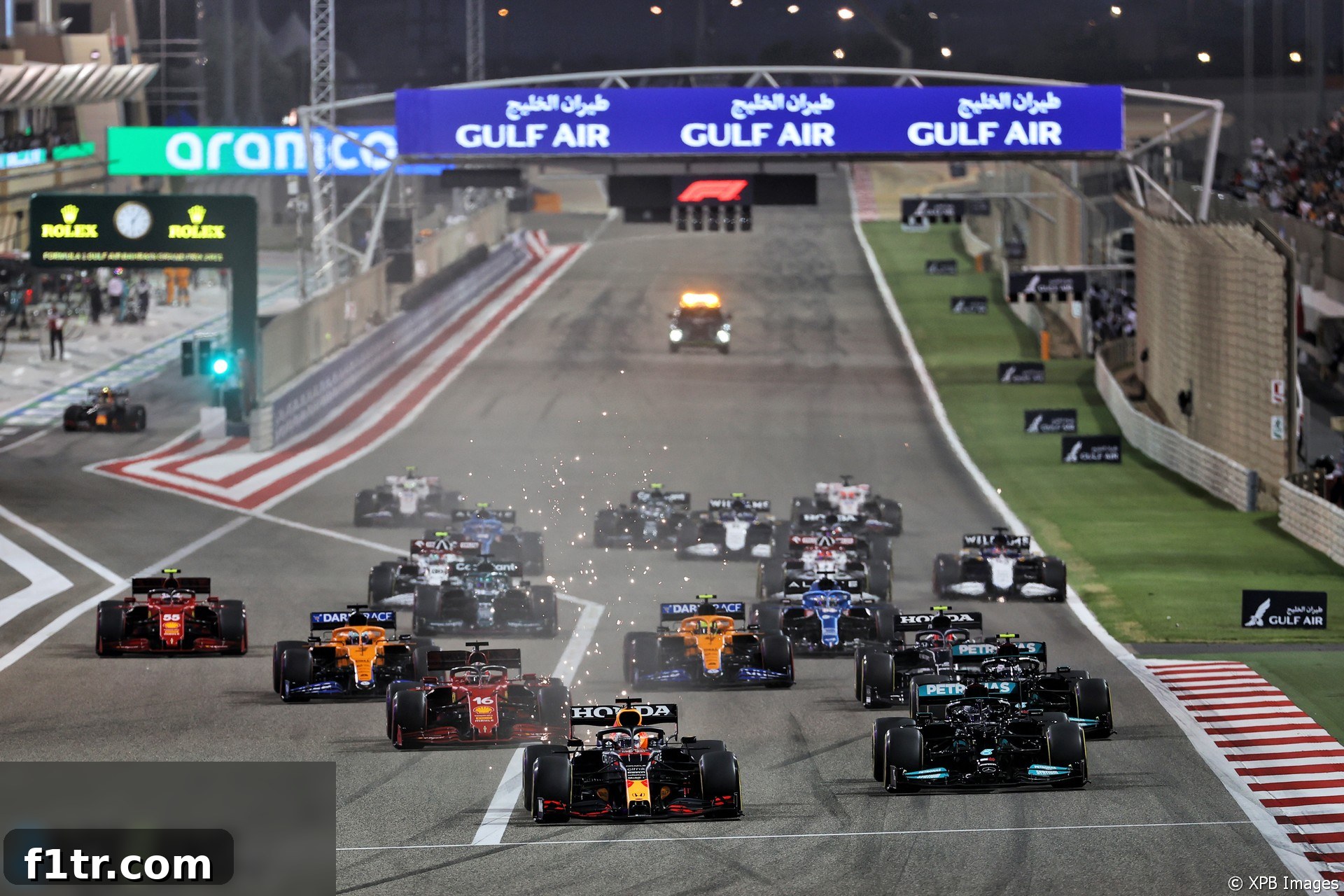
Formula 1 is poised for a significant and anticipated shift in its traditional race weekend structure, as the long-debated Sprint Qualifying format is set to receive final approval from the F1 Commission. This pivotal decision paves the way for its introduction at three select rounds later this year, marking a bold move by the sport’s leadership to enhance entertainment value, attract wider audiences, and inject a fresh dynamic into Grand Prix weekends.
The journey to formalize this innovative format has been extensive, reflecting Formula 1’s continuous pursuit of evolution and improvement. For the proposal to be sanctioned, it must garner robust support, specifically requiring at least 28 votes out of a maximum of 30. The voting mechanism is structured to ensure broad stakeholder consensus: each of the ten competing teams holds one vote, while Formula 1 Management and the sport’s governing body, the FIA, possess a further ten votes apiece. This comprehensive voting system underscores the collaborative effort required for such a transformative change.
Despite earlier debates and some reservations, industry analysts and observers widely anticipate the Sprint Qualifying plan to receive nearly unanimous backing. Formula 1’s strategic vision is rooted in the belief that introducing an additional, competitive race on Saturdays will significantly boost overall viewership, heighten engagement throughout the entire weekend, and generate new narratives beyond the main Grand Prix. This ambition is not novel; F1 has, for years, explored various schemes to invigorate the Saturday schedule, demonstrating a consistent drive to innovate and maintain its position at the pinnacle of global motorsport.
However, the path to this imminent approval has not been without its public discussions and initial skepticism, particularly from some of the sport’s most prominent figures. While Formula 1 CEO Stefano Domenicali confidently stated that the plan had enjoyed “great feedback from everyone,” implying widespread support, several drivers publicly expressed reservations and urged caution, highlighting the delicate balance between pushing boundaries and preserving the sport’s esteemed heritage.
Among the most vocal critics was four-time world champion Sebastian Vettel, who succinctly declared the proposal “makes no sense.” Red Bull Racing’s Sergio Perez emphasized the need for prudence, urging F1 to “think carefully” about what he described as “risky” experiments with the established race weekend format. Meanwhile, McLaren driver Daniel Ricciardo articulated a crucial point, insisting that any supplementary races must under no circumstances diminish the prestige or intrinsic value of winning a Grand Prix, which remains the ultimate accolade in Formula 1.
The drivers’ initial concerns stemmed from several practical and philosophical considerations. Key among these was the heightened risk of vehicle damage during an additional competitive session. Given the ever-increasing complexity and cost of modern F1 cars, and teams operating under a stringent budget cap, the potential for unforeseen repair bills could significantly impact a team’s financial planning and season-long development trajectory. Moreover, there was an underlying debate about whether a shorter, secondary race might inadvertently dilute the unique excitement, strategic depth, and ultimate significance of the traditional Sunday Grand Prix, which has been the cornerstone of the sport for decades.
A notable shift in the drivers’ collective stance became apparent following a pivotal meeting with Stefano Domenicali during pre-season testing in Bahrain. It is widely understood that during this session, drivers were encouraged to temper their public criticism, particularly in light of their unified opposition to a similar reverse-grid qualifying race proposal the previous year. That earlier concept had been overwhelmingly rejected by all 20 drivers, who famously asserted that “F1 is not WWE,” a strong statement underscoring their commitment to sporting integrity over pure theatrical spectacle.
Following the private discussions with Domenicali, AlphaTauri driver Pierre Gasly confirmed that the sprint race proposal had been thoroughly reviewed, although he chose to remain circumspect on specifics, stating, “I don’t want to go public.” His subsequent remarks, however, offered valuable insight into the broader objectives that seemed to bridge the gap between management and drivers: “We did this meeting to see all together whether we can move the sport forward and improve the show for all the people and all the fans, because that’s what we all want.” Gasly further articulated a common aspiration among the grid: “The main target is to improve the racing. I think all drivers are united in trying to make the car performance closer to each other, improve the show.” This suggests a potential alignment on the fundamental goal of enhancing the racing spectacle for all stakeholders.
Under the proposed new regulations, the Sprint Qualifying races are scheduled to be integrated into three carefully chosen rounds during the current Formula 1 season. While official confirmation is eagerly awaited, the British Grand Prix at Silverstone, the Italian Grand Prix at Monza, and the Sao Paulo Grand Prix at Interlagos are widely anticipated to be the inaugural host venues. This selection is highly strategic, as these circuits represent a diverse range of track characteristics – from the legendary high-speed challenges of Silverstone and Monza to the unique, undulating, and often unpredictable layout of Interlagos. These iconic tracks provide ideal proving grounds for testing the new format’s impact under varied conditions.
Each of these renowned circuits boasts a rich heritage and a fiercely passionate fan base, providing a high-profile, global platform for the sprint race debut. The choice of these venues is likely designed to capitalize on existing fervent support, established logistical capabilities, and a global reach to ensure a smooth and impactful introduction of the novel race weekend structure. The success and feedback from these initial trials will be paramount in determining the long-term viability, broader adoption, and potential refinement of Sprint Qualifying across future Formula 1 calendars.
A significant area of contention during the developmental phase of the Sprint Qualifying format, and one that required meticulous negotiation, centered on the financial remuneration package for teams. This package is specifically designed to offset the increased risk of crash damage inherent in adding an extra competitive session to an already demanding race weekend. With cutting-edge F1 machinery becoming progressively more complex and expensive to repair, and teams operating under a strictly enforced budget cap, the potential for additional repair costs represented a serious financial concern. While the precise details of this financial aspect could still be subject to last-minute adjustments, it is not expected to impede the overall approval of the format.
The commitment to introducing a specific allowance within the existing budget cap for damage incurred during Sprint Qualifying sessions demonstrates Formula 1’s proactive approach to addressing team concerns. This financial safeguard is particularly crucial for smaller, privately-funded teams, where unforeseen repair bills can significantly disrupt their carefully planned seasonal budgets and development programs. Such pragmatic compromises highlight the collaborative effort between F1 management, the FIA, and the teams to create a format that is not only thrilling for fans but also financially sustainable and equitable for all competitors.
Following the F1 Commission’s anticipated approval, the final, formal ratification of the Sprint Qualifying format will rest with the World Motor Sports Council (WMSC). As the highest legislative body within the FIA, its endorsement is essential for the new rules to be officially incorporated into the sport’s regulations. Typically, significant rule changes of this nature are approved efficiently via an electronic vote, allowing for a swift finalization of the process. Once approved by the WMSC, the modified regulations will be formally added to the sporting rulebook, thereby clearing all bureaucratic hurdles for the inaugural Sprint Qualifying races to take place later this year.
The proposed Sprint Qualifying format promises a distinctly re-imagined Grand Prix weekend. Under the new structure, Friday will feature a single practice session followed by a traditional qualifying session, which will determine the starting grid for Saturday’s Sprint Qualifying race. This shorter, high-intensity sprint race will then, in turn, dictate the starting order for Sunday’s main Grand Prix. This innovative approach is meticulously designed to ensure that every single day of the race weekend offers meaningful, competitive action, preventing any session from feeling inconsequential and constantly building excitement and anticipation towards the main event.
This bold strategic move underscores Formula 1’s ongoing evolution, skillfully balancing its rich, illustrious heritage with a forward-thinking vision for the future. By introducing Sprint Qualifying, the sport aims to generate more thrilling narratives, attract new segments of the global audience, and provide existing fans with an even richer, multi-layered spectacle. The success of these initial three trials will be rigorously monitored and analyzed, with the outcomes playing a crucial role in shaping the future trajectory of the Formula 1 calendar and potentially establishing a new benchmark for motorsport entertainment worldwide.
Further Reading on Formula 1 Developments
- Understanding the F1 Budget Cap and Its Impact on Teams
- The Evolution of Formula 1 Race Formats: A Historical Perspective
- Driver Perspectives: Balancing Tradition and Innovation in Motorsport
- FIA’s Role in Governing Formula 1: Beyond Race Control
- Strategic Implications of New Qualifying Formats for Teams