F1 Calendar Dynamics: Sebastian Vettel on Driver Influence and the Future of Mugello
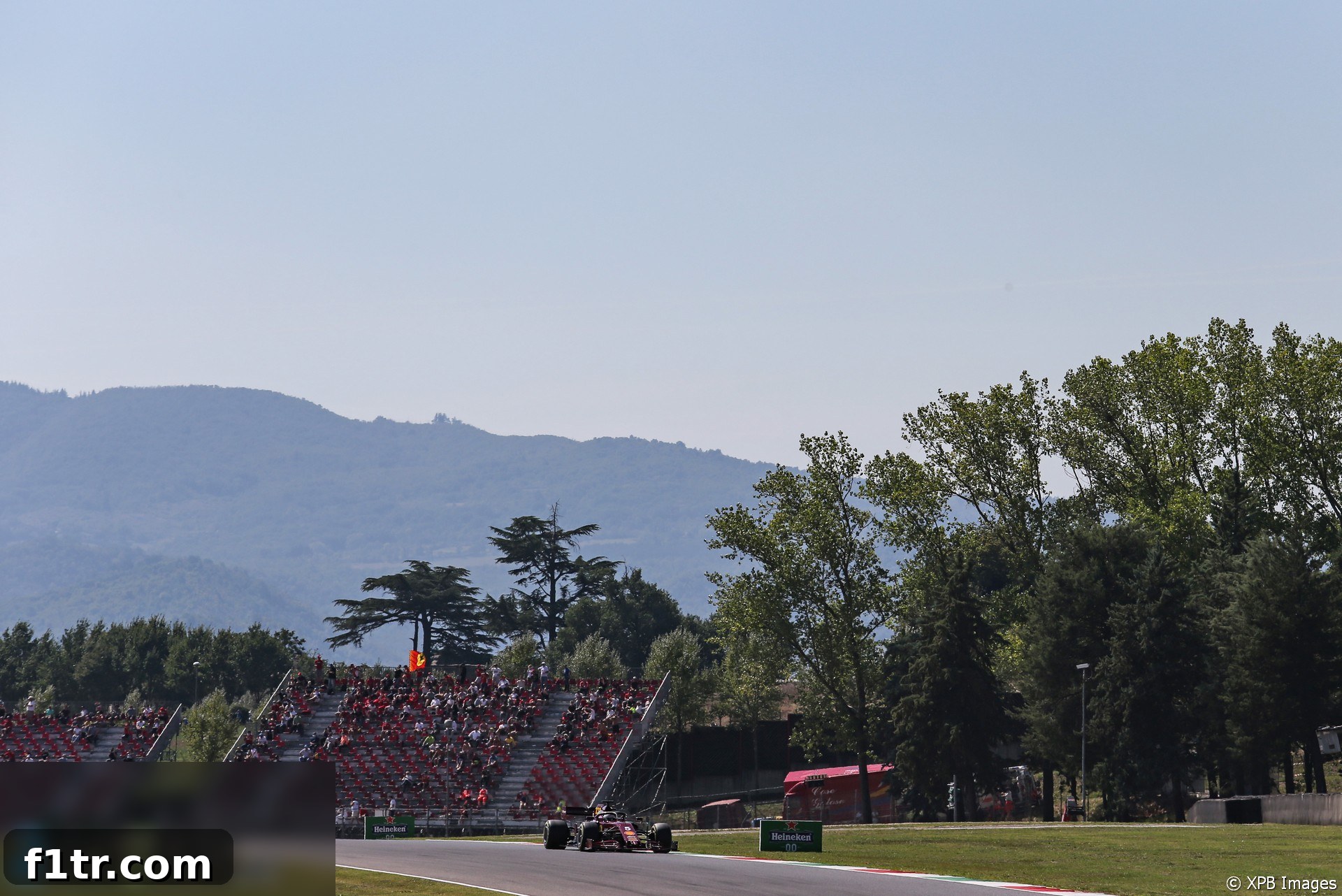
The Formula 1 calendar is a constantly evolving entity, shaped by a complex interplay of commercial interests, logistical considerations, and strategic visions for the sport’s global footprint. While fans and drivers often voice strong preferences for certain circuits, the decision-making process for which tracks host a Grand Prix remains largely outside the cockpit. This was highlighted by Sebastian Vettel, who candidly discussed the limited influence drivers can wield over whether Formula 1 returns to popular circuits such as Mugello, a fan and driver favorite that made a temporary appearance during a unique season.
Drivers’ Perspective: The Reality of Calendar Influence
Advert | Become a Supporter & go ad-free
Sebastian Vettel, a four-time world champion and a respected voice within the paddock, was recently asked whether the Grand Prix Drivers’ Association (GPDA) could exert pressure on F1 management to retain tracks like Mugello and others that were added to the 2020 F1 calendar due to the exceptional circumstances of the pandemic. His response underscored the reality of the situation for drivers.
“I think that’s not part of our discussions, even. I think there’s other tracks that we would like to join the calendar because we love driving those tracks but it’s not discussed because in the end, there’s other interests that determine whether there will be a race held in that place or not.”
Vettel continued, specifically addressing the Italian circuit: “Speaking of Mugello, I think the drivers like it but obviously I don’t know if it is in the cards in the future, if it is realistic. This I don’t know and we’re not we’re not part of that conversation.”
Vettel’s comments illuminate a crucial aspect of modern Formula 1: while driver feedback is invaluable for safety and track modifications, the ultimate decisions regarding the calendar are driven by commercial agreements, strategic market expansion, and economic viability. The GPDA, primarily focused on driver safety and welfare, does not typically engage in the complex business negotiations that dictate F1’s schedule. This divide highlights the commercial evolution of the sport, where traditional circuit appeal must often yield to broader financial and geopolitical considerations.
Quotes: Dieter Rencken
The Unseen Hand: Factors Shaping the F1 Calendar
The “other interests” Vettel refers to are multifaceted. Hosting a Formula 1 Grand Prix is an incredibly expensive undertaking, often costing tens of millions of dollars in hosting fees alone, paid directly to F1’s commercial rights holder, Liberty Media. These fees are a primary revenue stream for the sport, making financial incentives a major determinant in track selection.
Beyond the fees, logistical capabilities play a significant role. Modern F1 requires state-of-the-art facilities for teams, media, and spectators, as well as robust infrastructure for transportation and accommodation. Circuits must meet stringent FIA safety standards, which often necessitate substantial upgrades. Furthermore, strategic market expansion is a constant objective. Formula 1 actively seeks to establish a presence in new and emerging markets, particularly those with strong economic growth or significant fan potential, even if these locations don’t always offer the most historically revered circuits.
Mugello, while praised for its challenging layout and beautiful Tuscan setting, entered the F1 calendar out of necessity during the global pandemic, which forced the cancellation of many traditional races. Its inclusion was a testament to its quality as a circuit, but its long-term viability faces the same commercial hurdles as any other venue. The challenge for beloved “one-off” tracks is to secure a permanent slot against established venues and new, lucrative propositions from around the world.
Advert | Become a RaceFans supporter andgo ad-free
Motorsport Beyond F1: Social Media Highlights and Wider Developments
While F1 commands the global spotlight, the broader world of motorsport is vibrant and constantly generating news, often shared instantly across social media platforms. Here are some notable posts and events from Twitter, Instagram and more, reflecting the dynamic nature of racing across various series:
Another video appears to show a violent post-race incident between Corberi and Paolo Ippolito. The pair were running 15th and 16th at the time of Corberi’s retirement.https://t.co/aZtEjQdj3N
— Keith Collantine (@keithcollantine) October 4, 2020
🚨BREAKING🚨@L_Lundqvist76 clinches #FRAmericas title and @HondaRacing_HPD @IndyLights 2021 scholarship 3 rounds early (unofficial) pic.twitter.com/VXhiiDRuAC
— FR Americas (@FRAmericas) October 4, 2020
A massive pileup on the frontstretch puts us under the red flag. pic.twitter.com/DYMvqiGu09
— NASCAR (@NASCAR) October 4, 2020
Social media has become an indispensable tool for following motorsport, offering immediate updates, behind-the-scenes glimpses, and direct interaction with drivers and teams. From dramatic on-track incidents to championship clinchers and major pile-ups, these platforms ensure fans are always connected to the heart of the action across various racing categories, highlighting the global appeal and diverse narratives within the sport.
- For more official F1 accounts and insights, explore the comprehensive F1 Twitter Directory.
Further Insights: Exploring Diverse Motor Racing News
The world of motor racing is vast, encompassing numerous series and championships each with their unique stories and developments. Here are more motor racing links of interest, offering a glimpse into the broader landscape beyond Formula 1:
Penske’s IMS ‘Homecoming’ Celebrates Two Team Penske Wins (IndyCar)
Roger Penske’s ownership of the Indianapolis Motor Speedway (IMS) brought a special significance to this “homecoming” weekend, featuring two Team Penske victories. The commitment from fans, even during challenging times, underscores the enduring appeal of IndyCar racing. “The good news is the reaction and the commitment by the fans who have already renewed for this year is a couple Super Bowl’s worth of fans that say, ‘I want my tickets.’ To me, that’s very important,” a statement reflects, emphasizing the strong fan loyalty that is vital for any motorsport series’ sustainability and growth.
Formula 3 Returns for Barcelona Post-Season Test (F3)
The future stars of Formula 1 often hone their skills in feeder series like FIA Formula 3. This post-season test in Barcelona is crucial for young talents to gain experience and for teams to evaluate potential drivers for the upcoming season. Notably, Ferrari Driver Academy member Artur Leclerc, younger brother of Formula 1 star Charles Leclerc, participated with Prema, currently leading the Formula Regional European Championship. He was joined by Red Bull junior Dennis Hauger. This testing environment is vital for driver development, showcasing the competitive pipeline feeding into the pinnacle of motorsport.
Formula Regional Europe Mugello Race One (Formula Regional Europe via Facebook)
Formula Regional Europe Mugello Race Two (Formula Regional Europe via Facebook)
These links to Formula Regional European Championship races at Mugello provide a glimpse into racing at a lower tier on the same circuit that temporarily hosted Formula 1. It highlights Mugello’s versatility and appeal across different categories of motorsport, reinforcing its reputation as a challenging and rewarding track for drivers at various stages of their careers. The presence of such events underscores the depth of racing talent and the widespread use of iconic circuits for talent development.
We always endeavour to credit original sources and provide diverse insights into the world of motorsport. If you have a tip for a link to feature in the next RaceFans round-up, please send it in via our contact form.
Advert | Become a RaceFans supporter andgo ad-free
Community Voice: Honda’s Motorsport Strategy and the ‘Carbon Neutral’ Debate
The racing community often engages in lively discussions about the sport’s direction, and one recent debate centers around Honda’s decision to withdraw from Formula 1 while maintaining a strong presence in IndyCar. This sparked questions about the authenticity of their stated reasons for leaving F1.
Does Honda’s decision to stay in IndyCar disprove the claims they made about their reasons for leaving Formula 1? A fan, Witan, articulated a common sentiment:
“This shows me the Honda press release about leaving F1 was just marketing spin to align it with the current mania about ‘carbon neutral’ as if such a thing were possible over all.”
“They see IndyCar as a better bet taking the engine knowledge they have learnt from hybrid engines in F1 to benefit the other series.”
Witan’s comment touches upon a significant point regarding corporate messaging in motorsport. Honda’s departure from F1 was cited as a move to focus resources on achieving carbon neutrality goals for its road car division. However, their continued investment in IndyCar, a series that also leverages advanced engine technology, suggests a more nuanced strategy. This raises questions about the definition and feasibility of “carbon neutral” in a high-performance motorsport context and how manufacturers balance environmental objectives with competitive and marketing interests across different racing platforms. It highlights the complex decisions major automotive brands face in aligning their racing commitments with evolving global sustainability targets.
Celebrating the F1 Community: Happy Birthday!
A vital part of the motorsport world is its passionate fanbase. We extend our warmest wishes to members of our community celebrating their birthdays:
Happy birthday to Cholle, Yorricksfriend, and Jason Sultana! We hope you have a fantastic day filled with all things racing.
If you’d like a birthday shout-out in our future round-ups, please don’t hesitate to tell us when yours is via the contact form or by adding your date to our dedicated list here. Your participation makes our community vibrant!
Echoes from the Past: On This Day in F1 History
Motorsport has a rich and storied past, with iconic moments and legendary figures shaping its narrative. Reflecting on historical events often provides context for the present and future of the sport.
- 40 years ago today, a significant chapter in Formula 1 history closed at Watkins Glen. New champion Alan Jones secured victory in F1’s last race held at this classic American circuit. That race also marked the final starts for his title-winning predecessor Jody Scheckter and their fellow champion Emerson Fittipaldi. This particular event underscores the transient nature of circuits on the F1 calendar and the evolution of the sport’s global presence. Watkins Glen, once a staple of the F1 schedule, represents an era of raw, challenging tracks that captivated fans and tested drivers to their limits, a legacy that circuits like Mugello also carry.
The journey of Formula 1, from its historic roots to its current global appeal, is a testament to constant adaptation. While drivers remain the heart of the sport, the business of F1, driven by commercial imperatives and strategic vision, ultimately dictates where these incredible machines and their talented pilots compete.