Formula 1 may face significant challenges and potential delays in implementing its proposed technical regulations for the 2026 season. This assessment comes from Racing Bulls team principal Alan Permane, highlighting the complexities involved in introducing sweeping changes amidst a demanding race calendar.
F1’s 2026 Regulations Under Scrutiny: Safety, Performance, and Race Quality
The highly anticipated 2026 Formula 1 technical regulations, designed to usher in a new era of racing, are already facing considerable criticism. A crucial meeting was convened recently to address these concerns and determine the championship’s response to the feedback from various stakeholders.
Among the primary issues raised by drivers and experts alike are the potential dangers posed by high closing speeds between cars. This concern was starkly illustrated by the incident involving Oliver Bearman at Suzuka, a stark reminder of the safety implications of car performance characteristics. The new regulations, while aiming for efficiency and sustainability, could inadvertently create scenarios where the speed differential between cars becomes excessively high, particularly under certain energy management strategies.
Furthermore, many within the F1 paddock have expressed worries that the challenge of qualifying has been diminished. The technical specifications of the 2026 cars may compel drivers to significantly reduce speed before entering high-speed corners. This necessity to manage energy and vehicle dynamics could detract from the raw, unbridled pace traditionally associated with qualifying laps, potentially diluting the spectacle and the ultimate test of driver skill.
The quality of racing itself remains a deeply divisive subject. While some fans and pundits revel in the increased frequency of overtaking maneuvers that the new rules might foster, others are critical of what they term “yo-yo racing.” This phenomenon describes races where cars can easily overtake due to power unit differences or specific aerodynamic effects, only to be re-overtaken shortly after, creating less sustained battles and a potentially artificial sense of action. The goal for 2026 is to strike a balance that encourages genuine, wheel-to-wheel racing without resorting to overly simplistic or predictable overtaking scenarios.
Sprint Races: A Major Hurdle for Testing New Regulations
The outcome of the recent discussions regarding the 2026 regulations will be subjected to an electronic vote by the FIA World Motor Sport Council, paving the way for their formal introduction into Formula 1. However, Alan Permane highlighted a significant practical challenge: the limited opportunities for teams to evaluate these changes in real-world practice sessions, especially with the immediate calendar featuring back-to-back sprint events.
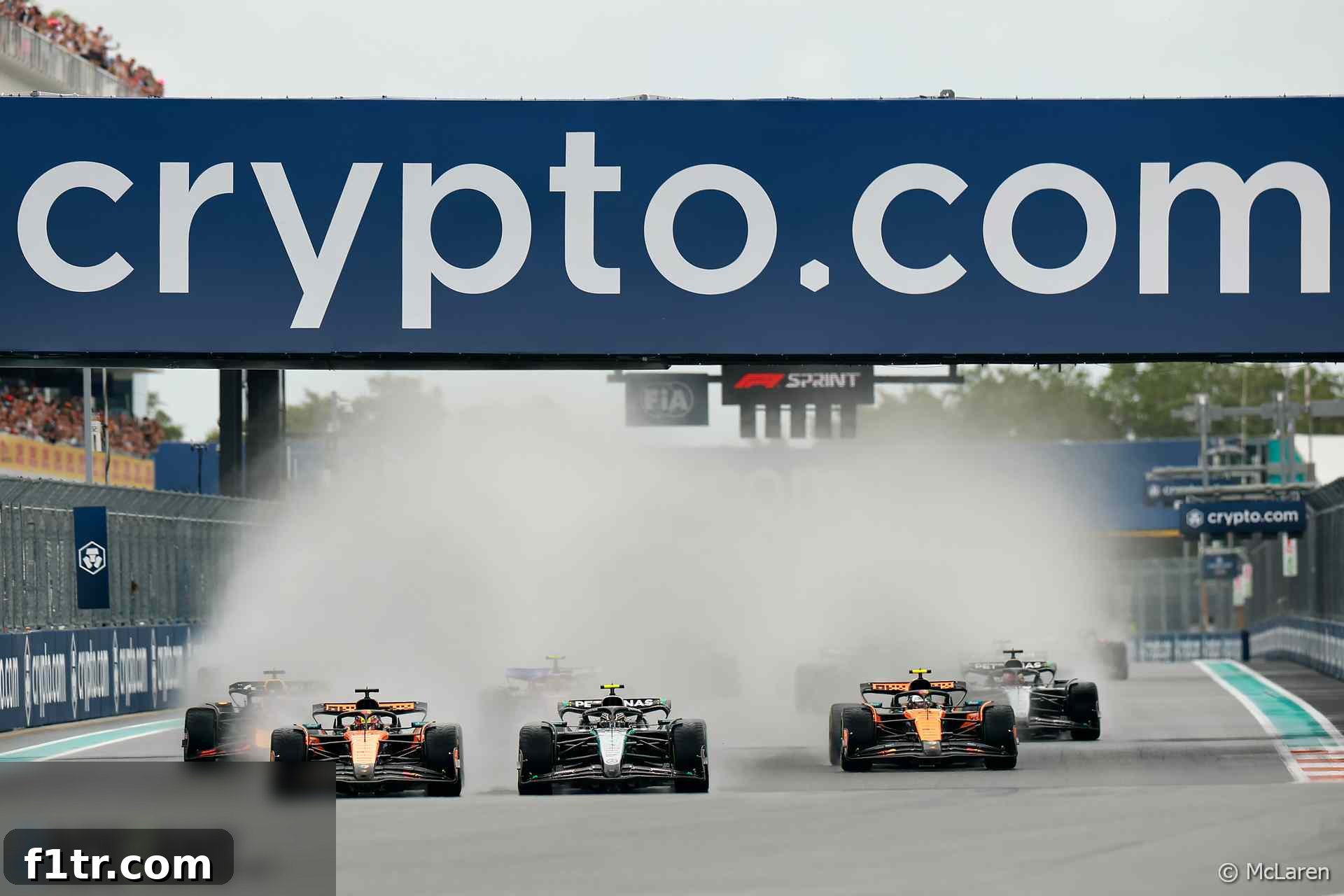
The upcoming rounds in Miami and Canada are both scheduled as sprint weekends. This format severely restricts track time, offering only a single practice session before qualifying and the sprint race. This contrasts sharply with traditional race weekends, which provide three extensive practice sessions, allowing teams ample time to fine-tune car setups, test new components, and gather crucial data. The absence of these extended sessions makes it incredibly difficult, if not impossible, for teams to thoroughly assess the impact of significant technical alterations.
Permane emphasized this constraint in an interview, stating, “There’s many suggestions that have been put forward. I think that we have a particularly tough time with Miami being a sprint [event] because there’s really little time to test anything.” His comments underscore the delicate balance between implementing progressive rule changes and ensuring their safe and effective integration into the sport.
Initially, the Bahrain and Saudi Arabian Grands Prix were slated as traditional race events, offering the desired three practice sessions. However, with these rounds either canceled or rescheduled, Formula 1 has not yet arranged replacement weekends or additional track time before its return to racing in Miami. This lack of preparatory sessions exacerbates the challenge for teams and the FIA alike.
The Racing Bulls principal suggested a pragmatic approach: a phased introduction of the planned changes. “It may well be that we try some of the [changes] that are, let’s say, a little bit simpler and less risky [are introduced] in Miami, and then we try some more in Montreal,” Permane elaborated. He acknowledged the unique difficulties of certain venues, adding, “and then of course we go to Monaco where it’s almost impossible to test anything. So Barcelona might be the first time when we try some of the more, let’s say, challenging ones.” This strategy aims to mitigate risks by gradually rolling out modifications, starting with less complex adjustments before progressing to more impactful ones when adequate testing opportunities arise, such as at the Barcelona-Catalunya Grand Prix.
Drivers’ Invaluable Input: Shaping the Future of F1 Safety
The safety aspect of the new regulations has been a particularly vocal point of contention among Formula 1 drivers, especially in the wake of incidents like Oliver Bearman’s crash. FIA president Mohammed Ben Sulayem lauded the drivers for their proactive involvement, acknowledging that they had “provided invaluable input” to the ongoing discussions.
In a social media post, Ben Sulayem confirmed the collaborative nature of these high-level talks: “There has been constructive and collaborative discussion between the FIA and the Formula 1 drivers ahead of tomorrow’s CEOs and team principals meeting to discuss potential changes to the 2026 regulations.” This direct engagement with those who experience the cars’ limits firsthand is critical for developing regulations that are not only technologically advanced but also inherently safe.
The FIA president further elaborated on the specific contributions from the drivers: “The drivers provided invaluable input on adjustments which they feel should be made, particularly in the areas of energy management to ensure safe, fair and competitive racing.” Their insights into how power unit strategies, battery deployment, and regeneration affect car behavior and race dynamics are crucial for fine-tuning the technical rules. Ensuring effective energy management is paramount not just for performance but also for mitigating the risks associated with rapid speed differentials.
Beyond driver feedback, the FIA has conducted a series of intensive meetings over recent weeks. These sessions involved technical representatives from all Formula 1 teams, power unit manufacturers, and Formula One Management (FOM). The comprehensive nature of these discussions underscores the collective commitment to resolving the challenges presented by the 2026 rules. As Ben Sulayem reiterated, “Safety and the best interests of the sport are the main focus of these discussions.” This commitment to a holistic approach, balancing innovation with safety and competitive integrity, is essential for the long-term health and appeal of Formula 1.
Upcoming F1 Calendar & Testing Opportunities
The upcoming Formula 1 calendar highlights the limited testing windows for significant rule adjustments. The absence of traditional race weekends in the immediate aftermath of recent events places additional pressure on the teams and the FIA.
- April 5th: No event
- April 12th: No event
- April 19th: No event
- April 21st: No event
- May 3rd: Miami Grand Prix (sprint event) – Limited testing opportunity for new rules
- May 10th: No event
- May 17th: No event
- May 24th: Canadian Grand Prix (sprint event) – Further limited testing opportunity
- May 31st: No event
- June 7th: Monaco Grand Prix (traditional event) – Highly challenging for testing due to circuit nature
- June 14th: Barcelona-Catalunya Grand Prix (traditional event) – Potential for more extensive testing and evaluation
For a detailed breakdown of the season, refer to the official 2026 F1 calendar.
Conclusion: Navigating the Complex Path to F1’s Future
The journey towards the 2026 Formula 1 season is proving to be complex, marked by a critical interplay of ambitious technical regulations, evolving safety concerns, and the practical constraints of the racing calendar. Alan Permane’s insights from the Racing Bulls camp underscore the real-world challenges faced by teams in adapting to and validating significant rule changes.
The criticisms surrounding high closing speeds, the perceived reduction in qualifying challenge, and the divisive “yo-yo racing” debate highlight the urgent need for meticulous review and potential adjustments. The active participation of F1 drivers, providing crucial feedback on energy management and overall safety, is a testament to the collaborative spirit required to overcome these hurdles. FIA President Mohammed Ben Sulayem’s recognition of their “invaluable input” reinforces the importance of a driver-centric approach to regulation development.
However, the calendar, particularly the prevalence of sprint race weekends in key upcoming events like Miami and Canada, presents a formidable barrier to comprehensive testing. The limited practice sessions mean that a phased, cautious introduction of changes, as suggested by Permane, is not just a preference but a necessity. Circuits like Monaco further complicate matters, leaving venues such as Barcelona as critical junctures for more robust evaluation of the “challenging” modifications.
Ultimately, the FIA, F1 teams, and all stakeholders are tasked with a delicate balancing act: preserving the core excitement and competitive integrity of Formula 1 while innovating for a sustainable and safer future. The ongoing discussions and the proposed adaptive strategies reflect a commitment to ensuring that the 2026 regulations enhance, rather than hinder, the pinnacle of motorsport. The path ahead requires careful deliberation, flexibility, and a relentless focus on both performance and safety to solidify Formula 1’s position as a leading global spectacle.
Related Formula 1 Articles
- Sprint Races Could Delay Crucial 2026 F1 Rule Adjustments, Warns Permane
- Tragedy Strikes: GT Driver Dies in Multi-Car Crash at Nürburgring Qualifiers
- F1 Safety Debate: Should Tracks or Racing Guidelines Be Modified for 2026 Rules?
- New Motorsport Reads: Reviewing Books on F1 Controversies, Lando Norris, and Adrian Newey
- Revisiting History: Was This F1’s Greatest Race, 15 Years Ago Today?
Browse all Formula 1 articles for more insights and news.