Anticipation Builds: Formula 1 Returns to Zandvoort with a Wet and Wild Weather Forecast
Formula 1 roars back into action this weekend, concluding its traditional summer break with the highly anticipated Dutch Grand Prix at the iconic Circuit Zandvoort. As teams and drivers prepare to tackle the challenging seaside track, the motorsport world is buzzing with excitement – and a watchful eye on the skies above. After a season heavily influenced by rain, the forecast for the Netherlands suggests that wet weather could once again play a pivotal role, adding an unpredictable layer to the racing spectacle.
The 2023 Formula 1 season has, for many, been characterized by the dramatic and often chaotic impact of adverse weather conditions. From torrential downpours to sudden showers, rain has frequently reshaped race weekends, testing the mettle of drivers and strategists alike. The last truly dry Grand Prix weekend, free from any weather-related disruptions across all F1 sessions, dates back to the Miami Grand Prix in early May. This trend seems poised to continue as F1 makes its third visit to Zandvoort since its triumphant return to the calendar in 2021.
The Return to Zandvoort: A Unique Challenge
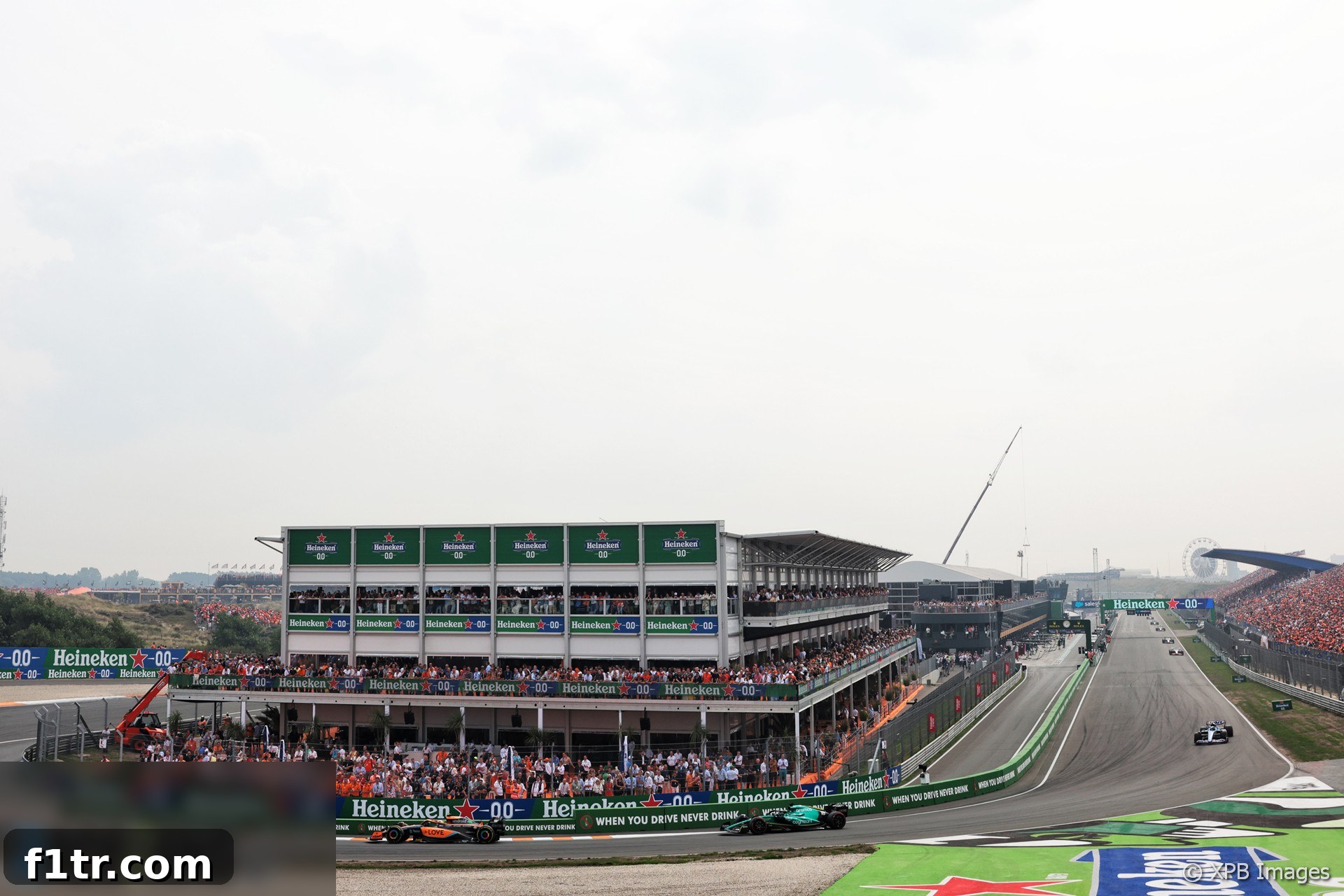
Zandvoort is celebrated for its unique character and demanding layout. Nestled alongside the Dutch coastline, the circuit is renowned for its narrow straights, undulating terrain, and a series of high-speed, banked corners, including the famous Arie Luyendykbocht. These features already present a significant challenge for drivers, pushing their skills to the absolute limit. However, the prospect of rain and strong winds transforms this challenge into an even more formidable test, potentially shaking up the established pecking order and creating thrilling, unpredictable racing.
Despite its coastal location and the prevalence of challenging weather in the region, the modernised Zandvoort circuit has yet to experience a truly wet session during its two previous Formula 1 editions. Both the 2021 and 2022 Dutch Grand Prix weekends enjoyed predominantly dry conditions, allowing for straightforward strategies and maximizing the raw speed of the F1 cars. This year, however, the meteorological models paint a different picture, hinting that the streak of dry Zandvoort weekends may finally come to an end.
Detailed Weekend Weather Outlook: Rain, Wind, and Cooler Temperatures
Friday: Practice Under Threat of Showers
The weekend’s action could kick off with a splash. Current forecasts indicate a moderate 40% risk of showers on Friday afternoon, which is precisely when the crucial second practice session (FP2) is scheduled. This session is traditionally used by teams to fine-tune race setups and conduct long-run simulations. Should rain arrive, it would force teams to adjust their plans, potentially bringing out the intermediate tyres earlier than expected. This could lead to a fragmented practice, making it difficult for teams to gather comprehensive data and potentially leaving them with limited understanding of their car’s dry-weather performance ahead of qualifying.
Saturday: Qualifying’s Brief Respite, Yet Still Cloudy
Saturday, the all-important qualifying day, is currently projected to be the driest period of the entire race weekend. While predominantly cloudy skies are expected, the probability of significant rainfall is considerably lower than on Friday. The highest risk of rain is anticipated in the morning hours, which could affect support series or early F1 activities, but the afternoon qualifying session appears to have a better chance of remaining dry. However, even a damp track or lingering moisture could impact tyre grip and driver confidence, making the search for ultimate pace even more treacherous on this already unforgiving circuit.
Sunday: Race Day Uncertainty Looms
As the pinnacle event of the weekend, the Grand Prix on Sunday faces renewed uncertainty regarding the weather. Forecasts predict another 40% chance of rain, mirroring Friday’s risk level. While the highest probability of precipitation is once again slated for the morning, coinciding with Formula 2 and Porsche Supercup races, the threat of rain lingering or returning during the afternoon race cannot be discounted. A wet or drying track during the Grand Prix would introduce a strategic lottery, with tyre choices, pit stop timings, and safety car periods becoming critical factors that could drastically alter the race outcome and potentially open the door for unexpected heroes.
The Unsung Challenger: High Winds at Zandvoort
Beyond the potential for rain, another significant weather factor will undoubtedly influence the Dutch Grand Prix: strong winds. Given Zandvoort’s picturesque beachside location, high winds are an inherent characteristic of the area, and they are expected to be a prominent feature throughout the weekend. The intensity of these winds is forecast to increase as the days progress, peaking on race day. Gusts of up to 35 kilometers per hour are currently predicted during the Grand Prix. Such strong crosswinds can pose serious headaches for drivers, especially around Zandvoort’s narrow, twisty sections and its distinctive banked corners. Wind affects the aerodynamic balance of the cars, reducing stability and making it challenging for drivers to hit their apexes consistently. This can lead to unexpected oversteer or understeer, demanding constant micro-corrections and increasing the mental and physical strain on the drivers.
Cooler Temperatures: Another Variable for Tyre Management
Adding to the list of weather-related challenges are the anticipated cooler ambient temperatures. Unlike previous editions, where Zandvoort has often felt like a summer festival, this year’s Grand Prix is likely to be significantly cooler. Last year, ambient temperatures averaged just under 23 degrees Celsius. For the upcoming weekend, temperatures are currently expected to breach the 20-degree mark only once across all five F1 sessions, specifically during Friday afternoon’s second practice. Lower temperatures can have a considerable impact on tyre performance, making it harder for drivers to bring their tyres into the optimal operating window and maintain heat. This can lead to reduced grip, increased degradation, and a greater risk of locking up. Teams will have to work diligently on their car setups to ensure the tyres can perform effectively, regardless of the cooler conditions.
Strategic Implications and Driver Challenges
The convergence of potential rain, strong winds, and cooler temperatures presents a multifaceted strategic puzzle for all ten Formula 1 teams. Race engineers will be meticulously analyzing every data point, trying to predict the precise moments of weather shifts to optimize car setups. The choice between dry, intermediate, and wet tyres will be paramount, and a single incorrect decision could prove to be incredibly costly. Strategists will be under immense pressure, needing to be agile and reactive to the ever-changing conditions. Communication between the pit wall and the drivers will be more critical than ever, with drivers providing crucial real-time feedback on grip levels and track conditions.
For the drivers, Zandvoort will be an ultimate test of adaptability and skill. Navigating a narrow, high-speed circuit with variable grip, unpredictable wind gusts, and potentially reduced visibility requires immense concentration and car control. Home hero Max Verstappen, who has dominated his previous Zandvoort outings, will be looking to continue his winning streak, but even the reigning world champion will find these conditions a stern challenge. The potential for a mixed-condition race could level the playing field, creating opportunities for drivers and teams who excel in chaotic scenarios and those who can quickly adapt to the elements.
The Thrill of the Unknown: An Unforgettable Dutch Grand Prix Awaits
As Formula 1 emerges from its summer slumber, the Dutch Grand Prix at Zandvoort promises to be an enthralling return. The looming threat of rain, coupled with strong winds and cooler temperatures, ensures that this will be anything but a straightforward weekend. These unpredictable elements are precisely what often inject the most drama and excitement into Grand Prix racing, creating memorable moments and offering unexpected twists. Fans can look forward to a captivating battle not just between the drivers, but also against the formidable challenges posed by Mother Nature. Get ready for a thrilling, potentially wet, and undoubtedly spectacular show as Formula 1 once again ignites the passion of motorsport in the Netherlands.
For the very latest updates on track conditions, minute-by-minute session reports, and all breaking news throughout the Zandvoort weekend, make sure to keep a close eye on RaceFans Live and the official RaceFans Twitter account.
2023 Dutch Grand Prix Related Articles
- Azerbaijan GP defeat was key to record-equalling run of wins – Verstappen
- “Too early to say” if podium signals return to form for Aston Martin – Alonso
- Verstappen makes history with unbeaten hat-track in first home races
- Perez is ‘doing his job and will be our driver in 2024’, Horner insists
- Ferrari had the “sixth or seventh fastest car” at Zandvoort – Sainz
Browse all 2023 Dutch Grand Prix articles