The Explosive Growth of World Rallycross: A Motorsport Phenomenon
Since 2014, the FIA has introduced two new world championships that have captured global attention: Formula E and World Rallycross. While both boast impressive growth, the appeal and rapid expansion of the FIA World Rallycross Championship (WRX) are particularly evident, making it one of the most exciting and dynamic series in modern motorsport. With its unique blend of raw power, thrilling action, and strategic ingenuity, WRX has swiftly gained traction across the globe, appealing to both seasoned motorsport aficionados and a new generation of fans.
The Thrill of World Rallycross: Unfiltered Action and Superstar Drivers
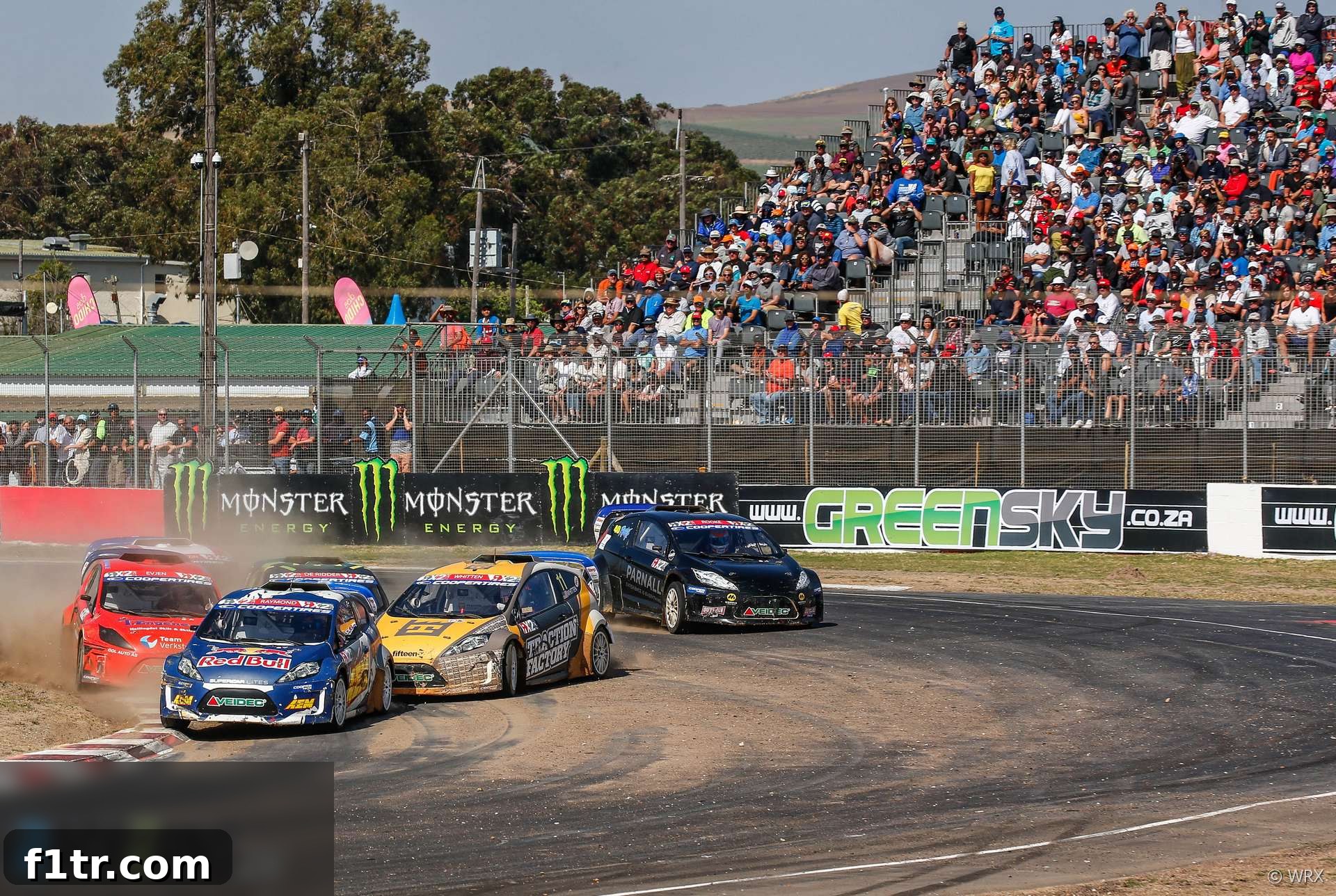
World Rallycross delivers an unparalleled spectacle, characterized by its unique race format and the sheer intensity of competition. The action unfolds in bite-sized, high-octane elimination heats, featuring purpose-built Supercars – often described as ferocious pocket rockets – that pop, bang, and slide their way around tight, mixed-surface circuits comprising both asphalt and gravel. These monstrous machines, capable of blistering 0-60 mph acceleration that rivals Formula 1 cars, are driven by motorsport legends like Sébastien Loeb, Mattias Ekström, and Petter Solberg, who frequently engage in spectacular wheel-to-wheel, bumper-to-bumper battles, ensuring no two races are ever the same.
The frenetic pace, coupled with invariably close, door-handle-to-door-handle racing, creates an atmosphere unmatched by many other series. The unmistakable roar of the engines and the screech of tires on mixed surfaces contribute to noise levels loud enough to make even Formula 1 envious, let alone the quieter electric Formula E. In essence, WRX is tailor-made for those who crave their entertainment in short, sharp, and impactful doses, or for fans seeking a thrilling return to the raw, back-to-basics ethos of motorsport. In an era where some motorsport series are perceived as increasingly sterile or complex, WRX stands out as a vibrant, dusty, and exhilarating antidote, injecting fresh energy into the global motorsport landscape.
A Storied Past and Dynamic Revival: The Origins of Rallycross
Rallycross boasts a rich history, born out of a pragmatic need by television producers for a readily accessible, all-weather motorsport genre. The sport quickly garnered favour among enthusiasts who sought thrilling sideways action without the complexities and logistical challenges of traditional forest rallies. A pivotal moment in its early development came in 1967 when the RAC Rally was cancelled due to a widespread foot-and-mouth disease outbreak. Rallycross, with its compact circuit format, stepped in, filling the void and demonstrating its potential to a wider audience eager for motorsport entertainment. This opportune moment sparked a boom that saw the sport flourish until the 1990s before its popularity gradually waned, entering a period of lower profile regional competition.
The Visionary Behind the Comeback: Paul Bellamy and IMG’s Strategic Deal
The global resurgence of rallycross on the world stage is largely credited to Paul Bellamy, the IMG Managing Director whose strategic vision and commercial acumen were instrumental in resurrecting the sport. Bellamy recalls the pivotal moment in 2012/13 while he was successfully promoting Speedway races to packed stadium crowds. A seemingly casual call from a TV director, who produced two-wheel sideways racing, introduced him to the concept of rallycross and its untapped potential. “I said ‘No’,” Bellamy recounts, “so he suggested we take a look. We then met with two gentlemen who were journalists, and lived and breathed the sport. They were helping the FIA to centralise it, as there were lots of individual events, but nothing properly structured into a coherent championship.”
Recognizing the immense potential for a globally appealing, TV-friendly product, IMG embarked on rigorous negotiations with the FIA, culminating in an unprecedented 20-year commercial deal. Bellamy, acknowledging the unusual length for most motorsport agreements (which typically last five years), justified it by referencing Formula 1’s historic long-term deals, arguing that such a commitment was essential for foundational investment. This landmark agreement provided the necessary stability and incentive for significant, long-term investment, truly getting the ball rolling for the championship. From a standing start with zero rounds in 2014, the FIA World Rallycross Championship has since expanded to a robust 12 rounds globally, a powerful testament to IMG’s strategic vision and the sport’s inherent, enduring appeal.
Bellamy emphasizes the collaborative nature of their partnership with the FIA: “We’ve done a very good deal with the FIA; they actually share in future successes, and so we’ve got a good working relationship with them. It’s important to have that length of time, otherwise you invest less, and the vision remains stunted.” While specifics of the financial arrangements remain confidential, Bellamy confirms a revenue share element, with IMG courageously shouldering the primary financial risk during the championship’s growth phase. He also notes that, currently, teams do not directly share in the championship’s revenues as IMG is still working towards a substantial return on its significant investment. However, participating teams benefit immensely from the global platform provided, enabling them to compete, gain unparalleled exposure, and attract sponsorship on an international stage, far beyond what regional series could offer.
Global Ambitions: Expanding the WRX Footprint
The overall concept behind WRX’s championship structure is elegantly simple and highly effective: manufacturer-backed teams, often operated by expert private entities, compete for global glory. For instance, Audi Sport’s formidable entries are managed by EKS, the acclaimed team founded by 2016 WRX champion Mattias Ekström. IMG’s role in this ecosystem is multifaceted, encompassing the provision of world-class “playgrounds” (race venues), comprehensive global TV coverage, and extensive promotional campaigns, often executed in close collaboration with local event organizers. This symbiotic relationship fosters a robust, dynamic, and commercially viable championship.
While the series maintains a strong Euro-centric presence, with nine rounds traditionally held across mainland Europe, Britain, and the Scandinavia/Baltics region – reflecting rallycross’s historical heartland – its global reach is undeniable. The strategic inclusion of events in Canada, South Africa, and, more recently, the USA (specifically at the iconic Circuit of The Americas), fully justifies its “World Championship” designation. Yet, Bellamy and IMG harbor even grander ambitions, particularly regarding expansion into Asia, a region that represents the world’s largest and fastest-growing automotive market by a significant margin.
Bellamy shares insights into their strategic focus on untapped markets: “We’ve had six different potential promoters visit us over the last few years for China alone. We’ve made numerous reconnaissance trips to China; we view that as the next frontier for growth. However, the opportunity at Circuit of The Americas (Austin) came along, offering a unique and immediate entry into the lucrative US market. We’ve got 12 events next year, and we’re actively promoting ourselves at CoTA, which involves building a dedicated, bespoke rallycross track for the event.” He also hints at the critical role of ERX – the electrified version of Rallycross – in aiding their future Asian expansion efforts, a ground-breaking development we will explore further, demonstrating IMG’s forward-thinking approach to motorsport evolution.
2018 World Rallycross Championship Calendar
1: 14th Apr – Circuit de Catalunya, Spain
2: 28th Apr – Montalegre, Portugal
3: 12th May – Circuit Jules Tacheny, Belgium
4: 25th May Silverstone, Great Britain
5: 9th Jun – Hell, Norway
6: 30th Jun – Holjes Motorstadion, Sweden
7: 4th Aug – Trois-Rivieres, Canada
8: 1st Sep – Lohéac – Bretagne, France
9: 15th Sep – Bikernieki, Latvia
10: 29th Sep – Circuit of the Americas, USA
11: 13th Oct – Estering, Germany
12: 24th Nov – Killarney, South Africa
Engaging the Next Generation: Marketing WRX to a Younger Audience
Bellamy clearly harbors substantial plans for the sport, which received a significant boost with the addition of iconic venues like Cape Town and the Circuit of the Americas to its burgeoning calendar. A key challenge, however, lies in effectively marketing WRX to diverse global audiences – comprising both enthusiastic live spectators and extensive television and digital viewers – many of whom, just five years ago, were entirely unaware of rallycross as a competitive sport, let alone its world championship status.
Bellamy meticulously explains their nuanced, multi-platform marketing approach: “Because our core audience is a much younger demographic, and precisely because of our short, sharp, action-packed race format, WRX lends itself perfectly to consumption on modern digital platforms like phones, iPads, and various social media channels. This audience often doesn’t watch traditional linear television, or they consume it differently, but we still absolutely need linear television – particularly free-to-air broadcasts – to broadly disseminate awareness of the sport and attract new fans.” He highlights the crucial dual audience strategy they employ, carefully navigating the dynamic and often fragmented landscape of modern media consumption.
“There are two distinct audiences we’re playing to at the moment, and a significant difficulty we have with traditional broadcasters is that they often believe digital streaming and online content could be a direct threat to their established linear models,” Bellamy notes. “So we proactively counter this by passionately arguing, ‘We actually need to find a way to work harmoniously with digital, because digital is not a threat; it’s a powerful way of enhancing and enriching your programmes.’ We are live for two intense hours on a Sunday afternoon, but we also generate a wealth of exciting action throughout Saturday. If we strategically use digital platforms to push people towards our captivating TV programmes on Sunday, everyone involved in the ecosystem wins, from the series to the broadcasters to the fans.” This integrated approach leverages the immediacy and accessibility of digital platforms to significantly amplify the reach and engagement of traditional linear broadcasts, creating a synergistic effect that maximizes audience capture.
This strategic focus on engaging a younger demographic is proving to be a true goldmine for automotive manufacturers. During Cape Town’s inaugural WRX round, the average age of attendees was remarkably estimated to be under 30, representing a highly desirable and notoriously difficult-to-reach target market for car brands. Manufacturers are increasingly challenged to connect meaningfully with the ‘iThing’ generation in a rapidly disrupted and evolving automotive landscape. Consequently, leading manufacturers have flocked to WRX, recognizing its unique appeal. The championship now proudly features teams supported by major players such as Audi, Volkswagen, Peugeot, Ford, Renault, and MINI, with persistent rumors of a return by Citroen. This strong and growing manufacturer presence unequivocally underscores the series’ immense commercial value, marketing efficacy, and its vital role as a proving ground for future automotive technologies.
The Electrified Future: ERX and Sustainable Motorsport
The long-term vision for rallycross includes a significant and transformative push towards electrification, brilliantly embodied by the Electric Rallycross (ERX) concept. Just as Formula E serves as Formula 1’s “green” and technologically advanced counterpart, ERX is perfectly poised to become rallying’s environmentally-friendly, high-performance equivalent. The rationale for electrification in rallycross is overwhelmingly compelling, deeply rooted in the very performance drivers that define the sport: extreme lightness, advanced four-wheel drive systems, and an instantaneous abundance of torque. These attributes combine to deliver the ferocious short-burst acceleration and superb traction out of corners – often on loose surfaces – that are the hallmark of WRX’s exciting action. Electric motors are inherently, almost perfectly, well-suited to these demanding requirements.
Electric motors are relatively inexpensive to produce, easily mountable (one per axle or even per wheel for optimal torque vectoring and four-wheel drive capabilities), and crucially, deliver incredibly linear torque curves from zero revolutions per minute, providing immediate power delivery. Coupled with their inherently light weight, this makes them ideally suited for the intense, short-duration power demands of rallycross applications. The primary challenge, battery mass and capacity, is expertly mitigated by the WRX race format itself; races typically run for around ten minutes in total, with well-timed breaks between heats providing convenient windows for rapid battery swaps. Furthermore, if these high-performance batteries can withstand the extreme jostling, impacts, and temperature fluctuations inherent in WRX-style racing, they are deemed safe, robust, and highly reliable enough for wider road use, presenting invaluable research and development opportunities for manufacturers. In short, electrification offers a cost-effective, high-performance, and sustainable mix for the compelling future of rallycross, pushing the boundaries of what electric vehicles can achieve.
Bellamy articulates how he effectively sells the groundbreaking vision of WRX and ERX to manufacturers, whose sophisticated technological involvement is absolutely crucial for providing the cutting-edge hardware to both factory-backed and privateer teams: “They are buying into a powerful platform with truly cool, authentic content,” he says, “and they can disseminate that engaging content directly to their next generation of car buyers, regardless of specific brand or model. The rallycross cars look spectacular in action, and kids immediately think, ‘Actually, that car’s quite cool. I can definitely see that on my driveway, or my parents’ driveway, someday.’ From a manufacturer perspective, they can directly sell cars off the back of this emotional engagement and aspiration.” He adds, “Secondly, by effectively reaching kids and young adults through captivating content on social media – featuring cars going sideways, flying over massive jumps, and being airborne – it’s absolutely fantastic for building strong brand image, fostering aspiration, and creating indelible connections with a future generation of customers.”
The prospect of ERX eventually mirroring Formula E’s impressive growth trajectory, potentially attracting up to ten major manufacturers within just a few years, is not unreasonable given these inherent advantages and the accelerating automotive industry trend towards electric mobility. ERX could well become a crucial proving ground for cutting-edge electric vehicle technology in extreme, real-world racing conditions, driving vital innovation and accelerating public acceptance of electric performance cars.
Cost Control: Balancing Growth with Sustainability
A central and non-negotiable pillar of WRX’s strategy for sustained success, continued manufacturer attraction, and the overall health of the sport is stringent cost control. Audi Sport’s Dieter Gass, a key figure in the manufacturer’s involvement, is notably bullish about WRX’s future, and particularly enthusiastic about the ERX angle. He explains, “The programme started as an idea basically between our marketing guys and Mattias Ekström, having the vision at the time that RX is a championship which potentially is immediately usable for electric racing without basically any modification. The extremely exciting, dynamic action is an obvious and irresistible draw. It’s really spectacular, and you have incredibly good, close competition.”
However, Gass also offers a crucial and pragmatic caveat: “Having said that, something which we need to be very careful and wary about, is that the costs absolutely need to remain controlled. And again, with other manufacturers coming in, the inherent risk is that costs could potentially explode, and I don’t think WRX, in its current phase, can afford that kind of unchecked expenditure.” This sentiment is widely echoed across the championship’s stakeholders, recognizing that uncontrolled spending could deter new entrants, alienate existing teams, and ultimately jeopardize the series’ long-term health and accessibility.
To proactively address these critical concerns and ensure financial sustainability, WRX has implemented robust and evolving regulations. While the rules mandate production-based body shells and mechanicals as a foundation, for the 2018 season, further stringent limits were introduced on the number of critical components, such as turbochargers, to curb excessive development. Furthermore, the quantity of engines allowed during an entire season was rigorously reduced to just two, and tire usage was strictly restricted to 12 per event. These cost-saving measures are especially vital given that teams do not yet directly share in the championship’s revenues, making lean and efficient operations paramount for their financial viability and continued participation.
“Everybody agrees wholeheartedly that we need to actively manage costs, and indeed, to keep them as low as reasonably possible,” confirms Bellamy. “In fact, the entry level needs to be maintained at a truly manageable level for both professional factory-backed teams and independent privateers. We understand that manufacturers sometimes come into a series, stay for a couple of years, and then, for various reasons, just go. We’re probably quite fortunate that we’ve simultaneously cultivated a very strong European series, which features numerous non-manufacturer-backed privateers as well. This European championship is actually becoming oversubscribed, and we need to carefully manage that influx.” This indicates a healthy, competitive ecosystem where both factory-backed behemoths and independent privateers can thrive, contributing to a diverse and fiercely competitive grid. Bellamy also highlights IMG’s active and influential role in shaping these crucial regulations: “We sit directly on the FIA Technical Working Group, and any recommendations then go through the Rallycross Commission, on which we also actively sit.” This ensures a proactive, informed, and balanced approach to technical and cost regulations, designed to future-proof the championship.
A Champion’s Perspective: Mattias Ekström on WRX
Few individuals possess a more comprehensive or insightful understanding of rallycross’s unique place and immense potential in the contemporary motorsport world than Mattias Ekström. A true motorsport polymath, Ekström not only clinched the coveted WRX title in 2016 but also boasts an astonishing career spanning multiple top-tier disciplines, including two prestigious DTM championships (2004, 2007) and three Race of Champions titles. His formidable resume further includes memorable appearances in V8 Supercars, the NASCAR Sprint Cup, and eight challenging starts in the World Rally Championship. Adding to this already impressive list, Ekström competed with distinction in the European Rallycross Championship before taking the bold step of co-owning EKS, the highly successful team he founded.
When asked why he ventured into team ownership in what was then a burgeoning, relatively new world championship, the 39-year-old Swede reflects with genuine passion: “I think rallycross is really a great, great type of series. The legendary Audi Quattro, with its incredible heritage, I’ve liked since I was a kid. Big, powerful, sliding cars I also profoundly like because I literally grew up in a rallycross world with my father, watching him compete. When it officially became a world championship, I thought I might actively help it gain a bit more status; they were getting much more serious, with the competition progressively moving from an amateur level to a truly professional, global level.” This deep personal connection to the sport’s roots and the legendary Quattro brand deeply influenced his pivotal decision to commit.
Ekström continues, elaborating on the serendipitous timing: “So I thought that was fundamentally good, then at about the exact same time as I was having these thoughts, the fantastic Audi S1 road car was launched, which was the perfect platform. So I thought, ‘It’s too many good things – the sport itself, the timing, the car, everything – coming together perfectly’.” He openly admits to being “normally quite picky” about his professional endeavors, highlighting the significant challenge of establishing a competitive team that precisely aligned with his demanding vision while simultaneously operating in what he terms an “Audi-style” of meticulous engineering and unwavering professionalism. He doesn’t shy away from admitting that a significant part of the allure was to facilitate the triumphant return of the hallowed Quattro brand “back to the race track, very much as it was in the good old eighties,” reconnecting with a golden, iconic era of motorsport.
Addressing concerns about a potential cost explosion now that more major manufacturers are becoming involved in WRX, Ekström remains notably optimistic and pragmatic: “No, because now there are more robust cost savings coming up, and still it’s relatively small budgets required compared to other top-tier motorsports. So for me, if the costs could genuinely stay on this manageable level where we’re at now, the ‘value for money’ would be exceptionally high, and then there would absolutely still be a very strong, viable business case for everyone involved. Because I honestly don’t believe there will be too many teams or manufacturers who can keep investing more than we’re currently at in the long run.” While he understandably refrains from disclosing specific budget figures, industry sources suggest that a competitive two-car team budget currently hovers around £10 million. Given the series’ prestigious world championship status, its global reach, and its presence across three continents, this represents exceptional value for money in the realm of elite motorsport. The championship’s undeniable attractiveness to major global energy drink brands, with both market leaders Red Bull and Monster heavily involved as sponsors, further underscores its significant commercial appeal and robust sponsorship potential, cementing its strong financial foundation.
The Future is Bright for World Rallycross
As the FIA World Rallycross Championship enters its fifth season, it does so with immense momentum and a clear, ambitious vision for the future. Its unique blend of high-octane, unpredictable action, an accessible and thrilling race format, strategic global expansion, unwavering commitment to stringent cost control, and enthusiastic embrace of electrification positions it as a leading light and an innovative force in modern motorsport. The unique appeal to a younger, digitally native audience, coupled with strong and growing manufacturer backing, ensures that WRX is not just thriving, but actively shaping the landscape of future racing, setting new benchmarks for entertainment and technological relevance. With its dynamic spirit and forward-looking strategy, World Rallycross is poised for even greater heights.
To truly appreciate the raw excitement and unpredictable nature of this championship, witness the spectacular finale from the 2016 round at Estering in Germany, where Mattias Ekström dramatically clinched the title despite falling prey to a daring, last-lap move by Kevin Eriksson: