Sauber F1 Team Reinvigorated: The Transformative Impact of the Alfa Romeo Partnership and 2018 Aspirations
The dawn of the 2018 Formula 1 season brought a wave of renewed optimism for the Sauber F1 Team. A significant catalyst for this resurgence was the groundbreaking alliance forged with iconic Italian marque, Alfa Romeo. This partnership, announced in late 2017, was widely heralded as a pivotal moment for the Hinwil-based squad, promising far-reaching benefits that extended well beyond a simple branding exercise. Frederic Vasseur, Sauber’s Team Principal, eloquently articulated the depth of this collaboration, emphasizing its profound implications for the team’s future trajectory and overall standing within the fiercely competitive world of Formula 1.
A Partnership Beyond Sponsorship: Elevating Sauber’s Stature
Frederic Vasseur was quick to clarify that the relationship with Alfa Romeo was not merely a sponsorship deal but a comprehensive partnership, designed to inject new vitality into the team. “Alfa Romeo is not just a matter of sponsorship, it’s much more a partnership,” Vasseur stated, underscoring the strategic nature of the alliance. This distinction is crucial, as it implies a deeper level of engagement, potentially involving technical exchanges, talent development, and shared strategic objectives, all aimed at bolstering Sauber’s competitive edge.
The prestige associated with the Alfa Romeo brand, a name steeped in motorsport history and synonymous with automotive excellence, instantly elevated Sauber’s profile. Vasseur highlighted this benefit, noting, “It means that we will be much more attractive for everybody, for the media, for the sponsors also.” Indeed, associating with a brand of Alfa Romeo’s caliber significantly enhances a team’s marketability, drawing increased media attention and opening doors to lucrative sponsorship opportunities that might have previously been out of reach for an independent outfit like Sauber. This heightened visibility is not just about financial gains; it also attracts top engineering talent and operational staff, crucial for long-term success in Formula 1.
Beyond the tangible benefits, the partnership instilled a powerful sense of motivation within the team. “But it’s also and mainly a huge motivation for the team to have an iconic brand with us,” Vasseur explained. This psychological boost cannot be underestimated; working under the banner of a legendary name like Alfa Romeo can inspire engineers, mechanics, and drivers to push harder, knowing they represent a legacy of racing prowess. It fosters a renewed sense of pride and ambition, essential ingredients for competitive performance.
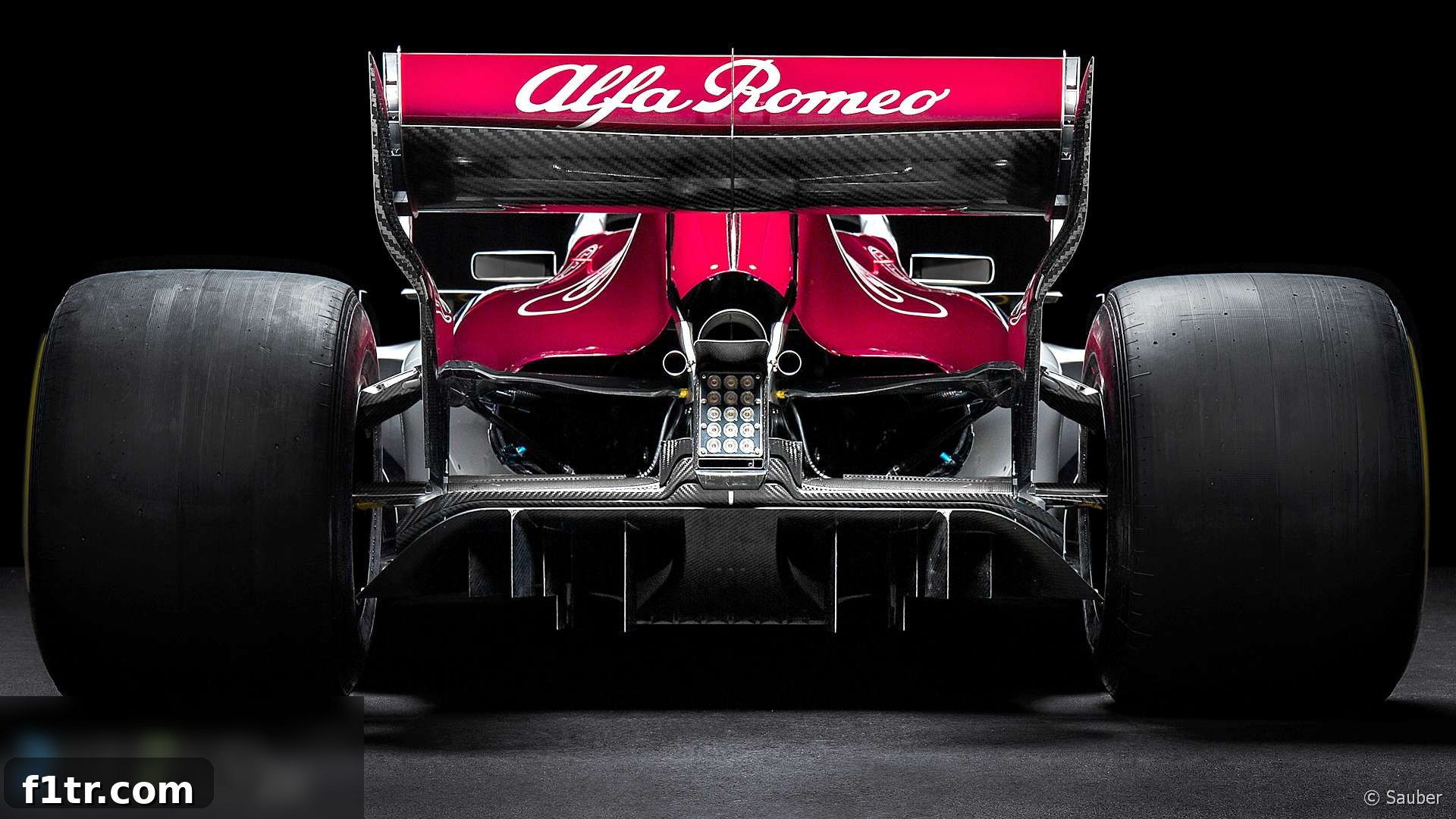
The visual manifestation of this alliance was prominently displayed on the new Sauber C37, unveiled in February 2018. The Alfa Romeo branding featured boldly on the engine cover, instantly transforming the car’s aesthetic. Vasseur described the striking livery as “a good mix between the white, which is part of the DNA of Sauber over the last 20 years, and at the other end the iconic Alfa Romeo red.” This harmonious blend symbolized the fusion of Sauber’s enduring heritage with Alfa Romeo’s vibrant future in F1, creating a visually distinct and memorable identity on the grid.
Technical Resurgence: Current-Spec Ferrari Power and Aerodynamic Focus
The new support from Alfa Romeo arrived at a crucial juncture, coinciding with Sauber’s return to using current-specification Ferrari engines for the 2018 season. This was a significant upgrade, as the team had run with year-old Ferrari power units in 2017, placing them at a distinct disadvantage against rivals utilizing the latest technology. Access to up-to-date engines meant a substantial improvement in performance, reliability, and driveability, leveling the playing field considerably.
While acknowledging the immediate gains from the engine upgrade, Vasseur was pragmatic about the challenges ahead. “The most obvious development was to get the engine of the [current] year, that’s the first point,” he stated, recognizing it as a foundational step. However, he quickly added, “But we know perfectly that we have to work on every single area and every single department of the company.” This holistic approach highlighted the team’s understanding that success in Formula 1 requires excellence across all disciplines, not just powertrain parity.
A primary area of focus for development was aerodynamics, a discipline that remains paramount in modern F1. “We are mainly focused on the aero because it’s a key topic for the performance,” Vasseur emphasized. Aerodynamics governs how a car interacts with the air, generating crucial downforce for cornering speed and minimizing drag for straight-line performance. Even marginal gains in this complex field can translate into significant lap time improvements. Sauber’s commitment to enhancing its aero capabilities signaled a serious intent to climb the constructors’ standings.
To support this ambitious development program, Sauber embarked on an extensive recruitment drive. Vasseur confirmed, “we are recruiting in every single department of the company.” This widespread expansion indicated a strategic investment in human capital, aiming to bolster the team’s engineering depth, research and development capacity, and operational efficiency across the board. From design engineers to strategists, data analysts, and mechanics, strengthening every facet of the organization was deemed essential for sustained progress in the hyper-competitive F1 environment.
The Sauber C37 Takes to the Track: First Impressions and Pre-Season Excitement
The fruits of these efforts, the new Sauber C37, made its eagerly anticipated on-track debut at the Circuit de Catalunya in February 2018, with Swedish driver Marcus Ericsson at the wheel. These initial runs, often termed “filming days,” are critical for shakedowns, systems checks, and gathering preliminary data, even though they are restricted in mileage and tire usage. It’s the first real-world test of countless hours of design and manufacturing.
First glimpse of the #C37 on track👍 So much to do in so little time 😅 #filmingday #f1 pic.twitter.com/s96codovYP
— Stake F1 Team KICK Sauber (@stakef1team_ks) February 21, 2018
Ericsson’s initial feedback, often encapsulated in social media posts like his tweet from that day, provided a first glimpse of the team’s excitement and the immense task ahead. The sentiment of “So much to do in so little time” perfectly captured the frantic pace of pre-season testing, where every lap, every data point, and every adjustment is crucial for optimizing the car before the first Grand Prix. For Sauber, this period was particularly vital as they aimed to integrate a new engine package and significant aerodynamic revisions.
The 2018 season represented a fresh start for Sauber, a chance to shed its previous struggles and emerge as a more competitive force. With the combined boost of the Alfa Romeo partnership and current-spec Ferrari power, coupled with an aggressive development strategy, the team harbored realistic but ambitious goals. Their progress would be keenly watched by fans and rivals alike, eager to see if this revitalized structure could propel them up the grid and into the points-scoring positions more regularly.
Further Reading on the 2018 F1 Season
To delve deeper into the narratives and developments surrounding the 2018 Formula 1 season, explore these related articles:
- F1 feared “death knell” for Drive to Survive after Ferrari and Mercedes snub
- McLaren staff told us we were “totally crazy” to take Honda engines in 2018 – Tost
- ‘It doesn’t matter if we start last’: How Red Bull’s junior team aided Honda’s leap forward
- Honda’s jet division helped F1 engineers solve power unit problem
- McLaren Racing losses rise after Honda split
Browse all 2018 F1 season articles
Conclusion: A New Era for Sauber
The strategic alliance with Alfa Romeo marked a definitive turning point for the Sauber F1 Team. More than just a financial injection, it brought renewed prestige, motivation, and a clear pathway for technical development, notably through the provision of current-spec Ferrari engines and an intense focus on aerodynamics. Frederic Vasseur’s vision of a holistic transformation, encompassing every department and every individual, laid the groundwork for a more competitive and attractive outfit. As the Sauber C37 hit the track, adorned in its distinctive white and red livery, it symbolized not just a new car, but the dawn of a hopeful new era for a team determined to reclaim its place as a formidable competitor in Formula 1.