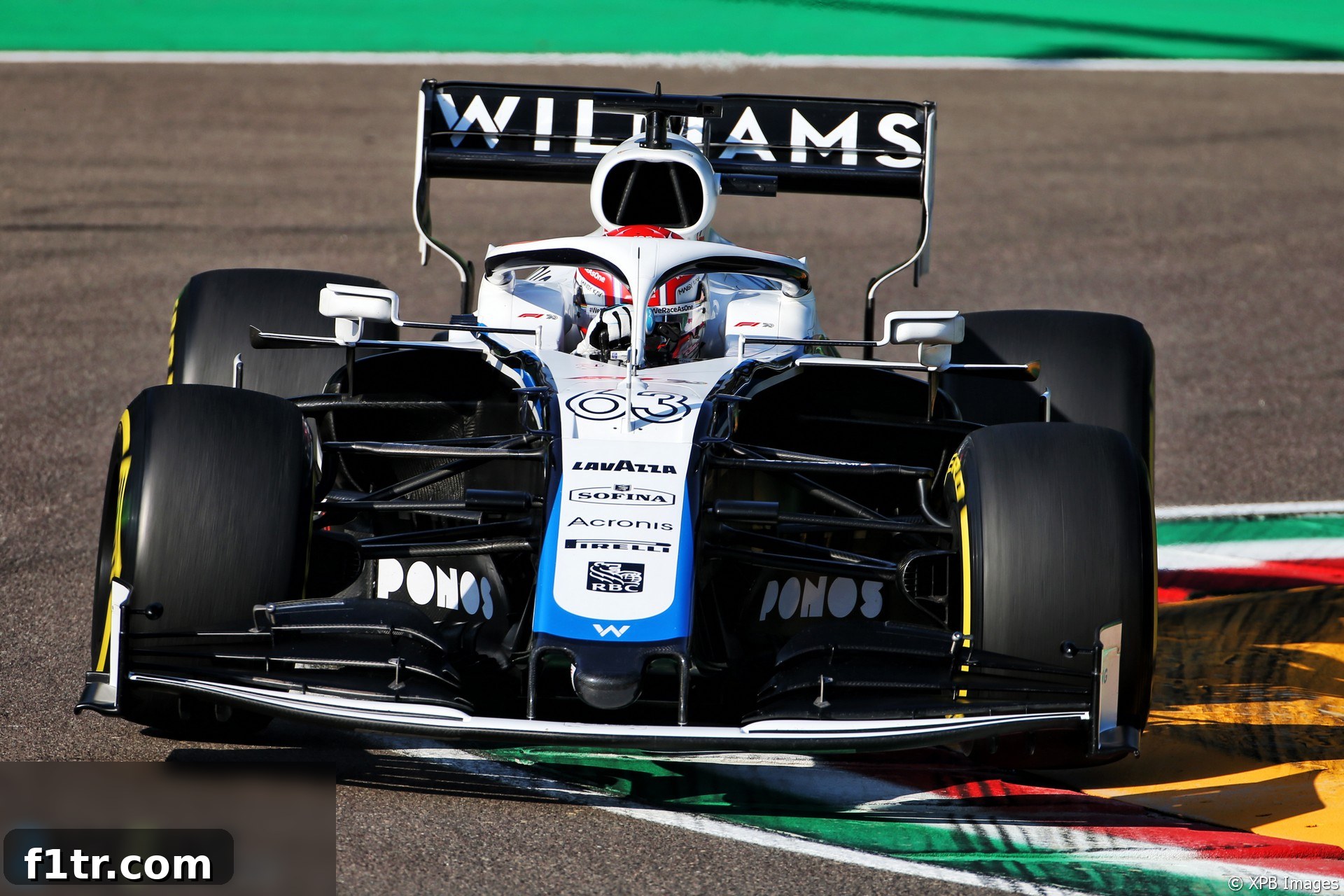
Williams Racing, one of Formula 1’s most revered and historically significant teams, has announced a landmark expansion of its technical collaboration with long-standing power unit supplier, Mercedes-AMG High Performance Powertrains. This pivotal agreement, set to commence from the highly anticipated 2022 F1 season, signals a profound strategic shift for the Grove-based outfit, moving beyond merely utilizing Mercedes power units to incorporating their sophisticated gearboxes and associated hydraulic systems. This deeper integration represents a significant departure from Williams’ traditional ethos as an independent constructor, aiming to streamline operations, optimize resource allocation, and ultimately elevate the team’s on-track competitiveness in an increasingly demanding Formula 1 landscape. The partnership underscores a pragmatic approach by the new ownership, Dorilton Capital, to rebuild Williams’ standing in the sport.
Advert | Become a Supporter & go ad-free
A Deeper Technical Partnership: Mercedes Gearboxes for Williams
Under the terms of the renewed agreement, Williams will receive complete Mercedes-designed gearboxes and integrated hydraulic components. These critical parts, which are permitted for transfer between teams under the sport’s technical regulations, will be supplied in addition to the hybrid V6 turbo power units that Mercedes has provided Williams since the introduction of the current engine formula in 2014. Historically, Williams has taken immense pride in manufacturing the vast majority of its car components in-house, including its highly complex gearboxes and hydraulic systems. While this new arrangement signifies a major shift, the team has confirmed its commitment to retaining its core design and manufacturing capabilities for other crucial chassis elements. This ensures that a significant portion of the car’s identity and development remains proprietary to Williams, allowing the team to leverage Mercedes’ expertise in specific areas without completely abandoning its engineering heritage.
Strategic Evolution: Why Williams is Making This Change
The decision to expand the technical partnership with Mercedes comes at a critical juncture for Williams Racing, following several challenging seasons. The team has openly acknowledged that this strategic move is designed to foster a more efficient design and manufacturing process internally, allowing them to redeploy valuable resources and engineering talent towards other performance-critical areas. In a statement, Williams emphasized that this would enable a long-term improvement in their operational efficiency. Specifically, by entrusting the gearbox and hydraulics development to Mercedes, Williams can intensely focus its in-house expertise on aspects such as aerodynamic development, chassis optimization, and vehicle dynamics – areas where marginal gains can translate into significant on-track performance improvements.
This reallocation of focus is crucial for a team that has struggled at the rear of the grid. Williams finished last in the constructors’ championship for three consecutive years leading up to 2020, failing to score a single point in that season. This stark performance decline highlighted the urgent need for a strategic overhaul. The financial prudence inherent in such an agreement also cannot be overstated, as developing these highly complex components from scratch places a substantial burden on independent teams. By integrating proven Mercedes technology, Williams aims to achieve higher reliability, consistency, and ultimately, improved competitiveness.
The End of an Era? Williams’ Departure from Full Independence
For decades, Williams Grand Prix Engineering stood as a bastion of independence in Formula 1, crafting virtually every component of its racing machinery. This fiercely independent spirit was a cornerstone of the team’s identity, championed by its founder Sir Frank Williams and more recently by former deputy team principal Claire Williams. Claire had previously stated the team’s firm intention to continue designing and building its own gearboxes, famously highlighting this commitment in interviews, including Netflix’s “Drive To Survive” documentary, where she underlined the importance of self-sufficiency and the “true constructor” status.
However, the landscape of Formula 1 is constantly evolving. The sale of the team to American investment firm Dorilton Capital in 2020 ushered in a new chapter, and with it, a fresh strategic outlook. Current Team Principal Simon Roberts articulated this evolving mindset: “Williams is an independent team, but Formula 1 is always evolving, and as a team we must be agile to react to the current climate in order to put the team in the best position to be competitive on-track.” This pragmatic shift acknowledges that while independence is valued, competitiveness and financial sustainability must take precedence in the modern F1 landscape. The move aligns Williams more closely with a model adopted by other teams on the grid, where strategic alliances and component sharing are often key to optimizing resources and achieving success.
Mercedes’ Perspective: Leveraging Economies of Scale
From Mercedes-AMG’s vantage point, this expanded partnership with Williams represents a mutually beneficial arrangement. Mercedes Team Principal Toto Wolff explained that for Williams, it makes logical sense to acquire an integrated powertrain solution, given their long-standing use of Mercedes power units since 2014. For Mercedes, the decision is rooted in the principle of economies of scale. By supplying gearboxes and hydraulic systems to an additional customer team under the sport’s evolving regulations, Mercedes can optimize its manufacturing processes, spread its research and development costs across a larger production volume, and potentially enhance its overall profitability and efficiency as a supplier.
This strategic move also strengthens Mercedes’ influence within the F1 paddock, fostering closer technical ties and data exchange, albeit within the confines of regulated component sharing. Mercedes already supplies its dominant power units to other top teams like McLaren and Aston Martin. Expanding its component supply solidifies its position not just as an engine manufacturer, but as a comprehensive powertrain and high-performance component provider in Formula 1. The project, as Wolff noted, had been under discussion for some time, reflecting a carefully considered decision by both parties to forge a deeper and more integrated working relationship.
The Road Ahead: Hopes and Challenges for Williams Racing
The integration of Mercedes gearboxes and hydraulics holds considerable promise for Williams as they navigate the complexities of Formula 1’s future, particularly with the introduction of sweeping new technical regulations for the 2022 season. The expectation is that this partnership will immediately bring improved reliability and potentially a performance uplift through better integration of components designed to work seamlessly together. By offloading the resource-intensive development of these highly specialized parts, Williams can re-focus its engineering prowess on maximizing aerodynamic efficiency and chassis performance – areas that often define a car’s competitiveness and are crucial for distinguishing their car from competitors.
However, the move is not without its challenges. Williams must effectively integrate the new components while maintaining its unique design philosophy for other parts of the car. The ultimate measure of success will be a tangible improvement in on-track results and a consistent climb up the constructors’ championship standings. This bold step demonstrates Williams’ commitment to returning to its competitive roots, leveraging external expertise to secure a more sustainable and successful future in the pinnacle of motorsport. Fans and pundits alike will be watching closely to see how this strategic shift impacts their performance in the upcoming seasons.
Conclusion: A Pragmatic Step Towards a Brighter Future
The expanded technical partnership between Williams Racing and Mercedes-AMG is a defining moment for the British team. It signifies a pragmatic and forward-thinking decision by Dorilton Capital to prioritize performance and efficiency in the face of modern Formula 1’s intense competitive and financial pressures. While it marks a notable departure from Williams’ long-held identity as a fully independent constructor, it represents a necessary evolution in an increasingly interconnected sport. By strategically aligning with Mercedes for key components, Williams aims to unlock greater potential, streamline its operations, and re-establish itself as a force to be reckoned with.
As the sport gears up for the revolutionary 2022 season, all eyes will be on Williams to see how this deepened collaboration translates into tangible results and whether it can indeed mark the beginning of their journey back to the sharp end of the grid. This move is a testament to the team’s determination to adapt, innovate, and reclaim its rightful place among Formula 1’s elite, promising an exciting new chapter for one of motorsport’s most storied names.
Advert | Become a RaceFans supporter andgo ad-free
2021 F1 season
- Masi ‘basically gifted the championship’ to Verstappen says 2021 FIA steward Sullivan
- Las Vegas race backers looking to extend F1 deal beyond 2025
- Why Mercedes put ‘a reminder of joy and pain’ on display in their factory lobby
- Verdict on error in GT race suggests Mercedes would have lost 2021 Abu Dhabi GP appeal
- Title ‘stolen’ from Mercedes made us ‘underdogs people cheer for’ – Wolff
Browse all 2021 F1 season articles