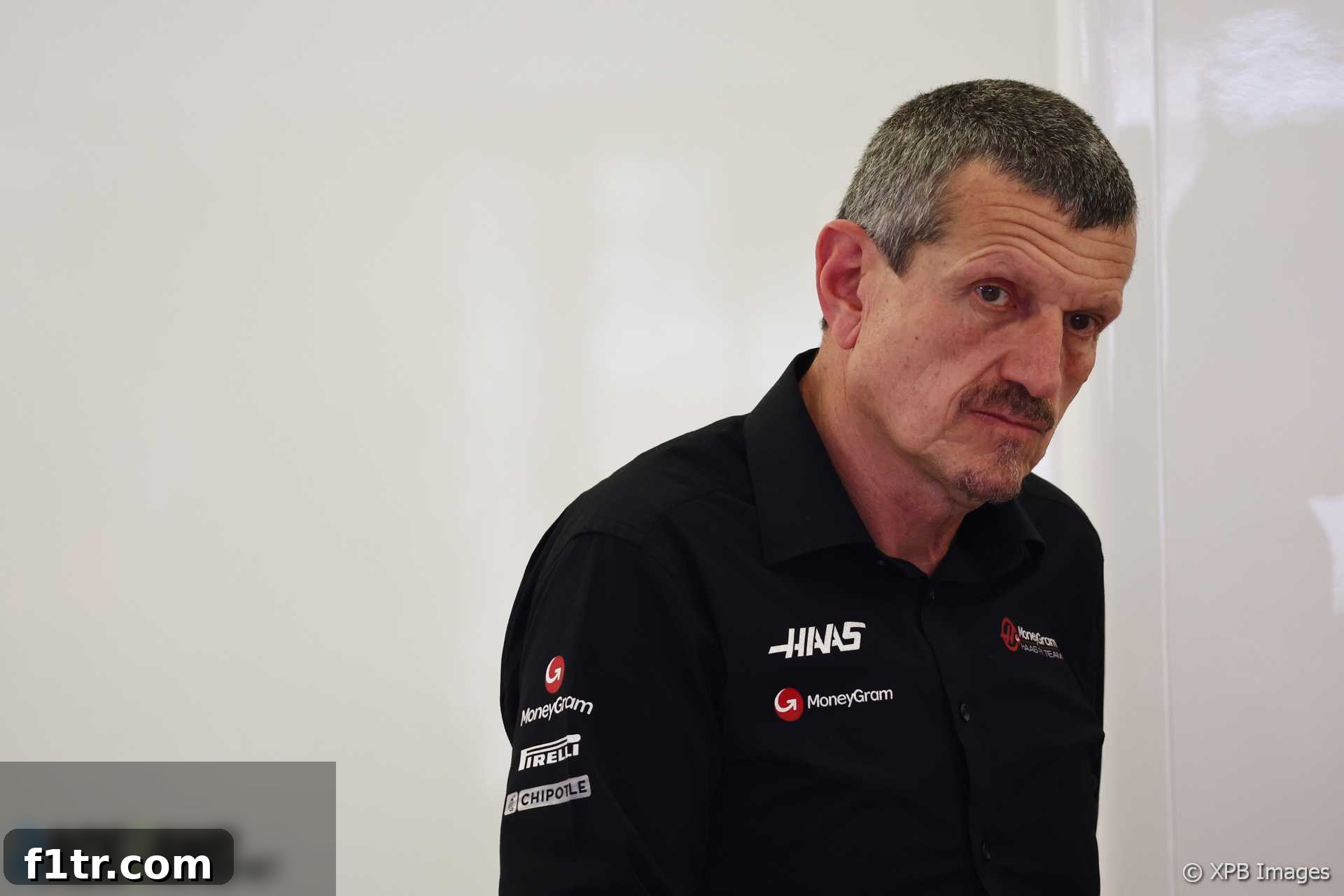
In a significant development that sent ripples through the Formula 1 paddock, Guenther Steiner, the charismatic Team Principal of Haas F1, received a formal reprimand from the FIA stewards. This decision came after an investigation into comments he made to the media following the high-tension Monaco Grand Prix. The incident underscores the delicate balance between a team principal’s passionate defense of their team and the necessity to maintain decorum and respect towards the sport’s officiating bodies.
Steiner’s frustration stemmed from a contentious penalty imposed on his driver, Nico Hulkenberg, during the opening lap of the prestigious Monaco event. The nature of the penalty, perceived by Steiner as unjust, prompted him to voice his strong opinions. Specifically, he characterized the rotating panel of FIA-appointed stewards in Formula 1 as “laymen,” arguing that the sport would benefit significantly from a system employing permanent, professional staff to officiate every race. This suggestion, while rooted in a desire for greater consistency and expertise, ignited a debate about the qualifications and dedication of those who govern the sport’s regulations.
The stewards, upon review, determined that Steiner’s comments constituted a violation of Article 12.2.1.k of the International Sporting Code. This particular article strictly prohibits “the use of language… which might reasonably be expected or be perceived to… cause offence, humiliation or to be inappropriate.” The code serves as a foundational pillar for maintaining respect, professionalism, and integrity within motorsport, ensuring that criticism, however strongly felt, remains within acceptable boundaries.
In their detailed ruling, the stewards explicitly stated their interpretation of Steiner’s remarks. They found that “Mr Steiner’s word ‘laymen’ and his reference to other sports having ‘professional’ personnel could be, and indeed were, perceived to cause offence and in our view reasonably did cause offence not only to the stewards in Monaco but also to other FIA personnel and many motorsport volunteers.” This highlights the broader impact of such language, affecting not just the immediate individuals involved in the specific decision but also the vast network of dedicated professionals and volunteers who contribute tirelessly to the sport’s operations, often without significant public recognition.
During a subsequent hearing, Steiner provided a statement to the stewards, offering both an apology and crucial clarification regarding his original intent. He expressed regret for his words, particularly “if anyone was hurt by what I said or misunderstood what I said.” Crucially, Steiner explained that his reference to “professionalism” was not meant to imply that the stewards were acting unprofessionally in their duties. Instead, he intended to draw a distinction between individuals who work in a role as their primary profession—a full-time, dedicated career—and those who serve on an occasional or part-time basis. He further elaborated that his use of “laymen” was meant to describe those who work occasionally, rather than implying any lack of qualifications, expertise, or specialized knowledge on their part.
The stewards accepted Steiner’s apology and his clarification of intent. They acknowledged that he had not intended to insult or offend, noting that he would have chosen “much different words” if that had been his purpose. This acceptance played a pivotal role in the final decision, leading to a reprimand rather than a more severe penalty such as a fine or suspension. The incident, nevertheless, served as a stark reminder of the responsibility that comes with influential positions in Formula 1 and the need for careful consideration of public statements.
This is not an isolated incident within Formula 1 where strong opinions have led to official warnings. A notable precedent occurred in 2021 when Red Bull Team Principal Christian Horner received an official warning. Horner had controversially described a marshal as “rogue” after the marshal waved a yellow flag during a qualifying session, which ultimately led to Max Verstappen receiving a grid penalty. Both incidents highlight the FIA’s consistent stance on upholding the integrity and respect for its officials, irrespective of the frustrations felt by team personnel. The difference in outcome – a warning for Horner versus a reprimand for Steiner – often depends on the specific wording, context, and the nature of the subsequent apology and clarification.
The detailed verdict from the stewards on Steiner’s case provided a comprehensive breakdown of their reasoning:
1. Article 12.2.1.k refers to “misconduct” which is defined in the ISC as “..the use of language….which might reasonably be expected or be perceived to…cause offence, humiliation or to be inappropriate”.
2. Mr Steiner’s word “laymen” and his reference to other sports having “professional” personnel could be, and indeed were, perceived to cause offence and in our view reasonably did cause offence not only to the Stewards in Monaco but also to other FIA personnel and many motorsport volunteers.
3. However, the stewards accept Mr Steiner’s statement during the hearing, that his reference to professionalism was meant to refer to people who worked in a role as their profession and not that the Stewards were acting unprofessionally.
4. Further Mr Steiner stated his reference to “laymen” was meant to refer to people who worked occasionally and not meant to refer a lack of qualifications or specialisation.
5. Mr Steiner also freely apologised “if anyone was hurt by what I said or misunderstood what I said”. The stewards accept this apology.
6. Mr Steiner stated that if he had meant to insult or offend anyone he would have used much different words. The stewards do not dispute this.
7. The stewards note that any party has the right to disagree with any determination of the stewards of an event, however are strongly of the view that such disagreement should, and can, be expressed respectfully.
This verdict clearly articulates the FIA’s expectation that while disagreement with decisions is permissible, the manner in which such disagreement is voiced must always remain respectful. The rotating nature of Formula 1 stewards has been a recurring point of discussion within the paddock for years. Proponents of the current system often emphasize the benefits of diverse perspectives and the reduced likelihood of bias that a rotating panel might offer. They also highlight the invaluable contributions of volunteers, many of whom possess deep expertise and a lifelong passion for motorsport, dedicating their time to ensure the fair and safe running of events.
Conversely, those advocating for a permanent, professional stewarding body, like Steiner, argue that such a system would bring greater consistency and continuity to decision-making. They point to other major sports, such as football (soccer) or basketball, where professional referees and officials are employed full-time, developing a deep understanding of the sport’s nuances and establishing a consistent interpretation of rules over an entire season, or even multiple seasons. The argument is that this consistency would reduce confusion and foster greater trust among teams and drivers regarding the application of penalties and regulations.
The financial and logistical challenges of transitioning to a fully professional, permanent stewarding panel in a global sport like Formula 1 are significant. Recruiting a sufficiently large and qualified team of full-time stewards who can travel to all races, often across different continents, would require substantial investment and a restructuring of the FIA’s operational framework. Moreover, it raises questions about how to retain the valuable experience and passion of many current stewards who are often experts in specific areas of motorsport law or engineering.
Ultimately, Guenther Steiner’s reprimand serves as a potent reminder of the high standards of conduct expected from all participants in Formula 1. While passion and candid commentary are often celebrated aspects of the sport, there is a clear boundary that, when crossed, can lead to formal sanctions. The incident reignites the perennial debate about the structure and future of officiating in elite motorsport, prompting a renewed focus on how to ensure fairness, consistency, and respect for all involved, from the most visible team principals to the unsung volunteers.
As Formula 1 continues to evolve, the discussions around stewarding, professionalism, and respectful communication will undoubtedly persist. The FIA’s firm but understanding approach in Steiner’s case suggests a commitment to both upholding its code of conduct and allowing room for clarification and apology when misunderstandings arise.
2023 Spanish Grand Prix
- Ben Sulayem raises safety concerns over “too many people on the grid” at races
- Why Ferrari say their change in design is the result of “discipline”, not “copying”
- Hamilton and Russell were seeking tow from Sainz when they collided – Mercedes
- Red Bull’s Spanish GP diffuser update was ‘inspired by rivals’ including Williams
- Why McLaren always doubted second-row start in Spain would lead to points finish
Browse all 2023 Spanish Grand Prix articles