The high-octane world of Formula 1 racing, a crucible of technological innovation and intense competition, relies fundamentally on its tyre supplier. For years, the sport has operated under a single-supplier model, a decision born from historical experience and a commitment to cost efficiency and competitive balance. However, a significant development in the bidding process for the 2020-2023 tyre supply contract has signaled a potential shift in this established landscape, sparking renewed debate over the merits of competition versus exclusivity.
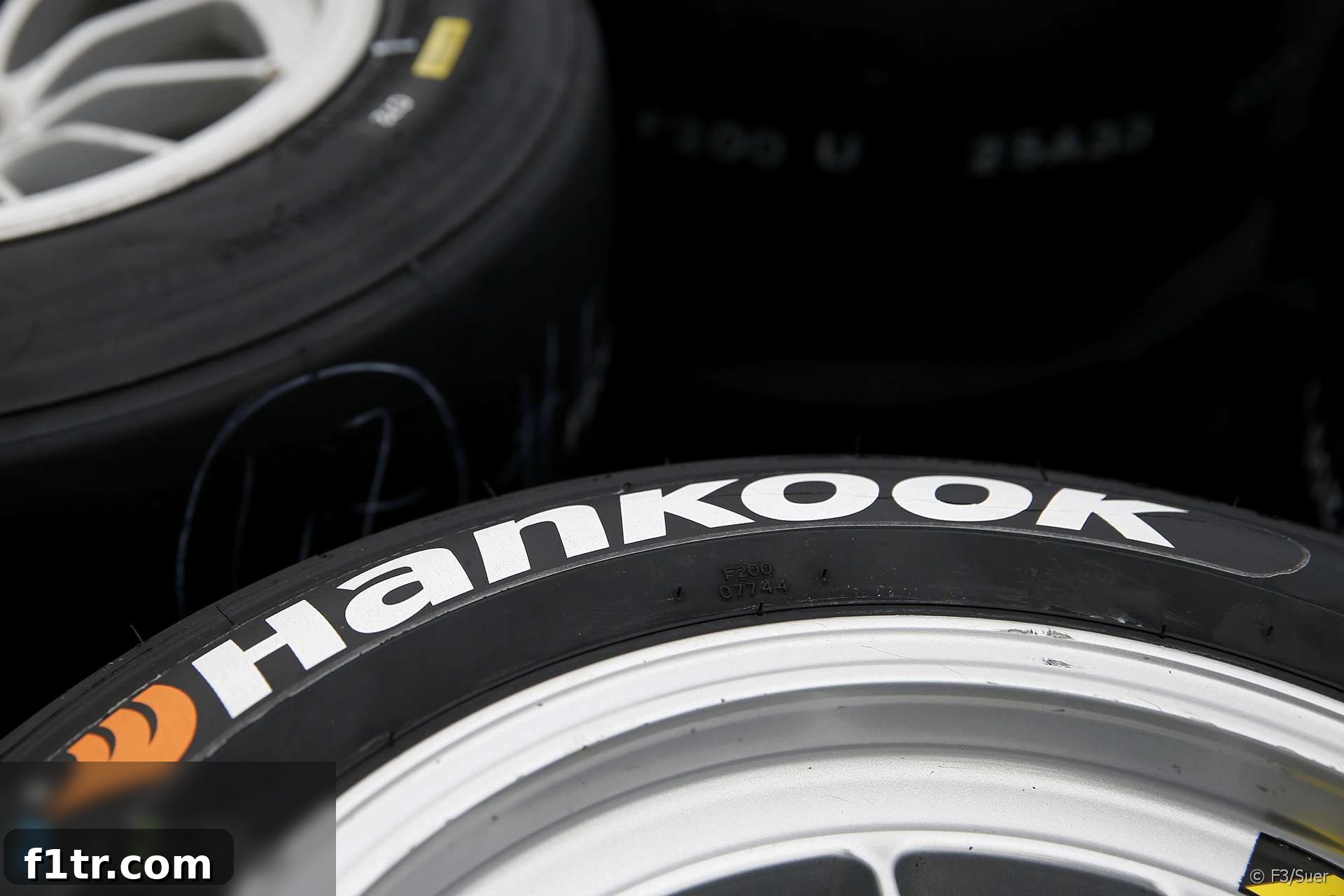
On Friday, it was officially confirmed that Hankook has been approved as a rival bidder to current supplier Pirelli for the coveted rights to be the official Formula 1 tyre supplier. This revelation marks a pivotal moment, as it’s the first time since Formula 1 transitioned to a single-specification tyre competition that two distinct manufacturers are vying for the exclusive contract. This development opens up a fascinating discussion about the future direction of tyre supply in motorsport’s premier category.
The Return of Competition? A Glimpse into F1’s Tyre History
The idea of multiple tyre manufacturers competing on track is not new to Formula 1. Indeed, there was a storied era when tyre wars were an integral part of the sport’s fabric, with manufacturers like Goodyear, Michelin, Bridgestone, and Pirelli battling fiercely to gain a performance edge. During this period, teams would align with different suppliers, each seeking the best possible rubber to enhance their car’s performance. This intense competition often led to rapid advancements in tyre technology, but also to significant cost escalation and, at times, sporting controversies.
The FIA ultimately put an end to this multi-supplier ‘tyre war’ after the 2006 season, driven by concerns over spiraling costs, potential safety issues arising from increasingly aggressive tyre development, and a desire to level the playing field among teams. The goal was to shift the focus from tyre advantage to chassis and engine development, making the sport more accessible and sustainable. Since then, Formula 1 has relied on a sole tyre supplier, ensuring consistency and a standardized challenge for all competitors. With the current tender running until 2023, the prospect of a full-blown tyre war returning to the track remains highly unlikely, as the underlying principles that led to the single-supplier model still hold significant weight within the sport’s governance.
Pirelli’s Perspective: The High Cost of Competition
Mario Isola, motorsport director at Pirelli, has been a vocal advocate for the single-supplier model, primarily citing the immense costs associated with a return to tyre competition. Currently, Pirelli produces seven different dry-weather tyre compounds for Formula 1 (with six being utilized in races during the current season), alongside wet and intermediate options. This in itself is a substantial undertaking, requiring significant research, development, and manufacturing capabilities.
However, Isola emphasizes that a tyre war would dramatically escalate these complexities and expenses. “It depends on the regulation you define for competition,” Isola explained when probed about how a multi-supplier scenario would alter Pirelli’s approach. “If it is a completely open competition, I am 100% sure you need different tyres and not just compounds but also constructions for different circuits, at least in the past, not only in Formula 1.” This means that instead of a standardized range of compounds, manufacturers would likely need to develop unique products tailored for almost every track on the calendar to remain competitive against a rival. This level of customization would demand an exponential increase in R&D, testing, and production.
Isola further highlighted the regulatory nightmare that a tyre war could entail. While other motorsport categories like the World Endurance Championship (WEC) or rallying feature multiple tyre manufacturers with certain restrictions, he notes that implementing and policing such rules in Formula 1 is “quite difficult.” Ensuring that all parties adhere to stringent technical regulations and performance parameters in a competitive environment would require substantial oversight and enforcement, adding another layer of complexity and cost to the sport’s governing body.
While Pirelli has not formally calculated the exact costs of a return to open competition, Isola offered a stark estimation. He suggested that such a scenario could easily involve expenses “three times” current costs. This astronomical increase would not be borne by the tyre suppliers alone. “Not just for Pirelli,” Isola clarified. “Then the teams need a proper test team, a car running. It’s a big difference, the approach is completely different. For the teams the budget is a lot higher. That’s why most of the competition are now a sole supplier.” This means that F1 teams would also face significantly inflated budgets, needing to invest in dedicated tyre testing programs, potentially additional personnel, and more extensive logistical operations to manage different tyre specifications from multiple suppliers. For many teams, particularly those with smaller budgets, such an increase could be unsustainable, further jeopardizing the sport’s competitive balance.
Team Principals’ Concerns: A Divided Grid
The memories of past tyre wars also evoke caution among some veteran team principals. Franz Tost, the former team principal of Toro Rosso (now AlphaTauri/RB), articulated these concerns back in 2015. He posited that having two tyre suppliers would inevitably lead to an unfair advantage: “two teams will get the good tyres and the rest will get just the scrap.” This sentiment reflects a critical sporting concern – that a tyre war could exacerbate performance disparities, leading to a situation where only a select few teams, likely those with the deepest pockets or best manufacturer relationships, consistently receive the superior tyres. This could diminish the spectacle of racing by creating a two-tiered system where tyre performance, rather than driver skill or chassis design, becomes the dominant factor in determining success.
The current single-supplier model, despite its critics, ensures that all teams operate with the same fundamental tyre parameters. This standardization forces teams to optimize their car’s setup, aerodynamics, and strategy around a known quantity, promoting a more equitable foundation for competition. While teams still extract varying levels of performance from the tyres, these differences typically stem from their engineering capabilities and operational execution, rather than from inherent disparities in the supplied product itself.
Hankook’s Entry: A New Dynamic in the Commercial Battle
The emergence of Hankook as a strong contender introduces an intriguing new dynamic. While Hankook has a significant presence in other motorsport disciplines globally, securing the Formula 1 contract would elevate its brand profile to an unprecedented level. Their bid signals not necessarily a desire to reignite tyre wars on the track, but rather a robust commercial challenge to Pirelli’s long-standing exclusivity. For Formula 1, having two credible bidders provides leverage in negotiations, potentially leading to more favorable terms, enhanced service, or even innovative approaches to tyre supply and technology.
The bidding process itself involves rigorous technical and commercial evaluations by both the FIA and Formula 1 management. The chosen supplier must not only demonstrate the capability to produce tyres that meet F1’s extreme performance demands but also align with the sport’s strategic objectives, including sustainability initiatives and fan engagement. Hankook’s involvement suggests they are confident in meeting these multifaceted requirements, offering F1 an alternative perspective and potentially a fresh set of ideas.
The Future: Commercial Negotiation, Not On-Track Combat
For now, the battle between tyre manufacturers in Formula 1 will remain firmly within the realm of commercial negotiations and strategic partnerships, rather than direct on-track competition. The sport’s leadership seems committed to the single-supplier philosophy, recognizing its benefits in terms of cost control, safety, and promoting a relatively level playing field. The challenge for both Pirelli and Hankook is to convince Formula 1 that they are the best partner to meet the sport’s evolving needs, providing not just high-performance tyres but also contributing to the overall spectacle and commercial success of the championship.
Whether Hankook can unseat Pirelli or if the Italian manufacturer will retain its monopoly remains to be seen. What is clear, however, is that this competition in the tender process itself underscores the immense value and prestige associated with being the official Formula 1 tyre supplier. It’s a testament to the sport’s global appeal and the crucial role that tyres play in defining the pinnacle of motorsport.
The chosen supplier for the 2020-2023 season will embark on a challenging and high-profile journey, providing the critical link between car and track that every F1 team strives to master. The decision will undoubtedly shape the performance narrative and strategic considerations for years to come, further cementing the single-supplier model as the cornerstone of modern Formula 1 tyre strategy.
More on Formula 1 Tyres and Suppliers
- F1 feared “death knell” for Drive to Survive after Ferrari and Mercedes snub
- McLaren staff told us we were “totally crazy” to take Honda engines in 2018 – Tost
- ‘It doesn’t matter if we start last’: How Red Bull’s junior team aided Honda’s leap forward
- Honda’s jet division helped F1 engineers solve power unit problem
- McLaren Racing losses rise after Honda split
Browse all F1 season articles
Advert | Become a RaceFans supporter andgo ad-free