In a season etched into the annals of Formula 1 history for its unparalleled drama and fierce rivalry, the 2021 Abu Dhabi Grand Prix delivered a championship decider that left fans and pundits alike in awe and, for some, in disbelief. Amidst the immediate aftermath of his momentous victory, securing his maiden Formula 1 World Championship, Max Verstappen remained remarkably composed and focused, unperturbed by the shadow of a potential appeal from Mercedes. The Red Bull Racing ace, having clinched the title in the most sensational fashion, exuded an air of quiet confidence, signaling his conviction that the championship was won fair and square on the track, beyond any procedural challenges.
When questioned about Mercedes’ notification of their intention to appeal the race outcome, Verstappen’s response was direct and imbued with the certainty of a champion. “I’m fine,” he stated, dismissing any personal concern. “I don’t even think about it too much because I do feel like the world champion and it doesn’t matter what they try to do.” This steadfast belief in his achievement underscored a mental fortitude that had been a hallmark of his incredible season. For Verstappen, the culmination of years of hard work and relentless pursuit of excellence had materialized in that final lap, an experience he felt no legal challenge could diminish. His unshakeable calm in the face of such a significant post-race challenge reinforced the impression of a driver utterly at peace with his accomplishment.
The controversy stemmed from the closing stages of the Abu Dhabi Grand Prix, where a late Safety Car period drastically altered the race dynamics. With just one lap remaining after the Safety Car pulled in, FIA Formula 1 Race Director Michael Masi made the pivotal decision to restart the race. Crucially, Masi allowed only the lapped cars between race leader Lewis Hamilton and second-placed Verstappen to un-lap themselves, creating a direct, unimpeded confrontation between the two championship protagonists. This strategic clearance set the stage for a dramatic one-lap sprint, a decision that Mercedes vehemently challenged, arguing it contradicted established Safety Car procedures and unfairly benefited Verstappen. On that fateful final lap, Verstappen, on fresher tyres, seized the opportunity, executing a decisive overtake on Hamilton to claim the race win and, with it, the coveted World Championship title. This high-stakes maneuver, performed under immense pressure, became the defining moment of the season, instantly embedding itself in Formula 1 lore.
Verstappen’s conviction that his victory was earned legitimately on the tarmac resonated deeply in his subsequent comments. “We won it on track,” he asserted with unwavering resolve. “We won it when there was a green flag, green lights and we passed them on track and they will never be able to take that away from me, anyway.” This declaration highlighted his fundamental belief in the purity of the sport: championships are decided by racing, not by tribunals or legal disputes. For a driver who had battled relentlessly throughout the season, enduring immense pressure and overcoming numerous challenges, the idea that his hard-fought triumph could be invalidated by an appeal was clearly inconceivable. His focus remained squarely on the exhilaration of the victory and the tangible proof of his supremacy in that final, breathtaking lap, a testament to his raw racing instinct and skill.
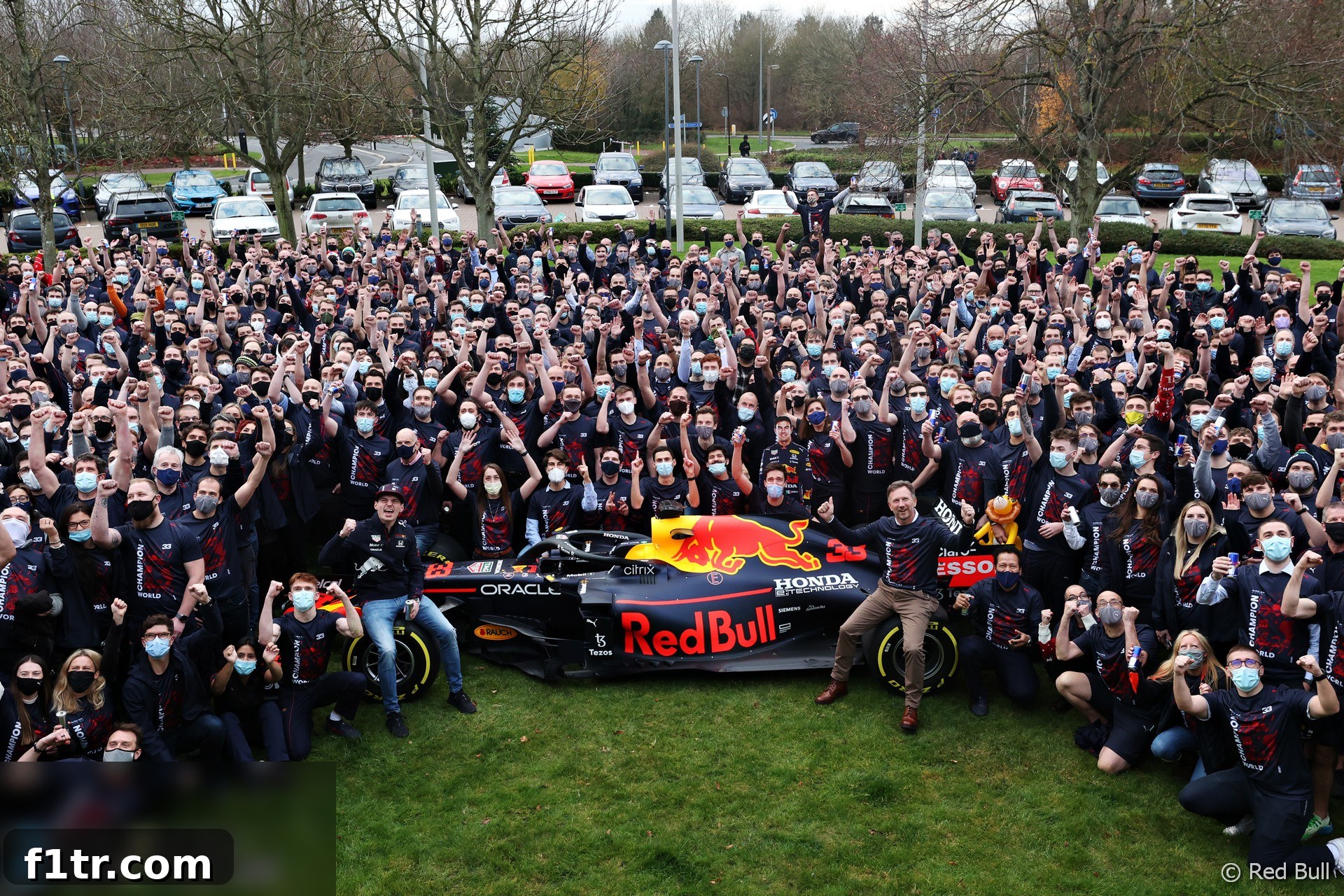
While Verstappen personally remained detached from the legal proceedings, he acknowledged the potential impact on his team. “About the possible appeal or whatever, I’m not busy with that,” he clarified. “As a team, of course it might be disturbing, but for us, we have been really enjoying the last few days.” This perspective showcased his ability to compartmentalize, allowing the Red Bull Racing legal and management teams to handle the administrative challenges while he savored the hard-earned success with his mechanics and engineers. The celebrations at the Red Bull factory, far from the legal wrangling, were a testament to the collective effort and the shared joy of achieving their ultimate goal, a clear demarcation between the sporting triumph and the subsequent procedural debate.
Verstappen also offered a candid insight into what he perceived as a philosophical difference between the two rival teams in their approach to competition and its outcome. Mercedes’ vigorous efforts to challenge the race result, in his view, starkly contrasted with what he considered an essential attribute of a true competitor: the acceptance of defeat. This observation led to a broader commentary on sportsmanship and the mindset required at the pinnacle of motorsport, especially when the stakes are as high as a world championship.
Reflecting on personal interactions, Verstappen revealed an anecdote that underscored this perceived divergence. “The relationship, for me – I think I can be a forgiving person or whatever,” he began, hinting at the complexities of rivalries at this level. “At the moment it’s still all so new from this season that it’s better not to talk about it too much. But for example, I saw Toto [Wolff, Mercedes team principal] in Monaco before Saudi, I had a dinner and he was sitting on the table next to me and we had a chat.” This casual encounter, preceding one of the season’s most intense races, painted a picture of civility that often exists beneath the surface of fierce competition. However, Verstappen then articulated his core principle: “And he of course goes flat out for his team and I know that my team also does everything they can. But besides that I do think you should be accepting a loss, it doesn’t matter how much it hurts. And I do think, there, that there is a bit of a difference between the teams.” This sentiment, while acknowledging the inherent drive of both teams to win, highlighted a crucial aspect of sportsmanship: the ability to gracefully concede when the battle is lost on the playing field. For Verstappen, this acceptance forms a vital part of the integrity of competition, a mature outlook on the cutthroat world of elite racing.
Beyond the immediate aftermath and the contentious appeals, Verstappen expressed profound satisfaction at the opportunity to compete head-to-head with a legend like Lewis Hamilton on what he considered largely equal terms during the 2021 season. This aspect, for many fans, was the true highlight of the year. “Finally, with quite equal machinery you can have a battle and you see how much you can push each other throughout the whole race,” Verstappen remarked, capturing the essence of their monumental struggle. The 2021 campaign was a masterclass in driving excellence, with both drivers pushing their cars and their teams to the absolute bleeding edge of performance. Every race became a strategic chess match combined with raw, visceral speed, providing an unprecedented spectacle for motorsport enthusiasts worldwide and captivating new audiences to the sport.
Verstappen elaborated on the unique challenge Hamilton presented, pushing him to new personal and professional heights. “Being on the limit of your material and also pushing the team to the limit, you can actually really see what he is capable of because some seasons he’s had it a bit more easy and you don’t need to push throughout the whole race. So it was more about that just pushing each other to the limit in the race.” This observation not only praised Hamilton’s immense talent but also highlighted the distinctive nature of the 2021 season. Unlike years where Hamilton might have dominated with a superior package, this season demanded absolute perfection and relentless effort from both drivers from the first lap to the last. The continuous pressure applied by a rival of Hamilton’s caliber undoubtedly forged Verstappen into an even more formidable champion, demonstrating his ability to thrive under the most intense scrutiny and direct competition. Their rivalry transcended mere points, becoming a captivating narrative of two titans clashing, each extracting every ounce of performance from their respective machines and themselves, creating a benchmark for future Formula 1 seasons.
The 2021 Formula 1 season, culminating in the controversial yet exhilarating Abu Dhabi Grand Prix, will forever be remembered as one of the sport’s most compelling chapters. Max Verstappen’s steadfast confidence in his championship victory, his refusal to be distracted by Mercedes’ appeal, and his philosophical outlook on sportsmanship underscore the mental strength required to reach the pinnacle of motorsport. His comments also beautifully articulate the value of genuine, wheel-to-wheel competition, particularly when facing a formidable adversary like Lewis Hamilton. While the debates surrounding the final race may linger, Verstappen’s title stands as a testament to an extraordinary season of driving, a testament to pushing limits, and a testament to a champion forged in the fires of the most intense rivalry Formula 1 has seen in decades. This championship, born from both brilliance and contention, undoubtedly cemented Verstappen’s place among the sport’s elite.
2021 Abu Dhabi Grand Prix: Further Reading and Analysis
- Masi ‘basically gifted the championship’ to Verstappen says 2021 FIA steward Sullivan
- Norris called out F1 over its farcical 2021 finale. Will it get it right this time?
- Why Mercedes put ‘a reminder of joy and pain’ on display in their factory lobby
- Hamilton would be an eight-time champion if Whiting was still alive – Steiner
- Verdict on error in GT race suggests Mercedes would have lost 2021 Abu Dhabi GP appeal
Browse all 2021 Abu Dhabi Grand Prix articles