Amid debate over how Formula 1’s revised engine rules have affected the racing, a quieter but important change this season has gone largely unnoticed.
After four grands prix and two sprint events, F1’s stewards have not issued a single penalty point so far this season. By comparison, the first four rounds last year saw nine penalty points handed out across five incidents.
Penalty points have influenced championship fights in recent seasons. In 2024 Kevin Magnussen became the first driver to reach the 12-point threshold that triggers an automatic race ban and missed the Azerbaijan Grand Prix while Oliver Bearman stood in for him.
Last year Max Verstappen was forced to be cautious after he reached 11 penalty points following his collision with George Russell in Spain. Many observers felt the three points he received for what appeared to be deliberate contact were lenient.
Although the revised penalty guidelines for 2026 allowed for harsher sanctions for the most serious offences, they also signalled that less severe incidents would be treated more lightly. To date the stewards have chosen not to award any penalty points.
That approach has extended to collisions that in prior seasons would likely have earned two or three penalty points. Esteban Ocon’s late attack on Franco Colapinto in Shanghai, which spun Colapinto despite the latter being largely blameless, resulted in a 10-second time penalty but no penalty points.
Andrea Kimi Antonelli’s clash with Isack Hadjar in the sprint at the same event was dealt with in a similar fashion. By contrast, Magnussen’s 2024 ban was influenced by receiving two penalty points for a collision with Yuki Tsunoda at the same corner the previous year.
Across the last two seasons stewards averaged more than three penalty points per full-time driver: 65 points last year and 67 in 2024. Most of those sanctions were for “causing a collision,” with “forcing a driver off the track” a distant second.
At the current rate it appears likely that only the most serious incidents will attract penalty points. That is good news for Oliver Bearman, who began the year on 11 points but will lose two if he goes through the first two days of the Canadian Grand Prix without further breaches under the new, more cautious enforcement.
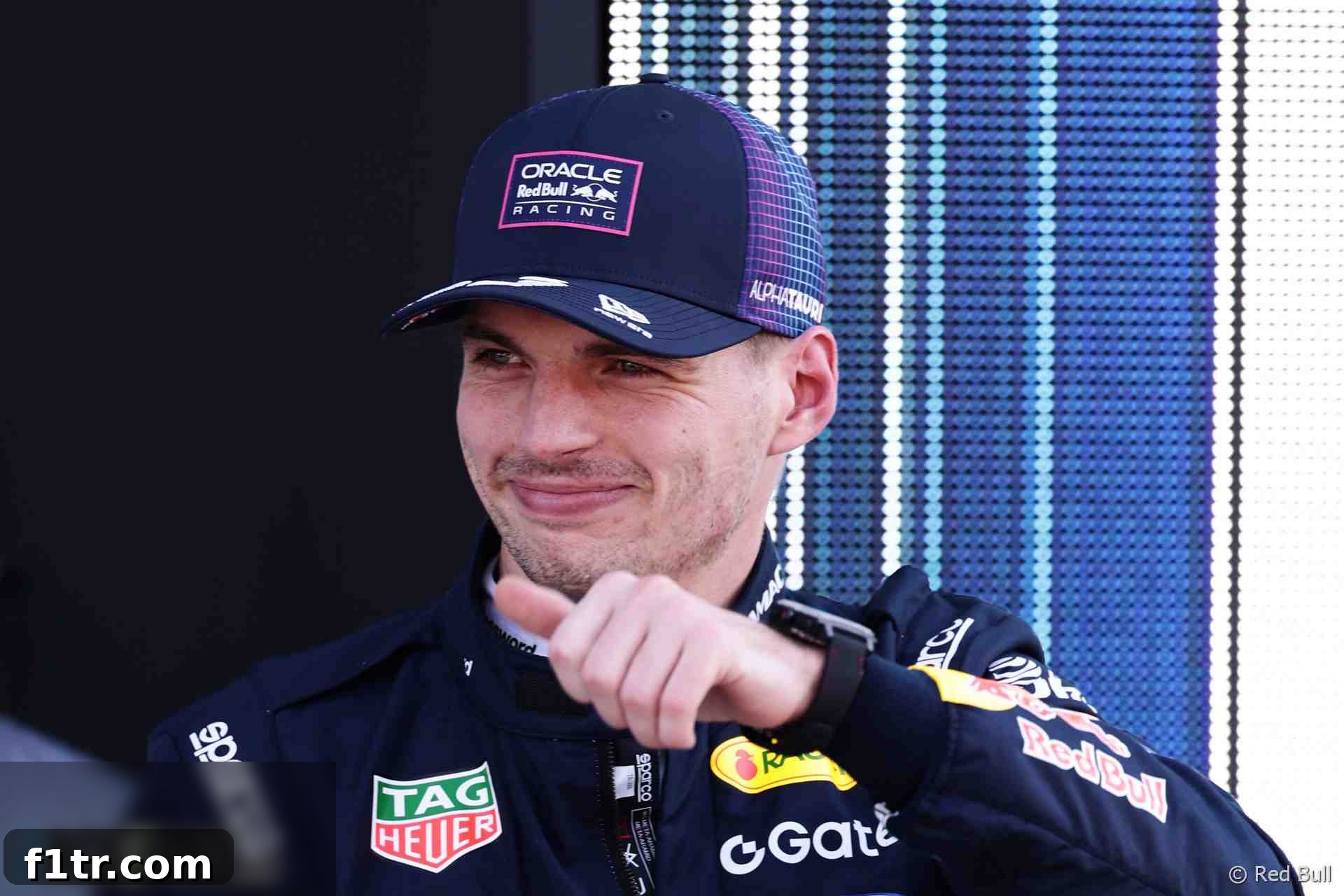
Verstappen, who has frequently criticised the penalty point system, is likely to welcome this shift. “I hate these stupid penalty points,” he said in 2018, and last year he dismissed questions about his proximity to a ban as “childish.”
Still, if the coming races confirm that F1 has relaxed its stance on penalty points, the change could alter on-track behaviour. With less severe consequences, drivers might feel emboldened to defend more aggressively.
That prospect arrives at a time when several drivers argue that closer closing speeds between cars demand greater care in defensive manoeuvres, so weakening enforcement may not be ideal for safety and fair racing.
- Formula 1 drivers’ investigations and penalties 2026
- Formula 1 drivers’ penalty points totals
Advert | Become a RaceFans supporter andgo ad-free
Formula 1
- Poll: Has the time finally come for Hamilton to hang up his helmet?
- Grosjean felt Renault ‘told everyone I wasn’t good enough for F1’ before return
- There’s one 2026 change Verstappen will approve of: Zero penalty points
- Which F1 drivers have made the strongest start to 2026 against their team mates?
- “Not correct” to say Ferrari should have discovered Antonelli instead of Mercedes
Browse all Formula 1 articles