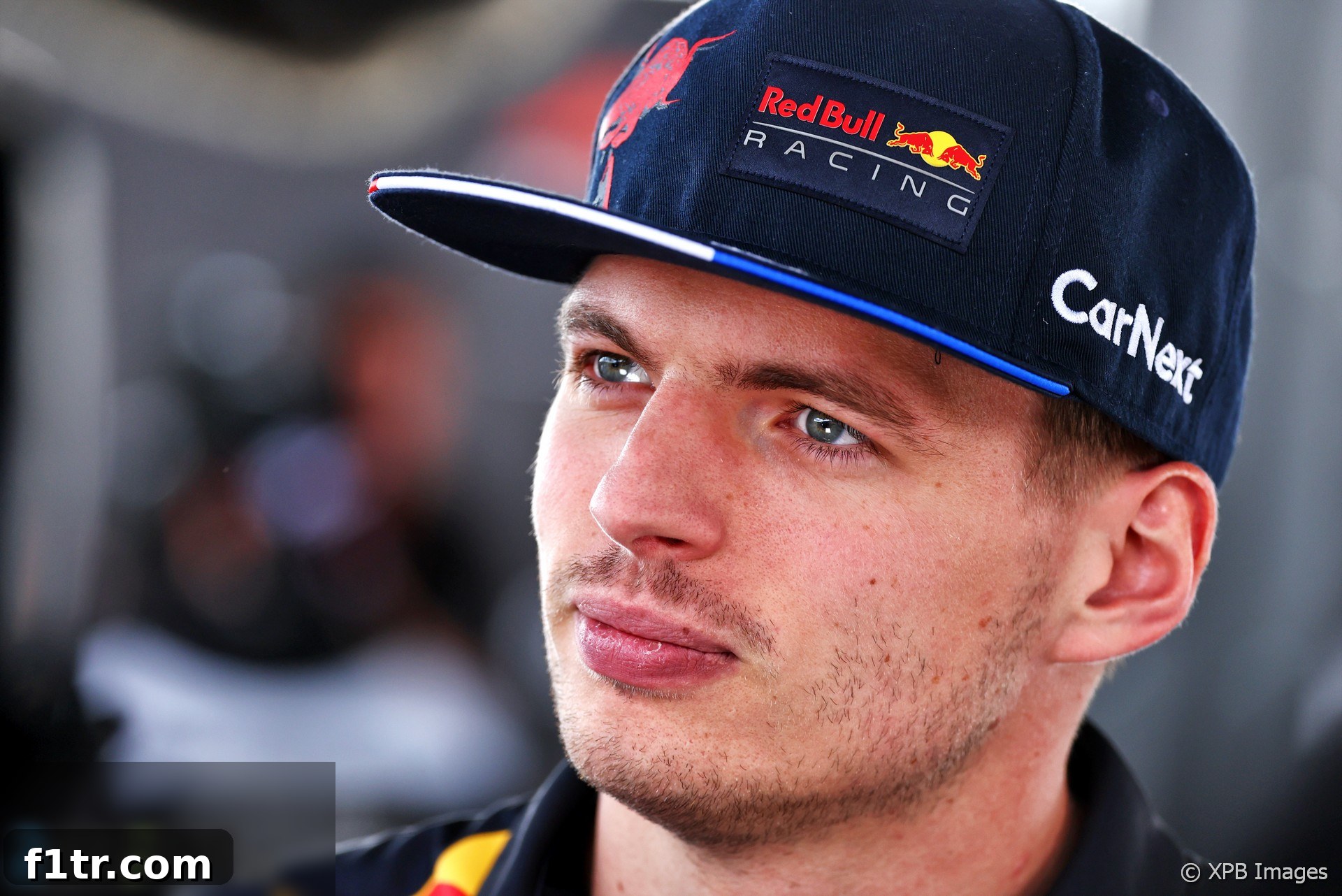
Max Verstappen Confirms Increased Involvement in Drive to Survive, Signaling a New Era for F1’s Hit Show
Formula 1 World Champion Max Verstappen has announced a significant shift in his relationship with Netflix’s acclaimed docuseries, Drive to Survive. Following a series of productive discussions with the show’s producers, the Red Bull Racing star confirmed he would feature more prominently in upcoming seasons. This marks a dramatic turnaround for a driver who previously vocalized strong dissatisfaction with the program, accusing it of fabricating rivalries and misrepresenting personalities within the sport.
Advert | Become a Supporter & go ad-free
The Genesis of Discontent: Verstappen’s Previous Stance on Drive to Survive
Max Verstappen’s strained relationship with Drive to Survive, produced by Box to Box Films, dates back to its inaugural season. The Dutch driver, known for his fiercely competitive nature and straightforward communication, quickly became a critical voice against the show’s narrative choices. He expressed profound unhappiness with how he was depicted, particularly highlighting what he perceived as an artificial creation of dramatic tension and rivalries that did not truly reflect the paddock’s reality. His criticisms grew more pointed over time, culminating in his refusal to participate in the fourth series, which premiered to global audiences on Netflix in March.
Verstappen’s concerns were not isolated. He explicitly stated, “They faked a few rivalries which they don’t really exist. So I decided to not be a part of it and did not give any more interviews after that because then there is nothing you can show.” This firm stance meant that while footage of him from the FOM (Formula One Management) archives and general paddock shots continued to be used, his personal input, interviews, and behind-the-scenes access were conspicuously absent from recent seasons. This presented a significant challenge for a series aiming to provide an intimate look into the sport, especially when its reigning world champion chose to distance himself.
The Immense Impact of Drive to Survive on Formula 1
Despite Verstappen’s reservations, there’s no denying the monumental impact Drive to Survive has had on Formula 1. The series is widely credited with spearheading a surge in F1’s popularity, particularly in the United States, a market previously considered challenging to penetrate. By presenting the sport’s high-octane drama, personal stories, and intense rivalries in an accessible, cinematic format, the show captivated millions of new fans. It transformed F1 from a niche motorsport into a global entertainment phenomenon, attracting celebrities, expanding fan bases, and drawing significant investment. The “Netflix effect” became a recognized term for this rapid growth, showcasing the power of strategic media partnerships in sports.
However, this success came with a cost. While the show excelled at narrative building and dramatic flair, some purists and figures within the sport, including Verstappen, felt it sometimes prioritized sensationalism over factual accuracy. The portrayal of certain drivers and teams, often exaggerated for dramatic effect, raised questions about the authenticity the series promised. This tension between entertainment value and journalistic integrity became a recurring theme, often debated among seasoned F1 fans and newcomers alike. For a competitor like Verstappen, whose career is defined by pure performance and genuine sporting contest, the perceived manipulation of narratives was a fundamental issue.
A Turning Point: Dialogue and Resolution
Recognizing the significance of having its reigning and arguably most dominant driver on board, Formula 1 CEO Stefano Domenicali had publicly expressed his intention to encourage drivers who had avoided participating in the series to reconsider. This high-level intervention underscored the sport’s commitment to bridging the gap between its authentic sporting product and its media representation. It appears these efforts, combined with direct engagement from the production team, have yielded positive results with Verstappen.
Verstappen recently confirmed he has “talked to the people who are in charge and who are running the show” and that they “came to a good understanding for the future.” This dialogue signifies a crucial step towards reconciliation. In an interview with Barstool Sports, he elaborated on his previous frustrations: “Last year I was not really involved. There were a few things I was not really happy with. Especially faking rivalries between drivers. That for me is a tough one because of course [the series] did wonders in America. But also I think sometimes they portray a few drivers differently to how they actually are. And then, of course, the people who are to have one are saying, ‘ooh, this guy’s a bit of a dick’ or whatever, which in real life he’s not.” This candid assessment highlights the core of his concerns: the distortion of personalities and the manufacturing of drama where none existed. His return suggests that the producers have addressed these concerns sufficiently to win back his trust and cooperation.
Why the Change of Heart? Navigating Authenticity and Exposure
Verstappen’s decision to re-engage with Drive to Survive is likely multifaceted. Beyond the direct negotiations and the “good understanding” reached, several factors may have influenced his change of heart. Firstly, F1’s continued growth, significantly fueled by the series, makes it increasingly difficult for even the sport’s biggest stars to remain completely detached. The show offers unparalleled global exposure, a platform that even a world champion might eventually find beneficial for shaping his own narrative and connecting with a broader audience. While he may not crave the celebrity aspect, having a degree of control over his portrayal could be a powerful motivator.
Secondly, the series has already been commissioned for a fifth and sixth season, solidifying its long-term presence. Instead of resisting indefinitely, it makes strategic sense to collaborate and attempt to steer its direction towards greater authenticity. His involvement could serve as a vital internal check, ensuring that future narratives are grounded in reality rather than fabricated drama. This provides an opportunity for him to present a more accurate reflection of his life as a Formula 1 driver, showcasing the dedication, challenges, and genuine emotions that come with competing at the highest level of motorsport. It represents a potential shift from passive subject to active participant, allowing him to reclaim some agency over his public image.
The Future: More Max, More Authenticity?
Verstappen’s confirmation that “For the future we came to a good understanding of how we can work together. So I’m sure in the next one you will see a little bit more of me” bodes well for the future of Drive to Survive. His increased involvement is expected to inject a new level of credibility and depth into the series. Viewers can anticipate a more authentic look into the life of the reigning world champion, offering insights into his preparation, his relationship with the Red Bull team, and his perspective on the intense competition on the track.
This development sets a crucial precedent for the entire Formula 1 paddock. With Verstappen, arguably the most prominent critic, now on board, it might encourage other drivers who have been hesitant or critical to re-evaluate their positions. The ongoing dialogue between F1 management, the teams, the drivers, and the production company is vital for maintaining the show’s balance between compelling entertainment and genuine representation of the sport. As F1 continues its global expansion, ensuring that its flagship docuseries remains true to the spirit of racing while still captivating new audiences will be paramount. Verstappen’s return could very well mark the beginning of a more mature and mutually beneficial relationship between the sport’s top talent and its most influential media export.
Advert | Become a RaceFans supporter andgo ad-free
Recent F1 Season Insights
- Mercedes told me “you’re wrong” about 2022 car’s problems – Hamilton
- FIA confirms all 10 F1 teams complied with 2022 cost cap
- Steiner “not ashamed” of panning “slow” Schumacher in Drive to Survive
- Albon believes year out of F1 improved him as a driver
- Hamilton sees diversity gains in F1 years on from his ‘traumatising’ experience of racism
Browse all 2022 F1 season articles