Red Bull’s Firm Hand: Max Verstappen Details Team’s Approach to Driver Rivalry After Baku Collision
The high-stakes world of Formula 1 racing often sees intense battles unfold not just between different teams, but also, at times, between teammates. These internal rivalries, while thrilling for spectators, can pose significant challenges for team management, particularly when they escalate into on-track incidents. Max Verstappen, a pivotal figure in Red Bull Racing, firmly believes that his team is prepared to intervene and quell any future clashes between their drivers that risk spiraling out of control.
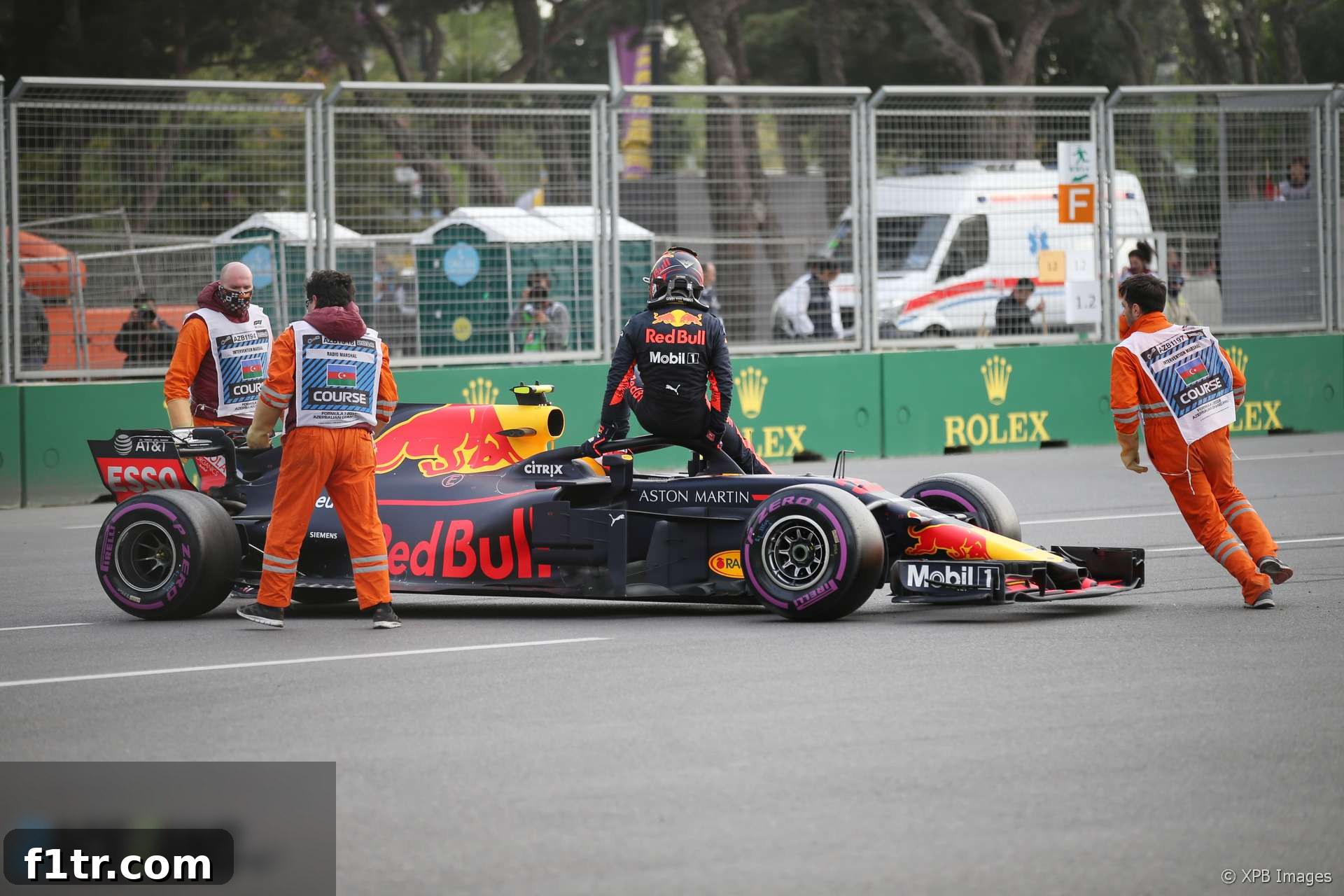
Verstappen conveyed this sentiment to various media outlets, including RaceFans, during an event in Spain. He indicated that Red Bull would proactively act to prevent a recurrence of the infamous race-ending collision he shared with then-teammate Daniel Ricciardo at the Azerbaijan Grand Prix. This incident served as a stark reminder of the fine line between aggressive, competitive racing and detrimental team outcomes.
Advert | Become a Supporter & go ad-free
“If it maybe is like Baku again, I think at one point the team will say maybe calm down a bit and follow each other the last few laps,” Verstappen articulated, outlining a potential scenario for team intervention. This statement suggests a nuanced approach from Red Bull, where freedom to race is balanced with strategic oversight. While the team generally trusts its drivers to race hard and fair, the memory of the Baku incident evidently hangs heavy. “In general, I think they still trust us. We also understand we don’t want that to happen again,” he added, emphasizing the mutual understanding between drivers and management regarding avoiding similar costly errors.
The Baku Collision: A Costly Lesson in Team Dynamics
The Azerbaijan Grand Prix collision in 2018 was more than just a racing incident; it was a watershed moment for Red Bull Racing. Both Verstappen and Ricciardo, known for their aggressive driving styles and relentless pursuit of victory, were locked in a fierce, race-long battle for position. The tension had been building, with multiple overtakes and close calls preceding the final, fateful moment. As they approached Turn 1 on lap 40, Ricciardo attempted to overtake Verstappen, who defended aggressively. The two cars touched under braking, sending both drivers into the run-off area and forcing their immediate retirement from the race. This incident cost Red Bull a substantial haul of points, potential podium finishes, and significantly damaged two highly valuable cars.
In the aftermath, the team conducted a thorough investigation, ultimately assigning blame to both drivers. This joint responsibility underscored the collective nature of their error and the need for both individuals to reflect on their roles. When questioned about any personal regrets regarding his actions during the race, Verstappen’s response was characteristically direct: “Just the final one together, I think we didn’t want to crash together.” This simple statement reflects the inherent paradox of high-level motorsport: the desire to win at all costs, tempered by the understanding that a collision with a teammate is an outcome no driver truly seeks. He further assured that both he and Ricciardo had committed to leaving “a little bit more margin” in future on-track encounters, a crucial adjustment for preserving team integrity and avoiding future mishaps.
Beyond the Asphalt: Maintaining Driver Harmony
Despite the high-stakes nature of their collision and the direct impact on their championship aspirations, Verstappen was quick to confirm that the relationship between him and Ricciardo remained robust and professional. “We have a lot of respect for each other and we realise it was a mistake. You don’t like to crash with each other but there are no bad feelings at all,” he stated. This maturity in handling post-incident dynamics is vital for any successful racing team. The ability for drivers to acknowledge errors, maintain mutual respect, and move forward is crucial for fostering a collaborative environment, even amidst intense personal competition.
To reinforce this, both drivers were promptly summoned to Red Bull’s factory in Milton Keynes. This meeting was not merely a disciplinary hearing but a multi-faceted session designed for accountability, reflection, and team cohesion. “We are all racers so I think we all understand it can happen,” Verstappen remarked, offering insight into the empathy within the team for the pressures drivers face. Beyond discussing the incident, these factory visits are routine opportunities for drivers to engage with the wider team, express gratitude for their tireless efforts, and discuss ongoing car development.
As Verstappen elaborated, “We have done it before to explain our weekend to them, to thank them for the work hours they’re putting in to provide us with such a car and keep developing it as well. Of course there was also at the end an apology which I think is quite normal after such a weekend.” This perspective highlights the comprehensive nature of a driver’s responsibility, extending beyond the cockpit to encompass strong relationships with the engineers, mechanics, and support staff who dedicate countless hours to the team’s success. An apology, therefore, becomes not just an admission of fault but a gesture of respect and appreciation for the collective effort.
The Evolving Philosophy of Team Management in F1
Red Bull’s willingness to intervene, as suggested by Verstappen, marks a subtle but significant evolution in their team management philosophy. Historically, Red Bull has been known for its “let them race” mantra, a strategy that has often produced spectacular racing but occasionally led to internal friction, as seen in Baku. The costly nature of that incident, in terms of championship points and team morale, appears to have instilled a pragmatic approach. While the core philosophy of aggressive racing will likely remain, the boundaries for acceptable intra-team competition are being more clearly defined.
This proactive stance underscores the immense pressures on modern F1 teams. Every point counts towards the constructors’ championship, and avoidable collisions between teammates are a luxury no top team can afford. For Red Bull, a team perennially vying for world titles, preventing such incidents is not just about avoiding immediate financial costs but also about safeguarding their long-term competitive edge and brand reputation. The balance between fostering individual brilliance and ensuring team success is delicate, but essential.
The lessons learned from Baku extend beyond the 2018 season, shaping how Red Bull approaches future driver pairings and on-track dynamics. It’s a testament to the team’s commitment to continuous improvement, not just in car performance but also in strategic human resource management within the intense environment of Formula 1. Verstappen’s candid comments provide a valuable glimpse into the inner workings of a top-tier racing team, showcasing the blend of raw competitive instinct, professional accountability, and strategic foresight required to succeed at the pinnacle of motorsport. The promise of “more margin” and the readiness for “calm down” orders signal a matured approach, aiming to channel driver aggression into productive, rather than destructive, outcomes for Red Bull Racing.
Advert | Become a RaceFans supporter andgo ad-free
2018 F1 season
- F1 feared “death knell” for Drive to Survive after Ferrari and Mercedes snub
- McLaren staff told us we were “totally crazy” to take Honda engines in 2018 – Tost
- ‘It doesn’t matter if we start last’: How Red Bull’s junior team aided Honda’s leap forward
- Honda’s jet division helped F1 engineers solve power unit problem
- McLaren Racing losses rise after Honda split
Browse all 2018 F1 season articles